
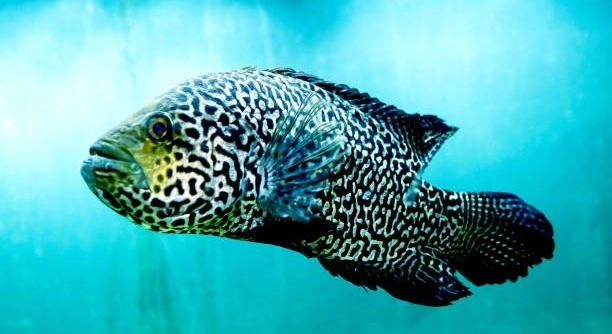
Have you ever noticed your Jack Dempsey fish acting unusually skittish or darting around the tank without warning? Many fish owners face this challenge and often struggle to identify the causes of their pet’s stress behaviors.
Nervous behavior in Jack Dempsey fish is commonly caused by sudden changes in water conditions, overcrowding, improper tank setup, or aggressive tank mates. Ensuring stable water parameters, adequate hiding spaces, and compatible companions can significantly reduce stress levels.
Understanding these quick fixes will help you create a calmer, healthier environment for your fish and support their long-term well-being in your aquarium.
Adjusting Water Conditions
Keeping water conditions stable is essential for a calm Jack Dempsey fish. Sudden changes in temperature, pH, or hardness can cause them to become nervous and hide frequently. Regular water testing helps detect fluctuations early, allowing for timely corrections before stress builds up. Using a reliable heater and filter system keeps the tank environment consistent. Frequent partial water changes also help remove toxins like ammonia and nitrites that can irritate the fish. Maintaining proper oxygen levels is equally important, as low oxygen can make fish restless and aggressive. Observing your fish daily can reveal subtle changes in behavior that indicate discomfort. Avoid introducing untreated water or chemicals suddenly, as these shocks can trigger frantic swimming or hiding. Creating a stable and comfortable environment encourages your Jack Dempsey to display normal behavior, feed reliably, and interact calmly with other tank mates. Consistency is key for reducing nervous energy.
Stable water conditions prevent sudden stress reactions, supporting the fish’s natural behavior and overall health. Proper maintenance reduces erratic movements and hiding tendencies.
Careful monitoring of water parameters also helps detect potential long-term issues. By keeping the water clean, well-oxygenated, and at a consistent temperature, you reduce the likelihood of stress-induced illness. Providing small adjustments gradually instead of abrupt changes allows fish to adapt without panic. Observing their swimming patterns and feeding habits regularly can highlight minor stress signs early. Adding gentle filtration and avoiding strong currents ensures comfort, as Jack Dempseys prefer moderate water movement. Tank decorations like rocks and plants provide shelter, giving fish safe zones to retreat without fear. Over time, consistent care builds a sense of security for your fish, encouraging them to explore the tank calmly. Proper lighting schedules also contribute to a stable routine, which helps minimize sudden nervous reactions.
Managing Tank Mates
Introducing compatible tank mates is important for a peaceful aquarium. Aggressive or overly active fish can trigger stress and nervous behavior in Jack Dempseys, leading to constant hiding or erratic swimming.
Careful selection of tank companions ensures that all fish can coexist without constant conflict. Avoid placing small, delicate fish with Jack Dempseys, as they may be harassed. Similarly, large or overly aggressive species can intimidate your fish and increase stress. Observing interactions when new fish are added helps prevent bullying and allows for early intervention. Proper spacing, hiding spots, and territorial markers reduce conflict and provide a sense of security. Grouping fish with similar temperaments creates a calmer environment, letting each fish feel safe while exploring. Even minor adjustments, like rearranging decorations or creating visual barriers, can help reduce tension. By monitoring behavior and responding promptly, you maintain a balanced tank where your Jack Dempsey feels confident and less anxious. A stable social environment encourages natural feeding and swimming patterns, promoting long-term health.
Providing Hiding Spots
Adding hiding spots gives Jack Dempsey fish a safe place to retreat when stressed. Rocks, caves, and dense plants allow them to feel secure, reducing nervous behavior and sudden darting around the tank.
Hiding spots are essential for reducing stress in Jack Dempsey fish. Without safe areas, they may constantly swim frantically or remain in one corner, unable to feel at ease. Using decorations like rock formations or ceramic caves allows the fish to establish territories and feel protected. Live or artificial plants also help break sightlines, which lowers aggression from tank mates and creates shaded areas. Multiple hiding spaces prevent competition and let fish choose their preferred spot, making the environment less stressful. A well-decorated tank encourages calm, natural behavior.
Observing how your fish uses these areas provides insight into their comfort level. Some may favor a single cave, while others explore different spots depending on mood or tank activity. Rearranging or adding new hiding places periodically keeps the environment stimulating and safe. Avoid overcrowding the tank with decorations, as this can restrict swimming space and cause additional stress. Ensuring that each fish has access to a shelter promotes peaceful coexistence, reduces chasing, and encourages more natural interactions. Over time, a balance of open swimming areas and secure retreats helps your Jack Dempsey feel confident and less anxious in its home.
Maintaining a Balanced Diet
A balanced diet supports both physical health and stress reduction in Jack Dempsey fish. High-quality pellets, occasional frozen foods, and live treats provide necessary nutrients.
Jack Dempsey fish can become nervous or skittish if their diet is inconsistent or lacking in essential nutrients. Feeding a varied diet of high-protein pellets, frozen foods like bloodworms or brine shrimp, and occasional live treats ensures they receive proper vitamins and minerals. Avoid overfeeding, which can pollute the tank and increase stress. Feeding smaller amounts multiple times a day mimics natural hunting behavior and keeps fish active without overwhelming their system. Observing how quickly and confidently your fish eats can indicate overall comfort and well-being. Consistent feeding routines reduce anxiety and reinforce a sense of security in their environment.
Including natural treats occasionally also stimulates mental engagement and keeps your fish interested in their surroundings. Rotating food types prevents boredom and helps maintain strong coloration and immune health. Providing food that sinks or drifts encourages swimming and mimics natural feeding patterns. Monitoring leftovers prevents water contamination, which can stress fish if ammonia levels rise. Feeding at the same time each day establishes routine and predictability, which Jack Dempseys respond well to. This structured approach to nutrition not only supports growth but also enhances calm, confident behavior. Over time, a well-fed, mentally stimulated fish is far less likely to exhibit nervous habits, contributing to a more harmonious tank.
Controlling Tank Lighting
Proper lighting helps keep Jack Dempsey fish calm. Bright or inconsistent light can make them nervous, while steady, moderate lighting encourages normal behavior.
Using a timer ensures lights turn on and off at the same time daily. Sudden changes in brightness can startle the fish, so gradual transitions help maintain a stable environment.
Reducing Noise and Vibrations
Excess noise and vibrations near the tank can stress Jack Dempsey fish. Placing the aquarium in a quiet, low-traffic area minimizes sudden disturbances. Consistent conditions allow the fish to feel safe and reduce erratic movements. Proper placement also protects equipment from accidental bumps that could scare the fish.
Monitoring Health
Regular health checks prevent stress caused by illness or parasites. Observing for unusual spots, swelling, or changes in behavior ensures problems are caught early and treated effectively.
Using Gentle Water Flow
Jack Dempsey fish prefer moderate water movement. Strong currents can make them anxious and tire them quickly. Adjusting filters or adding flow-reducing decorations creates a calmer swimming environment.
FAQ
Why is my Jack Dempsey fish always hiding?
Hiding is a common response to stress in Jack Dempsey fish. It often happens when the tank lacks sufficient hiding spots, water conditions fluctuate, or aggressive tank mates are present. Providing caves, plants, and shaded areas gives them places to feel secure and reduces constant hiding.
How can I tell if my Jack Dempsey is stressed?
Signs of stress include darting around the tank, clamped fins, loss of appetite, or staying in one corner for long periods. Sudden changes in color, excessive gill movement, or erratic swimming are also indicators. Observing daily behavior helps identify stress early.
What tank conditions help reduce nervous behavior?
Stable water parameters are essential. Maintaining consistent temperature, pH, and hardness prevents sudden stress. Using a reliable heater, filter, and testing water regularly ensures the environment is suitable. Partial water changes remove toxins and support calm behavior.
Can tank mates cause nervousness?
Yes. Aggressive or overly active fish can intimidate Jack Dempseys. Choosing compatible tank mates, observing interactions, and providing sufficient hiding spaces reduces tension. Avoid overcrowding and mix fish with similar temperaments for a balanced social environment.
How often should I feed my Jack Dempsey?
Feeding smaller amounts two to three times daily is ideal. Overfeeding can pollute the tank, while inconsistent feeding may cause anxiety. A varied diet of high-quality pellets, frozen foods, and occasional live treats supports health and reduces stress.
Do decorations really matter for their comfort?
Absolutely. Rocks, caves, and plants provide security and reduce aggression. Multiple hiding spots prevent competition and allow the fish to establish territories. Even minor rearrangements can keep the environment engaging and stress-free.
Is lighting important for calm behavior?
Yes. Bright or inconsistent lighting can startle fish. Using moderate, steady light and timers to maintain consistent day-night cycles encourages normal activity and reduces nervous movements.
Can vibrations or noise affect my fish?
Excessive noise and vibrations can trigger stress. Placing the tank in a quiet, low-traffic area prevents startling and keeps fish calm. Gentle water flow helps, while strong currents can make them anxious and exhausted.
How do I maintain long-term health for a calm Jack Dempsey?
Regular water testing, proper feeding, stable lighting, sufficient hiding spots, and compatible tank mates all contribute. Observing daily behavior ensures early detection of stress or illness. Combining these factors creates a secure environment that encourages natural, relaxed behavior over time.
What should I do if my fish still seems nervous?
If nervousness persists, check for disease, parasites, or environmental issues. Adjust water conditions slowly, review tank mates, and ensure enough space and hiding places. Patience is key, as gradual improvements help the fish regain confidence and reduce stress naturally.
Can stress affect coloration?
Yes. Nervous or stressed Jack Dempseys often lose vibrant colors or appear dull. Reducing stress through stable conditions, proper feeding, and hiding spots helps restore natural coloration over time.
Are there signs of stress that indicate illness?
Unusual spots, swelling, or prolonged loss of appetite can indicate illness. Stress weakens the immune system, making fish more susceptible to disease. Early detection and treatment prevent further complications and help maintain a calm environment.
How important is routine for these fish?
Routine reduces anxiety. Consistent feeding times, lighting schedules, and minimal sudden changes in the tank create predictability. Jack Dempseys respond well to stability, which promotes relaxed behavior and a healthier life.
Can water flow adjustments improve comfort?
Yes. Gentle or moderate water movement is preferred. Strong currents can exhaust and frighten the fish. Adjusting filters or using decorations to break currents allows the fish to swim naturally and reduces nervous behavior.
What are quick fixes for immediate stress relief?
Adding temporary hiding spots, checking water quality, reducing tank traffic, and providing compatible companions are effective. Gradual changes, rather than sudden ones, help the fish feel safe and reduce frantic behavior quickly.
How do I monitor progress effectively?
Observe swimming patterns, feeding habits, and interactions daily. Track any behavioral changes and note how they respond to adjustments in water, tank mates, or decorations. Gradual improvements indicate reduced stress and a healthier environment.
Can overstocking the tank increase nervousness?
Yes. Crowded conditions lead to competition for space and hiding spots. Ensuring adequate tank size, hiding areas, and proper social grouping reduces stress and supports calmer behavior in Jack Dempsey fish.
Is temperature fluctuation a serious stressor?
Even small temperature swings can trigger nervous behavior. Maintaining a stable, appropriate temperature for Jack Dempseys supports digestion, immune function, and overall comfort, preventing erratic swimming and hiding.
How often should I test water parameters?
Testing at least once a week is recommended. Key parameters include ammonia, nitrites, nitrates, pH, and hardness. Monitoring these ensures early intervention, preventing stress and keeping fish calm.
Do Jack Dempseys need visual barriers?
Yes. Plants, rocks, and decorations provide shaded areas and break line-of-sight. This reduces aggression from tank mates and gives the fish control over their environment, lowering anxiety and promoting natural behavior.
Can stress be completely eliminated?
Stress can’t be removed entirely, but it can be minimized. Stable water conditions, proper diet, compatible tank mates, hiding spots, consistent lighting, and careful monitoring significantly reduce nervous behavior and improve long-term well-being.
How long does it take for a nervous fish to calm down?
Calming can take days to weeks, depending on stress severity. Gradual improvements in water conditions, environment, and social interactions help Jack Dempseys feel secure. Patience and consistent care are crucial for lasting results.
Are live plants better than artificial for stress reduction?
Both provide hiding spots, but live plants contribute to water quality and oxygenation. They also offer natural shading, making the environment more comfortable and reducing anxiety for Jack Dempseys.
What should I do if behavior doesn’t improve?
Review all aspects of care: water, diet, tank mates, and hiding spaces. Consult a knowledgeable aquarist or veterinarian if nervousness persists, as underlying health issues may be a factor.
Can seasonal changes affect behavior?
Yes. Temperature, lighting, and routine shifts can influence stress. Adjusting tank conditions gradually and maintaining a consistent routine helps Jack Dempseys remain calm despite environmental changes.
Is acclimation important for new fish?
Proper acclimation prevents stress in newly added Jack Dempseys. Slowly introducing them to tank water conditions over several hours allows adaptation, reducing nervous behavior and increasing comfort in their new environment.
How do I know if changes are working?
Look for calmer swimming, consistent feeding, and reduced hiding. Improved coloration and normal interactions with tank mates indicate reduced stress and a healthier, more confident fish.
What is the most common stress trigger?
Sudden water changes, aggressive tank mates, or insufficient hiding spots are frequent causes. Addressing these factors systematically reduces nervous behavior effectively.
Can supplements help reduce stress?
Certain vitamins and minerals support overall health but cannot replace stable conditions. Focus on balanced nutrition, clean water, and a secure environment to manage stress naturally.
How does tank size impact nervous behavior?
Small tanks increase competition, aggression, and stress. Providing adequate swimming space and hiding spots prevents overcrowding and allows Jack Dempseys to establish territories comfortably.
Is it normal for Jack Dempseys to be nervous at first?
Yes. New tanks or changes in environment often cause temporary stress. Providing time, hiding spots, and stable conditions helps them adapt and gradually display relaxed behavior.
Can I use decorations to create territories?
Yes. Dividing the tank visually with rocks, plants, or caves allows Jack Dempseys to claim areas. This reduces conflict, provides security, and minimizes nervous movements.
Are water changes stressful for fish?
Sudden or large water changes can cause stress. Using partial, gradual changes with matched water parameters keeps the fish comfortable while maintaining cleanliness.
Do Jack Dempseys prefer dim lighting?
Moderate lighting is best. Too bright or flickering lights can make them nervous. Timers and shaded areas help maintain comfort and calm behavior.
Can I keep multiple Jack Dempseys together?
Yes, if the tank is large enough and hiding spots are abundant. Careful monitoring prevents aggression, and spacing allows each fish to feel secure.
How do I know if tank mates are compatible?
Observe interactions closely. Calm behavior, minimal chasing, and shared feeding areas indicate compatibility. Aggression or excessive hiding shows incompatibility.
Is stress linked to disease?
Yes. Chronic stress weakens immunity, making Jack Dempseys more susceptible to infections. Reducing stress improves overall health and resilience against illness.
Can seasonal lighting affect behavior?
Changes in daylight or artificial lighting can influence activity. Maintaining a consistent schedule and gradual transitions prevents sudden stress reactions.
Are hiding spots enough to reduce stress?
Hiding spots are crucial but not sufficient alone. Stable water conditions, proper diet, compatible tank mates, and gentle water flow all contribute to a calm, healthy environment.
How do I introduce a new fish without causing stress?
Acclimate slowly using floating bags or drip methods. Provide hiding spots and observe interactions closely, separating if aggression occurs. Gradual introductions reduce nervous behavior and help new fish adjust.
Can stress affect lifespan?
Yes. Chronic stress can weaken the immune system, slow growth, and increase susceptibility to disease. Managing stress through proper care supports longer, healthier life for Jack Dempseys.
Is it normal for Jack Dempseys to hide at night?
Some hiding at night is natural. Excessive nighttime hiding or frantic movements may indicate stress or poor environmental conditions. Adjust lighting and shelter to ensure comfort.
How can I encourage exploration?
Safe, spacious tanks with hiding spots and gentle currents encourage natural exploration. Observing gradual confidence over time indicates reduced stress.
Can tank rearrangements reduce nervousness?
Occasional rearrangement of decorations can reduce territorial disputes and provide new hiding areas. Change slowly to avoid additional stress.
What’s the quickest way to calm a stressed fish?
Ensure stable water conditions, reduce noise, add hiding spots, and check tank mates. Gradual improvements provide reassurance and reduce immediate nervous behavior.
Do Jack Dempseys respond to human presence?
Yes. Calm, gentle observation can encourage feeding and interaction. Sudden movements or tapping the tank can increase stress, so approach quietly.
Is tank temperature the main factor in nervous behavior?
It’s one of several factors. Consistent temperature, water quality, hiding spots, compatible tank mates, and feeding routines all work together to maintain calm behavior.
Can overcrowding be fixed easily?
Yes. Adding space, removing excess fish, or increasing hiding spots reduces competition and stress. Adjusting territories ensures more relaxed interactions.
Are all nervous behaviors the same?
No. Darting, hiding, color changes, and loss of appetite may have different causes. Observing patterns helps identify specific stressors and respond appropriately.
How important is observation?
Daily observation is critical. Noticing subtle changes in swimming, feeding, or interactions allows early intervention and prevents stress from escalating into illness or aggression.
What is the role of oxygen in stress reduction?
Adequate oxygen supports calm swimming and digestion. Low oxygen can cause frantic movements and fatigue. Proper aeration or surface agitation helps maintain comfort and health.
Do Jack Dempseys need companions?
They tolerate compatible tank mates but don’t require them. Focus on peaceful cohabitation and avoiding aggressive species to minimize stress.
Can sudden introductions cause lasting stress?
Yes. Abrupt changes in environment or companions can lead to prolonged nervous behavior. Gradual acclimation and consistent conditions reduce lasting impact.
Are Jack Dempseys aggressive when stressed?
Sometimes. Stress can trigger defensive or territorial behavior, increasing aggression toward tank mates. Providing hiding spots and reducing environmental stressors limits conflicts.
How do I know when my fish is fully comfortable?
Relaxed swimming, consistent feeding, normal coloration, and use of the entire tank indicate comfort. Calm interactions with tank mates and exploration of hiding spots show reduced nervousness.
Can stress return after improvements?
Yes. Changes in water quality, tank mates, or lighting can reintroduce stress. Maintaining consistent care helps prevent setbacks.
Is patience the key to reducing nervousness?
Absolutely. Gradual adjustments, consistent routines, and careful observation over time allow Jack Dempseys to feel secure and display natural, calm behavior.
Do supplements replace proper care?
No. Supplements support health but cannot reduce stress alone. Stable water conditions, compatible tank mates, hiding spots, and proper diet are the most effective ways to minimize nervous behavior.
How do I create a permanent calm environment?
Combine stable water parameters, consistent feeding schedules, moderate lighting, gentle water flow, hiding spots, compatible companions, and routine observation to maintain long-term comfort and reduce stress in Jack Dempsey fish.
Will my Jack Dempsey ever stop being nervous?
Most fish adapt over time with proper care. While minor stress reactions may occur, consistent attention to their needs ensures they remain confident, calm, and healthy in the tank.
What is the best overall approach to minimize stress?
A balanced strategy of stable water conditions, proper diet, suitable tank mates, hiding spots, gentle lighting, controlled noise, and careful observation promotes natural behavior and reduces nervousness effectively.
Can stress cause feeding problems?
Yes. Nervous Jack Dempseys may eat less or refuse food. Reducing stress through stable conditions, hiding spots, and gentle handling encourages normal feeding behavior.
How do I balance water flow and comfort?
Use filters with adjustable output or break currents with decorations. Moderate water movement allows swimming without overwhelming the fish, keeping them calm and confident.
Are all hiding spots equal?
No. Fish prefer secure, sheltered areas with limited exposure. Caves, dense plants, or rock formations provide better protection than open or shallow decorations.
Can seasonal changes be simulated to reduce stress?
Gradual adjustments in light and temperature mimic natural variations without shocking the fish. Maintaining routine and stability remains more important than dramatic seasonal shifts.
How long should acclimation take for new fish?
Several hours using gradual drip or floating methods ensures smooth adjustment to water conditions, minimizing nervous behavior and reducing risk of shock.
Is tank cleanliness linked to stress?
Yes. Poor water quality increases ammonia, nitrites, or nitrates, causing nervous behavior and illness. Regular water changes and filtration maintain a healthy, stress-free environment.
Do Jack Dempseys prefer certain substrate?
Soft sand or fine gravel is ideal. Harsh or rough substrates may cause discomfort and contribute to nervous behavior, while smoother options allow natural exploration.
Can stress affect growth?
Chronic stress can slow growth, weaken immunity, and reduce vitality. Maintaining stable, comfortable conditions supports proper development and overall health.
How do I prevent stress during water changes?
Use gradual, partial changes with temperature- and pH-matched water. Avoid sudden shifts or large volume changes to keep fish calm.
Are Jack Dempseys sensitive to vibrations?
Yes. Placing tanks away from heavy traffic, appliances, or frequent tapping reduces sudden stress reactions and supports a calm environment.
Can sudden tank rearrangements cause stress?
Yes. Move decorations gradually to avoid frightening fish. Providing familiar hiding spots maintains a sense of security and reduces nervous behavior.
How much space is needed per fish?
Adequate tank size, at least 55 gallons for one Jack Dempsey, allows proper territory and reduces stress from crowding or competition.
Is temperature stability more important than light?
Both are important, but temperature fluctuations directly affect metabolism and stress levels. Combine stable heat with consistent lighting for optimal comfort.
Can poor diet make fish nervous?
Yes. Nutrient deficiencies reduce energy, immunity, and resilience, increasing stress. Feeding high-quality, varied foods supports calm behavior and overall health.
How often should I observe my fish?
Daily observation is ideal. Watching swimming patterns, feeding, and interactions helps catch stress signs early and ensures interventions are timely.
Are Jack Dempseys more nervous than other cichlids?
They are moderately aggressive and territorial. While stress responses vary by individual, providing stable conditions and proper care reduces nervous behavior effectively.
Can I reduce stress with environmental enrichment?
Yes. Adding hiding spots, visual barriers, and varied terrain encourages exploration, mental stimulation, and natural behavior, keeping fish calm.
Do Jack Dempseys need tank companions?
Optional. If chosen, ensure compatibility. Peaceful companions with similar size and temperament reduce stress, while aggressive fish increase nervous behavior.
How do I respond to sudden frantic swimming?
Check water parameters, tank mates, and lighting immediately. Providing shelter and reducing disturbances helps calm the fish.
Can stress cause color fading?
Yes. Chronic stress often dulls coloration. Stabilizing environment, feeding well, and minimizing threats restores vibrancy over time.
Are Jack Dempseys naturally nervous at first?
Yes. They may hide or dart initially in new tanks. Gradual acclimation and proper environment encourage confidence and normal behavior.
How important is water chemistry consistency?
Extremely. Sudden changes in pH, hardness, or temperature are major stress triggers. Consistent water chemistry maintains health and reduces nervousness.
Can stress trigger aggression?
Yes. Nervous Jack Dempseys may become defensive or territorial, increasing conflicts. Proper hiding spots, tank mates, and stable conditions minimize aggression.
Do Jack Dempseys recognize routine?
Yes. Consistent feeding times, lighting schedules, and tank maintenance help them feel secure, reducing stress and nervous behavior.
Is patience essential for calming fish?
Absolutely. Gradual changes, routine, and observation allow Jack Dempseys to adapt and regain confidence in their environment.
How do I measure success in reducing nervousness?
Calm swimming, regular feeding, natural coloration, use of hiding spots, and confident interactions with tank mates indicate progress.
What is the single most effective stress reducer?
Stable, consistent water conditions combined with proper hiding spots provide the strongest impact on reducing nervous behavior.
Can tank location affect stress?
Yes. Quiet, low-traffic areas prevent sudden vibrations or noise, keeping Jack Dempseys calm.
Are some individuals more nervous than others?
Yes. Personality, past experiences, and environment influence stress levels. Tailoring care to individual behavior is important.
How do I balance activity and rest?
Moderate lighting, gentle flow, and hiding spots allow exploration while providing rest areas, reducing overexertion and
Final Thoughts
Keeping a Jack Dempsey fish calm and healthy requires attention to many small details. Water conditions, tank setup, diet, and companions all play important roles in reducing stress and nervous behavior. Each factor works together to create an environment where the fish can feel safe and comfortable. Stability is key. Sudden changes in temperature, pH, or water quality can quickly trigger nervous behavior, so testing water regularly and making gradual adjustments is essential. Providing hiding spots like caves, plants, and rock formations helps the fish feel secure, giving them a place to retreat when they feel anxious. Even small shelters can make a big difference in their behavior, allowing them to explore the rest of the tank with confidence.
Feeding routines also contribute to a calm environment. A balanced diet of high-quality pellets, frozen foods, and occasional live treats ensures your fish receives the nutrients it needs for proper growth and energy. Feeding smaller amounts multiple times a day mimics natural feeding habits and keeps the fish active without overwhelming its system. Observing how your Jack Dempsey responds to food can also reveal its comfort level and overall health. Nervous or stressed fish may eat less or refuse food altogether, so maintaining a consistent schedule and providing a varied diet helps reinforce a sense of routine and security. This combination of proper nutrition and careful observation ensures the fish remains physically healthy and mentally engaged.
Tank mates, lighting, and noise levels are equally important for maintaining calm behavior. Aggressive or overly active tank mates can increase nervousness, while bright, inconsistent lighting or vibrations from outside the tank may startle the fish. Placing the aquarium in a quiet area, using moderate lighting, and controlling water flow all help create a stable environment. Watching the fish regularly allows for early detection of stress signs, which can then be addressed quickly. Over time, the combination of stable water, proper feeding, secure hiding spots, and careful monitoring allows Jack Dempseys to feel safe, confident, and relaxed. With patience and consistent care, even naturally nervous fish can adjust to their environment, display normal behavior, and thrive in a balanced aquarium setting.

Hello,
If you enjoy the content that we create, please consider saying a "Thank You!" by leaving a tip.
Every little bit helps us continue crafting quality advice that supports the health, happiness, and well-being of pets around the world, for pets of all shapes, sizes, and species.
We really appreciate the kindness and support that you show us!