
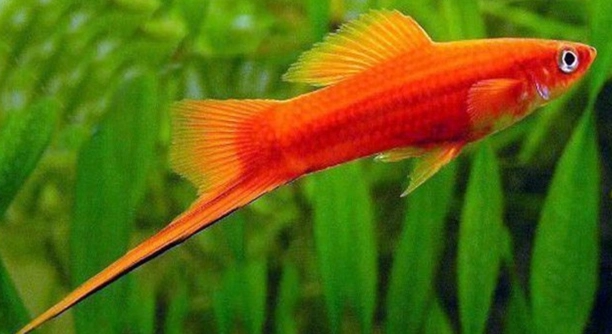
Keeping a swordtail tank clean can be challenging, especially with the busy schedules that many of us maintain. Fish tanks often get dirty quickly, but there are simple ways to restore balance to the environment. A few adjustments can make a difference.
To maintain a clean swordtail tank, regular water changes, proper filtration, and controlling feeding habits are essential. Avoid overfeeding, clean the tank’s surfaces, and ensure the filter is functioning optimally to prevent debris buildup.
These simple fixes will help maintain a cleaner, healthier environment for your swordtails, making tank maintenance less of a hassle in the long run.
Regular Water Changes
A clean tank starts with regular water changes. Swordtail tanks accumulate waste quickly, and if left unchecked, it can cause poor water quality. Aim to replace 25-30% of the water every week. This reduces harmful toxins and maintains a stable environment for your fish.
Changing the water not only clears out debris but also restores essential minerals. Be sure to use water conditioners to neutralize chlorine and chloramine. This simple step ensures your swordtails thrive without stressing over fluctuating water conditions.
Proper water change practices can significantly reduce algae growth and improve filtration performance. Over time, this routine minimizes maintenance and makes tank upkeep manageable. By keeping water fresh, you’re giving your swordtails a healthier living space.
Clean the Filter Regularly
Filters are vital for maintaining tank cleanliness. A clogged filter struggles to remove waste efficiently. Clean the filter every 2-4 weeks, depending on your tank’s size. It’s a small task that yields big results.
Regular filter maintenance helps prevent the buildup of waste and debris. A properly functioning filter helps maintain water quality and reduces the need for excessive water changes. Ensure the filter media is rinsed with tank water to preserve beneficial bacteria.
Control Feeding Habits
Overfeeding swordtails can quickly lead to water quality problems. Uneaten food breaks down and pollutes the tank. Feed your swordtails small amounts twice a day, ensuring they consume everything within a few minutes. This reduces waste and helps keep the tank clean.
If you’re unsure about portion sizes, consider using an automatic feeder or measuring food. Swordtails tend to be opportunistic eaters, so controlling the quantity prevents food from sinking to the bottom, causing excess debris. Monitor feeding behavior and adjust accordingly. A clean tank is much easier to maintain with proper feeding routines in place.
Once you have a feeding routine down, it becomes easier to manage water quality. A well-maintained feeding schedule limits the food waste that could otherwise contribute to algae growth or bacterial blooms. With a little attention, your swordtails will stay happy and your tank will stay cleaner.
Vacuum the Substrate
The substrate in your swordtail tank collects debris over time. Regular vacuuming ensures that waste doesn’t settle and cause issues with water clarity. Use a gravel vacuum to remove debris from the substrate without disturbing the tank too much.
Vacuuming the substrate also helps with nutrient balance. Swordtails benefit from cleaner sand or gravel, and it reduces the chance of ammonia spikes. Aim to vacuum once a week, especially in areas where food or waste may accumulate. Be gentle to avoid disturbing the ecosystem too much, as you want to preserve beneficial bacteria.
Along with regular water changes, vacuuming the substrate helps prevent the buildup of harmful substances. It also encourages a cleaner, more pleasant environment for your swordtails. By staying on top of these tasks, you’ll find that your tank maintenance becomes easier and less time-consuming.
Use Live Plants
Live plants can help keep a swordtail tank cleaner. They absorb excess nutrients, reducing the chances of algae growth. Adding plants like Java moss or Anubias can help create a natural filtration system that benefits both fish and the tank’s overall environment.
By using live plants, you also provide hiding spots for your swordtails, which can reduce stress. Plants improve oxygen levels, leading to better water quality. Over time, your tank will feel more balanced with plants that help filter the water naturally. Their growth adds a beautiful touch while aiding in cleanliness.
Avoid Overcrowding
Overcrowding can lead to increased waste production and poor water quality. Keep your swordtail population in check to ensure the tank stays manageable. Too many fish can stress the filter and lead to excess debris, making tank maintenance harder.
It’s essential to calculate the tank’s capacity based on its size. For swordtails, a 10-gallon tank is typically good for 3-4 fish. Always consider the adult size of your fish and adjust your numbers accordingly. This helps maintain a healthy and sustainable environment for your swordtails, while making cleanup much easier.
Maintain Proper Temperature
Swordtails prefer stable water temperatures around 72-78°F. Fluctuations can stress the fish, leading to health issues and a less stable tank. Invest in a good heater to maintain consistent temperature. A stable environment reduces the growth of unwanted bacteria and algae.
FAQ
How often should I change the water in my swordtail tank?
Water changes should be done every week. A 25-30% water change helps keep the water quality in check. If the tank has a high fish population or heavy feeding, you may need to increase this frequency. Always check the water parameters to ensure your swordtails are living in optimal conditions.
Can I use tap water for my swordtail tank?
Tap water can be used, but it’s crucial to treat it first. Many tap waters contain chlorine or chloramine, which are harmful to fish. Use a water conditioner to neutralize these chemicals. Testing the water for hardness and pH is also important to ensure it suits your swordtails.
What is the ideal tank size for swordtails?
A 10-gallon tank is suitable for a small group of swordtails, about 3-4 fish. For each additional fish, increase the tank size by 5 gallons. Swordtails need space to swim, so always err on the side of providing more room. A larger tank also helps maintain better water quality.
How can I prevent algae growth in my swordtail tank?
To prevent algae growth, reduce the amount of light your tank receives. Limit lighting to 6-8 hours a day and avoid placing the tank in direct sunlight. Regular water changes, proper filtration, and controlling nutrient levels from overfeeding can also help keep algae at bay.
Do swordtails need a filter?
Yes, swordtails require a filter to maintain clean water. A good filter helps remove waste, debris, and harmful toxins. Ensure the filter is appropriate for the tank size and cleaned regularly to avoid clogging. A filter reduces the need for frequent water changes and promotes a healthier environment.
How can I tell if my swordtails are stressed?
Stressed swordtails may display erratic swimming, hiding more often, or appear more aggressive than usual. They may also lose their vibrant colors and become lethargic. Poor water conditions, overcrowding, or inappropriate tank mates can contribute to stress. Address these factors to restore a calm environment.
Can swordtails live with other fish?
Yes, swordtails are generally peaceful and can live with other fish. However, avoid aggressive species that may stress them. Ideal tank mates include peaceful community fish like guppies, tetras, and mollies. Always ensure the fish species are compatible in terms of water conditions and temperament.
What temperature should my swordtail tank be?
Swordtails prefer a water temperature between 72-78°F. Fluctuations in temperature can stress them, leading to health issues. Use a reliable heater and thermometer to maintain a consistent temperature range. It’s also crucial to avoid drastic changes in temperature, which can harm your fish.
How do I deal with swordtail fry in the tank?
Swordtails are livebearers and may produce fry. If you don’t want fry to survive in the main tank, use a breeding box or separate them in a nursery tank. Providing plenty of hiding spots and plants can also reduce the chances of adult swordtails eating the fry.
What is the lifespan of swordtails?
Swordtails typically live for 3-5 years in a well-maintained tank. Their lifespan can be influenced by water quality, diet, and tank conditions. Keeping them in a stable, clean environment will help ensure they live a full, healthy life. Proper care can also help reduce the risk of disease.
Why are my swordtails not eating?
Swordtails may refuse food due to stress, poor water quality, or illness. Check the water parameters first. If they are still not eating, inspect the fish for signs of illness. Also, consider the type of food you’re offering and whether it is suitable for swordtails.
Final Thoughts
Keeping a swordtail tank clean doesn’t require constant effort, but it does demand consistency. By incorporating a few simple routines like regular water changes, proper feeding habits, and filter maintenance, the tank will stay healthier. Monitoring water parameters and sticking to a routine will reduce the risk of problems before they even start. Swordtails are relatively easy to care for, but their environment needs to be maintained for them to thrive. With small steps, you can create a sustainable and healthy habitat for your fish.
The key to maintaining a swordtail tank is to stay proactive. Small tasks such as vacuuming the substrate, controlling algae, and keeping the filter clean will prevent issues from escalating. It is easy to overlook these things, but they directly affect the health of your fish. Paying attention to feeding habits and tank overcrowding will also ensure that the water quality stays balanced. A happy, well-maintained tank will not only support the swordtails but also make maintenance much easier over time.
Finally, remember that every tank is unique, and what works best for one may differ slightly for another. Observe your swordtails and adjust your maintenance practices accordingly. Keep an eye on their behavior and the condition of the tank, making necessary changes when needed. With the right approach, your swordtails will have a long, healthy life in a clean and stable tank environment. By keeping up with the basics, you’ll spend less time on repairs and more time enjoying your fish.

Hello,
If you enjoy the content that we create, please consider saying a "Thank You!" by leaving a tip.
Every little bit helps us continue crafting quality advice that supports the health, happiness, and well-being of pets around the world, for pets of all shapes, sizes, and species.
We really appreciate the kindness and support that you show us!