
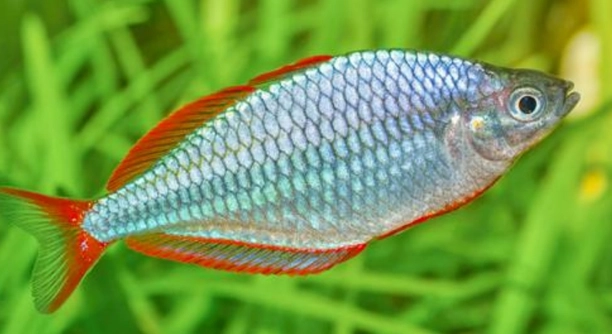
Cloudy water in your rainbow fish tank can be frustrating, but it’s a common issue that many aquarium owners face. Several factors can contribute to murky water, making it harder for you to maintain a clear view of your beautiful fish.
The cloudiness in your rainbow fish tank is often caused by a bacterial bloom, overfeeding, or an inefficient filtration system. Bacteria and excess nutrients cloud the water as they multiply, while poor filtration struggles to keep the tank clean.
Addressing the causes of cloudy water will help you restore a healthy environment for your fish and keep the water clear. We will cover quick and simple fixes to ensure your aquarium stays pristine.
Causes of Cloudy Water in Rainbow Fish Tanks
Cloudy water in rainbow fish tanks is a common issue caused by several factors. Overfeeding is one of the main contributors, as uneaten food can break down and lead to excess nutrients in the water. These nutrients feed bacteria, which can lead to a cloudy, murky appearance. Another common cause is the presence of fine particles, often from new substrate or decorations, which can cloud the water temporarily. Additionally, poor filtration can prevent these particles from being removed. Inadequate filtration may result in the water becoming cloudy quickly, as the filter struggles to process the waste and debris in the tank.
When the filtration system is not powerful enough for the size of the tank or the number of fish, it can’t keep up with the debris and waste buildup. The more fish you have, the greater the filtration required.
Understanding what causes cloudy water will help you take the right steps to correct it. Monitoring your fish’s feeding habits and ensuring the filtration system is suitable for your tank size will make a noticeable difference.
Quick Fixes for Cloudy Rainbow Fish Water
Changing the water is one of the first things you should do when dealing with cloudy water. A 25% to 50% water change can help reduce excess nutrients and debris that are clouding the water. This can provide immediate relief and give your filter a chance to catch up.
Along with regular water changes, you can clean the tank’s decorations and substrate to remove any particles contributing to the cloudiness. Simply siphoning the substrate with a gravel vacuum can help remove dirt without disrupting the tank’s ecosystem.
If the cloudiness persists after cleaning and water changes, consider upgrading your filtration system. A stronger filter will be better equipped to handle the waste load from your fish. Additionally, using a UV sterilizer can help clear up bacterial blooms that often cause cloudy water. This device will kill floating bacteria and restore clarity.
Overfeeding and Cloudy Water
Overfeeding can quickly lead to cloudy water. When you feed your rainbow fish more than they can consume, uneaten food decomposes and releases excess nutrients into the tank. These nutrients contribute to bacterial growth, causing the water to turn cloudy.
To prevent this, feed your fish small amounts that they can finish in a few minutes. This reduces the chances of leftover food that could spoil and cloud the water. It’s important to monitor their feeding habits and adjust portions accordingly. Keeping the food quantity controlled is one of the simplest ways to maintain clean water.
If you’ve overfed in the past, performing a water change can help remove the excess nutrients. Doing this regularly, along with reducing the amount you feed, will prevent further issues. Overfeeding is an easy habit to break, and it’ll lead to clearer, healthier water for your fish.
Filtration Problems and Cloudy Water
A weak filtration system can contribute to cloudy water, as it struggles to filter out waste and debris. If the filter is undersized for your tank or clogged with buildup, it will be ineffective.
Check your filtration system regularly. Make sure the filter is appropriate for your tank size, and clean or replace the filter media when needed. If the filter is not strong enough, consider upgrading to a more powerful one. A better filter will keep the water cleaner by trapping particles and waste more efficiently.
A filtration system that works well will also prevent debris from floating in the water, which can cause the cloudy appearance. Make sure the filter’s flow is directed to all areas of the tank to ensure maximum efficiency. With a good filter, you’ll notice the water stays clearer for longer periods.
Bacterial Blooms and Cloudy Water
Bacterial blooms are a common cause of cloudy water in new tanks. They occur when the bacteria in your aquarium multiply quickly, often due to excess nutrients or a sudden change in the tank environment.
These blooms usually resolve on their own over time, but you can speed up the process by adjusting the tank’s filtration and reducing feeding. Adding a UV sterilizer can also help by killing off the bacteria responsible for the bloom.
In most cases, bacterial blooms are harmless, but they can affect the clarity of your water. If your tank has a lot of organic material or waste, cleaning the tank and reducing excess nutrients will help.
New Substrate and Cloudy Water
When you add new substrate to your tank, it can cause temporary cloudiness. This happens because small particles of dust and debris from the substrate get suspended in the water.
Before adding new substrate, rinse it thoroughly to remove any dust or particles that could cloud the water. Even after rinsing, some cloudiness may persist, but it should clear up within a few hours. If it doesn’t, consider performing a partial water change.
This type of cloudiness is usually harmless and temporary. However, frequent water changes and proper filtration will help keep the water clear as the dust settles.
Cleaning and Water Changes
Regular cleaning and water changes are key to maintaining clear water. Over time, debris and waste can build up in the tank, contributing to cloudiness.
A good rule of thumb is to change 20-25% of the water every week or two. This helps remove waste, prevent the build-up of harmful toxins, and keep your fish healthy. If the water is particularly cloudy, a larger water change may be needed.
Along with water changes, cleaning the tank’s decorations, filter, and substrate will remove excess particles that could be causing cloudiness.
FAQ
Why is my rainbow fish tank water cloudy after a water change?
It’s not unusual for water to appear cloudy after a water change, especially if you’ve disturbed the substrate. Fine particles from the gravel or decorations may have been stirred up, creating temporary cloudiness. Also, if the tank has been overfed or if the filtration system is not strong enough, this can contribute to the murkiness. To clear it up, do a partial water change again, vacuum the substrate, and ensure your filter is working efficiently.
How often should I change the water to prevent cloudy water?
You should aim to change 20-25% of the water every week or two to prevent cloudiness. Regular water changes help remove waste, excess nutrients, and other debris that can cause the water to turn cloudy. In tanks with more fish or if the water becomes cloudy quickly, you may need to change the water more frequently.
Can a UV sterilizer help with cloudy water?
Yes, a UV sterilizer can be effective in clearing up cloudy water caused by bacterial blooms. It works by exposing the water to ultraviolet light, which kills off floating bacteria and algae that contribute to murkiness. Installing a UV sterilizer can also help maintain water clarity over time.
Is cloudy water harmful to my rainbow fish?
Cloudy water itself is not necessarily harmful to your rainbow fish, but it can indicate an imbalance in the tank’s environment. Bacterial blooms, for example, can be a sign of excess nutrients or poor water quality, which may lead to health issues for your fish. Keeping the tank clean and addressing the root cause of the cloudiness will help ensure a healthy habitat for your fish.
How can I tell if my filter is working properly?
A properly functioning filter should keep the water clear by removing waste, debris, and harmful toxins. If the water is still cloudy despite a clean tank, your filter may not be working efficiently. Check for any clogs in the filter media, ensure the filter is the right size for your tank, and confirm that the water flow is adequate. If the filter is old, consider replacing it with a more powerful one.
Can adding too many fish cause cloudy water?
Yes, adding too many fish to your tank can overwhelm the filtration system and increase the amount of waste in the water, contributing to cloudiness. Each fish produces waste that breaks down into nutrients that promote bacterial growth, which can cloud the water. Make sure your tank is not overstocked and that your filtration system is strong enough to handle the waste load.
How can I prevent cloudy water from happening again?
To prevent cloudy water, maintain a consistent water change schedule, feed your fish the appropriate amount of food, and ensure your tank has a proper filtration system. Avoid overstocking your tank, and make sure all new substrates or decorations are rinsed before placing them in the tank. Monitoring your tank’s water quality regularly will help you spot problems early and address them before they affect the water clarity.
Is cloudy water a sign of a new tank syndrome?
Yes, cloudy water is often a sign of new tank syndrome, especially in newly set up aquariums. When you first start a tank, it takes time for beneficial bacteria to establish, which can lead to a temporary bacterial bloom. This cloudiness should resolve on its own within a few days to weeks, depending on your tank’s size and the filtration system in place.
Can I use chemicals to clear up cloudy water?
While there are chemical products available that claim to clear up cloudy water, they are often not a permanent solution and should be used with caution. Chemicals can alter the balance of your tank’s ecosystem and may harm your fish or plants if used incorrectly. It’s generally better to address the root cause of the cloudiness through regular maintenance, water changes, and proper filtration.
What can I do if my filter isn’t removing debris?
If your filter isn’t removing debris effectively, try cleaning or replacing the filter media. Over time, filter pads and cartridges can become clogged, reducing the filter’s ability to remove particles from the water. Ensure the filter is the appropriate size for your tank, and check the flow rate to make sure it’s functioning correctly. If necessary, consider upgrading to a stronger filter to better handle the waste in your tank.
Final Thoughts
Cloudy water in your rainbow fish tank can be frustrating, but it’s a common issue that can be addressed with a few simple steps. The first thing to consider is the cause of the cloudiness. Whether it’s due to overfeeding, bacterial blooms, or a filtration problem, identifying the source will help you take the right action. Regular maintenance is essential, and keeping a clean tank will go a long way in preventing cloudy water in the future.
One of the best ways to avoid cloudy water is to stick to a routine. Regular water changes, proper feeding habits, and efficient filtration are key to maintaining clear water. It’s also important to monitor your tank regularly for signs of cloudiness, as early intervention can prevent the problem from worsening. A good filtration system can significantly improve water quality, so investing in one that’s right for your tank size is worth it.
While cloudy water is often a temporary issue, it’s important to stay on top of your tank’s overall health. If the water remains cloudy despite your efforts, don’t hesitate to check your filtration system or perform another water change. With a little attention and care, your rainbow fish will have a healthy, clear environment to thrive in. Regular upkeep and addressing issues as they arise will help ensure your fish have the best possible home.

Hello,
If you enjoy the content that we create, please consider saying a "Thank You!" by leaving a tip.
Every little bit helps us continue crafting quality advice that supports the health, happiness, and well-being of pets around the world, for pets of all shapes, sizes, and species.
We really appreciate the kindness and support that you show us!