
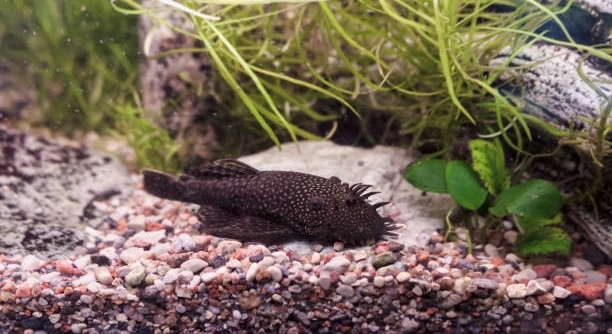
Cloudy water in a pleco tank can be frustrating, especially when you’re trying to maintain a healthy and visually appealing environment. It’s not unusual for aquariums to face issues like this, but it’s important to address them quickly.
The primary cause of cloudy water in pleco tanks is usually poor filtration, excess debris, or bacterial blooms. To fix this, ensure your filter is working efficiently, perform regular water changes, and check for overfeeding or poor water quality.
By understanding what’s causing the cloudiness in the first place, you’ll be able to take simple steps that not only improve water clarity but also promote a healthier environment for your pleco.
Poor Filtration Can Lead to Cloudy Water
When your pleco tank starts looking murky, one of the first things to check is the filtration system. Filters help keep the water clean by trapping debris and harmful particles, so when they’re clogged or not functioning correctly, things can quickly go south. The filter should be checked regularly to ensure it’s working properly. If the filter media is too dirty or old, it won’t be able to do its job, and you might notice cloudiness forming. Depending on your tank size, you may need a stronger filter, or simply one that needs more frequent cleaning. If you have a smaller tank, it’s particularly important to use the right filter size for the volume of water. This way, the filter can maintain water quality and prevent cloudiness.
Keeping a clean filter is key for healthy water. A quick rinse or media replacement will prevent bacteria from building up and making your pleco’s home less than ideal.
Filters should be cleaned regularly to avoid debris buildup. If you haven’t cleaned your filter in a while, it’s time to give it some attention. Additionally, having a filter that fits your tank’s size is vital for keeping the water clear and healthy.
Excess Debris and Overfeeding
Cloudy water can also result from overfeeding your pleco. When you give your fish too much food, they can’t eat it all, and the excess settles to the bottom of the tank. As it decomposes, it adds to the murkiness. This problem worsens if the food isn’t vacuumed up. It’s essential to feed only what your pleco can consume in a few minutes, which will reduce waste. A good rule of thumb is to observe your pleco during feeding time and remove any leftover food. Regularly vacuuming the substrate will also help.
Overfeeding causes waste to build up, which leads to poor water quality. It’s crucial to stick to a feeding schedule and avoid excess food.
By maintaining a strict feeding routine and cleaning up after meals, you can reduce the amount of waste in the tank. This will, in turn, help keep the water cleaner and clearer for longer periods. Keeping track of your pleco’s feeding habits is an easy step to ensure its environment stays as healthy as possible. A clean tank and proper feeding will also reduce the need for more frequent water changes.
Bacterial Blooms Can Cause Cloudiness
Bacterial blooms are another common reason for cloudy pleco water. These occur when there’s an excess of nutrients, such as ammonia or nitrates, in the tank. These nutrients come from uneaten food, waste, or even overstocked tanks. As bacteria multiply rapidly in these conditions, the water can become hazy. Maintaining a balanced environment by monitoring water parameters is crucial for preventing blooms. Testing the water regularly for ammonia, nitrites, and nitrates can help identify potential problems early. A sudden increase in any of these factors usually signals an issue that needs fixing.
To prevent bacterial blooms, keep the tank’s water parameters within a healthy range. This includes performing regular water changes and ensuring your filtration system is up to the task.
Sometimes, you may need to adjust your tank setup to avoid overfeeding or overcrowding. Maintaining a consistent water change routine will ensure bacteria don’t build up too quickly, allowing your pleco to thrive in a healthy, clear environment.
Insufficient Water Changes
If you aren’t doing regular water changes, that could be a reason for cloudy water. Over time, fish waste, leftover food, and other particles build up, causing the water to look murky. In general, it’s recommended to change about 25-30% of the water every 1-2 weeks. This helps remove excess nutrients, waste, and any harmful toxins that may have accumulated. Without regular water changes, the tank’s biological system can’t properly filter out all the pollutants.
Even if you have a filter, water changes are still needed to prevent the buildup of excess waste. Skipping water changes too often will cause the water to cloud, putting your pleco’s health at risk.
Water changes also allow you to clean decorations and substrate, which can trap debris and contribute to poor water quality. By adding this to your routine, your tank will stay healthier and more visually appealing. Proper water maintenance is one of the simplest ways to prevent cloudy water issues in your pleco’s tank.
Overstocking the Tank Can Contribute to Cloudy Water
Overstocking your tank with too many fish can lead to cloudy water. When there are too many fish in the tank, waste levels increase quickly, and the filter can struggle to keep up. This results in poor water quality and cloudiness.
Overcrowding also increases competition for food and oxygen, adding stress to your pleco. Keeping a proper balance of fish will help maintain water clarity and keep your pleco healthy.
Ensuring your tank is adequately stocked allows the filtration system to function properly and helps avoid excess waste. Over time, this will result in clearer water and fewer problems with cloudiness.
Organic Materials Can Break Down in the Tank
Leaves, driftwood, or uneaten food can break down in the tank, causing water to become cloudy. These organic materials decompose slowly, releasing tannins and nutrients that affect the water quality. It’s important to remove any leftover food or dead plant matter promptly.
This will help avoid the buildup of organic material and prevent murkiness. It’s also a good idea to rinse new decorations or plants before adding them to your tank to prevent any unwanted particles.
Cleaning the tank regularly, removing waste, and monitoring the condition of your decorations will keep the water clearer for longer.
FAQ
Why is my pleco’s tank still cloudy after a water change?
Even after performing a water change, your tank may still appear cloudy for several reasons. The water may still have excess nutrients or waste from before the change, and the filtration system might need some time to clear up the remaining particles. It could also be that the filter isn’t working at full capacity, so it’s not removing debris quickly enough. If the cloudiness is caused by a bacterial bloom, it may take a few days for the filter to clear up the water fully. It’s important to check your filter, ensure it’s clean, and avoid overfeeding.
How can I tell if my filter is working properly?
To check if your filter is functioning correctly, start by observing the water flow. If the water isn’t flowing properly or the filter isn’t making noise like it usually does, it may need cleaning or maintenance. You should also test the water regularly to make sure the filter is removing harmful substances like ammonia and nitrites. A simple check involves removing the filter media and inspecting it for debris. If it’s clogged or dirty, clean or replace it. If the filter is older or damaged, consider getting a new one to ensure optimal water quality.
Can cloudy water harm my pleco?
Cloudy water itself doesn’t directly harm your pleco, but the underlying cause might. For example, bacterial blooms or excess waste can lead to poor water quality, which can stress your pleco and make it more susceptible to diseases. In addition, murky water makes it harder for plecos to navigate and find food, which can lead to health problems. Maintaining clean water is essential for the overall well-being of your pleco.
How do I prevent bacterial blooms in my pleco tank?
To prevent bacterial blooms, make sure you’re keeping your tank clean by performing regular water changes. Aim for around 25-30% of the tank volume every 1-2 weeks, depending on your tank’s size and stocking level. Also, avoid overfeeding and remove any uneaten food promptly. Test the water regularly for excess nutrients, especially ammonia, nitrites, and nitrates. If these levels are high, take corrective action immediately, such as improving filtration or increasing the frequency of water changes.
Is it normal for plecos to produce a lot of waste?
Yes, plecos can produce a significant amount of waste, especially larger species. This is because they eat a lot to maintain their size and energy levels. The more waste they produce, the more important it becomes to have a good filtration system and a routine of regular water changes to prevent any build-up that could lead to cloudy water. Overfeeding can make this worse, so it’s best to feed them only what they can consume in a few minutes. Keeping the tank clean and monitoring water parameters will help maintain good water quality.
Can I use a UV sterilizer to clear up cloudy water?
Yes, a UV sterilizer can help clear up cloudy water caused by bacterial blooms or algae. UV sterilizers work by passing the water through a UV light, which kills the microorganisms that cause the cloudiness. However, it’s important to address the root cause of the cloudiness as well. A UV sterilizer is an effective temporary solution, but it won’t fix issues like poor filtration or overfeeding. Use it in combination with other methods like water changes and better filtration to maintain long-term water clarity.
How often should I clean my pleco tank?
You should clean your pleco tank regularly, ideally once a week or every other week. This involves removing uneaten food, vacuuming the substrate, cleaning the filter, and doing a partial water change. How often you clean depends on the size of your tank, how many fish you have, and how much waste they produce. A larger tank with fewer fish will require less frequent cleaning, while a smaller tank with multiple fish may need more frequent maintenance.
What should I do if my pleco’s water is still cloudy despite all efforts?
If your pleco’s tank remains cloudy despite your efforts, it’s a sign that there might be a bigger issue at play. First, make sure your filter is up to the task and that it’s functioning properly. Test your water for high levels of ammonia, nitrites, and nitrates. If these are elevated, consider upgrading your filtration system or increasing water changes. In some cases, you might need to adjust the tank’s stocking levels or reduce feeding. If the water is cloudy due to a bacterial bloom, you might need to use a UV sterilizer or treat the tank with appropriate anti-bacterial solutions.
Does the type of substrate affect cloudiness in my pleco tank?
Yes, the type of substrate can influence the clarity of your water. Fine sand or gravel can trap debris, food, and waste, causing cloudy water if not cleaned properly. Coarser substrates, like larger gravel, may allow waste to settle more easily, but they can be easier to clean and prevent cloudiness if maintained. It’s also important to avoid having too much substrate in the tank, as this can make cleaning harder. A regular vacuuming routine will help prevent waste buildup regardless of the type of substrate you use.
Can water temperature affect water clarity?
Yes, water temperature can affect water clarity, especially if it’s too high. Higher temperatures can speed up bacterial growth, which may lead to a bacterial bloom and cloudy water. It’s essential to maintain a stable, suitable water temperature for your pleco, typically between 75-80°F (24-27°C). Too high or too low temperatures can stress your pleco, and unstable conditions can lead to water quality issues. Make sure your tank’s temperature is monitored and stays within a safe range to avoid this problem.
Final Thoughts
Keeping pleco water clear doesn’t have to be a difficult task, but it does require consistent effort. The most important step is to monitor the water quality regularly. By testing for ammonia, nitrites, and nitrates, you can catch problems before they cause cloudy water. Good filtration is key, as it helps remove debris and excess waste from the tank. However, it’s important to remember that a filter alone won’t keep the water clear if other factors, like overfeeding or overcrowding, aren’t managed. It’s essential to have a well-balanced tank with the right number of fish and to avoid giving your pleco more food than it can consume.
Another essential part of maintaining clear water is performing regular water changes. Removing 25-30% of the water every 1-2 weeks can significantly improve water quality. This helps to remove waste and excess nutrients, which may otherwise cause cloudiness. Additionally, removing uneaten food and debris is crucial for keeping the tank clean. If left in the tank, these particles break down and release harmful substances, making the water murky. Regular cleaning, including vacuuming the substrate and checking decorations, will also help to prevent the buildup of organic material that contributes to cloudy water.
Finally, keep in mind that cloudy water can sometimes indicate an underlying issue, such as a bacterial bloom or poor tank setup. While it’s important to address the immediate symptoms, finding and fixing the root cause will help you maintain a healthy environment for your pleco in the long run. Be patient, as some fixes, like bacterial bloom recovery, can take time. With proper maintenance and attention to detail, you’ll be able to keep your pleco’s water clear and provide it with the best living conditions possible.

Hello,
If you enjoy the content that we create, please consider saying a "Thank You!" by leaving a tip.
Every little bit helps us continue crafting quality advice that supports the health, happiness, and well-being of pets around the world, for pets of all shapes, sizes, and species.
We really appreciate the kindness and support that you show us!