
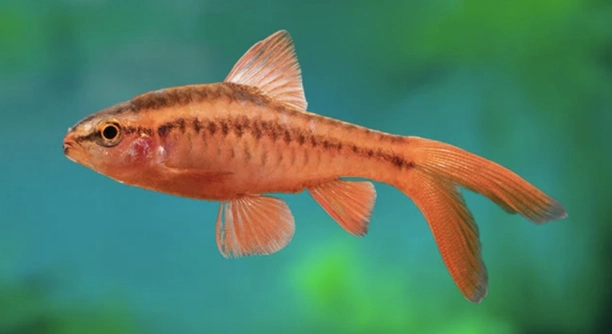
Aggressive behavior in cherry barbs can be a common issue for aquarium owners. This behavior may result from a variety of factors that affect their environment or social structure. Managing it requires some understanding and simple fixes.
The primary cause of aggressive behavior in cherry barbs is often due to overcrowding, poor water conditions, or lack of appropriate tank mates. To resolve these issues, ensure proper tank size, maintain water quality, and provide a balanced group of barbs.
Correcting aggression in cherry barbs is essential to creating a peaceful aquarium environment. With the right adjustments, you can improve their behavior and overall health.
Overcrowding Can Fuel Aggression
When cherry barbs feel cramped, they are more likely to display aggressive behaviors. A tank that’s too small can create stress, leading to territorial disputes and heightened aggression. It’s important to give these fish enough space to feel comfortable. As a general rule, keep a minimum of five to six cherry barbs in a well-sized tank. This not only reduces stress but also helps distribute any aggression among the group, minimizing the chance of one fish being overly dominant.
A cramped environment also leads to a lack of hiding spots, which can contribute to aggressive behaviors. By adding plants and decorations, you can create plenty of places for them to retreat and feel safe. This reduces tension in the tank and encourages a more peaceful environment for your fish.
Proper tank size, around 20 gallons for a small group, ensures that cherry barbs have room to swim and establish their own territories. If overcrowding is addressed early, aggression can be significantly reduced. With enough space, they can focus on swimming and interacting with their environment rather than fighting for survival.
Water Quality Matters
Water quality directly influences the behavior of your cherry barbs. Poor water conditions often make them more irritable. Regular water changes and proper filtration will go a long way in keeping aggression at bay.
Good water quality helps create a healthier and more stable environment for your fish, encouraging better overall behavior. By maintaining these conditions, you’ll foster a more relaxed atmosphere in your aquarium.
Tank Mates Play a Role
Choosing the right tank mates for cherry barbs can make a significant difference in their behavior. Avoid aggressive species that might provoke them, as cherry barbs are peaceful fish.
Barbs thrive with other calm and similarly-sized species, such as tetras or rasboras. These fish won’t compete for territory or engage in constant aggression. If you add other species, be sure they’re not too territorial or active, as this could stress out your cherry barbs, leading to more aggressive behavior. It’s important to research any potential tank mates to ensure harmony.
Adding peaceful species alongside cherry barbs reduces the chances of stress and aggression. With the right mix, you’ll notice a more balanced and peaceful aquarium, where each fish can thrive without feeling threatened. By maintaining a community of compatible species, you enhance the overall health and well-being of your aquarium inhabitants.
Temperature Control Is Key
Temperature fluctuations can lead to stress, triggering aggressive behavior in cherry barbs. Ensure your aquarium maintains a stable temperature of 72–80°F.
Rapid temperature changes affect their metabolism and mood. A consistent, controlled environment promotes a sense of safety, lowering the likelihood of aggression. Investing in a quality heater and thermometer can help maintain this stability, ensuring that your fish remain comfortable. This simple step has a huge impact on reducing stress and aggression levels.
Maintaining the right temperature is also important for the overall health of your fish. Fish under stress due to temperature fluctuations are more susceptible to illness. By providing a stable environment, you not only reduce aggression but also promote the long-term well-being of your cherry barbs.
Feeding Habits Can Influence Behavior
Overfeeding cherry barbs can lead to increased aggression. When fish are not hungry, they tend to become territorial and competitive for food.
Feeding in moderation is key to preventing aggression. Offer small amounts of food multiple times a day, rather than overfeeding at once. This helps maintain a calm and balanced environment.
Overfeeding also leads to poor water quality, which in turn increases stress. This vicious cycle can escalate aggression among fish. Be mindful of how much you feed and how often to keep your tank environment peaceful.
Lighting Conditions Matter
Excessive lighting can cause stress and aggression in cherry barbs. Too much light leads to overstimulation and discomfort for the fish.
Provide dim or natural lighting to create a more peaceful atmosphere. Cherry barbs prefer a calm, dimly lit environment, which reduces their stress levels and encourages better social behavior.
FAQ
Why are my cherry barbs being so aggressive?
Aggression in cherry barbs is often caused by stress from overcrowding, poor water quality, or unsuitable tank mates. A tank that is too small or lacks proper hiding spots increases territorial behavior. Stress also arises from fluctuations in temperature or light, which may cause them to become more irritable. Ensuring that your tank has enough space, clean water, and peaceful companions can help reduce aggression.
How many cherry barbs should I keep together?
Cherry barbs are social fish and should be kept in groups of at least five to six individuals. A small group allows them to form a social hierarchy, which can reduce territorial disputes. Keeping them in a larger group helps distribute any aggression evenly, preventing one fish from becoming overly dominant.
Can cherry barbs live with other species?
Yes, cherry barbs can live with other peaceful species. They tend to do well with small, calm fish such as tetras, rasboras, and other barbs. Avoid aggressive fish like cichlids, which may trigger stress or aggression. When selecting tank mates, make sure they are similar in size and temperament to maintain a balanced environment.
How can I prevent cherry barbs from fighting?
To prevent fighting, ensure your tank is not overcrowded, as this often leads to increased aggression. Provide enough hiding spots, such as plants and decorations, to allow fish to escape from conflicts. Keep the water clean, maintain a consistent temperature, and feed your fish properly. These steps help create a more peaceful environment for cherry barbs.
What water conditions do cherry barbs prefer?
Cherry barbs prefer slightly acidic to neutral water with a pH level between 6.5 and 7.5. They also thrive in soft to moderately hard water. Regular water changes and good filtration are essential to maintain these conditions. Keeping the water temperature stable between 72°F and 80°F helps reduce stress and aggression.
Do cherry barbs need a heater?
Yes, cherry barbs require a heater to maintain a stable water temperature. Temperature fluctuations can stress them out, making them more likely to act aggressively. A reliable aquarium heater ensures the water stays within the ideal range, promoting a healthier, more peaceful environment.
How can I keep my cherry barbs calm?
To keep cherry barbs calm, maintain stable water conditions, avoid overcrowding, and provide plenty of hiding places. Feed them properly without overfeeding, and use natural or dim lighting to prevent overstimulation. Keeping them in a peaceful community tank with compatible species will also help reduce stress and aggression.
Are cherry barbs fin nippers?
Cherry barbs are generally peaceful and do not typically engage in fin-nipping behavior. However, if they feel threatened, stressed, or overcrowded, they may become more territorial and aggressive. Providing enough space and maintaining a calm environment helps prevent fin nipping and other aggressive behaviors.
Can I breed cherry barbs in my tank?
Yes, cherry barbs are easy to breed in a well-maintained aquarium. They breed best in slightly acidic water, with a temperature range between 74°F and 78°F. You can create a breeding environment by providing fine-leaved plants for the eggs to attach to. Once the eggs hatch, remove the adults to prevent them from eating the fry.
How do I reduce aggression in a cherry barb?
To reduce aggression, focus on improving tank conditions. Ensure the tank is large enough, with plenty of space for each fish. Keep the water clean, avoid drastic temperature changes, and make sure there is adequate filtration. Additionally, remove any overly aggressive tank mates and introduce peaceful species that won’t provoke the barbs.
Final Thoughts
Managing aggression in cherry barbs is a straightforward process when the right conditions are provided. The most important factor is to ensure that your tank is appropriately sized. Overcrowding is one of the leading causes of stress and aggression, as fish feel more threatened in tight spaces. By giving your cherry barbs enough room to swim and establish their territories, you can significantly reduce the chances of conflict. A minimum of 20 gallons for a small group of cherry barbs is recommended, allowing them space to move freely and interact without feeling cramped.
Water quality is another crucial element to consider. Cherry barbs thrive in stable, clean environments, so regular water changes and filtration are necessary. Poor water quality not only stresses fish but can also trigger aggressive behaviors. Ensuring that the water is within the appropriate temperature range of 72–80°F and has the right pH levels helps to maintain a peaceful atmosphere in the tank. By monitoring these factors and making adjustments when needed, you create a healthier space for your fish, which will ultimately reduce the likelihood of aggression.
Tank mates also play a role in maintaining a calm environment. Cherry barbs are peaceful fish that prefer the company of similarly sized and non-aggressive species. Avoid adding fish that are overly territorial or dominant, as this can lead to heightened stress and more aggressive behavior. Instead, opt for compatible species such as tetras or rasboras. With the right tank setup, appropriate water conditions, and suitable tank mates, your cherry barbs will be more likely to thrive and display calm, peaceful behavior.

Hello,
If you enjoy the content that we create, please consider saying a "Thank You!" by leaving a tip.
Every little bit helps us continue crafting quality advice that supports the health, happiness, and well-being of pets around the world, for pets of all shapes, sizes, and species.
We really appreciate the kindness and support that you show us!