
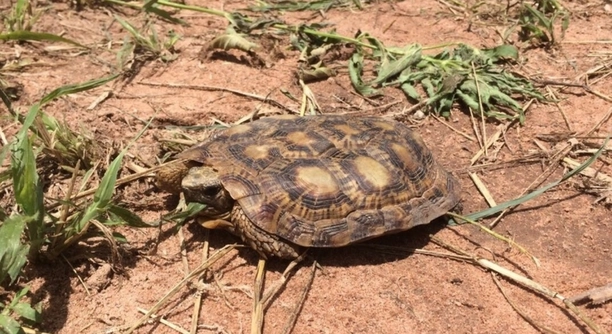
A stressed pancake tortoise can be concerning for any owner. Whether it’s due to its environment or other factors, knowing how to ease its stress is important for its well-being. Here are some quick fixes to help.
To reduce stress in a pancake tortoise, ensure its habitat is calm and stable. A quiet environment, proper temperature, and hiding spots can make a significant difference. Additionally, avoid overhandling, as too much interaction can add to their stress.
Understanding these simple steps will not only help you ease your tortoise’s anxiety but also improve its overall health and happiness. Follow these fixes for a calmer, more comfortable pancake tortoise.
Create a Calm Environment
A pancake tortoise needs a peaceful setting to feel at ease. One of the first things to check is the noise level in their habitat. Too much noise or movement nearby can easily stress them out. Tortoises are naturally shy creatures, and loud sounds or sudden disturbances can cause them to hide or feel anxious.
To keep your tortoise calm, place its enclosure in a quiet area where there’s little foot traffic or noise. This allows them to feel safe and secure. A well-lit space is important, but try to avoid direct sunlight hitting the enclosure constantly, as it can become too hot.
Adding some hiding spots like rocks, plants, or wooden hides gives the tortoise an option to retreat when it feels stressed. This allows it to feel more secure and less likely to panic. Keep the lighting consistent, and avoid sudden changes in the environment to prevent added stress.
Adjust Temperature and Humidity
Proper temperature and humidity are crucial for your tortoise’s comfort.
The ideal temperature for a pancake tortoise’s habitat ranges between 80 to 85°F during the day. If the area is too cold or too hot, it can stress your tortoise. A consistent temperature with a warm basking spot is necessary for them to regulate their body heat.
Humidity is just as important. If the air is too dry, it can lead to dehydration, making your tortoise uncomfortable. A simple way to maintain humidity is to use a small water dish and mist the enclosure lightly. Regularly checking temperature and humidity will ensure they are within the proper range. A stable environment, both in temperature and humidity, keeps your tortoise relaxed and healthy.
Avoid Overhandling
Handling a pancake tortoise too much can cause unnecessary stress. While it’s natural to want to interact with your tortoise, it’s best to limit physical contact. Frequent handling can lead to anxiety and make them more likely to retreat or hide.
When you do interact, make sure it’s gentle and calm. Avoid sudden movements that might startle them. Always let the tortoise approach you if it feels safe. Allow it to roam around the enclosure without constant interference. Keeping handling to a minimum helps your tortoise feel more secure in its space.
If you need to move your tortoise, be gentle and slow. Avoid picking it up too often, especially if it’s already showing signs of stress. Let your tortoise have quiet moments in its habitat without feeling overwhelmed by too much interaction.
Proper Diet
Feeding your pancake tortoise the right foods helps reduce stress. Offer a variety of greens like dandelion leaves, clover, and grasses. Too much fruit can upset their digestion, which can cause stress in the long run.
A balanced diet is essential for their well-being. It’s important to avoid overfeeding or underfeeding. Check the food for any pesticides or chemicals, as these can affect their health. Be sure to feed them fresh food daily and remove any uneaten portions to prevent contamination.
Always provide fresh water and ensure that your tortoise has access to clean drinking water at all times. A healthy diet keeps your tortoise energized and happy, and it also plays a role in reducing any stress it may feel.
Ensure Proper Lighting
Lighting plays a key role in your pancake tortoise’s health and stress levels. Too much direct light can overwhelm them, while too little can affect their overall well-being. A proper light cycle simulates the natural day and night pattern, helping them feel more at ease.
Use UVB bulbs that mimic natural sunlight to help your tortoise absorb calcium and stay healthy. Ensure that the light is placed at an appropriate distance to avoid overheating. Regularly replace the UVB bulbs, as their effectiveness decreases over time.
A balanced lighting setup will not only help keep your tortoise calm but also support its immune system and digestion.
Enclosure Size
The size of your tortoise’s enclosure impacts its stress level. A cramped space can make them feel trapped and uncomfortable.
A larger enclosure gives your tortoise room to roam and explore. It’s important to provide enough space for hiding spots, basking areas, and places for grazing. More room allows your tortoise to engage in natural behaviors, making it feel more secure.
Monitor Health
Regularly check your tortoise for signs of illness or injury. Stress can worsen if your tortoise is unwell or in pain.
If your tortoise seems lethargic, has trouble eating, or displays unusual behavior, it’s crucial to visit a vet. Early detection of health issues can prevent added stress. Keeping an eye on its health ensures your tortoise stays happy and calm.
FAQ
How can I tell if my pancake tortoise is stressed?
Signs of stress in a pancake tortoise include hiding more often than usual, becoming less active, or refusing food. A stressed tortoise may also exhibit more defensive behavior, such as withdrawing into its shell or being more alert. If you notice these changes, it could be a sign that something in its environment needs adjusting.
Can I handle my pancake tortoise every day?
It’s best to limit handling to prevent stress. While occasional gentle handling is fine, frequent handling can cause anxiety. Tortoises are naturally more comfortable in their habitat, and over time, too much interaction can make them feel threatened. Let your tortoise initiate contact if it feels safe.
What is the ideal temperature for a pancake tortoise?
Pancake tortoises thrive in temperatures between 80°F and 85°F during the day, with a basking spot reaching up to 90°F. At night, the temperature can drop to around 70°F. A stable temperature gradient allows your tortoise to regulate its body heat effectively. Ensure no drastic temperature changes occur.
How often should I feed my pancake tortoise?
Feed your pancake tortoise daily. Offer a variety of leafy greens and grasses. Avoid too much fruit or high-fat foods, as they can upset their digestive system. Ensure all food is fresh and free from pesticides. Provide fresh water daily, as hydration is essential for their overall health.
What kind of substrate is best for a pancake tortoise?
A natural substrate, like a mixture of soil and sand, works well for a pancake tortoise. This type of substrate helps maintain humidity while allowing the tortoise to burrow or dig when needed. Avoid using pine or cedar shavings, as these can cause respiratory issues and are not safe for tortoises.
Should I provide a hiding spot for my pancake tortoise?
Yes, hiding spots are essential for helping your tortoise feel safe. Provide rocks, logs, or small shelters where your tortoise can retreat when it feels stressed or needs privacy. These hiding spots mimic the natural environment, giving your tortoise a sense of security.
Can I house more than one pancake tortoise together?
It’s not recommended to house more than one pancake tortoise in a small space, especially if they’re not accustomed to each other. Male tortoises can become territorial, and conflicts may arise. If you want to keep multiple tortoises, ensure their enclosure is large enough to provide separate areas for each.
How can I make my pancake tortoise feel more comfortable in its enclosure?
Ensure your tortoise has enough space to roam, bask, and hide. Include natural elements like rocks and plants for climbing and exploring. Provide a stable temperature and humidity level, and avoid sudden changes. Make sure the enclosure is secure and free from stressors like loud noises or predators.
Can stress lead to health problems in my pancake tortoise?
Yes, prolonged stress can affect your tortoise’s immune system and make it more susceptible to illness. A stressed tortoise may have a weakened appetite, which can lead to nutritional deficiencies. Managing stress helps keep your tortoise healthy and prevents these problems from developing.
How can I reduce stress when cleaning my tortoise’s enclosure?
Clean the enclosure when your tortoise is not in it to avoid disturbing it. Be quick and gentle while cleaning, and avoid drastic changes in its environment. Reintroduce your tortoise to its enclosure calmly once cleaning is complete, ensuring that its habitat remains familiar and comfortable.
Is it safe to use heating pads or lamps for my pancake tortoise?
Yes, heating pads and lamps can help regulate the temperature in your tortoise’s habitat. Just be sure to place them at an appropriate distance to avoid overheating. Use a thermometer to monitor the temperature regularly, ensuring that the environment stays within the ideal range for your tortoise’s comfort.
How do I prevent my pancake tortoise from becoming dehydrated?
Provide fresh water daily and ensure your tortoise has access to it at all times. Misting the enclosure lightly can also help maintain proper humidity, which assists in hydration. Dehydration can cause stress and health issues, so it’s important to keep the water supply clean and fresh.
What should I do if my pancake tortoise isn’t eating?
If your tortoise refuses food, check its environment for stressors like temperature fluctuations, noise, or lack of space. Stress can affect its appetite. If the environment seems fine and your tortoise still refuses to eat for an extended period, consult a vet to rule out health issues.
Can I use chemicals to clean my tortoise’s habitat?
Avoid using harsh chemicals, as they can irritate your tortoise’s respiratory system and harm its skin. Instead, clean the enclosure with mild soap and water, or use natural cleaners like vinegar and water. Always ensure that the enclosure is completely dry before reintroducing your tortoise.
Is it safe to feed my pancake tortoise store-bought food?
While some pre-packaged tortoise food is safe, it’s always better to feed your tortoise fresh, natural foods. Leafy greens, flowers, and grasses should be the primary diet. Store-bought food can lack the nutrients your tortoise needs, so it’s best to avoid it as a staple in their diet.
Final Thoughts
Taking care of a pancake tortoise requires attention to its environment, diet, and overall well-being. These creatures thrive when their habitat mimics their natural surroundings. Providing a calm, quiet environment and maintaining the right temperature and humidity levels can go a long way in reducing stress. By creating an ideal space, your tortoise will feel more comfortable and secure, allowing it to thrive. Remember, stress can have long-term effects on a tortoise’s health, so it’s important to make adjustments as needed to help them feel at ease.
In addition to creating a peaceful environment, proper handling and feeding are key factors in keeping your tortoise healthy. Limiting physical contact and avoiding overfeeding can help reduce unnecessary stress. A balanced diet of fresh, pesticide-free greens and the right amount of water is essential for their overall health. By following these simple steps, you can provide the right conditions for your tortoise to live a happy and healthy life. Regularly monitoring your tortoise’s behavior and health will help you catch any potential problems early and prevent long-term stress.
Ultimately, keeping a pancake tortoise requires patience and care. With the right environment, diet, and attention to their health, you can ensure that your tortoise is comfortable and stress-free. Remember, each tortoise is unique, and their needs may change over time. By staying observant and making necessary adjustments, you can provide a better quality of life for your pet and help it feel safe and secure. A little effort goes a long way in making sure your pancake tortoise remains happy and healthy for years to come.

Hello,
If you enjoy the content that we create, please consider saying a "Thank You!" by leaving a tip.
Every little bit helps us continue crafting quality advice that supports the health, happiness, and well-being of pets around the world, for pets of all shapes, sizes, and species.
We really appreciate the kindness and support that you show us!