
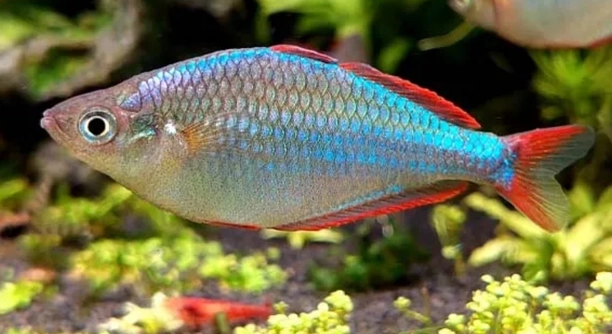
Are your rainbow fish refusing food even though everything else seems fine in their tank? It can feel confusing and frustrating. Understanding the possible reasons behind this behavior can help you figure out what to check first.
Loss of appetite in rainbow fish is commonly linked to poor water quality, illness, stress, or an unsuitable diet. A quick evaluation of tank conditions, feeding habits, and recent changes can often reveal the underlying cause of the problem.
From subtle tank issues to stress-related behavior, these seven checks offer a helpful starting point to get your fish eating again.
Check Water Parameters First
Start by testing the water quality. Even a slight change in parameters like ammonia, nitrites, or pH can affect your rainbow fish’s appetite. These fish are sensitive to changes and may refuse food if the environment isn’t stable. Use a reliable test kit to check for ammonia (should be 0 ppm), nitrite (0 ppm), and nitrate (under 40 ppm). The pH should stay between 6.5 and 8.0, and temperature between 74–78°F. If any values are off, take action with a water change or specific treatment. Stable water is essential to maintain their appetite and overall health.
Watch your fish after a water change. Sometimes, a quick improvement in water quality can lead to visible behavioral changes, like increased activity or interest in food.
A clean, stable environment helps fish feel safe and encourages healthy feeding habits. Monitoring your tank regularly can prevent appetite loss and keep your fish thriving long-term.
Observe for Illness or Physical Changes
Rainbow fish often stop eating when they are sick. Check their appearance and movement for anything unusual. Lethargy, clamped fins, white spots, or rapid breathing can all be signs of illness.
If you notice anything different, isolate the fish if needed and research specific symptoms. Treat with appropriate medication only after identifying what’s wrong. Many illnesses can be managed with quick action, including common ones like ich or bacterial infections. External signs may appear before behavioral shifts. Appetite loss is one of the earliest symptoms. Keep the tank clean, reduce stress, and make sure your fish aren’t being harassed by tankmates. Disease spreads quickly in shared tanks, so always monitor others for similar symptoms. Proper care, consistent water changes, and accurate diagnosis are key when dealing with fish illness. Healthy fish will usually return to regular eating patterns once treated and stress levels drop.
Check for Stress Factors
Changes in the tank can cause stress. New decorations, loud noises, or aggressive tankmates may all affect how your rainbow fish behave, including whether they eat or hide more often.
Stress weakens a fish’s immune system and reduces its appetite. Avoid sudden changes in lighting or tank setup. Make sure your rainbow fish have enough space to swim and places to hide. Tankmates should be peaceful and compatible. If one fish is bullying others, consider removing it or rearranging the tank to break territorial patterns. Even frequent tank cleaning can create stress if it’s too disruptive.
When fish feel secure, they’re more likely to eat and behave normally. Keep the tank in a quiet, low-traffic area of your home. Covering part of the tank with background paper or plants can reduce visual stress. Limit changes to one thing at a time to avoid overwhelming them. Watch their behavior closely after each adjustment.
Review Their Diet and Feeding Routine
Rainbow fish may stop eating if the food offered isn’t suitable. Some fish prefer flakes, others like pellets or frozen options. Try offering small portions of different foods to see what they respond to best.
Check that you’re feeding high-quality products. Avoid food that’s expired, stale, or low in nutrients. A varied diet with flakes, frozen bloodworms, or brine shrimp helps maintain interest and health. Feed in small amounts once or twice daily, and always remove uneaten food after a few minutes. Overfeeding can also reduce appetite and impact water quality. Keeping a regular feeding schedule helps create a predictable routine that supports healthy eating.
Be sure the food is the right size for your fish. Some rainbow fish won’t eat pellets that are too large or hard. Soaking pellets in tank water for a few seconds can make them easier to eat. Changing up the food type once or twice a week helps prevent boredom.
Look for Recent Tank Changes
Changes like adding new fish, adjusting filtration, or moving decorations can affect eating behavior. Rainbow fish need time to adjust. Sudden changes in their environment often lead to reduced appetite for a few days.
Watch how your fish interact after any change. If they seem nervous or hide more than usual, they may need more time to feel safe.
Check for Breeding Behavior
Rainbow fish may stop eating during breeding periods. Males can become territorial, and females may appear less active. You might notice more chasing or brighter colors in one or more fish.
Breeding behavior often shifts their focus away from food. It usually passes in a few days. During this time, keep the tank conditions stable and avoid adding stress. If breeding continues, consider offering high-protein foods to support them. Removing fry or separating pairs may help calm things down if needed.
FAQ
What should I do if my rainbow fish won’t eat for several days?
If your rainbow fish refuses to eat for several days, check water quality first. Poor water conditions can quickly affect their appetite. Ensure the temperature, pH, and ammonia levels are within the right range. If water parameters are fine, check for signs of illness or stress. If the fish still refuses to eat, try offering different foods. A varied diet might trigger their interest. It’s important to observe their behavior and overall health to catch any underlying issues early.
Can stress cause rainbow fish to stop eating?
Yes, stress is a common reason why rainbow fish might stop eating. Changes in their environment, aggressive tankmates, or sudden loud noises can cause stress. Stress weakens their immune system and impacts their feeding habits. Try to identify what might be causing stress and address it quickly. Keeping the tank stable with regular maintenance can help prevent these stressors.
How do I know if my rainbow fish is sick?
Look for changes in behavior and physical appearance. Common signs of illness include lethargy, clamped fins, erratic swimming, faded colors, or lesions on the body. If your fish is hiding more than usual or not swimming with the group, it could be a sign of illness. A sudden loss of appetite is also a red flag. If any of these symptoms appear, you may need to treat your tank for common diseases like ich or fin rot.
Is it normal for rainbow fish to stop eating during breeding?
Yes, it’s normal for rainbow fish to reduce food intake during breeding. Males may become more territorial, and females may seem less active. This change is temporary, usually lasting only a few days. During breeding, it’s crucial to ensure that water conditions are ideal, as the fish are likely focusing on reproduction. If the breeding period lasts longer, consider providing high-protein foods to help the fish stay healthy.
Can I feed my rainbow fish the same food every day?
While it’s possible to feed your rainbow fish the same food every day, it’s better to vary their diet. Offering a mix of flakes, pellets, and live or frozen foods like brine shrimp or bloodworms can help maintain their interest and health. Fish, like people, can get bored with the same food, so switching things up occasionally can encourage better feeding behavior.
Why does my rainbow fish only eat at certain times of the day?
Rainbow fish, like many fish, may develop a feeding routine. They may prefer to eat at specific times of the day, especially if they’ve been conditioned to a regular feeding schedule. Try feeding them at the same time each day to encourage consistency. If your fish isn’t eating at all, check for other issues like stress or illness.
Could tank mates be causing my rainbow fish to stop eating?
Yes, tank mates can play a role in whether your rainbow fish eats. Aggressive or overly dominant tankmates can intimidate them, reducing their desire to eat. Ensure that your tank is filled with peaceful species that won’t harass the rainbow fish. If a specific fish is causing stress, consider removing it or rearranging the tank.
How often should I feed my rainbow fish?
Feed your rainbow fish once or twice a day, offering only as much food as they can consume in a few minutes. Overfeeding can lead to water quality problems and unhealthy eating habits. Watch how much food is left after each meal and adjust accordingly. Fish do better with smaller, more frequent meals.
Can rainbow fish eat too much?
Yes, like any fish, rainbow fish can overeat. Overfeeding can lead to poor water quality and digestive issues. It’s important to remove any uneaten food from the tank to prevent it from decomposing and affecting the water. Feeding them in controlled amounts, ensuring all food is consumed within a few minutes, will keep them healthy.
What are the signs that my rainbow fish is hungry?
Rainbow fish will often show signs of hunger by swimming near the water surface or near feeding times. They may become more active, darting around the tank or begging for food. If they are frequently begging for food but still won’t eat, it’s time to investigate possible environmental or health issues.
Do rainbow fish like to eat in groups?
Yes, rainbow fish tend to be social and will often eat more eagerly when they are with other fish. Keeping them in a group helps them feel secure and reduces stress, making it easier for them to eat. A lack of other fish in the tank can lead to more shyness and decreased food interest.
Can I feed my rainbow fish vegetables?
Yes, rainbow fish can eat vegetables. Blanched spinach, zucchini, or peas can be offered as occasional treats. Vegetables provide essential nutrients and help keep their digestive systems healthy. Be sure to remove any uneaten vegetables after a few hours to prevent them from affecting the water quality.
How do I know if the food I’m offering is suitable for my rainbow fish?
Check the nutritional content of the food. Rainbow fish require a balanced diet that includes protein, vitamins, and minerals. The food should be designed for freshwater fish, specifically species like rainbow fish. If you’re offering live or frozen foods, ensure they are fresh and free from harmful bacteria.
What should I do if my rainbow fish won’t eat frozen food?
If your rainbow fish refuses frozen food, try offering it in smaller amounts or defrosting it before feeding. You can also try soaking frozen food in tank water to soften it. If the fish still refuses it, offer live or freeze-dried food as an alternative.
Can rainbow fish go without food for a few days?
Rainbow fish can survive for a few days without food, especially if the water quality is maintained and they are healthy. However, it’s not ideal to fast them for extended periods. Regular feeding keeps them healthy and encourages natural behavior. If they stop eating for longer periods, check for underlying issues.
Should I remove uneaten food from the tank?
Yes, you should always remove any uneaten food from the tank after a few minutes. Leftover food can decompose, causing poor water quality and attracting harmful bacteria. Removing uneaten food helps maintain a clean environment and reduces the risk of illness.
Final Thoughts
Rainbow fish are generally hardy, but there are several reasons they might stop eating. It’s important to pay attention to changes in their environment, as stress, poor water quality, and even breeding behavior can impact their appetite. Regular water testing and maintaining a stable tank setup are essential for keeping your fish healthy and feeding regularly. If your rainbow fish stops eating, it’s crucial to address the issue quickly to prevent any long-term health problems.
If you notice signs of illness or stress, such as clamped fins, changes in behavior, or a lack of appetite, take action to correct the tank’s conditions. This may include adjusting the water parameters, removing aggressive tankmates, or providing a varied diet. Remember that fish have different feeding habits, and some may need more time to adjust to new environments. It’s always a good idea to keep their routine consistent, including feeding at regular times and offering a mix of food.
While it can be worrying when your rainbow fish doesn’t eat, most issues are temporary and can be resolved with a bit of patience and observation. Ensure your fish are in a stable, stress-free environment, and they will likely return to their normal eating habits soon. If the problem persists or worsens, seeking advice from an aquarium professional may be necessary to rule out more serious concerns.

Hello,
If you enjoy the content that we create, please consider saying a "Thank You!" by leaving a tip.
Every little bit helps us continue crafting quality advice that supports the health, happiness, and well-being of pets around the world, for pets of all shapes, sizes, and species.
We really appreciate the kindness and support that you show us!