
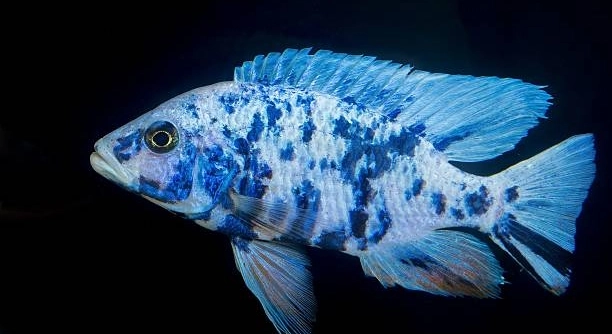
Caring for cichlids can be rewarding, but maintaining proper water conditions is essential for their health and well-being. Many hobbyists overlook small details that can affect water quality and fish behavior. Regular attention makes a difference.
Monitoring cichlid water conditions requires consistent evaluation of temperature, pH, hardness, ammonia, nitrite, nitrate, and cleanliness. Each parameter directly impacts fish health, growth, and breeding success, making systematic checks critical to preventing stress and maintaining a stable aquatic environment.
These seven quick checks will help ensure your cichlids thrive while keeping your aquarium balanced and safe for long-term enjoyment.
Checking Temperature Consistency
Cichlids are sensitive to sudden changes in water temperature. Maintaining a stable temperature prevents stress and supports normal activity. Most African cichlids thrive between 75–82°F, while South American species prefer slightly cooler waters. Using a reliable heater and thermometer ensures the temperature remains steady. Avoid placing the tank near windows or vents, as fluctuating room conditions can affect the water. Observing fish behavior can also indicate temperature issues; lethargy or rapid gill movement often signals discomfort. Regular daily checks help you catch problems early. Even a few degrees outside the optimal range can weaken the immune system, making fish more prone to disease. Small adjustments over time are safer than large, sudden changes. Consistency in water temperature also supports breeding and feeding patterns. Over time, stable conditions reduce stress, improve coloration, and encourage natural behavior. A well-regulated tank makes care easier and promotes healthier fish overall.
Monitoring temperature daily ensures that your cichlids remain healthy and active, preventing stress-related illnesses and promoting natural behavior.
Stable temperatures contribute to fish comfort, growth, and reproduction. Proper equipment and placement reduce risks from environmental fluctuations. Keeping the heater calibrated and observing fish behavior ensures a consistent environment.
Testing pH Levels
Cichlids require specific pH ranges for proper health. Different species have different preferences, making testing essential.
pH affects metabolism, breeding, and immunity. African cichlids often prefer 7.8–8.6, while South American species do better around 6.5–7.5. Fluctuations can stress fish, slow growth, and even impact appetite. Testing kits or electronic meters provide accurate readings. Conduct tests at the same time of day for consistency, as daily fluctuations can mislead results. Adjustments should be gradual; sudden shifts can be more harmful than slightly off-target pH. Using buffers or natural substrates can help maintain stability. Observing water clarity, fish activity, and color can also indicate pH issues. Maintaining a proper pH supports beneficial bacteria, crucial for breaking down waste and keeping ammonia and nitrite low. A consistent pH helps cichlids thrive, reduces disease risk, and encourages healthy breeding behavior. Keeping careful records allows you to notice trends and prevent long-term problems.
Measuring Ammonia Levels
Ammonia is toxic to cichlids even in small amounts. Regular testing ensures levels remain at zero. High ammonia causes gill damage, stress, and illness. Proper filtration and partial water changes help maintain safe conditions consistently.
Ammonia enters the tank mainly from uneaten food, fish waste, and decaying plants. Even small spikes can quickly affect sensitive species. Testing kits provide clear readings and help track trends over time. If ammonia appears, immediate partial water changes and checking the filter efficiency are necessary. Avoid overfeeding and remove debris promptly to reduce buildup. A healthy biological filter encourages beneficial bacteria to convert ammonia into less harmful substances. Keeping ammonia under control protects fish health, supports proper growth, and prevents long-term stress, making the aquarium safer for all inhabitants.
Regular monitoring combined with proper maintenance creates a stable environment. Observation of fish for sudden gasping or unusual behavior helps detect early issues. Routine care prevents toxic conditions and keeps the ecosystem balanced. Maintaining ammonia at safe levels ensures longevity and vitality in your cichlids.
Controlling Nitrite Levels
Nitrite is highly harmful, and even low levels can stress fish. Frequent testing helps prevent dangerous spikes and protects gill function. Keeping nitrite near zero is critical for a healthy tank environment.
Nitrite forms when beneficial bacteria break down ammonia. While part of the natural cycle, accumulation can quickly harm fish. Signs include lethargy, gasping, or pale gills. Immediate partial water changes and careful monitoring reduce nitrite levels. Strong biological filtration supports bacteria that convert nitrite into nitrate safely. Avoid overcrowding, as too many fish can overwhelm the system and increase nitrite rapidly. Maintaining consistent cleaning routines, monitoring waste levels, and feeding appropriately all contribute to controlling nitrite effectively.
Preventing nitrite buildup ensures cichlids remain active, healthy, and resilient. Stable nitrite levels support growth, proper metabolism, and overall well-being, reducing the risk of disease and long-term stress in the aquarium.
Monitoring Nitrate Levels
High nitrate can stress cichlids over time. Keeping levels below 40 ppm supports health and reduces the risk of disease. Regular water changes and proper filtration help manage accumulation effectively.
Frequent testing ensures nitrate remains safe. Overfeeding, poor water circulation, and infrequent cleaning can cause buildup. Plants and live algae help absorb excess nitrates naturally, while consistent partial water changes keep the environment stable. Observing fish for unusual behavior or dull coloration can indicate rising nitrate levels. Maintaining low nitrate promotes energy, proper growth, and longevity in cichlids, preventing chronic stress and enhancing overall tank stability.
Checking Water Hardness
Water hardness influences cichlid health and breeding success. Maintaining species-specific levels ensures proper metabolism and coloration. Use test kits to track both general and carbonate hardness.
Water hardness affects mineral availability and pH stability. African cichlids prefer harder, alkaline water, while South American species thrive in softer conditions. Adjusting substrate, rocks, and buffers helps maintain suitable hardness. Sudden changes can shock fish, impacting feeding and behavior. Consistent monitoring ensures minerals remain balanced, supporting growth, immunity, and natural behavior. Regular testing paired with controlled adjustments keeps the tank stable and safe for all inhabitants.
Observing Water Clarity
Clear water indicates proper filtration and low waste. Cloudy water can signal excess nutrients or bacteria, affecting fish health and visibility.
FAQ
How often should I test my cichlid tank water?
Testing frequency depends on tank size and fish load, but generally, weekly checks are sufficient for stable systems. New tanks or recently added fish require more frequent testing, sometimes daily, to catch imbalances early. Consistency helps prevent stress and disease in cichlids.
What is the safest way to adjust pH?
Gradual adjustments are key. Sudden shifts can shock fish. Use natural methods like crushed coral or driftwood, or commercial buffers designed for cichlids. Always test the water after changes and make small adjustments over several days to avoid stress and maintain stability.
Why are ammonia and nitrite so dangerous?
Ammonia and nitrite are highly toxic even at low levels. They damage gills, reduce oxygen uptake, and cause stress or death. Effective filtration and regular water changes help keep them at zero, ensuring fish remain healthy and active. Monitoring and observation are crucial.
Can I rely solely on water clarity to know water quality?
Clear water does not guarantee safety. Harmful compounds like ammonia, nitrite, and nitrate can still be present. Testing is essential. Observing fish behavior, appetite, and color provides additional clues about water quality, helping catch problems before serious harm occurs.
How can I prevent nitrate buildup?
Regular partial water changes, careful feeding, and efficient filtration reduce nitrate accumulation. Live plants can absorb some nitrates naturally. Avoid overcrowding and remove uneaten food promptly. Monitoring nitrate levels ensures a healthy tank environment and supports fish growth and immunity.
What equipment is necessary for monitoring water conditions?
At minimum, a reliable thermometer, pH test kit, and ammonia/nitrite/nitrate test kits are essential. A heater and filter appropriate for the tank size help maintain stability. Optional tools include carbonate hardness test kits and digital monitors, which simplify tracking multiple parameters consistently.
How do I know if my cichlids are stressed from water issues?
Signs include lethargy, gasping at the surface, clamped fins, or sudden color changes. Appetite loss and unusual hiding are also indicators. Regular monitoring of water parameters combined with careful observation of behavior can prevent chronic stress and long-term health problems.
Can water changes alone maintain good conditions?
Water changes are critical but not sufficient alone. They work best alongside proper filtration, controlled feeding, and regular monitoring. Combined, these practices maintain stable parameters, prevent toxic buildup, and ensure a safe environment for cichlids to thrive.
Is it necessary to use water conditioners?
Water conditioners remove chlorine and chloramine and sometimes bind heavy metals, making tap water safe for fish. Using them is highly recommended, especially during water changes, to prevent chemical stress or gill irritation. Always follow the instructions for dosing carefully.
How long after adjusting water conditions will fish show improvement?
Improvement depends on the parameter and severity of the imbalance. Some changes, like lowering ammonia, can show results within hours, while improvements in growth, coloration, or stress reduction may take days or weeks. Patience and consistent care are essential for long-term health.
Can I mix species with different water requirements?
Mixing species with very different pH or hardness needs can stress fish. It is possible with species that tolerate a similar range, but close monitoring is required. Adjustments should favor the most sensitive species while maintaining safe conditions for all tank inhabitants.
What is the best way to track water parameters over time?
Keeping a log or journal of test results helps identify trends, predict potential issues, and plan water changes or adjustments. Recording daily or weekly readings for temperature, pH, hardness, ammonia, nitrite, and nitrate ensures the tank remains within safe ranges consistently.
How do I handle sudden spikes in ammonia or nitrite?
Immediate partial water changes are necessary. Check filtration efficiency and remove any decaying matter. Monitor fish for stress signs and consider adding beneficial bacteria supplements to help convert toxic compounds. Slow, consistent adjustments prevent further spikes and protect fish health.
Are there natural ways to improve water stability?
Yes, substrates like crushed coral, limestone, or shells buffer pH and hardness. Live plants absorb nitrates and improve oxygen levels. Proper aquascaping with rocks and driftwood can also reduce sudden chemical fluctuations, supporting a more stable environment naturally.
Can I use tap water directly for water changes?
Tap water must be treated to remove chlorine, chloramine, and heavy metals. Using water conditioners ensures it is safe for fish. Failing to treat water can cause gill damage, stress, or death, even if other water parameters are ideal.
How can I make testing less stressful for fish?
Test small water samples from the tank instead of removing large volumes. Avoid shaking or stirring heavily. Conduct tests calmly and efficiently. Returning water quickly and maintaining consistent conditions minimizes stress and keeps fish comfortable during monitoring.
What is the ideal schedule for full maintenance?
A balanced routine includes weekly testing, partial water changes every one to two weeks, and filter cleaning as needed. Substrate vacuuming, plant care, and observation of fish behavior should accompany these tasks. Regular maintenance ensures stable water conditions and reduces sudden issues.
Can poor water conditions affect breeding?
Yes, improper pH, hardness, or temperature can prevent spawning or cause eggs to fail. Stable, species-appropriate water promotes natural breeding behavior, increases survival rates of fry, and encourages healthier offspring over time.
What signs indicate a need to upgrade equipment?
Frequent parameter fluctuations, insufficient heating or cooling, poor filtration, or signs of fish stress indicate equipment may be undersized or failing. Upgrading to appropriate heaters, filters, or test kits ensures consistent water quality and long-term stability for cichlids.
Is there a safe range for all cichlids?
No single range suits all species. African cichlids prefer harder, more alkaline water, while South American cichlids thrive in softer, slightly acidic conditions. Researching the specific needs of each species and maintaining parameters within that range is essential for their health and longevity.
Final Thoughts
Maintaining proper water conditions is one of the most important aspects of keeping cichlids healthy. Even small changes in temperature, pH, or chemical levels can stress fish and affect their behavior. Regular monitoring of key parameters, such as ammonia, nitrite, nitrate, and hardness, ensures a stable environment. Using reliable test kits and recording results can help track trends over time, making it easier to catch problems before they become serious. A consistent routine of partial water changes, filter maintenance, and careful observation allows cichlids to thrive and reduces the risk of illness. Stability in water conditions supports feeding, growth, and overall vitality, which makes caring for these fish much more rewarding.
Water management is not just about avoiding problems; it also encourages natural behavior and enhances the appearance of your cichlids. Fish that live in stable, clean water tend to display brighter colors and are more active. Breeding success improves when water conditions are consistent, and fry survival increases in a well-maintained environment. Observing your cichlids regularly allows you to notice subtle changes in behavior that could indicate water issues. For example, unusual hiding, gasping at the surface, or loss of appetite often points to chemical imbalances or temperature fluctuations. Addressing these issues promptly ensures your fish remain healthy, active, and stress-free. Over time, maintaining these practices becomes part of a smooth routine that keeps your aquarium balanced and enjoyable.
While managing water conditions can seem complicated at first, it becomes simpler with practice. Focusing on a few key factors, such as temperature, pH, and ammonia, while gradually expanding your checks to hardness and nitrate levels, creates a manageable system. Using natural methods like live plants or buffered substrates can also support stability and reduce fluctuations. Remember, consistency is more important than perfection; small daily or weekly actions prevent larger problems later. By staying attentive and organized, your cichlids will thrive in a safe and comfortable environment. Over time, caring for water conditions becomes a habit that benefits both the fish and your enjoyment of the aquarium, making every tank look and function its best.

Hello,
If you enjoy the content that we create, please consider saying a "Thank You!" by leaving a tip.
Every little bit helps us continue crafting quality advice that supports the health, happiness, and well-being of pets around the world, for pets of all shapes, sizes, and species.
We really appreciate the kindness and support that you show us!