
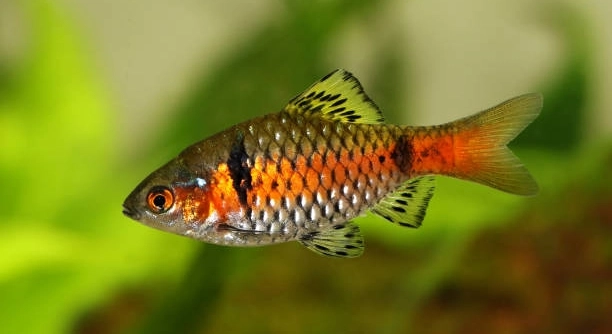
Are your rosy barbs acting differently than usual, showing signs that something might be wrong? Sometimes these colorful fish can seem off without an obvious cause, making it tricky to know what to check first. Keeping an eye on their behavior helps ensure they stay healthy and happy.
When rosy barbs seem off, it is important to assess water quality, feeding habits, tank conditions, and possible diseases. Identifying these key factors helps diagnose issues early and prevents long-term harm to the fish population.
Understanding these questions will guide you to spot problems quickly and provide the best care for your rosy barbs. This knowledge can help keep your fish lively and thriving for a long time.
How Is the Water Quality?
Water quality is the most critical factor when rosy barbs seem off. Poor water conditions can stress fish, causing unusual behavior or illness. Check the water temperature, pH level, and ammonia, nitrite, and nitrate concentrations regularly. Rosy barbs prefer a temperature between 64°F and 72°F and a pH of 6.5 to 7.5. Sudden changes in these parameters can shock the fish. Clean the tank regularly and avoid overfeeding, as leftover food can pollute the water. Using a reliable water test kit helps maintain a safe environment. Also, make sure the filtration system is working correctly to remove harmful substances. Maintaining stable water conditions promotes healthy behavior and vibrant colors in your rosy barbs.
Testing water weekly and keeping the tank clean helps prevent stress and disease.
If water quality is poor, your fish may lose appetite, become lethargic, or develop physical signs like faded colors or fin damage. By maintaining proper water conditions, you ensure the best chance for your rosy barbs to recover quickly and stay active.
Are They Eating Normally?
Loss of appetite is a common sign that something is wrong with rosy barbs. When fish stop eating or show less interest in food, it often signals stress or illness.
Monitor their feeding habits carefully. If they refuse food, try offering different types like flakes, pellets, or live food to see if they respond. Poor water quality, parasites, or internal infections could reduce their appetite. Sometimes, tank mates can bully or scare them away from food. Also, overfeeding can lead to poor water quality, which further affects their health. Keeping a feeding routine helps fish stay healthy and alert.
If appetite loss persists for more than a day, further investigation is necessary to identify the cause and provide appropriate treatment.
Are There Signs of Disease?
Watch for visible signs like white spots, torn fins, or unusual growths on your rosy barbs. These can indicate infections or parasites affecting their health. Behavioral changes such as rapid gill movement or hiding are also important clues.
If you notice any of these symptoms, quarantine the affected fish to prevent spreading disease. Common illnesses include ich, fin rot, and fungal infections. Treatment often requires medication available at pet stores. Maintain clean water and avoid overcrowding to reduce disease risk. Early detection and proper care are essential for recovery.
Disease symptoms can sometimes resemble stress responses, so it’s important to rule out environmental causes first. Observing your fish daily and keeping the tank conditions stable are the best ways to catch problems early and provide timely treatment.
Is the Tank Environment Suitable?
Tank size and setup greatly affect your rosy barbs’ health. A small or overcrowded tank causes stress and aggressive behavior. Rosy barbs need at least 20 gallons for a small group, with plenty of swimming space. Plants, hiding spots, and smooth substrates help them feel secure.
Inadequate lighting or strong currents can also upset their routine. Adjust these factors based on your fish’s behavior. Regular cleaning and monitoring tank equipment ensure a comfortable environment. An ideal setup supports natural activity and vibrant colors.
Pay attention to tank mates, as incompatible species can cause tension or injuries. Creating a balanced community promotes peace and overall well-being for your rosy barbs.
Are There Any Changes in Behavior?
Sudden changes in your rosy barbs’ behavior can signal stress or illness. Look for signs like hiding, erratic swimming, or aggression. These changes often reflect discomfort or poor tank conditions.
If behavior shifts persist, closely examine water quality and tank environment. Addressing these factors early helps your fish return to normal activity.
How Often Is the Tank Cleaned?
Regular tank cleaning is essential for maintaining a healthy environment. Remove uneaten food and waste to prevent toxic buildup. Partial water changes of 20-30% weekly keep water parameters stable and reduce stress on your fish.
Consistent cleaning helps prevent diseases and keeps your rosy barbs vibrant and active.
Are Tank Mates Causing Stress?
Aggressive or incompatible tank mates can stress rosy barbs, leading to hiding or injuries. Observe interactions and separate fish if bullying occurs to maintain harmony in the tank.
What should I do if my rosy barbs stop eating suddenly?
When rosy barbs stop eating, it’s important to check water quality first. Poor water conditions often cause stress or illness that reduce appetite. Test for ammonia, nitrite, nitrate, pH, and temperature. Make sure these are within the ideal range. Also, try offering different types of food like flakes, pellets, or live options to see if they respond better. Sometimes, changing the feeding routine helps. If they still refuse food after a day or two, look for signs of disease or injury. Quarantine affected fish if necessary and consider consulting a vet or experienced aquarist for proper treatment.
How often should I test the water in my rosy barbs’ tank?
Testing water weekly is a good practice for most tanks. Frequent testing helps you catch changes early before they affect your fish. For new tanks, daily tests are better to monitor the cycling process. Keep a log of your readings to notice trends or sudden shifts. If you spot any dangerous levels of ammonia or nitrites, perform a partial water change immediately. Maintaining stable water conditions is key to preventing stress and illness in rosy barbs.
Can overcrowding cause rosy barbs to behave strangely?
Yes, overcrowding is a common reason for odd behavior in rosy barbs. When there are too many fish in one tank, they compete for space, food, and oxygen. This leads to stress, aggression, and sometimes illness. Rosy barbs need at least 20 gallons for a small group. More space allows them to swim freely and reduces conflict. If you notice frequent chasing or hiding, consider moving some fish to another tank or upgrading to a larger aquarium. A comfortable environment promotes calm behavior and good health.
What are the signs of common diseases in rosy barbs?
Common diseases show through visible symptoms like white spots (ich), torn or frayed fins (fin rot), cloudy eyes, or unusual lumps. Behavioral changes such as rapid gill movement, lethargy, or rubbing against objects also signal problems. Early detection is critical. If you notice these signs, isolate the affected fish and begin treatment with appropriate medications. Regular water changes and good hygiene help prevent most diseases. Maintaining proper water parameters also strengthens the fish’s immune system.
How important is tank maintenance for keeping rosy barbs healthy?
Tank maintenance is essential for healthy rosy barbs. It involves regular cleaning, removing leftover food, and changing part of the water weekly. This prevents the buildup of harmful toxins like ammonia and nitrates. Filters should be checked and cleaned without disturbing beneficial bacteria too much. A clean tank reduces stress and lowers the risk of disease. Consistent care also helps keep the water parameters stable, which directly affects fish behavior and appearance.
Can certain tank mates stress out rosy barbs?
Yes, tank mates can either help or harm your rosy barbs’ wellbeing. Aggressive or territorial fish may bully them, causing stress and injury. On the other hand, peaceful species that share similar water needs are good companions. Avoid mixing rosy barbs with large, aggressive fish or slow-moving species that cannot compete for food. Observing the interactions regularly helps you decide if any fish need to be separated to maintain a peaceful tank environment.
Is it normal for rosy barbs to hide sometimes?
It’s normal for rosy barbs to hide occasionally, especially when adjusting to a new tank or after feeding. Hiding provides a sense of security. However, constant hiding or staying in one spot for long periods may indicate stress or illness. Check the tank conditions and look for signs of bullying. If the environment is stable and fish seem healthy, occasional hiding is nothing to worry about. Creating plenty of plants and hiding spots supports their natural behavior.
How can I improve my rosy barbs’ environment to reduce stress?
To reduce stress, provide a spacious tank with at least 20 gallons for a small group. Include plants, rocks, and hiding spots so fish can feel secure. Maintain stable water parameters and clean the tank regularly. Avoid sudden changes in temperature or lighting. Choose peaceful tank mates and feed a balanced diet. Gentle water flow and proper filtration help keep the environment comfortable. A calm, consistent habitat supports healthy behavior and vibrant colors in rosy barbs.
What is the best way to introduce new rosy barbs to an established tank?
Introduce new rosy barbs slowly to avoid shocking the existing fish. Start by floating the sealed bag in the tank for 15-20 minutes to equalize temperature. Gradually mix tank water into the bag over 30-60 minutes to acclimate them to the water chemistry. Then release the new fish gently. Monitor interactions closely for signs of aggression or stress. Quarantining new fish for two weeks before introduction helps prevent disease spread. Taking these steps increases the chances of a smooth transition.
How do I know if my rosy barbs are stressed or just resting?
Resting rosy barbs remain alert and swim calmly near the tank’s bottom or plants. Stressed fish show erratic swimming, loss of appetite, hiding, or color fading. Watch for repeated behaviors like rubbing against objects or gasping at the surface. Stress often follows changes in tank conditions or aggressive encounters. Improving water quality, environment, and diet can help stressed fish recover. Consistent observation is key to distinguishing normal rest from signs of trouble.
When rosy barbs seem off, it’s important to take a step back and carefully check several factors that could affect their health. Water quality is often the first thing to look at because poor conditions cause stress and illness. Keeping the water clean, testing regularly, and maintaining the right temperature and pH will help your fish stay comfortable. Feeding habits also play a big role. Fish that don’t eat or eat less might be showing signs of stress or disease. Offering varied food and watching their behavior can give clues about their condition. Paying attention to these basics can prevent many common problems.
The tank environment matters just as much. Rosy barbs need enough space to swim freely and places to hide when they feel threatened. Overcrowding or incompatible tank mates can cause stress and aggression, which makes fish behave strangely. A well-maintained tank with clean water, proper filtration, and stable conditions helps keep fish calm and healthy. Regular cleaning and water changes prevent harmful buildup that can harm your fish. Watching how your rosy barbs interact with each other and with other fish also helps catch issues early before they become serious.
If you notice signs of illness or behavior that worries you, it’s best to act quickly. Quarantine sick fish and consider seeking advice from experienced aquarists or professionals. Early detection and treatment improve the chances of recovery. Remember that keeping rosy barbs healthy is a balance of good water quality, proper diet, suitable environment, and careful observation. With consistent care and attention, your rosy barbs can thrive and bring life and color to your aquarium for a long time.

Hello,
If you enjoy the content that we create, please consider saying a "Thank You!" by leaving a tip.
Every little bit helps us continue crafting quality advice that supports the health, happiness, and well-being of pets around the world, for pets of all shapes, sizes, and species.
We really appreciate the kindness and support that you show us!