
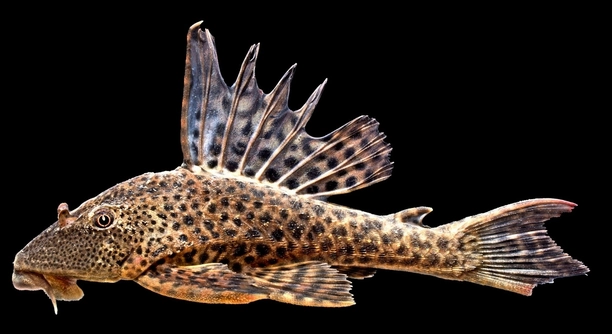
When thinking about adding a plecostomus to your aquarium, there are several important factors to consider. These fish can be beneficial to your tank, but their care requires some attention to detail.
Before acquiring a plecostomus, ensure you understand its tank requirements, diet, size, and compatibility with other fish. Their specific needs may differ depending on the species, so proper research is necessary for a healthy aquarium environment.
Understanding these details will help ensure the plecostomus thrives in your tank while maintaining balance and harmony with other aquatic life.
Tank Size and Space Requirements
The plecostomus is a relatively large fish, and its space needs should not be underestimated. As they grow, they can reach sizes from 12 to 24 inches depending on the species. A small tank simply won’t do for these fish. A minimum of a 75-gallon tank is recommended for the larger varieties. Smaller tanks can result in stunted growth and can stress the fish, leading to potential health issues. Additionally, these fish are active swimmers and need space to move freely, as well as areas to hide, especially during the daytime when they are more reclusive.
Providing enough space in the tank is essential for maintaining the health and well-being of your plecostomus. Larger tanks will allow better water quality, which can help prevent common diseases and stress factors.
A spacious tank will also help with filtration, as plecostomus generate significant waste. Choosing the right size tank ensures that your plecostomus has the freedom to thrive, keeping both the fish and the tank environment in good shape.
Compatibility with Other Fish
Plecostomus are generally peaceful but can sometimes be territorial.
Before introducing a plecostomus to your tank, make sure its tankmates are compatible. Aggressive fish or those that are too small may be at risk, especially during feeding times.
Diet and Feeding Habits
Plecostomus are omnivores and need a varied diet. They primarily feed on algae, but in a tank, they require supplemental food. Algae wafers, vegetables like zucchini, and occasional protein-rich foods like shrimp or fish are essential for a balanced diet. Overfeeding can lead to water quality issues, so it’s important to avoid excess.
These fish are known to help keep your tank clean by eating algae, but they shouldn’t rely solely on algae for nourishment. If there’s not enough algae in your tank, provide a mix of vegetables and specially formulated pellets. Offering variety ensures your plecostomus stays healthy.
Feeding should occur once a day, with a small amount of food to avoid waste buildup. It’s important to observe their feeding habits, as some plecostomus can be shy eaters. Ensure other fish don’t outcompete them for food. Regular feeding, without overdoing it, will prevent malnutrition or obesity.
Filtration and Water Quality
Proper filtration is critical for plecostomus. These fish produce a significant amount of waste, which can quickly degrade water quality. A high-quality filter with adequate capacity is necessary to keep the tank clean and maintain a stable environment.
Regular water changes are also necessary, especially if you have multiple plecostomus or other fish in the tank. Changing 25-30% of the water every two weeks helps remove toxins and replenishes essential minerals. Keep an eye on water parameters like pH, hardness, and temperature. Stable water quality prevents diseases and stress for all tank inhabitants.
Lighting and Tank Setup
Plecostomus prefer dim lighting. Bright lights can stress them out, so a tank setup with shaded areas is ideal. Incorporate caves or driftwood where they can hide during the day. A balanced setup with plant cover will provide a comfortable environment for your plecostomus.
Consider using low-light aquarium plants to help create a natural, shaded environment. These plants can also contribute to water quality by absorbing excess nutrients. Driftwood is another great addition to the tank, not only for hiding but also for promoting natural behaviors.
A properly lit tank will keep your plecostomus comfortable and allow it to thrive in a more natural setting.
Temperature and Water Conditions
Plecostomus prefer stable water temperatures ranging from 74°F to 80°F. Sudden changes in temperature can cause stress, leading to potential health issues. Use a reliable heater to maintain a consistent temperature throughout the year.
In addition to temperature, ensure your tank’s water parameters remain stable, including pH levels between 6.5 and 7.5. Regular monitoring helps keep conditions optimal. Keeping your plecostomus in stable, well-maintained water conditions is crucial to its long-term health.
Lifespan
Plecostomus can live for 10 to 15 years if cared for properly. With adequate space, good water conditions, and a balanced diet, they can reach their full lifespan potential. Regular tank maintenance and proper care can help you enjoy their presence for many years.
FAQ
How big do plecostomus get?
Plecostomus can grow quite large, depending on the species. The most common type, the common pleco, can reach up to 24 inches in length. It’s essential to provide enough space in your tank to accommodate their full size. Smaller tanks will limit their growth and overall health.
How do I know if my plecostomus is healthy?
A healthy plecostomus will have clear, vibrant skin and smooth, unblemished fins. It should be actively swimming and feeding. If your pleco seems lethargic, has damaged fins, or refuses food, it may be a sign of stress or illness. Regular observation helps you spot issues early.
Can plecostomus live with other fish?
Plecostomus are generally peaceful, but they can be territorial. They tend to avoid confrontations but may become aggressive toward smaller or more timid fish, especially during feeding time. It’s best to house them with larger, non-aggressive species to prevent conflicts.
What is the best food for a plecostomus?
Plecostomus are omnivores, so their diet should include both plant-based and protein-rich foods. Algae wafers are a great staple, along with vegetables like zucchini and spinach. Occasionally, you can provide protein sources like shrimp or fish to keep their diet balanced.
How often should I feed my plecostomus?
Feed your plecostomus once a day, offering only as much food as they can consume within a few hours. Overfeeding can lead to water quality issues, so make sure to remove any uneaten food promptly. Regular feeding ensures they get the necessary nutrients without overloading the tank.
Why is my plecostomus not eating?
If your plecostomus is not eating, it could be due to stress, poor water conditions, or a change in its environment. Check your water parameters, as poor water quality can reduce appetite. It could also be stressed by tankmates or inadequate hiding spots.
Do plecostomus need a lot of oxygen in the tank?
Plecostomus are not particularly demanding in terms of oxygen, but they do benefit from well-oxygenated water. Using a good filter and maintaining proper water circulation helps keep the oxygen levels high, especially if you have a densely populated tank.
Can plecostomus live in cold water?
Plecostomus thrive in warmer temperatures, typically between 74°F and 80°F. While they can survive in slightly cooler water, their health will deteriorate in cold environments. If you’re keeping plecos in a cooler tank, use a heater to maintain a stable temperature.
What is the lifespan of a plecostomus?
With proper care, plecostomus can live for 10 to 15 years. Maintaining water quality, providing proper nutrition, and ensuring adequate space will help your plecostomus reach its full lifespan. Regular tank maintenance is key to a long and healthy life for your fish.
Do plecostomus need to be alone in the tank?
While plecostomus don’t need to be kept alone, they prefer plenty of space and hiding spots. Keeping them with other non-aggressive, similarly sized fish can be ideal. Just ensure the tank is large enough to accommodate everyone without overcrowding.
Why is my plecostomus constantly hiding?
Plecostomus are nocturnal by nature, so they may spend most of the day hiding. They are also shy fish and may seek refuge in caves, behind plants, or under driftwood to avoid stress. Providing hiding spots can help reduce their anxiety and make them feel secure.
Can plecostomus live in a tank with plants?
Yes, plecostomus can live in tanks with plants. In fact, adding plants to their environment can help mimic their natural habitat. However, they may nibble on certain types of plants, so choose hardy varieties that can withstand some grazing.
What should I do if my plecostomus is sick?
If you notice signs of illness, such as discoloration, damaged fins, or unusual behavior, isolate the plecostomus in a quarantine tank to prevent spreading any potential illness. Check water parameters and treat the tank if needed. Consulting with an aquarium professional may also be necessary.
How do I properly clean a tank with a plecostomus?
Cleaning a tank with a plecostomus involves regular water changes, ideally 25-30% every two weeks, and ensuring the filter is working efficiently. Since plecostomus contribute significantly to waste production, clean the substrate regularly to prevent buildup. Avoid disturbing your pleco too much during cleaning to reduce stress.
Are plecostomus aggressive toward other fish?
Plecostomus are not typically aggressive, but they can become territorial, especially during feeding. They may chase or try to claim space in the tank. To prevent aggression, ensure plenty of hiding spots and space for other fish. Avoid housing plecos with aggressive species.
How can I tell the difference between male and female plecostomus?
Sexing plecostomus can be tricky, but there are a few subtle differences. Males typically have larger, more developed pectoral fins, which are used for territorial displays. Females may have rounder bodies, especially when gravid, though these differences are most noticeable during breeding.
Final Thoughts
Plecostomus are fascinating fish that can be an excellent addition to your aquarium, provided they are given the right care. These fish help maintain a clean tank by consuming algae, but their care requirements go beyond just feeding them algae wafers. They need a balanced diet, proper water conditions, and plenty of space to thrive. Without proper attention to these aspects, plecostomus can become stressed or even develop health problems. Understanding their needs is key to ensuring their long-term health and happiness.
Choosing the right tank size is also crucial. While plecostomus can grow quite large, they often end up in smaller tanks, leading to cramped living conditions that can affect their well-being. It’s important to give them a spacious environment to move around freely. Adding appropriate tankmates, such as non-aggressive species, can help create a peaceful atmosphere. Providing enough hiding spots, like caves or driftwood, allows them to feel secure and reduces stress. A stable water temperature, filtration, and lighting are also essential to maintain the ideal environment for your plecostomus.
Overall, with the right care, plecostomus can live for many years and offer numerous benefits to your aquarium. They play an important role in keeping your tank clean while being relatively low-maintenance. However, to keep them healthy and happy, you must stay on top of water quality, diet, and tank maintenance. By paying attention to their needs, you’ll be rewarded with a thriving plecostomus and a beautiful, well-balanced tank.

Hello,
If you enjoy the content that we create, please consider saying a "Thank You!" by leaving a tip.
Every little bit helps us continue crafting quality advice that supports the health, happiness, and well-being of pets around the world, for pets of all shapes, sizes, and species.
We really appreciate the kindness and support that you show us!