
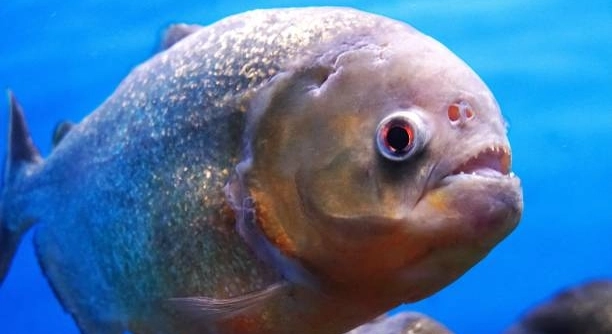
Owning a pet piranha can be an interesting experience for many fish enthusiasts. These fish are known for their sharp teeth and unique behavior. Before bringing one home, it’s important to consider several key factors about their care and environment.
Pet piranhas require specific tank conditions, a proper diet, and careful handling to ensure their well-being. Understanding their needs and potential risks is essential for responsible ownership and to maintain a healthy aquatic habitat.
Knowing these essentials will help you make a well-informed decision. The following questions cover important aspects to consider before getting a pet piranha.
What Kind of Tank Does a Piranha Need?
Setting up the right tank is the first step when getting a piranha. These fish need plenty of space to swim comfortably. A tank of at least 20 gallons is usually recommended for one piranha, but larger tanks are better if you plan to keep more than one. The tank should have a secure lid because piranhas can jump. Water quality is very important, so a good filter is necessary to keep the water clean and oxygenated. The temperature should stay between 75 to 80 degrees Fahrenheit, and the pH level should be slightly acidic to neutral. You will also want to add some hiding places like plants or decorations, which can help reduce their stress.
It’s important to maintain these conditions consistently for the fish’s health and comfort.
Proper tank setup helps avoid stress and illness, which can be common problems if piranhas are kept in unsuitable environments. Regular water checks and tank cleaning are essential for their long-term well-being.
What Do Piranhas Eat?
Piranhas are often thought of as dangerous meat-eaters, but their diet is more varied than people think. In the wild, they eat fish, insects, and plant matter. In captivity, feeding them a balanced diet is crucial. High-quality pellets designed for carnivorous fish can form the base of their diet. Supplementing this with fresh or frozen foods like bloodworms, shrimp, and small fish provides necessary protein and nutrients. It’s important not to overfeed because leftover food can spoil the water quality. Feeding them two to three times a week is usually enough. Live food is also acceptable but should be offered carefully to avoid introducing diseases. A well-balanced diet helps piranhas stay healthy, energetic, and less aggressive.
Feeding your piranha correctly supports their health and reduces problems related to poor nutrition. Learning about their diet keeps your pet thriving in its tank.
Are Piranhas Aggressive?
Piranhas have a reputation for aggression, but their behavior depends on several factors. They can be territorial, especially in small tanks or when stressed. Proper care and enough space reduce aggressive tendencies significantly.
Aggression often arises when piranhas feel threatened or compete for food. Keeping them in groups of at least four can help spread aggression and create a natural social structure. However, overcrowding should be avoided, as it leads to stress and fighting. Providing plenty of hiding spots helps them feel secure, reducing conflicts. Feeding them regularly and avoiding sudden movements around the tank also calm their behavior. Understanding their natural instincts helps manage their aggression effectively and creates a safer environment.
When piranhas are healthy and well cared for, aggression is usually limited to brief displays. They do not constantly attack but may show warning signs like chasing or biting if provoked.
How Long Do Piranhas Live?
Piranhas typically live between 8 and 10 years in captivity with proper care. Their lifespan depends on diet, tank conditions, and stress levels. A stable environment extends their life and keeps them active.
To help your piranha live a full life, it’s important to maintain clean water, stable temperature, and a nutritious diet. Regular tank maintenance and avoiding overcrowding reduce illness and stress. Monitoring your fish for signs of disease or injury allows early treatment, which improves survival chances. Healthy piranhas show bright colors and active swimming, signs they are thriving. Giving them good care creates a rewarding experience and helps your pet reach its full lifespan.
Can Piranhas Live with Other Fish?
Piranhas are generally not good tank mates for most fish due to their aggressive and territorial nature. They may attack smaller or slower fish, especially if hungry or stressed.
Choosing the right companions is difficult. Only very large, fast, or robust fish might coexist, but this comes with risks and careful monitoring.
How Much Time Does Caring for a Piranha Take?
Daily care for a piranha includes feeding and checking tank conditions. Weekly tasks involve water changes and cleaning the tank to maintain a healthy environment. This routine helps prevent illness and keeps the fish comfortable.
Are Piranhas Safe to Handle?
Handling piranhas is not recommended because they have sharp teeth and can bite if stressed or frightened. It’s safer to use nets or tools when moving them.
What Should You Know About Piranha Legalities?
Some places have laws restricting or banning piranha ownership due to their potential environmental risks. Always check local regulations before getting one.
FAQ
How often should I change the water in my piranha’s tank?
Changing the water regularly is crucial to keep your piranha healthy. Aim to replace about 25% of the tank water once a week. This helps remove waste, leftover food, and toxins that build up over time. Using a water conditioner to remove chlorine and other harmful chemicals is important before adding new water. Regular partial water changes keep the water clean without shocking the fish. Avoid changing all the water at once because it can stress your piranha and disturb beneficial bacteria in the tank.
Can piranhas be kept alone or should I get more than one?
Piranhas are social creatures and usually do better in groups of at least four. Keeping just one can cause loneliness or stress, but too many can cause aggression. A small group helps spread out their natural aggressive behavior. However, each piranha needs enough space to avoid fighting, so a larger tank is needed for multiple fish. If space is limited, a single piranha may be easier to care for but watch for signs of boredom or stress.
What signs show that my piranha is healthy?
A healthy piranha swims actively, has bright eyes, and clear scales. Their fins should be intact without tears or discoloration. Eating regularly without hesitation is a good sign too. Watch for changes in behavior, such as lethargy or hiding too much, which may indicate illness or stress. Clear water and a clean tank environment also support good health. If your piranha looks dull or has unusual spots, it may need attention or veterinary care.
Are piranhas noisy or disruptive pets?
Piranhas are quiet fish and do not make noise. They are peaceful in terms of sound but may cause disruption if aggressive toward tank mates or if the tank lid isn’t secure. You won’t hear anything from them, making them good for quiet spaces, but tank maintenance and feeding can require some daily attention.
How big do piranhas get?
Most common pet piranhas grow to about 8 to 12 inches in length. Size depends on the species and care conditions. Larger tanks help them reach their full size comfortably. Keeping them in small tanks can stunt their growth and lead to health problems. It’s important to prepare for their adult size when setting up the tank to avoid future stress or injury.
Is it true that piranhas can bite through glass?
No, piranhas cannot bite through glass. Their teeth are sharp, but aquarium glass or acrylic tanks are strong enough to contain them safely. However, they can bite fingers or other objects placed in the tank, so caution is needed when handling or cleaning.
Can I feed my piranha vegetables or plant-based food?
Piranhas are mostly carnivorous but can eat some plant matter occasionally. Small amounts of leafy greens or vegetables like peas can be offered, but the main diet should be protein-rich. Too many plants may upset their digestion or cause nutritional imbalance. It’s best to stick mostly to meat-based foods and use plants as a minor supplement.
How do I know if my piranha tank is too small?
Signs of a small tank include aggressive behavior, slow growth, and poor water quality. If your piranha seems stressed, hides constantly, or fights with others often, space might be the problem. A cramped tank also makes it harder to keep the water clean. Upgrading to a larger tank gives your fish room to swim and reduces stress, improving their overall health.
Can piranhas jump out of their tank?
Yes, piranhas can jump, especially if startled or if the water quality is poor. This is why a tightly fitting lid is important to prevent escapes. Keeping the tank environment calm and stable helps reduce jumping behavior. Avoid tapping the glass or making loud noises near the tank.
What should I do if my piranha bites me?
If you get bitten, wash the wound immediately with soap and water. Apply an antiseptic and keep an eye out for signs of infection. Piranha bites can be painful due to their sharp teeth. If the wound is deep or bleeding heavily, seek medical attention. To avoid bites, never put your hands in the tank without a tool or protective gloves. Handling the fish should always be done carefully and only when necessary.
Are piranhas suitable pets for beginners?
Piranhas can be kept by beginners but require commitment to tank maintenance, diet, and water quality. Their specific needs and potential aggression mean you must be prepared to learn and follow proper care routines. If you enjoy keeping fish and are willing to research, piranhas can be rewarding pets. However, they are not as low-maintenance as some other fish and need careful handling.
Can piranhas breed in captivity?
Breeding piranhas in captivity is possible but challenging. They need specific water conditions and plenty of space. Spawning usually occurs in the wet season with slightly cooler water. If breeding happens, the parents can become aggressive toward the eggs or fry, so separating them may be necessary. Successful breeding requires experience and close monitoring.
Is it okay to keep piranhas with other aggressive fish?
Keeping piranhas with other aggressive fish is risky. Aggression can escalate, leading to fights and injuries. Only very large and robust species might tolerate each other, but careful observation is needed. Most experts recommend keeping piranhas separate to avoid stress and harm. Mixing fish species always carries some risk, so consider carefully before attempting it.
How often should I test the water in my piranha tank?
Testing water weekly is recommended to ensure proper pH, ammonia, nitrite, and nitrate levels. Keeping these parameters stable prevents health problems. You can use simple test kits available at pet stores. Frequent testing helps catch issues early before they affect your piranha’s well-being.
What temperature is best for a piranha tank?
The ideal temperature for a piranha tank is between 75 and 80 degrees Fahrenheit. Maintaining a stable temperature in this range supports their metabolism and immune system. Sudden temperature changes can cause stress and illness, so using a reliable heater and thermometer is important.
This FAQ covers many key points to help care for pet piranhas responsibly and enjoyably.
Keeping a pet piranha can be a unique and interesting experience, but it is important to understand their needs before deciding to bring one home. These fish require specific care, including the right tank size, water conditions, and diet. Making sure you provide a proper environment helps the piranha stay healthy and live a longer life. It also reduces problems like aggression and illness. Taking time to learn about their behavior and requirements is a key part of responsible pet ownership.
Piranhas are not like typical fish you might find in a pet store. They have sharp teeth and can show aggressive behavior, especially if they feel stressed or crowded. This means handling them needs extra care and caution. It is also important to check local laws because some areas have restrictions on owning piranhas. Knowing these facts before getting one will help you avoid surprises and ensure you can provide the care they need.
Overall, owning a piranha can be rewarding if you are prepared for the responsibility. They need attention to their tank’s water quality, a balanced diet, and enough space to swim. Keeping them in a clean, well-maintained environment makes a big difference in their health and behavior. If you are willing to put in the effort and learn how to care for them properly, piranhas can be fascinating pets to watch and care for. Just remember that they are living creatures with special needs, so always prioritize their well-being.

Hello,
If you enjoy the content that we create, please consider saying a "Thank You!" by leaving a tip.
Every little bit helps us continue crafting quality advice that supports the health, happiness, and well-being of pets around the world, for pets of all shapes, sizes, and species.
We really appreciate the kindness and support that you show us!