
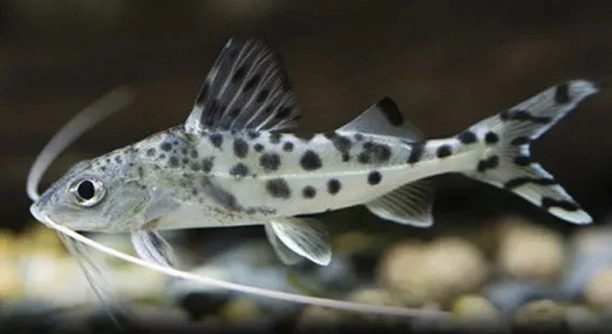
Are you thinking about adding a Pictus Catfish to your aquarium? These fish are known for their active nature and striking spotted patterns. Many hobbyists enjoy keeping them, but it’s important to prepare before making a purchase.
Before buying a Pictus Catfish, consider their size, tank requirements, diet, temperament, water conditions, compatibility with other fish, and lifespan. Understanding these factors helps ensure a healthy environment and a happy fish in your aquarium.
Knowing these key points will help you make a confident decision and provide the best care for your new catfish friend. The following questions will guide you through what matters most.
What Size Tank Does a Pictus Catfish Need?
Pictus Catfish can grow up to 5 inches long, so they require enough space to swim comfortably. A tank of at least 30 gallons is recommended to accommodate their active behavior. Smaller tanks can lead to stress and health problems. These fish like to explore the bottom and middle layers of the tank, so having plenty of open swimming space is important. They also need hiding spots like plants or caves to feel secure. Proper filtration is necessary because Pictus Catfish prefer clean, well-oxygenated water. Regular water changes help maintain good conditions. If the tank is too small, the fish may become aggressive or shy, which affects their well-being. Planning for a larger tank ensures the fish can thrive and live longer.
A 30-gallon tank provides enough room for Pictus Catfish to swim freely and remain healthy. Small tanks should be avoided.
When setting up the tank, include smooth substrate and decorations without sharp edges. These catfish have sensitive barbels that can be injured easily. Avoid overcrowding the tank with other fish to reduce stress and aggression. A spacious environment mimics their natural habitat and encourages natural behavior, keeping the fish active and lively. Consider tank mates carefully, choosing peaceful species that won’t compete for the same space. Providing proper space from the start is key to enjoying a healthy Pictus Catfish.
What Does a Pictus Catfish Eat?
Pictus Catfish are omnivores with a preference for protein-rich foods. In the wild, they feed on small insects, crustaceans, and plant matter found near the riverbed. In captivity, their diet should include sinking pellets, frozen or live bloodworms, brine shrimp, and occasional vegetables like zucchini or peas. Feeding a varied diet helps maintain their health and vibrant colors. Avoid overfeeding, as uneaten food can pollute the tank and cause water quality issues. Feeding them once or twice daily in small amounts is best.
Feeding them a balanced diet ensures their energy and growth.
Pictus Catfish use their sensitive barbels to find food on the tank bottom. They are most active during the evening or night, so feeding them during these times can encourage natural foraging behavior. Adding live or frozen food occasionally helps provide essential nutrients and keeps their appetite stimulated. Vegetables should be blanched to soften them for easier digestion. Observing their eating habits will help you adjust portions and diet types. A proper diet contributes to a strong immune system and reduces the risk of diseases. Keeping their feeding routine consistent supports their well-being and makes caring for them easier.
What Water Conditions Are Best for Pictus Catfish?
Pictus Catfish thrive in clean, well-oxygenated water with stable conditions. The ideal temperature range is between 75°F and 81°F, and the pH should be slightly acidic to neutral, around 6.5 to 7.5.
Maintaining stable water parameters is essential for their health. Sudden changes in temperature or pH can stress the fish and make them prone to disease. Using a reliable heater and regular water testing helps keep conditions steady. These catfish also prefer moderate water flow and good filtration to mimic their natural river habitat. Proper aeration is important because they need high oxygen levels, which can be achieved with air stones or strong filters. Regular partial water changes keep the tank clean and prevent the buildup of harmful substances like ammonia and nitrates.
Monitoring water quality daily is a good practice to catch any issues early. Avoid overcrowding the tank, as this can reduce oxygen and worsen water quality. Keeping the environment stable helps your Pictus Catfish stay active and healthy for years.
How Does a Pictus Catfish Behave in a Community Tank?
Pictus Catfish are social fish that do well in groups of at least three or more. They are generally peaceful but can become territorial if the tank is too small or crowded. They usually stay near the bottom but may swim throughout the tank.
When kept in a community tank, Pictus Catfish interact well with other peaceful species. They are active swimmers and often chase each other playfully, which adds life to the aquarium. However, they are nocturnal and more active during low light or at night. It’s best to avoid slow-moving or delicate fish that might be stressed by their activity. These catfish use their barbels to explore the tank floor, so substrate type affects their comfort. Smooth gravel or sand works best to prevent injury. Watching their behavior regularly helps detect signs of stress or aggression early.
Adding plants and hiding places reduces tension and provides safe spots for shy fish. Pictus Catfish thrive in well-planned community tanks where all species have enough space and compatible temperaments.
How Long Do Pictus Catfish Typically Live?
Pictus Catfish generally live between 8 to 10 years with proper care. Their lifespan depends on maintaining good water quality and a suitable diet. Stress and poor conditions can shorten their life significantly.
Regular tank maintenance and feeding a balanced diet are key to helping them reach their full lifespan.
Are Pictus Catfish Easy to Care For?
Pictus Catfish require moderate care. They need a clean tank, stable water conditions, and a proper diet. While not the best choice for beginners, those willing to maintain their environment can successfully care for them.
Proper preparation and attention will make keeping these fish manageable and rewarding.
What Are Common Health Issues?
Pictus Catfish can face health problems like fin rot, parasites, and barbel damage. Poor water quality and stress increase these risks.
Keeping the tank clean and observing fish behavior can help prevent and catch illnesses early. Prompt treatment is important to avoid worsening conditions.
What is the ideal tank size for Pictus Catfish?
Pictus Catfish need at least a 30-gallon tank because they are active swimmers and can grow up to 5 inches. A larger tank helps reduce stress and allows them space to explore. Overcrowding can cause aggression and health problems.
Can Pictus Catfish live with other fish?
Yes, they can live in community tanks with peaceful fish. Avoid slow or very small fish, as Pictus Catfish might outcompete or stress them. Groups of Pictus Catfish do best with enough room and hiding spots to reduce territorial behavior.
How often should I feed my Pictus Catfish?
Feeding once or twice daily with small portions is ideal. Overfeeding leads to poor water quality and health issues. Their diet should include sinking pellets, frozen or live protein foods, and occasional vegetables.
What water temperature is best for Pictus Catfish?
They prefer water between 75°F and 81°F. Keeping temperature stable prevents stress and illness. Use a heater and thermometer to maintain a consistent environment.
Do Pictus Catfish need special water conditions?
Yes, they thrive in clean, well-oxygenated water with moderate flow. The pH should be between 6.5 and 7.5. Regular water changes and good filtration are essential to keep the water healthy.
How can I tell if my Pictus Catfish is stressed?
Signs of stress include hiding constantly, loss of appetite, or clamped fins. Stress often results from poor water quality, overcrowding, or sudden changes in the tank. Checking water parameters and tank conditions regularly helps prevent stress.
Are Pictus Catfish nocturnal?
Yes, they are mostly active during the evening and night. Feeding during these times encourages natural foraging behavior. During the day, they may rest or hide more.
What substrate is best for Pictus Catfish?
Smooth sand or fine gravel is best. Rough or sharp substrates can damage their sensitive barbels, which they use to explore their surroundings. A safe substrate supports their health and comfort.
How long do Pictus Catfish live?
With proper care, they live around 8 to 10 years. Good diet, water quality, and a stress-free environment are key to their longevity.
What are common health issues in Pictus Catfish?
They can suffer from fin rot, parasites, and barbel injuries. These problems often come from poor water conditions or rough tank mates. Early detection and treatment are important.
Is it necessary to keep Pictus Catfish in groups?
While not mandatory, they are social fish and feel safer in groups of three or more. Group living encourages natural behavior and reduces stress.
Can Pictus Catfish jump out of the tank?
Yes, they can jump, especially if startled or if water quality is poor. A tight-fitting lid is recommended to prevent escapes.
Do Pictus Catfish require plants or decorations?
Yes, plants and hiding spots help them feel secure. They enjoy caves and dense vegetation where they can hide and rest. These also reduce aggression in the tank.
How do I clean the tank without harming Pictus Catfish?
Use gentle water changes and avoid disturbing their hiding places. Clean filters regularly and test water parameters often to keep conditions safe and stable.
Can Pictus Catfish be kept with aggressive fish?
No, aggressive fish may harm or stress Pictus Catfish. Choose peaceful tank mates to ensure a calm environment. Avoid fin-nippers or overly territorial species.
What should I do if my Pictus Catfish stops eating?
Check water quality and tank conditions first. Stress or illness may cause loss of appetite. Try offering live or frozen food to stimulate interest. If the problem continues, seek advice from a vet or specialist.
Are Pictus Catfish suitable for beginners?
They require moderate care and attention to water quality. Beginners should be ready for regular tank maintenance and monitoring to keep these fish healthy.
How can I encourage natural behavior in Pictus Catfish?
Provide a spacious tank, good filtration, hiding spots, and a varied diet. Feeding during low light times also helps mimic their natural habits.
Do Pictus Catfish reproduce in home aquariums?
Breeding is rare and difficult in home tanks because they need specific conditions. Most hobbyists keep them primarily as pets without breeding attempts.
What is the best way to introduce Pictus Catfish to a new tank?
Acclimate them slowly to the tank water by floating the bag and gradually mixing tank water in. This reduces shock from temperature or chemical differences and helps them adjust safely.
When considering adding a Pictus Catfish to your aquarium, it is important to be fully prepared for their needs. These fish require a suitable tank size, clean and stable water conditions, and a balanced diet to thrive. They are active swimmers who enjoy having plenty of space, so a tank of at least 30 gallons is necessary. Without enough room, they may become stressed or show signs of aggression. Monitoring water temperature and quality regularly helps keep them healthy and happy. Providing hiding places like plants or caves also supports their natural behavior and helps reduce stress.
Taking care of Pictus Catfish involves understanding their behavior and feeding requirements. They are generally peaceful fish that do well in groups, especially when kept with compatible tank mates. Feeding them sinking pellets, frozen or live protein foods, and some vegetables ensures they get the nutrition they need. Overfeeding should be avoided, as it can cause water pollution and health problems. These catfish are mostly active during low light or nighttime, so feeding during these times encourages natural habits. Keeping their environment stable and avoiding sudden changes makes a big difference in their overall well-being.
In summary, owning Pictus Catfish can be rewarding if their needs are met consistently. They live for several years when cared for properly and can add activity and interest to a community tank. While not the easiest fish for beginners, those willing to maintain good water quality and pay attention to their diet will find them enjoyable to keep. By preparing your tank correctly and understanding these fish, you create an environment where Pictus Catfish can thrive and live a healthy life. This thoughtful approach will help you enjoy their lively presence for many years.

Hello,
If you enjoy the content that we create, please consider saying a "Thank You!" by leaving a tip.
Every little bit helps us continue crafting quality advice that supports the health, happiness, and well-being of pets around the world, for pets of all shapes, sizes, and species.
We really appreciate the kindness and support that you show us!