
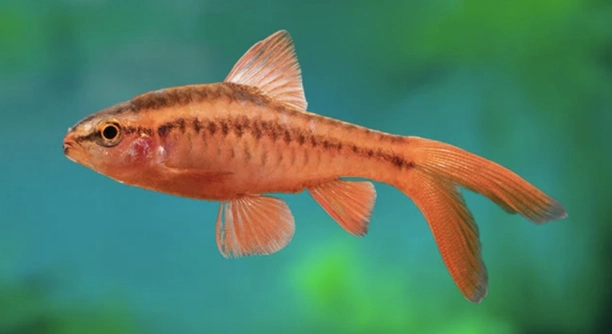
Cherry Barbs are popular fish among aquarium enthusiasts due to their vibrant colors and peaceful nature. However, before adding them to your tank, it’s essential to ask a few important questions to ensure they thrive in their new home.
Before buying Cherry Barbs, consider factors such as tank size, water conditions, and potential tank mates. They prefer calm, slightly acidic water and need at least a 20-gallon tank. Proper research ensures they live comfortably.
Knowing these basic factors helps you make the right choices for their well-being. In the following sections, we’ll look at what to consider before bringing them into your aquarium.
How Many Cherry Barbs Should You Keep Together?
Cherry Barbs are social fish, and they do best in groups. Keeping a small school of these fish helps them feel secure and less stressed. A minimum of six Cherry Barbs is recommended to encourage their natural behavior and reduce aggression. When they are in groups, they tend to interact more and exhibit beautiful schooling patterns. Keeping them in a group also reduces territorial behavior, as they focus more on their environment and less on defending their space.
While a larger school is ideal, it’s important to remember that the tank size plays a big role. A smaller tank may limit the number of Cherry Barbs you can keep. In this case, it’s better to stick to a smaller group of at least four to six fish. This will still allow them to display natural social behavior. Keeping Cherry Barbs in groups provides a healthier, happier environment for them and creates a more vibrant display in your tank.
What Water Conditions Do Cherry Barbs Prefer?
Cherry Barbs prefer calm, slightly acidic water that is well-filtered. They thrive in temperatures ranging from 74°F to 80°F. The water pH should be around 6.0 to 7.5, which mimics their natural habitat in South Asia.
Maintaining stable water conditions is essential for their well-being. Fluctuations in temperature or pH can cause stress and make them more susceptible to diseases. Regular water changes and testing the water quality will help keep your Cherry Barbs healthy and active.
What Tank Size is Best for Cherry Barbs?
Cherry Barbs are relatively small fish but require enough space to thrive. A minimum of 20 gallons is recommended for a small group of these fish. A tank that size allows them to swim freely and reduces the chances of stress or aggression. For larger groups, consider increasing the tank size accordingly.
Larger tanks offer more stable water conditions, which is crucial for the health of your Cherry Barbs. A bigger tank can also provide more hiding spots and plants, making them feel more secure. Cherry Barbs are peaceful and enjoy being surrounded by other fish, so adequate space helps everyone coexist more comfortably. If you’re planning on adding more species to the tank, be sure to adjust the size for a balanced environment.
Can Cherry Barbs Live with Other Fish?
Cherry Barbs are peaceful and typically get along well with other species. They’re a great choice for community tanks with other non-aggressive fish, such as tetras, guppies, and danios. Avoid keeping them with large, aggressive fish, as they may become stressed or injured.
It’s essential to pick tank mates that won’t intimidate or outcompete Cherry Barbs for food. While they can coexist with various species, it’s best to choose fish that are similar in size and temperament. A well-planned community tank ensures that your Cherry Barbs and other fish live harmoniously. Also, keep in mind that overcrowding can lead to stress for all tank inhabitants, so avoid cramming too many fish into the same space.
Are Cherry Barbs Easy to Care For?
Cherry Barbs are relatively low-maintenance fish, making them a good choice for beginner aquarium owners. They don’t require complex water parameters and can adapt to a range of conditions. However, they still need consistent care to remain healthy and active.
Regular water changes and monitoring of water quality are essential for Cherry Barbs. While they are hardy, neglecting tank cleanliness or allowing water parameters to fluctuate can cause stress and health problems. It’s important to test the water regularly and make adjustments to keep them thriving. A simple maintenance routine will keep them happy in your tank.
What Do Cherry Barbs Eat?
Cherry Barbs are omnivores and will eat a variety of foods, including flakes, pellets, and live or frozen food like bloodworms and brine shrimp. Their diet should be balanced, with a mix of plant and protein-based food.
Feeding them a variety of foods ensures they get all the nutrients they need. Overfeeding should be avoided, as it can lead to water quality issues. Stick to a feeding schedule to prevent excess food from polluting the tank. It’s always good to offer them small portions several times a day rather than one large feeding.
How Long Do Cherry Barbs Live?
Cherry Barbs typically live for 3 to 5 years, though with proper care, they can sometimes live longer. Maintaining optimal water quality and feeding them a healthy diet can extend their lifespan.
FAQ
What is the best tank temperature for Cherry Barbs?
Cherry Barbs prefer a water temperature between 74°F and 80°F (23°C – 27°C). Keeping the tank within this range helps them stay healthy and active. Fluctuations outside of this temperature range can cause stress and impact their immune system, leading to potential health issues. It’s best to use a reliable aquarium heater to maintain a stable temperature in the tank.
Can Cherry Barbs live in cold water?
Cherry Barbs are not cold-water fish. They need water that is consistently kept within their preferred temperature range of 74°F to 80°F. Cold water can slow down their metabolism and make them more vulnerable to diseases. If you’re keeping them in a tank with other fish that prefer cooler temperatures, you’ll need a temperature control system to ensure Cherry Barbs stay comfortable.
Do Cherry Barbs require a lot of oxygen?
Cherry Barbs are not particularly oxygen-sensitive, but like all fish, they do need well-oxygenated water. Good water circulation and proper filtration help ensure that oxygen is distributed evenly throughout the tank. A sponge filter or air stone can improve oxygen levels, especially in smaller tanks or tanks with heavy stocking.
How often should I feed Cherry Barbs?
Cherry Barbs should be fed once or twice a day. Offer small portions of food that they can eat in a few minutes. Overfeeding can lead to poor water quality, which can cause stress or health problems. Make sure to remove any uneaten food after feeding to keep the tank clean.
What can I feed Cherry Barbs?
Cherry Barbs are omnivores, so they will eat both plant-based and protein-based food. A balanced diet includes high-quality flakes or pellets, supplemented with live or frozen foods such as brine shrimp, bloodworms, and daphnia. Vegetables like spinach, peas, or zucchini can also be given to provide fiber and essential nutrients. It’s important to vary their diet to ensure they get all the necessary vitamins and minerals.
Are Cherry Barbs easy to breed?
Breeding Cherry Barbs is relatively easy if you have the right setup. They breed best in a separate breeding tank with soft, slightly acidic water. Providing a variety of plants for the females to lay eggs on is important. After spawning, remove the adults to avoid eating the eggs. The eggs will hatch in about 24-48 hours, and the fry can be fed small amounts of liquid fry food or infusoria until they’re big enough to eat regular food.
Do Cherry Barbs need a filter?
Yes, Cherry Barbs benefit from a good filtration system. A filter helps maintain clean water and removes waste products, ensuring stable water quality. While they are adaptable to different water conditions, poor filtration can lead to toxic ammonia or nitrite buildup, which could stress the fish or cause illness. Make sure the filter doesn’t create strong currents, as Cherry Barbs prefer calm water.
Are Cherry Barbs prone to any diseases?
Like most fish, Cherry Barbs can fall victim to common aquarium diseases such as ich, fin rot, or velvet disease. Maintaining stable water conditions and avoiding overcrowding reduces the risk of disease. It’s also important to quarantine new fish before adding them to your tank to avoid introducing illness. Regular water changes and a healthy diet also help boost their immune systems.
Can Cherry Barbs live with shrimp or snails?
Cherry Barbs can generally live peacefully with shrimp and snails. However, they may occasionally nip at the antennae of shrimp, especially if they are hungry or stressed. It’s best to keep them with larger shrimp species or snails that are hardy and can handle minor interactions. Providing plenty of hiding spots for the shrimp and snails can help reduce any potential conflicts.
Do Cherry Barbs require a lot of space?
While Cherry Barbs are small fish, they still need plenty of space to swim and feel comfortable. A minimum of 20 gallons is recommended for a small group of Cherry Barbs. If you plan to add other species or have a larger group, you will need a bigger tank. More space allows for better water quality and a more natural environment for the fish to thrive.
How can I tell if a Cherry Barb is stressed?
A stressed Cherry Barb may exhibit unusual behaviors such as hiding in corners, rapid gill movement, or excessive fin clamping. They may also stop eating or display faded colors. Stress in Cherry Barbs is often caused by poor water quality, overcrowding, aggressive tankmates, or sudden changes in their environment. It’s important to identify the source of stress and address it quickly to prevent health problems.
Can Cherry Barbs live with bettas?
Cherry Barbs can generally live with bettas, as long as the betta is not overly aggressive. Since Cherry Barbs are small and peaceful, they are usually not a threat to bettas. However, males bettas can be territorial, especially in smaller tanks, and may show aggression toward any fish they perceive as a threat. Keep an eye on their interactions, and if necessary, provide plenty of hiding places to reduce stress.
Are Cherry Barbs nocturnal?
Cherry Barbs are not strictly nocturnal but tend to be more active during dawn and dusk. They are generally peaceful and enjoy exploring the tank throughout the day. If they are kept in groups, their natural schooling behavior will be most noticeable during these times. However, they will also swim during the day when the conditions are right.
Why are my Cherry Barbs hiding?
Cherry Barbs may hide if they feel stressed, threatened, or if they are not comfortable in their environment. Common causes of stress include poor water quality, aggressive tankmates, sudden changes in the tank, or a lack of hiding spots. Ensure that the tank has plants, decorations, or caves where they can retreat when they need to feel secure.
Final Thoughts
Cherry Barbs are relatively easy to care for, making them a great option for beginners. They have peaceful temperaments and vibrant colors that can bring a lot of life to your aquarium. With the right water conditions, diet, and tank setup, Cherry Barbs can thrive and live for several years. A little effort goes a long way when it comes to maintaining their health and happiness, and they typically adapt well to a range of environments. However, it’s important to always be mindful of the space and the company they keep in the tank.
One key thing to remember is that Cherry Barbs are social fish. Keeping them in groups of at least six will encourage natural schooling behavior and help them feel secure. The more fish you have, the less likely they are to feel stressed or show signs of aggression. It’s also important to choose compatible tankmates, as keeping them with peaceful, non-aggressive species will create a harmonious environment. Overcrowding should be avoided, as it can lead to poor water quality and health issues for all the fish.
Finally, while Cherry Barbs are fairly low-maintenance, regular tank maintenance is crucial. Keeping the water clean, checking water parameters, and maintaining a stable temperature will help prevent common aquarium problems. Ensuring that your fish have a varied and nutritious diet will keep them healthy and active. By giving your Cherry Barbs the right care, you can enjoy watching them flourish in your aquarium for years to come.

Hello,
If you enjoy the content that we create, please consider saying a "Thank You!" by leaving a tip.
Every little bit helps us continue crafting quality advice that supports the health, happiness, and well-being of pets around the world, for pets of all shapes, sizes, and species.
We really appreciate the kindness and support that you show us!