
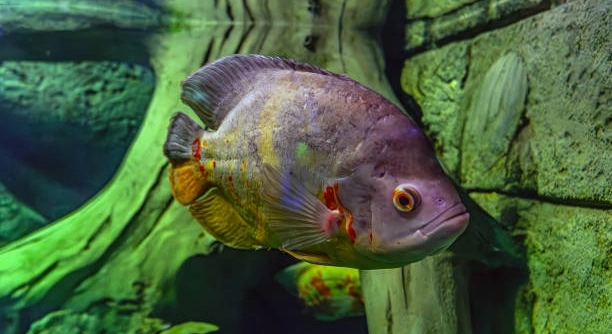
Oscar fish are a popular choice for aquarium enthusiasts, known for their vibrant colors and interesting personalities. Before bringing one home, it’s important to understand their needs and characteristics. Here’s a quick guide to help you decide.
Before buying an Oscar fish, you must consider factors such as tank size, water conditions, and their temperament. Oscar fish grow large and can be aggressive, so they require a spacious tank and proper care to thrive.
Oscar fish can be a great addition to your tank if you’re prepared for their size and behavior. Understanding their needs will ensure they live a long, healthy life in your home.
Tank Size and Space Requirements
When considering an Oscar fish, it’s essential to know they grow large and need plenty of space to swim. A small tank simply won’t do. Ideally, you should have at least a 75-gallon tank for one Oscar, with an additional 50 gallons for each extra fish. Oscars can grow up to 14 inches long and require ample room to move around and stay healthy. If their space is cramped, they can become stressed, which can lead to health problems.
Their large size also means they produce a significant amount of waste, which can affect the tank’s water quality. You’ll need to maintain a proper filtration system to ensure the water stays clean and safe for your fish.
Taking time to plan your tank setup will make a big difference in how well your Oscar fish thrive. The right size tank and filtration system can help prevent many common issues that occur when their living space is inadequate.
Water Conditions and Maintenance
Oscar fish are hardy, but they still need a stable environment to thrive. The water temperature should range from 74 to 81°F, and the pH level should be slightly acidic to neutral (6.5 to 7.5). They are sensitive to drastic changes in water quality, so regular water changes are essential.
In addition to temperature and pH, keeping the water clean is crucial. Oscars produce a lot of waste, so a high-quality filter is necessary to keep ammonia levels under control. A good filtration system can also help maintain stable water parameters, reducing the chances of disease outbreaks. Regular water testing ensures that any issues can be caught early before they harm your fish.
Keeping the water conditions stable can be one of the biggest challenges when owning an Oscar fish. If you are not ready to commit to regular water care, they may not be the right pet for you.
Oscar Fish Temperament
Oscar fish are known for their bold personalities and sometimes aggressive behavior. They are territorial and may become aggressive toward other fish, especially when they’re not given enough space. If you want to keep more than one Oscar in the same tank, make sure it’s large enough to reduce aggression. Additionally, Oscars may not do well with smaller fish, as they have been known to attack and eat anything that fits in their mouth.
While they can be territorial, Oscars are also known to form bonds with their owners. Some fish owners report their Oscars becoming familiar with their routines and even recognizing them when they approach the tank. This unique characteristic can make them a more interactive pet compared to other types of fish.
Oscar fish can be a bit demanding, but their playful and curious nature can make them rewarding to care for. However, it’s important to be prepared for their sometimes unpredictable behavior and large size.
Food and Diet
Oscar fish are carnivores and require a protein-rich diet. They’ll eat a variety of foods, including pellets, live food, and frozen options. A balanced diet is key to maintaining their health and vibrant colors. Offering variety will ensure they receive the right nutrients.
Tank Setup and Decorations
When setting up the tank, avoid sharp objects or small decorations that could injure your Oscar. They may also try to move or rearrange items in the tank. Simple decorations like smooth rocks, large plants, and driftwood are ideal, as they provide hiding spots while maintaining a safe environment. Ensure the decorations don’t take up too much space, leaving room for your Oscar to swim freely.
A good setup also includes a secure lid on the tank. Oscars are known to jump, especially if they feel threatened or stressed. Adding a lid can prevent them from leaping out and causing injury. Keep in mind that Oscars will rearrange their tank, so heavy decorations that won’t easily be moved or displaced are a good choice.
The tank setup doesn’t need to be overly complex, but it should provide enough space and security for your Oscar to feel comfortable. Proper planning for decorations and tank design will help avoid accidents and stress for the fish.
Compatibility with Other Fish
Oscar fish are often best kept alone due to their aggressive nature. They are territorial and might not get along well with other fish, especially if the tank is not large enough. However, in a spacious tank with enough hiding spots, it’s possible to keep them with larger, similarly sized fish. Cichlids, for example, are a popular choice for tank mates. Always research potential tank mates thoroughly to ensure they’re compatible.
Keeping Oscars with smaller fish or peaceful species can lead to problems. They may try to eat smaller fish, or aggression can escalate between tank mates. It’s essential to monitor their behavior closely, especially during feeding time. Oscars tend to become more protective of their space, and any changes in the tank, like new fish, can trigger aggressive behavior.
Adding new fish to an Oscar’s tank should be done cautiously. Make sure the other fish are of a similar size and temperament to avoid conflicts. Proper observation after introducing new tank mates is key to maintaining harmony.
Water Filtration and Cleaning
Proper filtration is crucial for Oscar fish, as they produce a lot of waste. A high-quality filter will keep the water clean and reduce the risk of harmful toxins building up. Without good filtration, water quality can quickly degrade, leading to poor health for your fish.
Regular cleaning is also necessary to maintain healthy water. Change about 25-30% of the tank water every week, depending on the size of the tank and number of fish. Always monitor the ammonia, nitrite, and nitrate levels to ensure they stay within safe ranges. A clean tank is vital for your Oscar’s well-being.
Oscar Fish Lifespan
Oscar fish typically live for around 10-15 years, but some can live even longer if cared for properly. Their lifespan depends on factors such as water quality, diet, tank size, and overall health. Consistent care and attention can help ensure they live a long, healthy life.
Potential Health Issues
Oscar fish can be prone to certain health issues, such as ich, fin rot, and mouth fungus. These problems often stem from poor water quality or stress. Regular water changes, proper filtration, and monitoring for signs of illness can help prevent many of these conditions from developing.
FAQ
How often should I feed my Oscar fish?
Oscar fish are typically fed once or twice a day. Adult Oscars generally don’t need to eat more than that, and overfeeding can lead to poor water quality and health problems. Young Oscars may require more frequent feedings, but always be careful not to overdo it. Offer enough food so that they eat it within a few minutes, and remove any excess to avoid waste buildup.
What should I feed my Oscar fish?
Oscar fish are carnivores, so they should be given a protein-rich diet. You can feed them high-quality pellets designed for large cichlids, along with live or frozen foods like worms, shrimp, and small fish. Variety is important to ensure they get all the nutrients they need, but avoid feeding them foods that are too large for them to handle comfortably.
Can I keep more than one Oscar in the same tank?
It’s possible to keep multiple Oscars together, but you need a very large tank—at least 100 gallons for two fish. Oscars are territorial and can become aggressive, so it’s important to provide enough space to reduce conflict. Adding hiding spots and plenty of room for swimming can help mitigate aggression. Keep an eye on them, as fights can break out, especially if one fish feels cornered.
Why is my Oscar fish behaving aggressively?
Oscar fish are naturally territorial, and aggression can occur if they feel threatened or crowded. Stress from improper water conditions, a small tank, or incompatible tank mates can also lead to aggressive behavior. If you notice aggression, check your water quality and make sure they have enough space to swim comfortably. It’s also possible they are simply displaying typical behavior for the species.
How do I prevent diseases in my Oscar fish?
The best way to prevent diseases in your Oscar is by maintaining proper water conditions. Regular water changes, good filtration, and a stable tank environment are essential. Avoid overcrowding the tank and ensure you don’t introduce sick or infected fish. Quarantine new fish for a few weeks before adding them to the tank to avoid spreading illness.
How do I know if my Oscar fish is sick?
Signs of illness in an Oscar include lethargy, loss of appetite, discoloration, clamped fins, or abnormal swimming behavior. You might also notice lesions, bumps, or swelling on their body. If you observe any of these symptoms, test the water quality immediately and consult a vet or aquarium professional to address the issue.
Do Oscar fish need a heater?
Yes, Oscar fish require a heater to maintain a stable water temperature between 74 and 81°F. Without a heater, the water temperature can fluctuate too much, leading to stress and health issues. Make sure to use a reliable aquarium heater and monitor the temperature regularly to keep it within the ideal range.
How fast do Oscar fish grow?
Oscar fish grow quickly, especially in their first year. They can grow up to 2 inches per month during the first few months of life. By the time they are one year old, they may reach 10-12 inches. Given their rapid growth, it’s essential to provide a tank large enough to accommodate their increasing size.
What size tank do I need for an Oscar fish?
Oscar fish need a large tank, especially as they grow. A 75-gallon tank is the minimum size for one adult Oscar, but the larger the tank, the better. If you plan to keep more than one Oscar, you’ll need a 100-gallon tank or larger to give them enough space to live comfortably and avoid aggression.
Can Oscar fish live with other species?
Oscar fish are not the best choice for community tanks due to their territorial and aggressive nature. They may bully or even eat smaller fish. However, they can coexist with other large, similarly sized fish, such as other cichlids. Always research tank mates and be prepared for close monitoring.
How do I clean an Oscar fish tank?
To clean an Oscar fish tank, remove debris from the bottom using a gravel vacuum. Change 25-30% of the water weekly to maintain good water quality. Clean the filter regularly, but avoid cleaning all the filter media at once, as it helps to maintain beneficial bacteria. Don’t forget to remove uneaten food to prevent it from decaying in the tank.
Why is my Oscar fish swimming at the surface?
If your Oscar is swimming at the surface, it could be a sign of several issues, such as low oxygen levels, poor water quality, or a potential health problem. Check your water parameters and make sure your filtration system is working properly. It might also be a sign that your fish is hungry or seeking attention.
Can Oscar fish live with plants in the tank?
Oscar fish are not known for being plant-friendly. They may uproot or eat soft plants in the tank. If you want to keep plants, consider using hardy species like Java fern or Anubias, which are less likely to be damaged by Oscars. You can also try using plants in pots or attaching them to decorations.
How can I make my Oscar fish more comfortable?
To help your Oscar feel more comfortable, provide plenty of hiding spots and a spacious tank. Regular maintenance of water quality and stable temperature is also crucial. You can also spend time near the tank so your fish gets used to you, helping it feel more secure in its environment.
Final Thoughts
Oscar fish can be an exciting addition to your aquarium if you’re ready for the responsibility. They are intelligent, interactive, and have strong personalities, which can make them quite interesting to care for. However, they also require specific care, including a large tank, proper filtration, and regular maintenance. If you’re new to fishkeeping, it’s important to understand the commitment involved before getting an Oscar. These fish are not the easiest to manage, but with the right setup, they can thrive and provide years of enjoyment.
The key to success with an Oscar fish lies in providing the right environment. A spacious tank is essential, as they grow large and need plenty of room to swim. Proper water conditions, including stable temperature and pH, are also vital for their health. Regular water changes, high-quality food, and an efficient filtration system will help prevent health issues. Keep in mind that Oscars can be aggressive, so it’s best to keep them with other large, compatible fish or house them alone. Monitoring their behavior and ensuring their tank is suited to their needs will ensure they stay happy and healthy.
Ultimately, Oscar fish can be rewarding pets, but they do require dedication and attention. They are not the best choice for first-time fish owners due to their size and temperament. However, for experienced fishkeepers, they offer a unique experience and can become a true centerpiece of your aquarium. If you’re prepared to meet their needs and invest in their care, an Oscar fish can bring a lot of enjoyment to your home. Just make sure you’ve done the research and are ready for the responsibility before making your decision.

Hello,
If you enjoy the content that we create, please consider saying a "Thank You!" by leaving a tip.
Every little bit helps us continue crafting quality advice that supports the health, happiness, and well-being of pets around the world, for pets of all shapes, sizes, and species.
We really appreciate the kindness and support that you show us!