
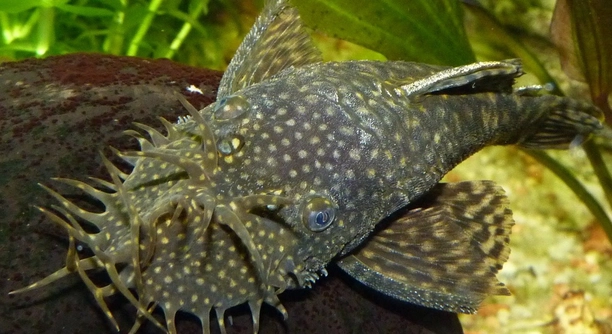
When you bring a pleco into your home, it’s natural to have questions. These fascinating fish can be quite unique, so it’s important to understand how to care for them properly. Here are some common concerns new owners face.
New pleco owners often wonder about the best care practices, tank setup, and feeding habits. Addressing these key aspects ensures your pleco thrives in its environment, maintaining its health and enhancing its lifespan. Consistent care will create a stable, enjoyable environment for both you and your pleco.
By understanding these basic principles, you’ll feel confident in taking care of your new pleco. Let’s explore the answers to the most common questions that arise.
What Size Tank Does My Pleco Need?
Plecos can grow quite large, and providing them with a spacious tank is crucial. Depending on the species, a pleco can grow anywhere from 6 inches to over 2 feet long. A common recommendation is a 30-gallon tank for smaller species, but larger species will require much more space. A tank that’s too small can lead to stress and health issues.
A larger tank also allows for a proper filtration system and space for your pleco to hide, which is important for their well-being. Ensuring the tank is well-maintained will create a healthier environment for your pleco and any other tank mates.
Make sure your pleco has plenty of room to swim and explore. Adding plants, caves, or driftwood provides hiding spots and helps mimic their natural habitat, contributing to their overall comfort and health.
What Do Plecos Eat?
Plecos are primarily herbivores, but some species are opportunistic feeders and may also eat small amounts of protein. They enjoy a variety of foods, including algae wafers, leafy greens, and vegetables like zucchini, cucumber, and spinach. For a balanced diet, it’s important to supplement their meals with high-quality algae-based foods.
In their natural habitat, plecos spend a lot of time grazing on algae. By offering a mix of vegetables and algae wafers, you’ll keep them healthy and prevent them from becoming too reliant on a single food source. Plecos also enjoy sinking pellets that they can forage for.
To keep your pleco healthy, you should feed them at least once a day, making sure the food doesn’t pollute the tank. Removing uneaten food after a few hours will help maintain clean water.
Do Plecos Need to Be Kept with Other Fish?
Plecos can generally be kept with other peaceful fish, but it’s important to consider the species. While some plecos are known for being social, others prefer solitude. When choosing tank mates, ensure they are non-aggressive and have similar water requirements.
Some plecos may become territorial, especially larger species. Providing plenty of hiding spots and space will reduce aggression and allow all fish to coexist peacefully. Plecos can also be nocturnal, so they may keep to themselves during the day, making them less likely to interact with other fish.
To avoid conflict, introduce plecos to peaceful communities of fish that won’t compete for food. Also, consider species that aren’t overly aggressive or territorial. This balance will create a more harmonious environment in your aquarium.
How Often Should I Clean My Pleco’s Tank?
Plecos are known for being efficient algae eaters, but they still need regular tank maintenance. Cleaning the tank every 1-2 weeks is recommended to ensure the water stays clear and healthy. However, how often you clean depends on the size of your pleco and the tank’s stocking level.
During each cleaning session, remove uneaten food, vacuum the substrate, and clean the filter. Over time, excess waste can accumulate, which can negatively affect the water quality. It’s also important to perform water changes regularly, about 25-30% of the tank’s water every 2-3 weeks.
Monitor the water parameters as well, keeping the temperature stable and the pH balanced. A clean tank is essential for your pleco’s health.
Can Plecos Live in Cold Water?
Most plecos are tropical fish and need warm water to thrive. The ideal temperature range for a pleco is between 72°F and 82°F. Keeping them in cold water can lead to stress and weakened immune systems.
If you plan on keeping plecos in a cold-water tank, it’s essential to use a heater to maintain the right temperature. Without consistent warmth, plecos may become lethargic and more susceptible to diseases. While some species tolerate lower temperatures, it’s better to provide them with their preferred tropical environment for optimal health.
How Can I Keep My Pleco’s Tank Water Clean?
To keep your pleco’s tank water clean, maintain good filtration and perform regular water changes. The filter should be powerful enough to handle the tank size and the waste produced by your pleco. Clean the filter every few weeks to prevent it from clogging.
Vacuuming the substrate during water changes helps remove waste and uneaten food. It’s also a good idea to monitor the water’s pH, hardness, and ammonia levels regularly to ensure they remain within the appropriate range. Clean water is essential for keeping your pleco happy and healthy.
Do Plecos Need Special Lighting?
Plecos do not require special lighting, but they do need a light cycle for a healthy environment. A consistent day-night cycle mimics their natural habitat and helps regulate their activities. Keep the light on for 10-12 hours each day and ensure the tank has areas of shade.
Avoid using overly bright lights, as plecos tend to prefer low-light conditions. Adding plants or decorations will help create shaded spots where they can hide from light. While plecos are not highly dependent on lighting, maintaining a proper light schedule is important for their overall well-being.
FAQ
What is the lifespan of a pleco?
The lifespan of a pleco typically ranges from 10 to 15 years, depending on species, tank conditions, and care. Some plecos can live longer if provided with proper care, a balanced diet, and a well-maintained tank environment. It’s essential to monitor their health closely, perform regular water changes, and provide proper filtration to help them live a long, healthy life.
Can plecos eat too much?
Yes, plecos can eat too much, leading to obesity and other health issues. Overfeeding can also pollute the tank water, creating unhealthy conditions. It’s important to feed your pleco in moderation. Provide them with just enough food that they can finish in 2-3 hours, removing any uneaten food to prevent excess waste buildup.
Do plecos need a filter?
Plecos do need a filter. They produce a lot of waste, and a filter helps maintain water quality by removing debris and excess nutrients. A good filtration system ensures clean, oxygen-rich water, which is crucial for pleco health. Without proper filtration, the tank will become dirty quickly, stressing the pleco and other fish.
How can I tell if my pleco is stressed?
Stressed plecos may exhibit behaviors like hiding more than usual, reduced appetite, or abnormal swimming patterns. They may also display faded or discolored skin. If you notice these signs, check the water parameters, tankmates, and feeding schedule. Stress can also be caused by poor water quality or overcrowding in the tank.
What do I do if my pleco is not eating?
If your pleco stops eating, first check the water conditions. Poor water quality can cause a loss of appetite. Ensure the temperature, pH, and ammonia levels are within the ideal range. Offer a variety of foods, such as algae wafers, vegetables, and sinking pellets, to tempt your pleco. If the problem persists, it may be worth consulting a vet.
Why is my pleco turning white?
White patches on a pleco can indicate a fungal infection, parasites, or poor water conditions. It’s important to examine the tank water quality and look for any signs of disease. If the white patches are accompanied by lethargy or loss of appetite, consider isolating the pleco and treating it with an appropriate medication after consulting a specialist.
How big will my pleco grow?
The size of your pleco depends on the species. Common plecos can grow up to 12-18 inches long, while some species, like the sailfin pleco, can grow over 24 inches. If you have a larger species, you will need a bigger tank to accommodate its growth. Regular tank maintenance and monitoring are key to keeping them healthy at any size.
How do I prevent my pleco from becoming aggressive?
Plecos are usually peaceful, but some species can become territorial, especially if the tank is too small or if they feel overcrowded. To reduce aggression, provide plenty of hiding spots with plants, caves, and driftwood. Ensure the tank is large enough for all the fish and monitor their behavior. Avoid keeping more than one pleco in small tanks to prevent conflicts.
Can plecos live with bettas?
Plecos can live with bettas as long as both fish have enough space. However, bettas can sometimes become aggressive, especially towards fish with long fins or bright colors. Plecos, being bottom-dwellers, typically stay out of the way of bettas, but always monitor their interactions. If needed, add hiding spots or dividers to prevent any aggression.
How often should I feed my pleco?
Plecos should be fed once or twice a day, depending on their age and size. Younger plecos may require more frequent feeding, while adults can usually be fed once a day. Be sure to offer them enough food that they can eat in 2-3 hours, removing any uneaten food afterward to avoid contamination.
Why is my pleco not growing?
If your pleco isn’t growing, it could be due to poor water quality, an inadequate diet, or not enough space in the tank. Ensure the water parameters are correct, provide a varied and balanced diet, and check if the tank is large enough for the pleco to grow. Plecos require ample space to grow to their full size.
What is the best substrate for a pleco tank?
Plecos prefer a fine-gravel substrate or sand. Fine gravel allows them to forage for food easily without harming their barbels, while sand mimics their natural environment. Avoid large, sharp gravel as it can irritate their skin and barbels. Keep the substrate clean to maintain water quality.
Can plecos live without wood?
Wood, particularly driftwood, is an important part of a pleco’s tank setup. Many species of plecos naturally feed on biofilm that grows on wood. While they can survive without it, providing driftwood gives them a natural food source and helps mimic their natural habitat, promoting their overall health and well-being.
Why is my pleco swimming upside down?
Swimming upside down could be a sign of swim bladder issues, which may result from overfeeding, constipation, or poor water quality. It’s important to check water parameters and adjust feeding habits. Offering foods high in fiber, like blanched vegetables, can help relieve constipation. If the issue persists, consult a vet.
Do plecos need a heater?
Yes, plecos generally need a heater if they are kept in colder water. Most plecos thrive in tropical temperatures, ideally between 72°F and 82°F. Using a heater ensures the tank maintains a consistent temperature, which is important for their health and digestion. Without a heater, plecos may become stressed and prone to illness.
How do I breed my plecos?
Breeding plecos requires specific conditions. They typically need a well-maintained, spacious tank with proper water temperature and a breeding cave. Plecos often breed during the rainy season in the wild, so raising the water temperature slightly and increasing water changes can help trigger spawning. The male will guard the eggs and fry until they are ready to swim freely.
What fish are compatible with plecos?
Plecos are generally peaceful and can be kept with most non-aggressive fish. Suitable tankmates include tetras, guppies, mollies, and other small community fish. Avoid keeping them with aggressive species like cichlids. Providing ample space, hiding spots, and a proper diet will help ensure peaceful cohabitation.
Final Thoughts
Owning a pleco can be a rewarding experience if you’re prepared for the responsibility. These fish are generally low-maintenance but require attention to water quality, diet, and tank size. By keeping their environment clean and offering a balanced diet, you can ensure your pleco stays healthy and active for many years. Remember, the key to a happy pleco is providing a comfortable and stable living space where they can thrive.
In addition to the basics, it’s important to understand your pleco’s specific needs. Some species grow large and require larger tanks, while others may need more hiding spots to feel secure. Providing driftwood or other natural elements can also help mimic their natural habitat, making them feel more at ease. Keep an eye on their behavior and health, and address any issues early to avoid long-term problems. Regular water changes and testing the water quality can help prevent most common health concerns.
Lastly, always consider the future of your pleco before getting one. These fish can live for over a decade, so committing to a pleco means being prepared to care for them long-term. Whether you’re new to keeping fish or an experienced hobbyist, following these simple guidelines will help you maintain a healthy environment for your pleco and any other tankmates. With the right care, your pleco can be a vibrant and unique addition to your aquarium.

Hello,
If you enjoy the content that we create, please consider saying a "Thank You!" by leaving a tip.
Every little bit helps us continue crafting quality advice that supports the health, happiness, and well-being of pets around the world, for pets of all shapes, sizes, and species.
We really appreciate the kindness and support that you show us!