
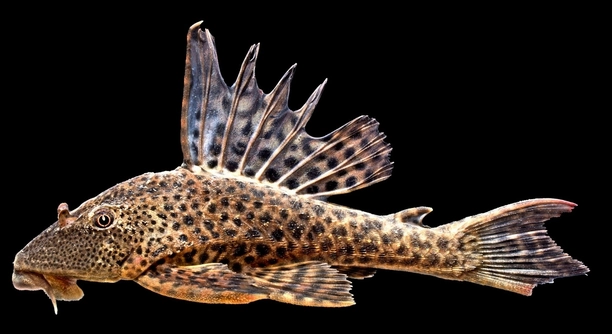
Overfeeding a Plecostomus can lead to various health issues for your fish. These problems can affect their behavior and overall well-being. Understanding how much food is too much is key to maintaining a healthy aquarium environment.
Overfeeding a Plecostomus can cause issues like water quality deterioration, obesity, and digestive problems. Too much food leads to uneaten debris, which can pollute the tank, and excess fat can harm their organ functions, impacting their long-term health.
Understanding these effects is important to prevent long-term harm and maintain a balanced ecosystem in your aquarium. Ensuring proper feeding habits will keep your Plecostomus healthy and happy.
Water Quality Issues
When you overfeed a Plecostomus, uneaten food starts to break down in the tank. This decaying matter can quickly lower water quality. The excess nutrients contribute to harmful algae blooms, clouding the water and causing it to become unclean. As the tank environment worsens, the fish may experience stress or illness. Poor water conditions are not only harmful to the Plecostomus but can affect other aquarium inhabitants as well. Keeping the water clean is essential for the health of all fish.
Overfeeding leads to higher waste levels, affecting the entire tank’s ecosystem. By feeding your Plecostomus in moderation, you avoid these complications, ensuring clean water and a healthier environment.
Water quality issues are not limited to just the immediate effects on your fish. Persistent poor water conditions can lead to chronic health problems. These can be difficult to address, requiring more time and effort to restore balance. Regular tank maintenance and controlled feeding habits will help you avoid these long-term struggles.
Obesity in Plecostomus
Overfeeding a Plecostomus leads to obesity, which can be detrimental to their health. Excess weight puts a strain on their internal organs and can shorten their lifespan. Fat accumulation also limits their movement and ability to forage, affecting their natural behavior.
A Plecostomus with obesity might appear lethargic and less active. The extra fat interferes with its ability to swim and function normally, making it more vulnerable to stress and illness. Over time, obesity can lead to complications such as fatty liver disease or heart issues, impacting their overall well-being. Maintaining a balanced diet is essential for preventing this.
You can prevent obesity by sticking to a regular feeding schedule and offering food in controlled amounts. Avoid overfeeding, especially foods high in fats or proteins. A healthy Plecostomus will be more active, exhibit natural behaviors, and live a longer, healthier life.
Digestive Issues
Overfeeding a Plecostomus can cause digestive problems. The excess food creates an overload in the digestive system, leading to constipation or bloating. These issues can make the fish uncomfortable and interfere with its regular eating habits.
Digestive problems in Plecostomus can also affect their ability to absorb nutrients properly. If the digestive system is overwhelmed, it could result in poor health, affecting their growth and energy levels. In severe cases, it might even lead to organ damage. Proper feeding is vital to keep their digestive system functioning smoothly.
Uneaten Food Accumulation
Uneaten food, when left in the tank, contributes to water contamination. As the food decomposes, it creates harmful substances like ammonia, which are dangerous to fish. The longer the food sits, the worse the water quality becomes.
It’s essential to remove any leftover food after feeding to prevent it from breaking down in the tank. Doing so will help maintain water quality and avoid unwanted waste buildup. Keeping the tank clean is crucial for the health of all aquarium inhabitants.
FAQ
How much should I feed my Plecostomus?
Feeding your Plecostomus should be done in moderation. Typically, they should be fed once or twice a day, offering only as much food as they can eat in 2-3 minutes. Overfeeding can lead to the problems mentioned earlier, like poor water quality and obesity. A variety of foods, including algae wafers and fresh vegetables, is recommended for a balanced diet.
Can Plecostomus overeat?
Yes, Plecostomus can overeat if food is offered in excess. Overfeeding leads to digestive issues and obesity, causing stress and health problems. They will often eat more than they need, especially when food is continuously available, making it important to regulate their meals. Monitoring their feeding habits ensures they stay healthy.
What kind of food should I give my Plecostomus?
Plecostomus are primarily herbivores, so algae wafers and plant-based foods like zucchini or spinach are great choices. You can supplement their diet with small amounts of protein like shrimp or fish pellets, but these should be given sparingly. Avoid overfeeding protein-rich foods, as it can cause digestive issues.
Why is my Plecostomus not eating?
If your Plecostomus isn’t eating, it could be due to several factors, including poor water quality, stress, or health problems. Check the tank conditions, especially the water temperature, pH, and ammonia levels. Sometimes, Plecostomus can be picky eaters, so try offering different types of food to see if they have a preference.
How do I know if I’m overfeeding my Plecostomus?
Signs of overfeeding include uneaten food accumulating in the tank and a decrease in water quality. If your Plecostomus appears lethargic, obese, or suffers from bloating, these are signs of overfeeding. Keeping track of the amount of food and removing any leftovers helps prevent overfeeding.
Can overfeeding cause algae problems in my tank?
Yes, overfeeding can lead to algae growth. When excess food breaks down, it increases the nutrient levels in the water, especially nitrogen and phosphates. These nutrients fuel algae growth, making your tank look cloudy and dirty. It’s important to only feed what your fish will eat and remove leftovers to avoid this issue.
How often should I clean my tank if I have a Plecostomus?
With a Plecostomus in your tank, regular cleaning is essential. Ideally, perform a partial water change of 25-30% every 1-2 weeks. Vacuuming the substrate during water changes removes uneaten food and waste. Keep an eye on water parameters to ensure your tank stays healthy.
What are the risks of overfeeding a Plecostomus?
Overfeeding a Plecostomus can cause several health issues, such as obesity, digestive problems, and poor water quality. These conditions can stress the fish, making it more susceptible to illness. Chronic overfeeding can shorten the Plecostomus’s lifespan by affecting its organs and immune system.
Should I feed my Plecostomus at night?
Feeding at night is an option, as Plecostomus are nocturnal and more active during the evening. However, it’s not necessary to feed them exclusively at night. You can feed them during the day as well, but ensure the food is consumed within a reasonable time frame to prevent overfeeding.
Can I feed my Plecostomus too much algae?
Algae is an excellent food source for Plecostomus, but offering too much can lead to an imbalance in their diet. While algae is beneficial, it shouldn’t make up the entire diet. Include other foods like vegetables and protein in moderation to maintain a well-rounded nutrition plan for your Plecostomus.
What happens if I stop feeding my Plecostomus for a few days?
If you stop feeding your Plecostomus for a few days, it should be fine as they are capable of going without food for short periods. However, it’s important to not make this a regular habit. Extended fasting can lead to stress and malnutrition. Always provide food regularly to maintain a healthy Plecostomus.
Can overfeeding affect the other fish in the tank?
Yes, overfeeding can negatively impact all fish in the tank. Uneaten food can break down and pollute the water, affecting water quality for all the inhabitants. Additionally, excessive food can encourage algae growth, reducing oxygen levels and stressing the fish. Proper feeding habits are crucial to maintaining a healthy community tank.
How do I know if my Plecostomus is underfed?
Signs of an underfed Plecostomus include weight loss, lethargy, and a lack of interest in food. If your fish isn’t growing properly or appears weak, you may need to adjust their diet. Make sure you’re providing enough food for their size, and offer a variety of food to meet all their nutritional needs.
Can I feed my Plecostomus vegetables from my kitchen?
Yes, you can feed your Plecostomus vegetables like zucchini, cucumber, or spinach from your kitchen. However, make sure to clean the vegetables thoroughly and avoid using any seasonings or additives. Blanching the vegetables slightly before offering them helps make them easier for the fish to digest.
What should I do if my Plecostomus has digestive problems?
If your Plecostomus is showing signs of digestive problems, like bloating or constipation, try fasting it for a day or two. You can also offer food that promotes digestion, like blanched peas. If the issue persists, check water quality and consider consulting a vet for advice on treatment.
Can overfeeding cause Plecostomus to be aggressive?
Overfeeding might cause behavioral changes in Plecostomus, but aggression is not typically one of them. However, overcrowding or poor tank conditions caused by overfeeding can cause stress, which might lead to aggressive behavior. Ensure your tank is appropriately sized and maintain regular feeding schedules to prevent stress-related issues.
What’s the best time of day to feed my Plecostomus?
Since Plecostomus are nocturnal, they tend to feed better at night. However, feeding them during the day is perfectly fine as well. If you notice uneaten food in the tank after feeding, try adjusting the feeding schedule or the amount you are offering.
Final Thoughts
Overfeeding a Plecostomus can lead to numerous health problems, including obesity, digestive issues, and poor water quality. These issues not only affect the Plecostomus but also the overall health of the aquarium. It’s important to feed your Plecostomus the right amount and offer a variety of foods to maintain their health. Ensuring they receive a balanced diet will help them thrive in your aquarium, avoid health complications, and live a longer life.
Regular feeding schedules and proper portion sizes are essential for keeping your Plecostomus healthy. You should provide food that is easily digestible, like algae wafers, fresh vegetables, and occasional protein. Avoid overfeeding, as this can result in uneaten food accumulating in the tank, leading to water contamination and poor tank conditions. Clean the tank regularly, remove any leftover food after feeding, and monitor the water quality to keep the environment safe for all your aquarium inhabitants.
Maintaining a healthy Plecostomus requires a commitment to their care and environment. By keeping track of their feeding habits and making sure the tank remains clean and well-maintained, you can avoid many of the issues caused by overfeeding. A balanced diet, a clean tank, and careful monitoring are key to ensuring your Plecostomus stays healthy and happy. Proper care will help them grow, remain active, and contribute positively to your aquarium’s ecosystem.

Hello,
If you enjoy the content that we create, please consider saying a "Thank You!" by leaving a tip.
Every little bit helps us continue crafting quality advice that supports the health, happiness, and well-being of pets around the world, for pets of all shapes, sizes, and species.
We really appreciate the kindness and support that you show us!