
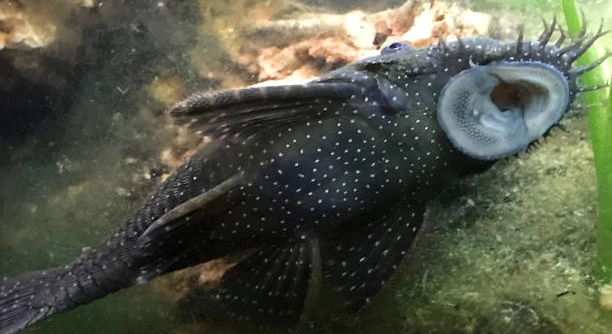
Mixing pleco species in an aquarium may seem like a good idea, but it can lead to various issues. Different species of plecos have unique needs and behaviors, which can cause complications when kept together.
Several problems can arise from mixing pleco species, including territorial disputes, incompatible diets, and varying water conditions. Some plecos may become overly aggressive or stressed, affecting the health and behavior of others. Compatibility issues are often underestimated.
Understanding the challenges involved in mixing pleco species can help prevent these problems and promote a healthier environment for your fish.
Territorial Disputes and Aggression
When mixing pleco species, territorial behavior is one of the most common problems. Plecos can be highly territorial, especially when they feel their space is threatened. Some species, like the common pleco, are more aggressive and will assert dominance over smaller or less assertive species. This can lead to stress, injury, or even death in more vulnerable plecos. Overcrowding the tank or adding too many plecos with similar territorial needs can escalate these issues. It’s important to research each species’ behavior before mixing them to prevent unnecessary conflict. Proper tank size and decor placement, such as caves and hiding spots, can help ease territorial tensions.
Adding plecos that have similar sizes and behaviors may reduce aggression. However, certain species may still clash due to their natural instincts.
In addition to territorial aggression, plecos are often solitary by nature. This instinct can lead to them being more defensive about their space. To mitigate conflicts, ensure there are enough hiding spots and territories for each pleco. Spacing out the plecos and providing ample room to establish their territories is crucial. Monitoring behavior closely when introducing new plecos can prevent unnecessary stress or harm.
Compatibility with Water Conditions
Water conditions are another key factor when mixing pleco species. Different plecos have unique requirements for water temperature, pH, and hardness. For instance, while some plecos thrive in slightly acidic water, others prefer more alkaline conditions. Even slight changes in water parameters can cause distress to plecos, making it difficult for them to coexist. Researching the water preferences of each species before mixing them can help create an environment where all plecos can thrive.
It’s vital to maintain consistent water quality to avoid stressing the plecos.
Maintaining ideal water conditions requires constant attention to temperature and pH levels. For example, some pleco species are sensitive to fluctuating temperatures and need stable conditions to remain healthy. If the tank’s water is unsuitable for one species, it can affect the overall health of the group. Ensuring that all plecos in the tank are compatible with the same water conditions is essential to their long-term well-being. Regular water changes and a reliable filtration system can help maintain water quality, preventing unnecessary stress on the plecos.
Diet Incompatibility
Plecos come with different dietary needs, which can cause trouble when mixed. Some are herbivores, while others are omnivores or even carnivores. If one species is consuming food meant for others, it can lead to malnutrition or competition for resources. Properly researching each pleco’s diet is essential to ensure all species receive what they need.
Feeding plecos different types of food in separate areas can reduce conflict over meals. You should also include plenty of plant matter and sinking foods to accommodate all species. Consider supplementing their diet with algae wafers, vegetables, and high-quality pellets for balance.
If plecos aren’t receiving their required food types, they may become more aggressive or stressed. This could impact their overall health and behavior. Monitoring feeding times and observing eating habits can ensure each pleco is getting enough nutrition. Providing a variety of foods that match their needs will help maintain a peaceful tank environment.
Overcrowding and Stress
Overcrowding a tank can lead to increased stress and competition for space. Plecos need adequate room to grow, and overcrowding can result in more aggression, territorial disputes, and unhealthy conditions. If too many plecos are introduced into a small tank, it can lead to poor water quality and lack of hiding spots.
When adding plecos to a tank, always consider their adult size and how much space they will require. For larger species, a tank of at least 100 gallons is recommended. Smaller species may need less space, but providing sufficient space for each pleco ensures a more balanced environment. A larger tank reduces stress and allows each pleco to establish its own territory.
Plecos are naturally sensitive to changes in their environment. Too many plecos in a confined space can lead to a drop in water quality, creating more stress. Providing them with ample room and reducing the tank’s population helps maintain a peaceful and healthy environment. Regular water checks and proper filtration can also help manage stress levels.
Differences in Activity Levels
Plecos have varying activity levels. Some species are more active and prefer swimming around, while others are more relaxed and stay in one spot. Mixing active and passive plecos can lead to stress, as the more active species may disturb the calmer ones.
Active plecos may become frustrated or stressed if they can’t explore the tank freely. Passive plecos, on the other hand, may feel overwhelmed by constant movement. This imbalance can result in aggression, especially if both species are trying to claim the same space.
It’s important to consider how each species moves in the tank when mixing plecos. Providing a tank with different areas for each species to retreat to can reduce stress and allow each pleco to live comfortably. Ensuring enough hiding spots and decorations can help maintain a balance between active and passive species.
Incompatible Breeding Habits
Breeding habits can complicate matters when mixing plecos. Some species breed in caves, while others may require different setups. If species with conflicting breeding habits are housed together, it can result in unsuccessful breeding attempts or stressed plecos.
Breeding behavior can also lead to territorial disputes, as plecos become protective of their nests. During breeding, the more dominant species may try to claim prime spaces, pushing others away. This can lead to stress, aggression, and even injury. Monitoring breeding habits and adjusting the tank environment accordingly can help alleviate these issues.
Aggression Toward Other Tank Mates
Some pleco species can become aggressive toward other tank mates, not just their own kind. Species with a more territorial nature may start attacking smaller or more passive fish. This aggression can cause stress and harm to other fish in the tank.
To avoid this, choose plecos that are known to be peaceful. It’s also helpful to add plecos after other tank mates have settled in. This reduces the chances of territorial disputes with existing fish.
FAQ
How do I know if pleco species are compatible?
Researching each pleco species is the best way to determine compatibility. Understanding their behavior, size, and dietary needs can help prevent problems. Some species are more territorial, while others may be calmer. Make sure to provide enough space, hiding spots, and suitable water conditions for all plecos in the tank. Compatibility also depends on their size and activity levels, so choose species with similar traits.
Can plecos live with other types of fish?
Yes, but it depends on the species. Peaceful plecos, like the Bristlenose pleco, generally get along with other non-aggressive fish. However, more territorial plecos may not tolerate tank mates and could become aggressive. It’s crucial to choose tank mates that don’t compete for food or space. Fish like tetras, guppies, and peaceful catfish are often good companions for plecos.
What size tank do I need for multiple plecos?
The tank size will depend on the species of plecos you keep. Generally, a 75-gallon tank or larger is recommended for multiple plecos. Larger species, like the common pleco, require more space to thrive. A larger tank allows each pleco to establish its own territory, reducing stress and territorial disputes. Ensure there are enough hiding spots to accommodate all species.
Why are my plecos fighting?
Plecos may fight due to territorial behavior, especially if their space is being threatened by other plecos or fish. Some plecos are more aggressive and will defend their territory fiercely. The lack of space, hiding spots, or food can exacerbate the issue. To reduce fighting, ensure your tank is large enough, and provide multiple hiding spots and territories.
Can plecos live together with other pleco species?
It’s possible, but it depends on the species. Some plecos are more territorial and may not tolerate other plecos in the same tank. Mixing plecos of similar sizes and behaviors is generally safer. If you’re adding multiple species, monitor their behavior closely to ensure they are not being overly aggressive. Providing plenty of space and hiding spots is key.
What should I feed plecos in a mixed-species tank?
Plecos have different dietary needs depending on their species. Most plecos are herbivores or omnivores and require a diet that includes vegetables, algae, and sinking pellets. In a mixed-species tank, make sure to offer a variety of foods, including algae wafers, cucumber, zucchini, and high-quality pellets. Monitor each pleco’s eating habits to ensure they’re getting the nutrition they need.
Can plecos live with shrimp or snails?
In many cases, plecos can live with shrimp and snails. Plecos tend to ignore snails and shrimp unless they are hungry or stressed. However, larger plecos may try to eat smaller shrimp, especially baby shrimp. If you plan to add shrimp to a pleco tank, choose species that are large enough to avoid being eaten. Snails, like the mystery snail, generally do well with plecos.
How do I prevent plecos from becoming stressed?
To prevent stress, make sure your plecos have enough space, appropriate tank mates, and the right water conditions. Stress can result from overcrowding, aggressive tank mates, or poor water quality. Offer plenty of hiding spots, and provide a balanced diet to ensure they remain healthy. Regular water changes and monitoring water parameters will also help reduce stress levels.
Can plecos breed in a community tank?
Yes, plecos can breed in a community tank if the conditions are right. However, breeding may be more successful in a species-only tank, where the environment is more controlled. Plecos typically breed in caves, so providing suitable hiding spots is essential. Monitor the water parameters, as plecos need specific conditions to breed successfully.
Why are my plecos not eating?
If your plecos are not eating, it could be due to stress, poor water quality, or an inadequate diet. Ensure the water parameters are within the correct range for the species you are keeping. If there’s aggression in the tank, plecos may not feel comfortable eating. Offering a variety of food types, such as algae wafers, vegetables, and sinking pellets, can help encourage eating.
Do plecos need a lot of light?
Plecos don’t require bright lighting, as they are nocturnal creatures. In fact, too much light can stress them out. It’s best to provide a dimly lit environment, allowing plecos to feel safe. Low lighting mimics their natural habitat, where they would typically seek shelter during the day and become more active at night.
How can I tell if my pleco is sick?
Signs of illness in plecos include a lack of appetite, abnormal swimming behavior, lesions on their body, or changes in their color. If you notice any of these symptoms, check the water quality and ensure the tank conditions are suitable for their species. If the problem persists, consider consulting an aquatic vet for further guidance.
Can plecos live in cold water?
Most plecos are tropical fish and require warm water to thrive. They generally need a temperature between 75°F and 80°F. Some pleco species, like the rubber lip pleco, can tolerate slightly cooler water but still need a heater in colder climates. Be sure to check the specific temperature requirements for the species you’re keeping.
Can plecos help control algae in the tank?
Yes, plecos are known for their algae-eating abilities. They can help control algae growth by consuming it from the tank walls, rocks, and other surfaces. However, plecos should not be solely relied upon for algae control. Providing proper water conditions, limiting excess nutrients, and cleaning the tank regularly will help maintain an algae-free environment.
Final Thoughts
Mixing different pleco species in the same tank requires careful consideration of their individual needs and behaviors. While plecos are generally peaceful, certain species can be territorial, leading to stress or aggression when placed together. It’s essential to understand the specific traits of each pleco species before combining them. Active plecos may disturb more passive ones, while territorial species may clash over space. Ensuring there is plenty of space, hiding spots, and proper water conditions can help reduce potential conflicts and create a balanced environment for all plecos.
Additionally, the tank size plays a crucial role in the success of mixing plecos. A larger tank provides more room for each species to establish its own territory and reduces the risk of stress-related issues. In smaller tanks, plecos may feel cramped, which can lead to territorial disputes and health problems. Providing ample hiding spots, such as caves or decorations, can also help plecos feel secure and reduce aggression. Keeping the water parameters stable and suitable for all species is vital to maintaining a healthy and stress-free tank environment.
Ultimately, mixing plecos can be a rewarding experience, but it requires careful planning and monitoring. By choosing species with similar activity levels and temperaments, providing enough space and hiding spots, and ensuring proper tank conditions, you can create a peaceful environment where your plecos can thrive. Regularly observing their behavior and making adjustments as needed will help maintain harmony in the tank. As long as you pay attention to their needs, mixing pleco species can lead to a diverse and interesting aquarium setup.

Hello,
If you enjoy the content that we create, please consider saying a "Thank You!" by leaving a tip.
Every little bit helps us continue crafting quality advice that supports the health, happiness, and well-being of pets around the world, for pets of all shapes, sizes, and species.
We really appreciate the kindness and support that you show us!