
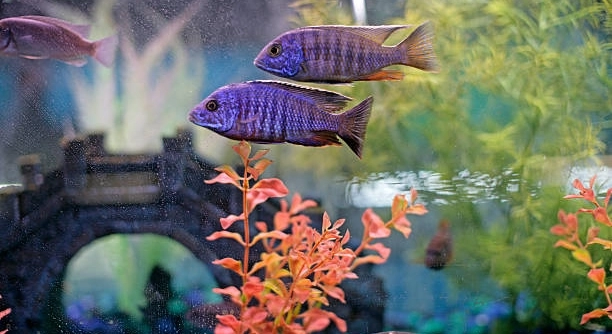
Keeping a community tank of fish can be rewarding, but mixing the wrong species often causes problems. Compatibility issues may seem minor at first but can lead to stress and poor health. Choosing the right tank mates is important for harmony.
Wrong tank mates often lead to aggression, territorial disputes, and stress among fish. These problems can cause injuries, weaken immune systems, and even result in death. Understanding common conflicts helps prevent damage to your aquatic environment.
Identifying these issues early can protect your fish and improve your tank’s balance. This article explains key problems caused by incompatible tank mates.
Aggression and Fighting Among Tank Mates
Aggression is one of the most common problems caused by incompatible tank mates. Some fish are naturally territorial and will attack others that invade their space. This behavior can lead to constant chasing, biting, and injuries. Over time, the stressed fish may stop eating or hide excessively, affecting their health and growth. Even peaceful species can become aggressive when kept with the wrong companions. Aggression is not only harmful to the fish but also disrupts the overall balance in the tank. Proper research on each species’ temperament and territory needs is crucial before mixing them. Providing enough hiding places and space can reduce tension, but it does not always solve the problem. Careful selection of compatible species is the best way to prevent aggression and keep the tank peaceful.
Aggressive behavior can escalate quickly and cause lasting harm to weaker fish. Recognizing early signs is key to intervention.
Watching fish interactions closely can help spot aggression early. Removing or separating aggressive fish protects the tank community and maintains a healthy environment.
Stress and Its Effects on Fish Health
Stress is a serious issue that often results from wrong tank mates. When fish are constantly chased or bullied, their bodies release stress hormones, weakening their immune systems. This makes them more vulnerable to diseases and infections. Stress can also slow growth and reduce lifespan. Even small, repeated disturbances affect fish well-being. Tank conditions like overcrowding or lack of hiding spots worsen stress levels. Stress is not always visible at first but can be identified through changes in behavior such as loss of appetite or lethargy. Preventing stress starts with choosing compatible species that coexist peacefully and providing enough space. Regular monitoring and maintaining clean water conditions are essential to reduce stress. Fish that live in a calm environment are more likely to thrive and display natural behaviors.
Reducing stress improves fish health and promotes a balanced tank environment. Observing fish daily helps catch stress symptoms early.
Avoiding stressful situations and providing a stable environment supports the long-term well-being of your aquatic pets.
Uneven Feeding and Nutritional Issues
Uneven feeding often occurs when aggressive fish dominate food sources. Shyer or slower fish may not get enough nutrition, leading to malnutrition and stunted growth. Feeding habits can vary widely among species, which complicates tank management.
This problem is especially common in mixed-species tanks where some fish are fast eaters and others are slow or timid. When food is scarce or competition is high, weaker fish often miss their meals. This creates an imbalance in health and growth rates. Over time, weaker fish become more vulnerable to illness and stress. Adjusting feeding techniques, like spreading food evenly or feeding in multiple spots, helps. Sometimes, separating fish during feeding ensures everyone gets their share.
Proper nutrition is essential for fish survival and well-being. Understanding feeding behavior helps avoid problems caused by mismatched tank mates.
Disease Transmission Risks
Certain fish species carry bacteria or parasites that others cannot resist. Introducing incompatible species increases the risk of spreading diseases quickly. Some diseases remain dormant in healthy carriers but become harmful under stress. Poor compatibility worsens health risks by causing stress and injuries that lower immunity.
Disease outbreaks often start with one infected fish and spread rapidly, especially in crowded or stressed tanks. Preventing this requires quarantine of new fish and careful species selection. Monitoring water quality and tank hygiene reduces infection chances. Mixing fish that share similar immune resistance reduces risks. Prompt treatment and isolation of sick fish prevent major losses. Knowing which species can carry and transmit diseases guides safer tank choices.
Disease management is vital for a healthy tank and reduces stress caused by wrong tank mates. Prevention is always better than cure.
Space and Territory Conflicts
Fish need enough space to establish territories and swim freely. Crowded tanks cause constant fights and stress. Some species require more room than others, and ignoring this leads to problems.
Overlapping territories increase aggression and damage. Proper tank size and layout prevent conflicts and create a peaceful environment.
Poor Water Quality Due to Incompatible Waste Levels
Different fish produce varying amounts and types of waste. Mixing high waste producers with sensitive species leads to poor water quality. This imbalance can cause ammonia spikes and unhealthy living conditions.
Maintaining water quality requires monitoring and frequent cleaning. Selecting tank mates with similar waste levels helps keep water stable and safe.
Incompatible Swimming Levels
Fish occupy different swimming zones—top, middle, or bottom. Mismatched species may compete for space or disturb each other, increasing stress and aggression.
Choosing tank mates that occupy separate swimming levels ensures harmony and reduces conflicts in the tank. This simple strategy supports peaceful coexistence.
What are the signs that tank mates are not compatible?
Signs of incompatibility include constant chasing, biting, and hiding. Aggressive fish may nip fins or attack others. Stress indicators are loss of appetite, unusual lethargy, or damaged scales. You might see uneven growth or sudden illness in certain fish. Changes in behavior often appear before physical symptoms. Watch for fish that avoid swimming freely or stay isolated. Frequent fights or territorial disputes are clear red flags. Noticing these signs early allows for quick action to prevent harm and restore balance.
How can I prevent aggression between tank mates?
Preventing aggression starts with choosing species known to coexist peacefully. Avoid mixing highly territorial fish with shy or slow swimmers. Provide enough space and hiding places to reduce competition. Rearrange decorations occasionally to break up established territories. Feeding fish in multiple spots lessens food-related fights. Monitor interactions regularly and separate aggressive fish if needed. Proper tank size and a balanced number of fish also help maintain harmony. Taking these steps reduces stress and keeps your aquatic environment calm.
Is it necessary to quarantine new fish before adding them to the tank?
Quarantining new fish is essential to avoid introducing diseases and parasites. A quarantine tank helps observe fish for signs of illness before mixing them with established tank mates. This process protects all fish from infections that can spread quickly in community tanks. The quarantine period usually lasts two to four weeks. During this time, treat any detected health issues. Even healthy-looking fish can carry dormant diseases. Quarantine is a simple but effective step to maintain long-term tank health.
What should I do if my fish are stressed from incompatible tank mates?
If fish show stress signs, identify the cause quickly. Increase hiding places and rearrange the tank to reduce direct confrontation. Adjust feeding routines to ensure all fish get food. Consider separating aggressive fish or moving sensitive ones temporarily. Check water quality and make frequent changes if necessary. Reducing overcrowding can also help. Stress weakens immunity, so minimizing it prevents disease. If problems persist, it may be best to rehome certain fish to improve overall well-being.
Can fish with different dietary needs live together successfully?
Fish with very different diets can live together if feeding is carefully managed. Herbivores, carnivores, and omnivores require different foods, so providing a varied diet is important. Feeding multiple times a day and in different spots helps ensure all fish get their required nutrition. Avoid overfeeding to keep water quality stable. Some species may need special supplements or live food, which must be planned for. Proper feeding routines reduce competition and support healthy growth.
How important is tank size when mixing different species?
Tank size plays a critical role in mixing species successfully. Larger tanks provide more space for territories and reduce stress caused by crowding. Some fish grow quite large or need swimming room, which smaller tanks cannot accommodate. Overcrowding increases aggression and poor water quality. Choosing a tank that fits the adult size and behavior of each species helps maintain harmony. When space is limited, fewer fish or more compatible species are better choices.
What are the risks of mixing aggressive and peaceful fish?
Mixing aggressive and peaceful fish usually results in bullying and injury to the more docile species. Aggressive fish often dominate food and territory, causing stress and hiding behavior in peaceful fish. Injuries from fin nipping or chasing lead to infections and weaken immune responses. This imbalance reduces the peaceful fish’s lifespan and disrupts the tank environment. It is best to avoid pairing these types or provide ample space and hiding spots to reduce conflicts.
How can I maintain good water quality with diverse tank mates?
Maintaining water quality requires regular testing and cleaning. Different species produce varying waste amounts, affecting ammonia and nitrate levels. Using a high-quality filtration system suited for the tank size and bioload is essential. Performing partial water changes weekly helps keep toxins low. Avoid overfeeding to reduce waste buildup. Selecting species with similar waste output simplifies maintenance. Monitoring water parameters consistently prevents health issues linked to poor water quality.
What are the common diseases caused by wrong tank mates?
Common diseases include fin rot, ich, and bacterial infections, often triggered by stress or injuries from aggressive tank mates. Stress lowers fish immunity, making them vulnerable to parasites and infections. Poor water quality from incompatible waste levels also contributes. Fighting causes open wounds that become infected easily. Early detection and treatment are important to stop outbreaks. Choosing compatible species and maintaining clean conditions reduce disease risks significantly.
Can different species live together if they occupy separate swimming levels?
Yes, selecting species that swim at different levels—top, middle, bottom—can reduce conflicts. This separation limits territorial disputes and competition for space. Fish are less likely to interfere with each other’s routines. However, other compatibility factors like temperament and diet must still be considered. Proper tank layout with plants and decorations supports these vertical zones. This approach creates a balanced environment where diverse species coexist peacefully.
Choosing the right tank mates is essential for a healthy and peaceful aquarium. When incompatible fish are kept together, problems like aggression, stress, and poor water quality often arise. These issues affect not only the fish’s well-being but also the overall balance of the tank. Understanding the needs of each species and their behaviors can help prevent many common problems. It is important to research fish carefully before adding them to your tank, paying close attention to their size, temperament, and environmental needs. This preparation ensures a more harmonious aquatic community where fish can thrive.
Managing an aquarium with multiple species requires ongoing attention and care. Even with the best choices, conflicts may still happen. It is important to observe the fish regularly and act quickly if problems develop. Providing enough space, hiding places, and proper nutrition can reduce tension and support health. In some cases, separating aggressive or stressed fish might be necessary. Water quality also needs constant monitoring since poor conditions can worsen problems caused by incompatible tank mates. A clean, stable environment allows fish to live longer and display natural behaviors, making your tank more enjoyable to watch.
Finally, patience and commitment play a large role in maintaining a balanced aquarium. Fish communities take time to adjust and settle into their environment. Mistakes happen, but learning from them improves future decisions. Taking the time to understand the effects of wrong tank mates helps avoid unnecessary losses and frustration. With proper care, research, and attention, you can create a peaceful and thriving aquatic environment. This benefits not only the fish but also anyone who appreciates the beauty and calmness an aquarium provides.

Hello,
If you enjoy the content that we create, please consider saying a "Thank You!" by leaving a tip.
Every little bit helps us continue crafting quality advice that supports the health, happiness, and well-being of pets around the world, for pets of all shapes, sizes, and species.
We really appreciate the kindness and support that you show us!