
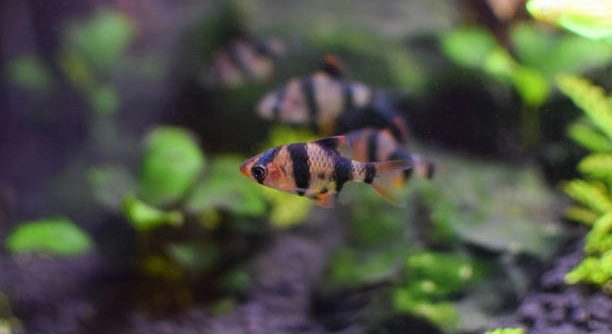
Uneven heating in tanks can lead to various problems that affect both the tank’s function and the creatures inside it. Maintaining consistent temperature is important for many aquatic environments and heating systems. Small temperature differences may cause big issues over time.
Uneven tank heat can cause stress to aquatic life, inefficient energy use, and damage to equipment. Temperature fluctuations disrupt ecosystems, reduce system lifespan, and may lead to costly repairs or replacements if not addressed promptly.
Recognizing these common problems helps in preventing damage and maintaining a healthy environment for your tank’s inhabitants. Understanding the causes and effects is essential for proper tank care.
Temperature Stress on Aquatic Life
Uneven heating in tanks creates stressful conditions for aquatic animals. Many species depend on stable temperatures to regulate their metabolism and immune systems. When temperatures fluctuate too much, fish and other creatures can become lethargic or overly active, which affects their health. Sudden cold spots or heat zones may cause disease outbreaks or even death. Plants in the tank also suffer, as some require specific temperature ranges to grow properly. Consistent heat helps maintain a balanced environment, reducing the risk of harmful algae growth or oxygen depletion. Many tank owners do not realize how sensitive aquatic life is to temperature changes. Keeping the heat uniform supports the natural behavior and wellbeing of all tank inhabitants, leading to a healthier, more stable ecosystem overall.
Uneven heat can make aquatic life vulnerable to illness and reduce their lifespan significantly. Stability is key.
Regular monitoring and adjusting heating elements can prevent temperature swings. Using a reliable heater with a built-in thermostat is helpful. Proper placement of the heater ensures even heat distribution, avoiding cold spots. Insulating the tank can reduce external temperature influences. In some cases, adding circulation pumps helps spread warmth evenly throughout the tank. It is important to check temperature daily, especially during seasonal changes. Even a small change in one area can cause large disruptions inside the tank. Maintaining uniform heat requires consistent attention but prevents many health problems for aquatic life. A stable environment also supports beneficial bacteria that keep the tank clean. Overall, preventing temperature stress contributes to a thriving and balanced aquatic habitat.
Increased Energy Consumption and Costs
Uneven heating forces the tank heater to work harder to maintain the desired temperature. This increased effort uses more electricity and raises energy bills.
When the heat is uneven, some areas of the tank become too cold, prompting the heater to run continuously. This constant operation not only wastes energy but also shortens the heater’s lifespan. Over time, this leads to higher replacement costs and potential damage to other tank components. Efficient heating reduces the workload and keeps expenses down. Proper insulation and good heater placement minimize energy waste by maintaining a steady temperature. Monitoring temperature regularly helps identify problems early before energy use spikes. Investing in energy-efficient equipment and techniques can provide long-term savings. Overall, controlling heat distribution in your tank is an important step toward lowering operational costs and protecting your equipment from unnecessary wear.
Equipment Damage and Malfunction
Uneven heat causes wear and tear on tank equipment. Components may overwork in some areas and underperform in others.
When certain parts of the tank heat up more than others, heaters and pumps face extra strain. This imbalance can lead to overheating or freezing of specific components, reducing their lifespan. Electrical parts may short-circuit due to temperature fluctuations, causing malfunctions. In some cases, sensors provide inaccurate readings if placed in uneven heat zones, leading to improper adjustments. Regular maintenance becomes difficult because the equipment does not operate consistently. Uneven heating ultimately increases the risk of breakdowns and costly repairs, disrupting the tank’s normal function.
Properly distributing heat extends equipment life. Installing circulation devices and using thermostats placed in representative tank areas help maintain balance. Avoid placing heaters too close to walls or decorations, as this traps heat and causes hotspots. Monitoring equipment performance closely can identify early signs of damage caused by temperature inconsistencies. Taking these steps reduces the chance of sudden failures and ensures the tank runs smoothly over time.
Impact on Water Quality
Temperature differences affect water chemistry and quality in the tank. Uneven heat leads to inconsistent conditions for beneficial bacteria and water parameters.
The growth and activity of nitrifying bacteria depend heavily on stable temperatures. When parts of the tank are cooler or hotter, these bacteria work inefficiently, which disrupts the nitrogen cycle. This disruption causes ammonia and nitrite levels to rise, harming aquatic life. Temperature variations also influence oxygen levels, since warmer water holds less oxygen. Areas with higher heat may experience lower oxygen concentrations, stressing fish and plants. Fluctuating temperatures promote algae blooms by creating favorable environments in certain spots. Managing heat evenly helps maintain consistent water quality, supporting the health of all tank inhabitants.
Monitoring water chemistry regularly is essential in tanks with uneven heat. Using heaters with thermostats and circulation pumps minimizes temperature swings and promotes uniform water conditions. Water quality tests help detect early imbalances caused by temperature differences. Consistent temperature supports the biological filtration system and keeps the tank environment stable. This reduces the risk of sudden water quality issues that can be hard to control once established. Overall, even heating is a key factor in maintaining clean, healthy water for aquatic life.
Uneven Growth of Plants
Uneven heat can stunt or distort plant growth in tanks. Some plants thrive in warmer areas while others suffer in cooler spots.
Plants require consistent temperatures for proper photosynthesis and nutrient uptake. When heat varies, growth becomes uneven, and some plants may die off.
Risk of Disease Outbreaks
Temperature fluctuations weaken the immune systems of aquatic creatures. This makes them more prone to infections and disease outbreaks, increasing tank health risks.
Stress on Filtration Systems
Uneven heat causes filtration systems to work inconsistently. This can reduce their efficiency, leading to poorer water quality and a less stable tank environment.
Difficulty in Maintaining Stable Environment
Uneven tank heat complicates maintaining a balanced environment. It requires constant adjustments and close monitoring to prevent problems from developing.
What causes uneven tank heat?
Uneven tank heat is usually caused by poor heater placement, inadequate circulation, or insulation issues. Heaters placed too close to one side or blocked by decorations can create hotspots. Lack of water movement prevents heat from spreading evenly. External temperature changes or drafts can also cause uneven warming.
How can I tell if my tank has uneven heating?
Use a reliable thermometer to measure temperature at different spots in the tank. Notice if some areas are consistently warmer or cooler. Watch for unusual fish behavior like hiding or increased activity in certain zones. Plants growing unevenly or equipment working irregularly may also indicate heat issues.
What is the best way to fix uneven heating?
Place the heater where water flows freely around it to distribute heat better. Add a circulation pump or powerhead to improve water movement. Insulate the tank to reduce heat loss from one side. Regularly check temperatures across the tank and adjust heater settings as needed.
Can uneven heating harm my fish?
Yes, temperature fluctuations stress fish and lower their immunity. This makes them prone to diseases and reduces their lifespan. Consistent heat supports normal metabolism and activity, keeping fish healthier.
Does uneven heat affect energy use?
Yes, uneven heating causes the heater to run longer, increasing electricity consumption. The heater works harder to warm cold spots, leading to higher energy costs and faster equipment wear.
Are some tanks more prone to uneven heat?
Large tanks, oddly shaped tanks, or those with many decorations are more likely to have uneven heat. Tanks near windows or in drafty rooms also experience more temperature swings.
Is a thermostat enough to prevent uneven heating?
A thermostat controls the heater but cannot fix poor heat distribution by itself. Proper heater placement and water circulation are necessary to ensure uniform temperatures.
How often should I check my tank temperature?
Daily monitoring is best, especially during seasonal changes. Checking multiple spots helps catch uneven heat early before it causes problems.
Can uneven heat cause algae problems?
Yes, temperature differences can encourage algae growth in warmer areas. Algae thrive in warm, nutrient-rich water, so hotspots can lead to blooms.
What equipment helps maintain even heat?
A good-quality heater with an accurate thermostat, circulation pumps, and insulation materials all help keep heat uniform. Properly sized equipment is important for your tank’s volume.
Can uneven heat damage tank plants?
Plants are sensitive to temperature changes. Uneven heat can stunt growth, cause discoloration, or kill plants in cooler or hotter spots. Consistent warmth promotes healthy growth.
Is it expensive to fix uneven tank heat?
Fixing uneven heat can be inexpensive with simple steps like repositioning the heater or adding a small pump. Insulation materials and better heaters might cost more but are worthwhile investments.
Can I use multiple heaters to prevent uneven heat?
Yes, multiple heaters placed strategically can provide more uniform heat, especially in large tanks. They should be set at the same temperature and monitored closely to avoid overheating.
What role does water circulation play in tank heating?
Water circulation helps distribute heat evenly by moving warm water from the heater throughout the tank. Without circulation, heat stays concentrated, causing temperature differences.
Is uneven heating a common issue?
Yes, uneven heating is a frequent problem for many tank owners. It often goes unnoticed until it causes health or equipment issues. Awareness and regular checks can prevent most problems.
How can I prevent uneven heating in a new tank?
Plan heater placement carefully, invest in circulation devices, and insulate the tank well. Test temperature regularly during the first weeks to ensure even heat before adding sensitive animals.
What temperature range is best for most tanks?
Most freshwater tanks do well between 74°F and 78°F (23°C–26°C). Tropical species may need higher temperatures. Stability within this range is more important than hitting an exact number.
Can uneven heating affect tank decorations?
Yes, some materials may warp or degrade faster if exposed to uneven heat. Plastic plants or foam decorations near hotspots can be damaged.
What should I do if I notice sudden temperature drops?
Check the heater and power supply first. Inspect for water flow issues or drafts near the tank. Adjust insulation or add a backup heater if needed.
Is it safe to use heaters with built-in thermostats?
Yes, heaters with built-in thermostats provide good temperature control. However, combining them with external thermostats or controllers adds safety and precision.
Can uneven heat cause stress behavior in fish?
Fish may hide, lose appetite, or become aggressive due to temperature stress. Observing behavior changes can help identify uneven heating issues early.
Are there signs of uneven heating in plant growth?
Plants may show patchy growth, yellowing, or leaf drop in cooler areas. Warmer zones may encourage faster growth or algae overgrowth on plants.
How does seasonal change affect tank heating?
Room temperature changes with seasons influence tank heat. Cooler air in winter or drafts near windows cause uneven heat without proper insulation and heating adjustments.
Does tank size influence heating uniformity?
Larger tanks are harder to heat evenly because heat takes longer to spread. Small tanks warm faster and maintain more uniform temperatures naturally.
Can uneven heating cause water evaporation differences?
Yes, warmer areas evaporate water faster, potentially changing salinity and water levels unevenly. This requires more frequent water top-offs and monitoring.
How often should I replace tank heaters?
Heaters typically last 3–5 years but may fail sooner if overworked by uneven heating. Regular testing ensures they work efficiently.
Is a tank cover helpful for heat stability?
A cover reduces heat loss and evaporation, helping keep temperature stable. It also protects the heater and reduces drafts.
Can uneven heating impact breeding success?
Temperature stability is critical for breeding many species. Uneven heat may reduce spawning or cause eggs to fail due to improper conditions.
What is the simplest fix for uneven tank heat?
Repositioning the heater and adding a small water circulation device often solves most uneven heating problems quickly and cheaply.
Are there signs of uneven heating in water clarity?
Water may become cloudy or develop algae blooms in warmer zones, indicating heat imbalances affecting water quality.
Should I consult a professional for severe heating issues?
For persistent or complex heating problems, consulting an expert ensures proper diagnosis and solutions tailored to your tank setup.
Uneven tank heat can cause a range of problems that affect both the health of aquatic life and the efficiency of the tank system. It creates stressful conditions for fish and plants, leading to poor growth, weakened immune systems, and higher risks of disease. Equipment also suffers as heaters and pumps work harder or fail prematurely due to uneven temperature distribution. Additionally, uneven heat affects water quality by disrupting the biological processes that keep the tank clean and balanced. All of these issues make it clear that maintaining even heating is important for a healthy tank environment.
Preventing uneven heat requires attention to several factors. Proper heater placement is essential to ensure warm water circulates evenly throughout the tank. Adding circulation devices, like pumps or powerheads, can help distribute heat more effectively and avoid cold spots. Insulating the tank and protecting it from drafts or external temperature changes also plays a key role in maintaining stable conditions. Regular monitoring of temperature in different areas of the tank allows early detection of problems before they cause harm. Using quality equipment with reliable thermostats reduces energy waste and prevents sudden temperature swings.
Taking these steps may seem like extra effort, but they help avoid costly repairs and health problems over time. A stable and evenly heated tank supports aquatic life, improves water quality, and prolongs the life of equipment. Consistency in temperature is often more important than hitting exact numbers. By focusing on even heat distribution, tank owners can create a balanced and thriving environment that is easier to manage and enjoy. Paying attention to temperature and making simple adjustments when needed keeps the tank healthy and comfortable for its inhabitants.

Hello,
If you enjoy the content that we create, please consider saying a "Thank You!" by leaving a tip.
Every little bit helps us continue crafting quality advice that supports the health, happiness, and well-being of pets around the world, for pets of all shapes, sizes, and species.
We really appreciate the kindness and support that you show us!