
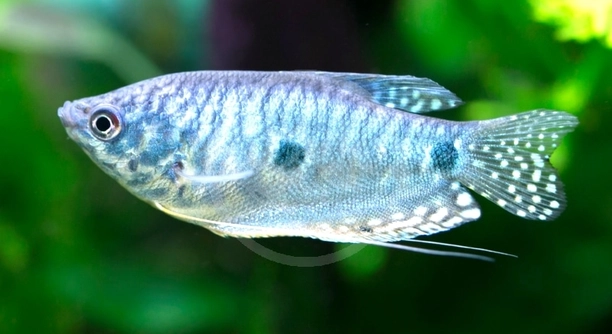
Gouramis are popular aquarium fish known for their unique behavior and colors. However, poor diet choices can lead to various health issues. Understanding the impact of nutrition on their well-being is essential to maintaining a healthy fish.
Poor diet choices for gouramis can result in several problems, including weakened immune systems, growth issues, and digestive disorders. A lack of essential nutrients can lead to malnutrition, making gouramis more susceptible to diseases and other health complications.
A proper diet is key to keeping your gourami healthy and happy. Understanding the effects of poor nutrition is the first step in providing the best care possible.
Weak Immune System
When a gourami’s diet lacks essential vitamins and minerals, their immune system can become weak. Without the proper nutrients, they become more susceptible to diseases and infections. A poor diet, particularly one that doesn’t provide the necessary proteins, fats, or vitamins, weakens their ability to fight off common aquarium illnesses. Over time, this leads to frequent sickness, which could drastically affect their overall health.
A weak immune system is not only a concern for the fish but also for the entire tank. Infected gouramis may transmit diseases to other fish, making it more difficult to maintain a healthy aquarium environment.
To avoid this, it’s important to offer your gouramis a balanced diet that includes the proper mix of proteins, vegetables, and essential nutrients. Adding a variety of high-quality foods like pellets, flakes, and occasional live foods helps keep their immune system strong. This ensures they are better prepared to handle stress and resist infections that may arise in the tank.
Stunted Growth
If a gourami’s diet is not well-balanced, it can stunt their growth. Fish rely on proper nutrition during their early stages to reach their full size and health. Without sufficient protein and other essential nutrients, they may grow at a much slower rate or fail to thrive altogether.
Growth issues often manifest as smaller-than-expected fish that seem weak or lethargic. This can be a clear sign that your gourami is not receiving the right nutrients to support its development. A lack of protein can especially prevent growth in young gouramis, as they require this nutrient to build muscle and develop strong bones.
To ensure your gouramis grow properly, provide them with foods that are rich in protein, such as bloodworms, brine shrimp, or specialized pellets. Regular feedings and a varied diet will help them grow at a healthy rate and prevent any stunting that can occur from poor nutrition.
Digestive Disorders
A poor diet can lead to digestive problems in gouramis, causing them to experience bloating, constipation, or difficulty digesting food. Without proper nutrition, their digestive system can become sluggish and inefficient.
Feeding your gourami too much or giving them foods that are hard to digest can lead to gastrointestinal issues. Overfeeding, in particular, contributes to bloating, which can put pressure on their organs and reduce their ability to absorb nutrients. If this becomes chronic, it can even lead to organ damage.
To prevent digestive issues, provide high-quality food that is suitable for your fish’s size and species. It’s also important to avoid overfeeding. Feed them small amounts more frequently to help regulate their digestion and prevent bloating. This will keep their digestive system functioning properly and ensure they absorb the nutrients they need to stay healthy.
Malnutrition
Gouramis that don’t get a well-rounded diet can suffer from malnutrition, which can cause various health problems. Without the right balance of nutrients, their bodies can’t function optimally, leading to weight loss and overall poor health.
Malnourished gouramis often show visible signs like sunken bellies, loss of color, and lethargy. They may also appear thin or weak. This happens because the fish aren’t getting the required protein, fat, or vitamins they need for energy and growth. Malnutrition can make your fish more vulnerable to infections and diseases.
Providing a diet that includes a mix of high-quality pellets, vegetables, and occasional live or frozen foods ensures your gouramis get the nutrition they need. Regularly feeding them in small amounts will also help prevent overfeeding, which can lead to other problems like poor digestion.
Obesity
Feeding your gourami too much, especially foods high in fats and low in nutrients, can lead to obesity. Overfeeding leads to excess fat accumulation, which strains their organs and reduces their overall health.
Obesity is not only about appearance; it affects their mobility and overall well-being. Obese gouramis can have trouble swimming properly, which makes it difficult for them to forage for food and interact with their environment. Excess weight also leads to an increased risk of heart and liver issues.
A balanced diet and controlled portions are essential in preventing obesity. Feed your gouramis the right amount of high-quality food that provides the proper nutrients without excessive fats or empty calories. Regular feeding schedules with varied foods will help maintain a healthy weight.
Skin and Fin Problems
A poor diet can result in skin and fin issues, such as discoloration, fin rot, or rough patches on the body. Without proper nutrients, their skin and fins may not develop properly, leading to health complications.
A lack of essential fatty acids and vitamins can impair your gourami’s skin health. Fish that are deficient in these nutrients often have dull colors and damaged fins, making them more vulnerable to infections. Proper nutrition helps maintain vibrant colors and strong, healthy fins that protect the fish from external threats.
Feeding your gouramis food with omega-3 fatty acids, along with other essential nutrients, helps promote healthy skin and fins. Keeping their environment clean and stress-free also supports their overall well-being.
FAQ
What is the best diet for a gourami?
The best diet for a gourami includes high-quality pellets or flakes, along with occasional live or frozen foods like brine shrimp, bloodworms, or daphnia. It’s important to offer a variety of foods to provide all the necessary nutrients, including proteins, fats, and vitamins. Including some plant-based options, like spinach or zucchini, ensures a well-rounded diet. Keep in mind that different species of gouramis may have specific dietary needs, so research your fish’s type for more accurate guidance. Always feed in small amounts to prevent overfeeding and ensure your gourami receives the right nutrients without excess waste.
How often should I feed my gourami?
Feeding your gourami once or twice a day is usually sufficient. Overfeeding can lead to health problems like obesity or digestive issues, so avoid leaving food in the tank for extended periods. A good rule of thumb is to feed only what your fish can consume in a few minutes. You can adjust feeding times based on the size, age, and activity level of your fish. Juvenile gouramis may need more frequent feedings, while adults typically do well with once-daily feedings.
Can poor diet cause my gourami to lose color?
Yes, a poor diet can result in dull or faded coloration in gouramis. Lack of nutrients, particularly vitamins and fatty acids, can affect their ability to maintain vibrant colors. Offering a diet rich in natural color-enhancing foods, such as spirulina or carotenoids, can help enhance the brightness of your gourami. It’s essential to provide a balanced diet with a variety of food options to support your fish’s natural coloration.
Can I feed my gourami only pellets?
While pellets can form the base of your gourami’s diet, feeding them exclusively pellets isn’t recommended. Pellets are convenient and nutritious, but they may not provide all the nutrients that your gourami needs. Gouramis also benefit from occasional live or frozen foods like bloodworms, brine shrimp, or daphnia, as well as vegetables like spinach and zucchini. Offering a variety of foods ensures a balanced and healthy diet, supporting your fish’s overall well-being.
How can I tell if my gourami is overfed?
Signs of overfeeding in gouramis include bloating, sluggishness, and visible fat buildup around the belly. If your fish seems lethargic or floats near the surface after eating, it’s likely they are overfed. Excess food can also cause water quality problems, leading to algae growth and increased ammonia levels. To avoid overfeeding, only give your gourami small portions that they can consume within a few minutes. Removing uneaten food from the tank can also help prevent issues.
How do I prevent digestive problems in my gourami?
To prevent digestive problems, avoid overfeeding your gourami and offer high-quality food that’s easy to digest. Foods with high fiber content, like blanched vegetables, can promote healthy digestion. Overfeeding can lead to bloating and constipation, which can result in serious health issues over time. Make sure to feed your gourami in moderation and remove any uneaten food from the tank to maintain water quality and prevent digestive issues.
What are the best live foods for gouramis?
Live foods like brine shrimp, daphnia, and bloodworms are excellent for gouramis. They provide essential proteins and encourage natural hunting behavior. These foods are rich in nutrients that support the growth and health of your fish. However, live foods should be offered in moderation and should be sourced from reliable suppliers to avoid introducing parasites or diseases into the tank.
How can I keep my gourami’s fins healthy?
To maintain healthy fins, ensure your gourami receives a well-balanced diet, including essential fatty acids and vitamins. A lack of these nutrients can lead to fin damage or even fin rot. Keeping the water quality high by performing regular water changes and maintaining proper filtration will also help prevent fin problems. Additionally, avoid overcrowding your aquarium, as this can lead to stress and injury, which can affect your fish’s fins.
How do I know if my gourami is malnourished?
Malnourished gouramis often show signs like a sunken belly, lack of energy, and faded colors. Their fins may appear ragged or discolored, and they may be more susceptible to diseases. A malnourished gourami may also exhibit signs of weakness and lethargy. If you notice any of these symptoms, it’s important to address their diet immediately. Offer a more varied, balanced diet to ensure they get the proper nutrients they need to recover and thrive.
Can gouramis eat vegetables?
Yes, gouramis can eat vegetables, and including them in their diet is beneficial. Offer blanched vegetables like spinach, zucchini, or peas to provide essential nutrients like fiber, vitamins, and minerals. These vegetables can help improve digestion and prevent constipation. Make sure to remove any uneaten vegetables from the tank after a few hours to avoid water quality issues. A mix of plant-based and protein-rich foods ensures a healthy, balanced diet for your gourami.
Final Thoughts
Maintaining a proper diet for your gourami is essential for their overall health and well-being. A balanced diet helps prevent a range of health problems, from obesity and digestive issues to skin and fin problems. Offering a variety of foods, such as high-quality pellets, live or frozen foods, and vegetables, ensures that your fish receive the right nutrients to thrive. Overfeeding should be avoided, as it can lead to obesity and water quality issues. Feeding your gourami the right amount of food, at the right time, will support their long-term health.
It is important to observe your gourami’s behavior and physical appearance regularly. Changes in their color, activity level, or swimming pattern can be indicators of dietary imbalances or other health concerns. A healthy diet not only keeps them vibrant and active but also prevents complications that could affect their longevity. If you notice any signs of poor health, such as bloating or sluggishness, it’s crucial to address these issues promptly by adjusting their diet or environment. Regular water changes and maintaining a clean tank are just as important as providing the right food.
By understanding the dietary needs of your gourami, you can ensure they live a healthy, happy life. A well-balanced diet contributes to strong immune systems, vibrant colors, and good overall behavior. Avoiding processed, low-quality foods, and overfeeding will prevent most common health issues. With the right care, your gourami can thrive in your aquarium for years to come. Taking the time to provide proper nutrition and monitor their health will pay off in the form of a flourishing and long-lived fish.

Hello,
If you enjoy the content that we create, please consider saying a "Thank You!" by leaving a tip.
Every little bit helps us continue crafting quality advice that supports the health, happiness, and well-being of pets around the world, for pets of all shapes, sizes, and species.
We really appreciate the kindness and support that you show us!