
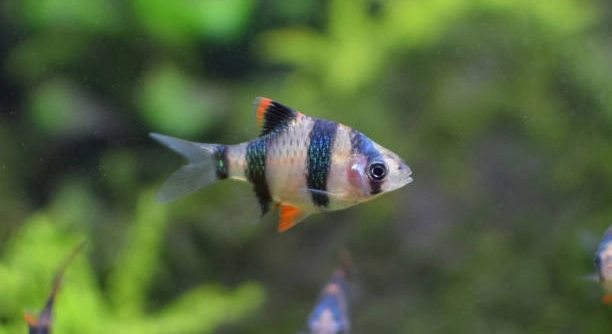
Feeding your tiger barbs well is important to keep them healthy and active. Sometimes, giving them too much food can cause problems you might not expect. Understanding these issues can help you provide better care for your fish.
Overfeeding tiger barbs can lead to water pollution, obesity, digestive problems, increased aggression, weakened immune systems, shorter lifespans, and overall poor health. These issues reduce the quality of life for the fish and can affect the entire aquarium environment.
Learning about these problems will help you manage feeding routines better and maintain a healthier tank for your tiger barbs over time.
Water Pollution from Uneaten Food
Uneaten food from overfeeding tiger barbs decomposes quickly in the tank, releasing harmful substances like ammonia and nitrites. These chemicals lower the water quality and create a toxic environment for the fish. Poor water conditions stress the fish, making them more vulnerable to diseases and infections. It also causes algae growth, which can cloud the water and reduce oxygen levels. Keeping the tank clean becomes harder as overfeeding increases the waste load. Regular water changes and proper feeding amounts help maintain a stable environment. Observing how much your fish eat in a few minutes can prevent excess food buildup. Feeding smaller portions more frequently is often better than one large feeding. Proper filtration also supports water quality but does not replace the need for controlled feeding. Maintaining good water quality is key to keeping your tiger barbs healthy and thriving.
Water pollution from overfeeding can quickly damage the tank’s ecosystem and harm the fish.
Controlling feeding amounts and maintaining regular cleaning schedules are essential steps to reduce water pollution. By doing so, the tank stays clear, oxygen-rich, and safe for tiger barbs. This balance supports their natural behavior and overall health. Overfeeding not only affects water quality but can also cause long-term problems that are harder to fix once established. Prevention through careful feeding habits is the most effective way to protect your aquarium’s environment and ensure your fish live longer, healthier lives.
Obesity and Digestive Issues
Overfeeding leads to obesity in tiger barbs, which makes them less active and more prone to illness. Excess food can cause bloating and constipation, leading to discomfort and even fatal blockages. The digestive system becomes overworked, which reduces nutrient absorption and weakens immunity. Overweight fish may struggle to swim properly and avoid predators in community tanks. Feeding the right portion size and avoiding fatty or heavy foods helps prevent these issues. Monitoring your fish’s body shape regularly can indicate if they need a diet adjustment. A balanced diet with varied nutrition supports their growth and energy levels without causing digestive strain. Avoid feeding more than they can consume in a few minutes to reduce leftover food waste and health risks.
Maintaining a balanced diet and appropriate feeding amounts helps prevent obesity and digestive problems.
Ensuring your tiger barbs receive suitable nutrition and feeding frequency promotes good digestion and keeps them active. Overfeeding can mask other health problems, so keeping portions in check makes it easier to spot early signs of illness. Feeding less but more often mimics natural feeding habits and supports their metabolism. With proper care, your fish will remain lively and healthy, reducing the chances of complications related to overeating.
Increased Aggression
Overfeeding can cause tiger barbs to become more aggressive. Excess food may increase competition and stress within the tank.
Aggressive behavior often arises when tiger barbs fight over abundant food. This can lead to injuries, especially in confined spaces. Overfeeding disrupts their natural social balance and may cause dominance struggles. Stress from aggression weakens their immune systems, making them more vulnerable to diseases. It is important to feed controlled portions and spread food evenly to reduce competition. Providing hiding spots and sufficient space also helps minimize aggressive encounters. Managing feeding habits is key to keeping the community peaceful and healthy.
Aggression can escalate quickly and harm the overall harmony of the aquarium. Careful feeding and tank management reduce stress and aggressive tendencies. Maintaining a balanced environment ensures that tiger barbs coexist peacefully without constant fighting over food.
Weakened Immune System
Overfeeding can weaken tiger barbs’ immune systems. Too much food causes internal stress and digestive strain, reducing their ability to fight illnesses.
A compromised immune system makes tiger barbs more susceptible to infections and parasites. Excessive nutrients can disrupt the gut microbiome, which plays a critical role in immunity. Fish with weakened defenses may show lethargy, loss of appetite, and increased vulnerability to common diseases. Providing a balanced diet with the right feeding frequency supports immune health and promotes recovery from minor illnesses. Avoiding overfeeding reduces stress and maintains the natural balance of beneficial bacteria in the digestive tract.
Preventing immune system problems requires careful attention to diet and portion sizes. Healthy feeding routines promote stronger defenses and longer lifespans for tiger barbs. It is crucial to monitor fish health regularly and adjust feeding habits when needed to support their well-being.
Shorter Lifespan
Overfeeding tiger barbs often leads to a shorter lifespan. Excess nutrients cause health problems that reduce their longevity.
Poor water quality, obesity, and disease from overfeeding contribute to early death. Maintaining proper feeding routines helps extend their life.
Poor Water Quality Maintenance
Overfeeding increases waste production, making water maintenance more difficult. More frequent water changes are needed to keep the tank safe. Without proper care, toxins build up quickly, stressing the fish and damaging their environment. Regular cleaning and controlled feeding are essential to preserve water quality and fish health.
Behavioral Changes
Excess food can cause unusual behavioral changes in tiger barbs. They may become lethargic or overly aggressive. These changes often signal stress or illness caused by poor diet management.
Digestive Problems
Overfeeding often leads to digestive issues like bloating and constipation. Proper feeding limits prevent these problems and support healthy digestion.
How much should I feed my tiger barbs?
Feeding tiger barbs about two to three small portions a day is usually enough. Give only what they can finish in two to three minutes to avoid leftover food. Overfeeding leads to many problems, so it’s better to feed less more often rather than large amounts at once.
What signs show that I am overfeeding my fish?
Leftover food on the tank bottom, cloudy water, and increased algae growth are common signs of overfeeding. Additionally, if your fish appear bloated, sluggish, or aggressive, these could also indicate they are eating too much.
Can overfeeding cause diseases in tiger barbs?
Yes. Overfeeding weakens their immune systems, making them more vulnerable to infections and parasites. Excess food decomposes and releases toxins that stress the fish and encourage harmful bacteria growth.
How often should I clean the tank if I overfeed?
If overfeeding happens, you may need to do more frequent water changes, sometimes twice a week, to control ammonia and nitrite levels. But it’s best to avoid overfeeding altogether to reduce maintenance needs.
What foods are best for tiger barbs to avoid digestive problems?
High-quality flakes or pellets made for tropical fish are good staples. Supplement with occasional live or frozen foods like brine shrimp or bloodworms. Avoid fatty or heavy foods that cause bloating or constipation.
Is it harmful to feed tiger barbs human food or leftovers?
Yes. Human food is not suitable and can upset their digestion or pollute the water. Stick to fish-specific foods to keep them healthy.
How can I prevent aggressive behavior linked to feeding?
Feed small portions evenly spread across the tank and provide plenty of hiding spots. This reduces competition and stress. Avoid overcrowding to keep aggression low.
Can overfeeding affect the other fish in a community tank?
Definitely. Overfeeding pollutes the water and causes health issues for all fish. Aggression caused by competition for excess food can also disturb the tank’s balance.
What should I do if my tiger barbs show signs of digestive trouble?
Reduce feeding amounts immediately and switch to easily digestible foods. Consider fasting them for a day or two to allow their systems to recover. Maintain clean water to support healing.
Are there any tools to help control feeding amounts?
Yes. Using a feeding ring or portion control feeders can help limit excess food. Observing your fish’s eating speed also helps you adjust portions accurately.
Can I feed tiger barbs once a day instead of multiple times?
Feeding once a day is possible but smaller, more frequent feedings better mimic natural conditions and reduce waste. Multiple feedings help maintain steady energy and reduce hunger-driven aggression.
Does overfeeding affect the water parameters immediately?
Not always immediately, but over time excess food breaks down, increasing ammonia and nitrites. This gradual buildup can lead to toxic conditions if unchecked.
How do I balance feeding tiger barbs with maintaining water quality?
Feed small portions and clean uneaten food quickly. Regular water testing and timely water changes help maintain water quality. Good filtration supports this balance but does not replace proper feeding control.
What happens if I ignore overfeeding signs?
Ignoring overfeeding can lead to long-term fish health decline, increased disease risk, tank algae problems, and eventually fish deaths. Addressing the issue early prevents these serious outcomes.
Can overfeeding stunt tiger barb growth?
Yes. Overfeeding causes digestive and metabolic stress that can interfere with proper development. Balanced feeding supports healthy growth without excess fat buildup.
Overfeeding tiger barbs can cause several serious problems that affect both the fish and the aquarium environment. These issues include poor water quality, increased aggression, obesity, and weakened immune systems. When fish receive more food than they need, the uneaten portions settle in the tank and begin to break down. This process releases harmful substances such as ammonia and nitrites, which make the water toxic for the fish. Poor water quality causes stress and illness, reducing the overall health and lifespan of tiger barbs. Keeping feeding amounts in check is one of the simplest ways to prevent these issues and maintain a clean, safe tank.
Controlling the amount of food given is essential for the well-being of tiger barbs. Feeding small portions that the fish can finish quickly helps avoid leftover food and reduces waste buildup. Overfeeding can also lead to obesity and digestive problems, which make the fish less active and more prone to disease. A healthy feeding routine supports proper digestion and strong immune function. It is important to observe your fish regularly to see if they appear bloated, lethargic, or aggressive, as these signs often indicate overfeeding. Adjusting feeding habits early on can prevent further health complications and keep your fish lively.
Maintaining a balanced diet and clean environment will help tiger barbs thrive in your aquarium. Avoid feeding human food or large amounts at once, and instead choose high-quality fish food appropriate for their needs. Regular water changes, proper filtration, and careful monitoring of feeding habits are key to keeping the tank stable and healthy. Understanding the risks of overfeeding and taking steps to avoid it will result in happier, healthier fish. Taking time to manage feeding routines carefully is a small effort that brings long-term benefits to your tiger barbs and your entire aquarium ecosystem.

Hello,
If you enjoy the content that we create, please consider saying a "Thank You!" by leaving a tip.
Every little bit helps us continue crafting quality advice that supports the health, happiness, and well-being of pets around the world, for pets of all shapes, sizes, and species.
We really appreciate the kindness and support that you show us!