
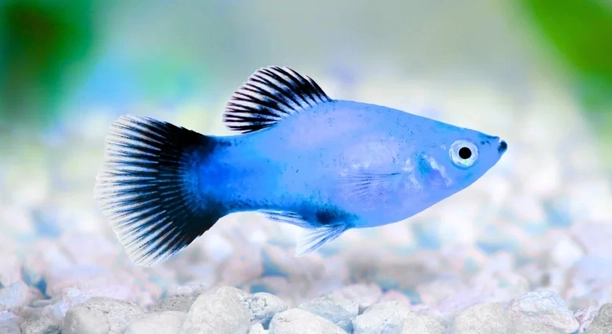
Are your platy tanks starting to look a bit too crowded, with fish bumping into each other and swimming space shrinking fast?
Overcrowded platy tanks can lead to stress, poor water quality, aggression, disease outbreaks, and stunted growth. Limited space affects their physical and mental health, making it harder for them to thrive in a balanced and stable environment.
These problems can slowly build up if not managed early, creating a difficult living space for your fish.
Stress and Aggression Among Fish
When too many platies are kept in a small tank, they can become anxious and unsettled. This stress often leads to aggressive behavior, especially among males. You might notice chasing, fin-nipping, or constant hiding. Platies need enough space to establish territories and swim without interference. Without it, competition for food and space increases, pushing their stress levels higher. Over time, this kind of environment weakens their immune systems. You may start to see more illness, less activity, and reduced breeding success. A peaceful tank depends on keeping a balanced number of fish for the size of your aquarium.
Aggression often leads to torn fins, injuries, and overall poor condition in affected fish. It also disrupts the social balance in the tank.
Observing platies carefully can help you recognize early signs of trouble. If one fish is constantly being chased or another seems to dominate the food area, it may be time to reassess your tank’s capacity. Adding more hiding spots or rearranging decorations can help reduce aggression, but reducing the number of fish is the most effective solution. Aim for a minimum of two gallons per platy to provide enough room for them to swim, rest, and interact peacefully with others.
Poor Water Quality
Too many platies in one tank will quickly strain your filter and make the water quality drop fast. Ammonia and nitrite levels rise, putting your fish at risk.
High waste output from overcrowded tanks causes dangerous spikes in ammonia, nitrite, and nitrate. This puts a serious strain on the tank’s biological filter. Even with regular cleaning, the filtration system can’t always keep up, and the water becomes cloudy or foul-smelling. Poor water quality leads to oxygen loss, which can make fish gasp at the surface. It also causes fin rot, cloudy eyes, and makes your platies more vulnerable to disease. Regular water testing is essential, and partial water changes become more frequent when tanks are overcrowded. Good filtration can help, but the most reliable fix is reducing the number of fish. Aim for proper stocking levels, and use live plants to help absorb excess nutrients. Balanced water keeps your platies healthy and active.
Increased Risk of Disease
When platies are overcrowded, sickness spreads quickly. Close contact makes it easy for bacteria, parasites, and fungi to move from one fish to another. Even minor infections can escalate fast in tight spaces.
Dirty water and constant stress lower a fish’s ability to fight off infections. Ich, fin rot, and fungal patches appear more often in overcrowded tanks. Medications may help, but if too many fish are infected at once, recovery becomes harder. One sick platy can expose the rest, making isolation and treatment more difficult. Keeping fewer fish per gallon, along with clean water and proper tank maintenance, lowers the risk of outbreaks. It’s also easier to spot unusual behavior and treat issues early when the tank is not overcrowded. Prevention is easier and more affordable than treatment, and it starts with giving each fish enough room to stay healthy and avoid unnecessary contact with others.
Once disease sets in, the tank becomes unstable. Medications can stress the biofilter, and repeat treatments may harm healthy fish. Constant illness also affects feeding habits and overall behavior. A well-spaced tank makes it easier to control disease, manage water parameters, and maintain calm, steady conditions. This is key to long-term platy care and preventing recurring problems.
Poor Breeding Conditions
Platies reproduce often, but overcrowding makes breeding stressful. Females may hide more, and males may become aggressive. Babies are also less likely to survive in crowded tanks with limited cover.
In a cramped tank, breeding stops feeling natural. Females under stress may miscarry or absorb their fry, and aggressive males chase excessively, causing more harm than success. Fry born in these conditions have little chance to survive. Larger fish may eat them, and there’s less room for hiding or growing safely. Even if you want to raise baby platies, they need clean, peaceful water and space to thrive. A heavily stocked tank makes it nearly impossible to protect the fry or give them what they need. Keep population levels steady, and avoid adding too many new platies. Controlled breeding in a less crowded space improves survival rates, health, and behavior in both adult fish and fry.
Lack of Oxygen
Too many platies in one tank lowers the oxygen levels quickly, especially at night when plants stop producing oxygen. This causes fish to swim near the surface and gasp for air.
Low oxygen leads to tired, sluggish fish and increases their stress. It can also worsen the effects of poor water quality.
Limited Swimming Space
Platies are active swimmers and need room to move freely. Overcrowded tanks reduce their space, causing constant bumping and competition for territory. This makes them feel unsafe and triggers aggressive behavior. A cramped environment also limits enrichment, making the tank dull and frustrating for the fish. Without proper room to swim, their health slowly declines.
Harder Tank Maintenance
The more fish you have, the more waste they create. This makes cleaning and water changes harder to keep up with. It also wears out filters faster, leading to more frequent replacements.
FAQ
How many platies should I keep in one tank?
A good rule of thumb is one platy per two gallons of water. This gives each fish enough space to swim comfortably and reduces stress. Overcrowding increases the risk of aggression, disease, and poor water quality. Larger tanks allow more fish but keep the same ratio for healthy living conditions.
What signs show my tank is overcrowded?
Look for fish constantly chasing or hiding, cloudy or smelly water, and fish gasping at the surface. You might notice torn fins or frequent illnesses. If your fish seem sluggish or their colors fade, these can also be signs of overcrowding. Observing how your platies behave and checking water parameters regularly can help catch problems early.
How often should I clean an overcrowded tank?
Overcrowded tanks need more frequent maintenance. Partial water changes should happen at least once a week to keep toxins down. Filter media may also need more regular cleaning or replacement to maintain efficiency. Skipping maintenance can quickly lead to poor water conditions and harm your fish.
Can I add plants to help with overcrowding?
Yes, live plants improve water quality by absorbing nutrients and providing hiding spots. They help reduce stress and aggression by breaking up the tank visually. However, plants don’t replace the need for proper stocking levels. They support a healthier environment but don’t solve overcrowding issues by themselves.
What should I do if I have too many platies?
If your tank is overcrowded, consider moving some fish to another tank or finding new homes for them. Avoid adding more fish until the population stabilizes. Increasing tank size is another option but requires more equipment and maintenance. Reducing numbers is the most straightforward way to improve conditions quickly.
How does overcrowding affect platy lifespan?
Overcrowding shortens lifespan by increasing stress, disease risk, and poor water quality. Fish in crowded tanks often live fewer years than those in well-maintained, properly stocked tanks. Giving each fish adequate space supports better health and longevity.
Can overcrowding cause platies to stop breeding?
Yes, stress from overcrowding can reduce breeding behavior. Females may avoid males or absorb their fry due to poor conditions. Providing enough space and hiding spots improves chances for successful breeding and fry survival.
Are male or female platies more affected by overcrowding?
Both are affected, but males tend to show more aggression under crowded conditions. Females may suffer from stress and injuries caused by chasing. Balancing the male-to-female ratio and avoiding overcrowding helps maintain peace in the tank.
How do I test water quality in an overcrowded tank?
Use water test kits to check ammonia, nitrite, nitrate, and pH levels regularly. Ammonia and nitrite should be zero, and nitrates kept low through water changes. Frequent testing helps detect issues early so you can act before your fish get sick.
Can overcrowding cause my platies to become stressed even if the water looks clear?
Yes, water can appear clear but still contain high toxins or low oxygen levels. Overcrowding stresses fish physically and mentally, which may not always show immediately in water clarity. Watch your fish’s behavior closely as a better stress indicator than water clarity alone.
Overcrowding in platy tanks causes many problems that can harm your fish’s health and happiness. When there are too many platies in a small space, they face constant stress from lack of room and competition. This stress leads to aggressive behavior, poor water quality, and a greater chance of disease. It also affects their ability to breed successfully and can shorten their lifespan. Keeping the right number of platies based on tank size is essential for their well-being. Giving each fish enough space helps create a balanced and peaceful environment where they can swim freely and stay healthy.
Maintaining a tank with many platies can become difficult because waste builds up quickly. Overcrowding puts a strain on your filtration system, requiring more frequent cleaning and water changes to keep the water safe. Even with good equipment, the tank can become unstable if too many fish live in it. This leads to poor water conditions that affect your platies’ breathing, behavior, and overall health. By avoiding overcrowding, you reduce the chances of common issues like fin rot, fungal infections, and low oxygen levels. A well-maintained tank with fewer fish is easier to care for and creates a better environment for everyone.
When planning your platy tank, it is important to consider their natural behavior and needs. They are active, social fish that thrive when given enough room to explore and interact without constant stress. Adding plenty of plants and hiding spots can improve their comfort, but these cannot replace the need for proper stocking levels. If your tank becomes crowded, it’s best to reduce the number of fish or increase the tank size. Paying attention to your platies and their environment will help you spot problems early and keep them happy. Proper care and space are the best ways to enjoy a healthy and lively platy community.

Hello,
If you enjoy the content that we create, please consider saying a "Thank You!" by leaving a tip.
Every little bit helps us continue crafting quality advice that supports the health, happiness, and well-being of pets around the world, for pets of all shapes, sizes, and species.
We really appreciate the kindness and support that you show us!