
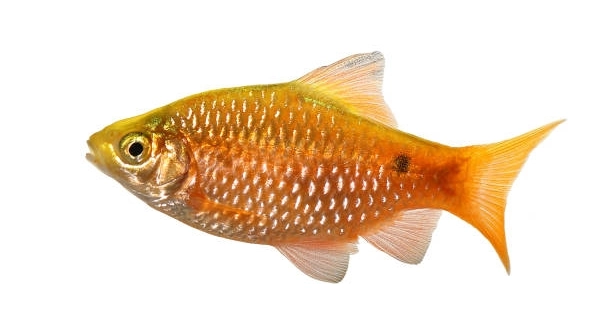
Rosy barbs are popular freshwater fish known for their bright colors and lively behavior. Many aquarium enthusiasts enjoy keeping them as part of their home tanks. Recognizing when these fish are healthy helps maintain a balanced aquatic environment.
Positive signs that a rosy barb is thriving include vibrant coloration, active swimming, consistent eating habits, clear eyes, and smooth scales. Healthy fish also display social behavior and respond well to environmental changes. Monitoring these indicators ensures optimal care.
Understanding these signs will help you maintain your rosy barb’s health and happiness. This knowledge supports a thriving aquarium environment for your fish to flourish.
Vibrant Coloration and Active Behavior
The bright colors of a rosy barb are one of the clearest signs of its health. When a rosy barb is thriving, its body will display vivid shades of red, pink, and orange. Dull or faded colors often indicate stress or illness. Alongside color, active swimming is a good sign. Healthy rosy barbs move confidently around the tank, exploring and interacting with their environment. They avoid hiding for long periods or remaining still at the bottom. It is important to maintain stable water conditions and proper nutrition to support these behaviors. Consistent feeding with balanced fish food helps keep their energy levels high and colors bright. Watching your rosy barb’s movement daily allows early detection of any changes. Active fish usually show fewer signs of disease and adapt well to their surroundings.
Rosy barbs with healthy coloration and lively swimming indicate good tank conditions and balanced care. These signs mean your fish is comfortable and well-maintained.
Observing these traits regularly ensures your fish stays vibrant and energetic. A healthy environment promotes continued growth and well-being for your rosy barb, making it a rewarding addition to your tank.
Consistent Eating Habits and Clear Eyes
Healthy rosy barbs have regular eating habits and clear eyes. When fish eat consistently, it shows they are not stressed or sick. Rosy barbs will eagerly accept food and finish their meals within a reasonable time. Clear eyes without cloudiness or swelling also indicate good health. Poor water quality or illness often causes eye problems, so keeping the tank clean is essential.
Monitoring your rosy barb’s appetite and eye clarity can help catch problems early. Prompt attention to changes helps prevent illness and promotes longer life.
A balanced diet including flakes, pellets, and occasional live or frozen foods supports their nutritional needs. Avoid overfeeding, as uneaten food can degrade water quality. Clean water with regular partial changes keeps the environment stable and reduces risk of infection. Clear eyes and steady feeding habits reflect a thriving rosy barb that is comfortable in its tank. Keeping an eye on these details allows you to provide better care and ensure your fish remains healthy.
Smooth Scales and Social Interaction
Smooth, intact scales are a sign of good health in rosy barbs. Scales that are rough, missing, or damaged may indicate injury or illness. Healthy scales reflect proper care and clean water.
Damaged scales often result from aggressive tank mates or poor water conditions. It’s important to observe your rosy barb regularly to detect any changes early. Keeping the tank environment stable and avoiding overcrowding helps prevent scale damage. Rosy barbs are generally peaceful, but aggression can occur if the tank is too small or overstocked. Providing hiding spots and proper space reduces stress and protects their scales.
Social behavior also signals wellness. Rosy barbs usually swim in groups and interact with one another. If a fish isolates itself or shows signs of aggression, it may be stressed or sick. Maintaining a balanced community tank supports positive social interaction and overall fish health.
Response to Environmental Changes
Rosy barbs that quickly adapt to changes in their environment show resilience. Adjusting well to new plants, decorations, or water parameters reflects their health.
Sudden changes can stress fish, but thriving rosy barbs recover rapidly without displaying lethargy or hiding. Consistent water quality and gradual adjustments help fish acclimate smoothly. A healthy rosy barb will explore new surroundings and maintain normal activity levels after changes. This adaptability is important for long-term care and stress reduction. Stress weakens immune systems, making fish vulnerable to disease, so observing how your fish reacts to change helps gauge their well-being. A calm and curious response is a positive sign of a thriving rosy barb.
Healthy Fins and Regular Breathing
Healthy rosy barbs have smooth, intact fins without tears or discoloration. Damaged fins can indicate stress, injury, or infection and should be addressed quickly.
Regular, calm breathing is another positive sign. Rapid or labored gill movement can mean poor water quality or illness.
Clear Eyes and Bright Scales
Clear eyes free from cloudiness or swelling show good health in rosy barbs. Bright, shiny scales reflect proper nutrition and clean tank conditions. Dull scales or cloudy eyes often point to stress or disease. Monitoring these features daily helps catch problems early before they worsen.
Consistent Swimming Patterns
Normal swimming behavior includes steady, balanced movement without erratic darting or floating. Consistency here suggests the fish feels safe and healthy in its environment.
FAQ
How often should I feed my rosy barb?
Feeding your rosy barb once or twice a day is ideal. Provide only what they can eat within a few minutes to avoid leftover food that can pollute the tank. A balanced diet including flakes, pellets, and occasional live or frozen food will keep them healthy and vibrant.
What water conditions do rosy barbs need?
Rosy barbs thrive in water with a temperature between 64°F and 72°F (18°C to 22°C). The pH should be between 6.5 and 7.5, and water hardness around 5 to 19 dGH. Regular water changes and good filtration maintain these conditions and reduce stress on your fish.
Can rosy barbs live with other fish?
Yes, rosy barbs are generally peaceful and do well in community tanks. They do best with other similarly sized, non-aggressive fish. Avoid keeping them with very small or slow-moving fish, as rosy barbs can sometimes nip fins.
How large should my tank be for rosy barbs?
A tank of at least 20 gallons is recommended for a small group of rosy barbs. They are active swimmers and need enough space to move freely. Overcrowding can cause stress, aggression, and health issues.
What signs indicate illness in rosy barbs?
Look for changes such as faded colors, damaged fins, abnormal swimming patterns, loss of appetite, or cloudy eyes. These symptoms may indicate stress, poor water quality, or disease, requiring prompt attention.
How often should I change the water?
Perform partial water changes of 20-30% every week. This helps maintain water quality by removing toxins and excess nutrients. Consistent maintenance keeps your rosy barbs healthy and prevents many common problems.
What do rosy barbs eat in the wild?
In their natural habitat, rosy barbs feed on insects, small crustaceans, plant matter, and algae. Offering a varied diet in captivity replicates their natural nutrition and supports overall health.
Can rosy barbs breed in a home aquarium?
Yes, rosy barbs can breed if given proper conditions. They scatter eggs among plants, which hatch in a few days. Removing adults after spawning helps protect the eggs from being eaten.
How can I reduce stress for my rosy barbs?
Keep stable water conditions, avoid overcrowding, provide hiding places, and maintain a consistent feeding schedule. Minimizing sudden changes and tank disturbances also helps reduce stress.
Why do rosy barbs sometimes nip fins?
Nipping often occurs when fish are bored, stressed, or if the tank is overcrowded. Providing enough space, companions, and environmental enrichment reduces this behavior. It usually lessens as the fish mature and settle.
Final Thoughts
Taking care of rosy barbs requires attention to several key details that help them stay healthy and happy. Watching for positive signs such as vibrant colors, active swimming, and good appetite can guide you in providing the right care. Maintaining clean water with stable conditions and a balanced diet supports their well-being. It is important to observe your fish regularly to notice any changes early. This way, you can act quickly to prevent illness or stress before it worsens. Consistent care and a good environment help your rosy barbs thrive over time.
Rosy barbs are social fish that enjoy being part of a group. Ensuring they have enough space and compatible tank mates promotes positive interactions and reduces stress. Providing hiding spots and natural decorations makes the tank feel safe and comfortable for them. Avoid overcrowding, as it can lead to aggression and health issues. When fish live in a well-maintained and balanced community, they show better behavior and physical health. Paying attention to their social needs is as important as maintaining water quality and nutrition.
Overall, thriving rosy barbs reflect proper care and a healthy tank environment. Keeping their habitat stable and clean, feeding them well, and watching for signs of wellness will improve their chances of living a long, active life. While some challenges may come with fish care, the rewards of seeing your rosy barbs grow and flourish are worth the effort. Regular observation and good maintenance routines are the best ways to support their health and happiness. With patience and care, rosy barbs can become a vibrant and enjoyable part of your aquarium.

Hello,
If you enjoy the content that we create, please consider saying a "Thank You!" by leaving a tip.
Every little bit helps us continue crafting quality advice that supports the health, happiness, and well-being of pets around the world, for pets of all shapes, sizes, and species.
We really appreciate the kindness and support that you show us!