
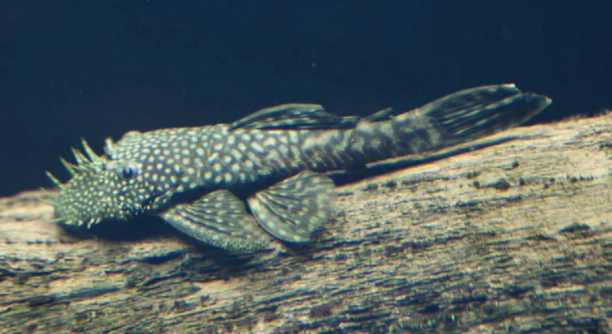
Are your plecos struggling in a tank that just doesn’t seem to meet their needs? You’re not alone, and there are easy fixes.
Successful plecostomus tank setups require the right balance of water conditions, tank size, hiding spaces, and compatible tank mates. Each setup idea in this article focuses on practical layouts that promote health, comfort, and long-term stability for your pleco.
These setups offer simple, effective solutions that improve both your pleco’s behavior and the tank’s overall environment.
1. Natural Riverbed Setup
Creating a natural riverbed setup helps mimic the pleco’s native environment. Use a soft sandy substrate, driftwood, and smooth stones. This layout gives your pleco plenty of areas to explore and hide. Add some aquatic plants, like Anubias or Java fern, attached to the decor for extra cover. Stick to dim lighting, as plecos are more active in low-light settings. Good filtration is important because this setup may include debris from wood or plants. Maintain a steady water temperature between 72–82°F with a pH around 6.5–7.5. A tank size of at least 55 gallons works well.
A riverbed setup creates a calming, shaded space that helps your pleco stay relaxed. It also supports healthy grazing behavior, which can reduce stress.
This setup works best for common plecos and bristlenose varieties. The smooth surfaces help prevent injury, and the layout encourages natural habits like clinging to wood and foraging along the bottom. It’s easy to clean, as most debris settles on the sandy substrate where it can be vacuumed during water changes. This environment allows for better observation without disturbing the pleco’s hiding spots. Stick to hardy plants that can tolerate occasional nibbling, and use weighted or anchored decor to avoid anything toppling over as your pleco moves around.
2. Caves and Tunnels Layout
Plecos need hiding spots, especially during the day. Caves and tunnels help meet this need while giving them a sense of security.
Use ceramic tubes, PVC pieces, or stacked slate to create multiple hiding zones across the tank. These structures allow plecos to rest during the day and reduce conflict if you keep more than one. Make sure all tunnels are smooth and free of sharp edges. The size should match your pleco’s body, allowing it to slide in and out easily without getting stuck. Place the structures along the sides and corners to free up swimming space. Add low-maintenance plants nearby to soften the appearance and help with water quality. This type of setup is especially useful for plecos that tend to be territorial or shy. Providing multiple hideouts minimizes stress, improves behavior, and promotes healthier feeding habits, especially when there are other tank mates present.
3. Planted Tank with Driftwood Focus
Adding live plants with a driftwood centerpiece creates a balanced and comfortable space. Plants like Java fern, Amazon sword, and hornwort help with oxygen levels and make the tank feel secure.
The driftwood serves as both shelter and a natural food source. Plecos, especially bristlenose and clown types, benefit from the tannins released by driftwood. These tannins support their digestion and promote a healthy slime coat. Choose stable driftwood pieces with smooth surfaces to avoid injury. Anchor your plants around the base using stones or plant weights. Avoid burying roots too deep to prevent rot. Lighting should be moderate to support the plants without stressing the pleco. Trim plants as needed to keep them from overcrowding the tank. Add floating plants like water lettuce to soften the lighting and help control algae.
This layout gives your pleco a space where it can graze and feel hidden at the same time. The plants provide shade, and the driftwood offers a natural feeding ground. The extra plant matter helps manage water parameters by absorbing nitrates. This reduces how often you need to change the water. Just keep an eye on plant growth and remove dead leaves quickly. Stable driftwood and healthy plants keep everything cleaner and more organized over time.
4. Minimalist Bare-Bottom Tank
A bare-bottom tank keeps things simple and easy to clean. There’s no substrate to trap waste, which makes it ideal for plecos with heavy bioloads or when doing frequent water changes.
This setup is best when you’re focused on monitoring health or breeding. It allows you to spot leftover food and waste quickly. Use smooth rocks, driftwood, or caves to give your pleco places to rest and hide. Suction-cup-mounted plants or floating options add some visual comfort without making cleaning harder. Good filtration is important to keep the water clear. Avoid strong currents, and keep lighting on the lower side to match the pleco’s needs.
Although basic, this layout supports fast cleaning and better tank hygiene. It’s ideal during treatment periods or when observing behavior closely. Choose tank decor carefully, and make sure it’s heavy enough to stay in place. Without substrate, vibrations and movement are more noticeable. Adding a sponge filter can help reduce flow and provide gentle circulation. For some plecos, this setup feels too open—if that happens, add a few more hiding spots to help them feel safe.
5. Community Tank with Peaceful Species
Plecos can live with peaceful tank mates like tetras, corydoras, and rasboras. Choose non-aggressive species that won’t compete for the bottom space or harass your pleco during feeding.
Keep enough room for everyone by using at least a 55-gallon tank. Add multiple hiding spots to reduce territorial behavior.
6. Juvenile Grow-Out Setup
Use a smaller tank, around 20–30 gallons, for juvenile plecos. Bare-bottom works well here too, making cleanup easier as they grow. Add driftwood and a few hiding places. Offer algae wafers and fresh vegetables early on to support their development. Monitor water quality often, since young plecos produce a lot of waste.
7. High-Flow Setup for Hillstream Plecos
Hillstream plecos need high oxygen levels and fast-moving water. Add a powerhead to create strong flow and mimic river currents. Use smooth stones, strong filtration, and cool, well-oxygenated water to keep them healthy.
FAQ
What size tank does a plecostomus need?
A plecostomus requires a minimum tank size of 55 gallons, especially for larger species like the common pleco. A bigger tank helps ensure that the pleco has ample space to swim and hide. Larger tanks also maintain water quality more easily, as plecos produce a significant amount of waste. For smaller species like bristlenose plecos, a 30-gallon tank can be adequate. However, it’s always better to opt for a larger tank, as plecos grow quickly and need space to thrive.
Can I keep multiple plecos in the same tank?
It’s possible to keep multiple plecos, but it depends on the species. For peaceful types like bristlenose plecos, you can keep them in groups in larger tanks, with plenty of hiding spots to reduce territorial disputes. For aggressive plecos, like the common pleco, it’s better to have one per tank to avoid aggression and stress. Always monitor their behavior closely, especially during feeding time, as plecos can sometimes become territorial.
What do plecos eat?
Plecos are primarily herbivores and scavengers, but they will eat a variety of foods. Their diet consists mainly of algae, plant matter, and some protein. Offer algae wafers, blanched vegetables like zucchini, and leafy greens. They may also eat driftwood, which provides important nutrients for digestion. You can supplement their diet with shrimp pellets or occasional live foods, but avoid feeding them too much protein, as it can cause health issues.
How often should I feed my pleco?
Feeding your pleco once a day is typically sufficient. Plecos tend to be nocturnal, so it’s best to feed them in the evening or when the lights are off. Avoid overfeeding, as plecos will eat anything left in the tank, leading to excess waste and water quality issues. Remove any uneaten food after a few hours to prevent it from decomposing.
How do I maintain water quality for my pleco?
Maintaining good water quality is essential for pleco health. Regular water changes (25-30% every 1-2 weeks) are needed, especially if your pleco produces a lot of waste. Keep an eye on ammonia, nitrite, and nitrate levels using test kits. Plecos also prefer stable water parameters, including a temperature range of 72-82°F and a pH of 6.5–7.5. Good filtration is necessary to maintain water clarity and remove excess nutrients. You may need to clean the filter media regularly and ensure your tank has proper aeration.
Do plecos need a filter?
Yes, plecos need a filter to keep the water clean and maintain healthy conditions. Filters help remove debris, excess food, and waste, ensuring the water stays clear. While plecos are bottom-dwellers and won’t disrupt the water surface, they still produce a lot of waste, which needs to be filtered out. Choose a filter that is appropriate for the tank size and consider one with strong enough flow to keep the water oxygenated but not so strong that it causes stress to your pleco.
What type of substrate is best for plecos?
A soft, sandy substrate is ideal for plecos, as it allows them to root around without harming their delicate barbels. Avoid sharp gravel or rough substrates, which can injure their barbels and fins. If you’re setting up a planted tank, consider using nutrient-rich soil as the base layer, topped with sand. This setup mimics the pleco’s natural environment, allowing them to forage for food and providing hiding places in the process.
Can plecos live with other fish?
Plecos are generally peaceful, but they need to be paired with compatible species. They do well with other bottom dwellers, like corydoras and small catfish, as long as there is plenty of space and hiding places. Avoid housing plecos with aggressive species that might bully or compete for food. Keep an eye on tank mates during feeding times, as plecos can sometimes get territorial. Small or delicate fish might also be at risk, so always ensure the tank’s layout provides enough space for everyone.
Do plecos require a heater?
Plecos are tropical fish, and they do require a heater to maintain a stable water temperature. A heater is especially important if you live in an area with fluctuating room temperatures. The ideal water temperature for plecos is between 72–82°F. A reliable aquarium heater will ensure your pleco stays healthy and stress-free. Use a thermometer to monitor the water temperature regularly and adjust the heater as needed.
How do I breed plecos?
Breeding plecos can be tricky, but it’s possible with the right conditions. A separate breeding tank is recommended, with a stable environment and enough hiding places. Ensure that the water parameters match the pleco’s natural preferences, and maintain a temperature around 78°F. Provide caves or other dark spaces for the plecos to lay their eggs. Males usually guard the eggs, while females tend to the fry once they hatch. Be prepared for the fry to need specialized care once they are born, including feeding them small algae and sinking pellets.
Can plecos be kept in cold water?
Most plecos are tropical fish and should not be kept in cold water. Cold water can lead to stress, weakened immune systems, and shorter lifespans. However, hillstream plecos, a specific type of pleco, can tolerate cooler water temperatures. These plecos do better in tanks that replicate fast-moving streams, with cooler water and high oxygen levels. Make sure to research the specific needs of your pleco species before placing it in cold water conditions.
Final Thoughts
Setting up a tank for your plecostomus requires careful planning, but with the right approach, it can be rewarding. From choosing the appropriate tank size to selecting suitable tank mates, each decision plays a role in ensuring your pleco thrives. Plecos are hardy fish but need specific care to stay healthy. A spacious tank, proper filtration, and regular water changes are essential for maintaining good water quality. Without these, your pleco may experience health issues, leading to stress and a shorter lifespan.
The type of pleco you have also impacts your setup. Some species, like the common pleco, grow quite large and need ample space to swim freely. Others, like the bristlenose pleco, stay smaller and are easier to care for in slightly smaller tanks. Keep in mind that their dietary needs are also important. Providing a balanced diet of algae wafers, fresh vegetables, and occasional protein will keep your pleco well-fed and healthy. Remember to monitor the water quality regularly, as plecos can produce a lot of waste, affecting the overall environment.
Overall, understanding the specific needs of your plecostomus will help you create an environment where they can thrive. Regular maintenance, appropriate tank size, and suitable tank mates are just a few factors to consider. Whether you’re setting up a community tank or a species-specific setup, it’s essential to ensure your pleco has enough space and proper conditions. By following these steps, your plecostomus can enjoy a long, healthy life in your aquarium.

Hello,
If you enjoy the content that we create, please consider saying a "Thank You!" by leaving a tip.
Every little bit helps us continue crafting quality advice that supports the health, happiness, and well-being of pets around the world, for pets of all shapes, sizes, and species.
We really appreciate the kindness and support that you show us!