
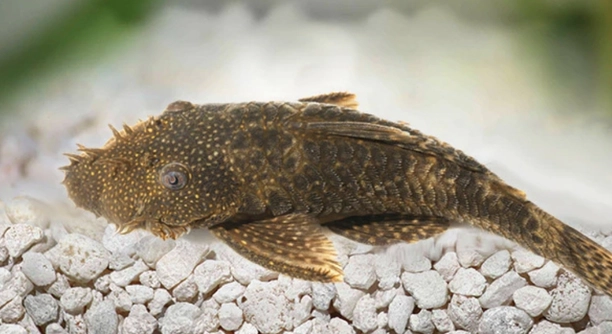
Are your plecos showing bright colors, balanced bodies, and confident behavior but you’re unsure if these signs truly reflect strong genetics? You may be noticing traits that indicate excellent breeding and overall long-term health.
Plecos with strong genetics often display symmetrical body shapes, vivid coloration, active behavior, firm fin structure, fast growth rates, resistance to disease, balanced proportions, and proper eye alignment. These features are consistent indicators of good lineage and responsible breeding practices.
Recognizing these traits can help you choose healthier fish and maintain a thriving tank environment for your plecos.
Symmetrical Body Shape
A pleco with a well-balanced, symmetrical body often indicates strong genetics. The body should appear even from head to tail, with no dips, lumps, or visible deformities. A solid bone structure helps the fish swim efficiently and avoid stress on its muscles and organs. These traits are often inherited from healthy breeding lines, where genetic weaknesses are carefully filtered out. When observing young plecos, a balanced body is easier to notice as they grow. Consistency in body shape among siblings in a spawn can also signal that the breeder selected healthy parents. A symmetrical body not only looks good but supports the overall physical health of the fish, ensuring better movement and feeding habits in the tank.
Genetic deformities can develop when poor breeding practices are followed. This can lead to long-term health issues or shorter lifespans. Choosing fish with good structure is a smart and lasting decision.
It’s always better to select fish from breeders who prioritize healthy body structures over rare patterns or colors. A symmetrical body ensures that the fish can thrive with less chance of internal complications or poor growth. Carefully bred plecos often carry strong frames, making them more resilient in both community and species-specific tanks.
Vivid and Consistent Coloration
Healthy plecos often show brighter and more consistent coloration across their entire body. This is one of the clearest signs of strong genetics.
Coloration is influenced by both genetics and environment, but consistently rich hues—such as deep browns, vibrant golds, or clean albino tones—are often inherited. When plecos are bred from strong lines, their color genes tend to express clearly without blotches or fading. In contrast, dull or inconsistent color may suggest inbreeding or stress-related issues. Tank conditions such as lighting and diet also affect pigment expression, but genetics provide the foundation. High-quality breeders focus on pairing fish that not only look healthy but also carry the dominant color traits expected of their species or morph. This can be especially noticeable in rare types like Leopard Frog or Snowball plecos. When selecting a fish, look for those with clean, even patterns and deep saturation. These indicators can help ensure you’re choosing a genetically sound and visually striking fish.
Active and Confident Behavior
Active plecos with confident movement often reflect strong genetics. These fish explore their surroundings, respond to tank mates, and feed without hesitation, showing that they are well-developed and neurologically sound.
Plecos that move freely and interact with their environment are typically more resilient. Confidence in behavior means they are not hiding constantly or reacting fearfully to minor disturbances. Genetics play a major role in this because fish bred from stable, healthy lines often develop stronger neurological responses and balanced temperaments. Consistent activity also supports digestion and helps maintain muscle tone. While environment does affect behavior, fish with a strong genetic base tend to thrive even in moderate tank conditions. Signs of lethargy or excessive hiding may point to poor breeding or inherited health concerns. It’s important to watch for smooth gliding, regular bottom-feeding activity, and natural interactions with tank décor. These signs suggest the fish is strong and well-formed from the start.
If your pleco is active during appropriate times and does not show signs of stress, it is likely benefiting from quality genetics. This kind of behavior supports long-term tank success. Breeders who select for active traits typically prioritize neurological health, which influences how the fish processes its environment. With confident behavior, the fish can manage minor changes without trouble, which makes care easier.
Firm Fin Structure
Fins should look straight and intact, with no fraying, curling, or uneven growth. Firm fins are a key indicator of both good nutrition and strong genetic foundations.
When a pleco’s fins grow evenly and stay well-formed, it reflects solid skeletal development. These traits are passed down when breeders avoid lines with defects or deformities. Bent or torn fins, especially if they appear early in life, often suggest genetic weakness rather than environmental damage. A strong fin base supports balanced movement and reduces the risk of infections caused by small tears. In well-bred plecos, the dorsal and tail fins are usually symmetrical and sturdy, helping the fish stay steady while feeding or resting. Visual inspection of fin health—especially during the first few months of life—can help determine the long-term potential of the fish. Choosing plecos with well-formed fins helps ensure that their bodies grow in proportion and remain stable throughout their lives.
Fast and Even Growth
Plecos with strong genetics usually grow at a steady and expected rate. Uneven growth or size differences among siblings often suggests weak genetic lines. Consistent development shows the fish can efficiently process nutrients and build muscle.
A well-growing pleco will show progress in both length and mass without deformities. Healthy genes support better use of nutrients and limit structural issues like bent spines or misshaped heads.
Resistance to Disease
Genetically strong plecos tend to resist common illnesses better. A solid immune foundation means fewer outbreaks in stable tanks and faster recovery times. These fish also handle mild stress more easily, which helps keep infections from developing or spreading.
Plecos from healthy lines often show stronger responses to parasites, fungal issues, and water-related stress. When fish are selectively bred for health, they pass on a stronger immune system. This leads to fewer signs of common infections like fin rot or ich, especially in clean and consistent tank conditions. You’ll notice fewer sudden changes in appearance or energy levels in genetically strong fish. Their systems naturally adjust better to minor water shifts or temporary food changes. Breeders who prioritize health over novelty traits often produce plecos that can live longer, require less medical care, and integrate more easily with other tank mates.
Balanced Proportions
Good genetics help maintain the right proportions between the head, body, and tail. The fish should not look top-heavy or overly elongated. Balanced features support smoother movement and long-term structural health.
FAQ
How can I tell if my pleco has strong genetics just by looking at it?
You can start by observing its body shape, coloration, fin structure, and behavior. A well-bred pleco will have a symmetrical body, strong and upright fins, and consistent, vivid color without blotchy areas. It should move with confidence, show interest in its surroundings, and eat regularly. Check for clear eyes, even growth, and a healthy posture without signs of deformities. These physical traits often reflect genetic strength, especially when combined in a single fish. Breeders who focus on health usually produce offspring with these stable and visible signs.
Do genetics play a role in how big a pleco will get?
Yes, genetics directly affect a pleco’s final size and growth rate. Each species has a genetic size range, but even within those limits, strong genetics help the fish reach a healthy length and weight. For example, a common pleco may grow to over a foot long, but only well-bred ones do so without structural issues or uneven growth. Poor breeding can lead to stunted growth or fish that grow too fast but lack proper muscle or bone development. A balanced diet helps, but genetics set the foundation for how large and healthy a pleco can become.
What’s the difference between a healthy pleco and a genetically strong one?
A healthy pleco might look good in the short term, especially if it’s been well fed and kept in clean water. A genetically strong pleco, however, continues to thrive over the long term. It resists disease better, grows evenly, heals faster, and maintains balanced proportions as it matures. Genetics influence how a pleco reacts to environmental changes or stress. So, while both fish may appear healthy today, the one with strong genetics is more likely to live longer, stay active, and require less care overall.
Do color morphs affect the genetic strength of a pleco?
Some color morphs are selectively bred for appearance, which can sometimes lead to weaker genetic lines if health is not prioritized. Albino or longfin varieties, for example, may carry recessive genes that reduce overall hardiness if bred improperly. That said, there are strong, healthy color morphs available when breeders carefully maintain their lines. If the morph still has good body structure, activity level, and resistance to illness, it’s likely that health was not sacrificed for looks. Always choose fish from breeders who emphasize both appearance and genetic strength.
Can poor genetics be fixed with good care?
While excellent care can help a pleco stay comfortable and reduce the effects of minor issues, it can’t completely fix genetic weaknesses. If a fish has inherited deformities, weak immunity, or a poor growth pattern, no amount of food or clean water will fully reverse those traits. However, a stable tank, high-quality food, and reduced stress can help your pleco live a better life despite its limitations. Strong care supports whatever genetic potential the fish already has, but it does not replace the benefits of good breeding.
Why is fin condition a sign of strong genetics?
Fins are made up of soft tissues supported by rays, and they need good internal structure to grow properly. Fish with strong genetics tend to have firm, upright fins that are symmetrical and move smoothly. Fin edges should be even and free from tears or irregular bends. Genetics influence how the tissue forms, how fast it heals, and how resilient it is to minor damage. If a fish always has weak, torn, or curling fins—even in good tank conditions—it may point to inherited issues.
Are there specific behaviors that show strong genetic traits in plecos?
Yes, consistent behavior patterns like foraging, steady movement, and alertness are often tied to strong genetic health. A pleco with good genetics will explore regularly, graze on tank surfaces, and respond to lighting changes or tank mates. It won’t hide all day unless it’s a shy species, and it should eat steadily without long periods of fasting. These behaviors are signs that the fish’s internal systems, including metabolism and sensory response, are functioning well. While some behavior is shaped by environment, much of it starts with genetic wiring.
Can inbreeding affect pleco health?
Inbreeding increases the chance that harmful recessive traits will show up in the offspring. This can lead to weak immune systems, deformities, poor growth, and shorter lifespans. Fish from inbred lines may look fine as juveniles but develop serious health issues as they mature. Breeders avoid inbreeding by introducing new, healthy bloodlines regularly. When selecting a pleco, ask the breeder about their methods and look for consistent traits across multiple fish. Avoid tanks where some fish appear weaker or deformed compared to their siblings.
How do breeders maintain genetic strength in pleco lines?
Good breeders select healthy, well-formed plecos for pairing and avoid breeding fish with visible defects, even if the fish is rare or colorful. They track bloodlines to reduce inbreeding and introduce new genetics to strengthen their lines. Many breeders also raise fry in controlled conditions to observe how well each fish develops. Over time, these practices lead to stronger, more consistent fish. When buying a pleco, try to choose one from a breeder who shares their process openly and values health just as much as appearance.
Final Thoughts
Choosing a pleco with strong genetics can make a noticeable difference in its health, behavior, and appearance over time. These fish are more likely to grow at a steady pace, develop balanced body shapes, and show consistent coloring. While care and environment still matter, genetics provide the starting point for everything else. A fish with a solid genetic background has a better chance of adapting to changes, resisting common illnesses, and aging gracefully without sudden health issues. Even though these traits might not always be obvious in young plecos, they become easier to recognize as the fish grows.
Good genetics are reflected in physical structure, fin quality, behavior, and overall development. A pleco that swims smoothly, responds well to its surroundings, and maintains its condition over time is likely built on strong genetics. This is especially important if you plan to keep your pleco long-term, as these fish can live for many years. Investing time to learn about breeding practices or asking where your fish comes from can be helpful. In many cases, buying from reliable breeders or well-informed stores will reduce the chances of getting a fish with underlying genetic problems. It also gives you more confidence that the fish has a healthy foundation.
Even with strong genetics, your pleco still needs good water quality, proper food, and a stress-free environment to thrive. But when genetics are in your favor, everything becomes easier. The fish is less likely to show signs of stress during minor changes in the tank, and it will respond better to illness treatment, if ever needed. When the genetics are weak, you may find yourself doing everything right, but still dealing with problems. That’s why it’s worth paying attention to traits like growth, behavior, symmetry, and coloring when choosing your pleco. A well-bred pleco doesn’t just look better—it also has a better chance of living a long, healthy life in your care. Making the effort to recognize and understand these signs helps ensure a more rewarding experience with your fish.

Hello,
If you enjoy the content that we create, please consider saying a "Thank You!" by leaving a tip.
Every little bit helps us continue crafting quality advice that supports the health, happiness, and well-being of pets around the world, for pets of all shapes, sizes, and species.
We really appreciate the kindness and support that you show us!