
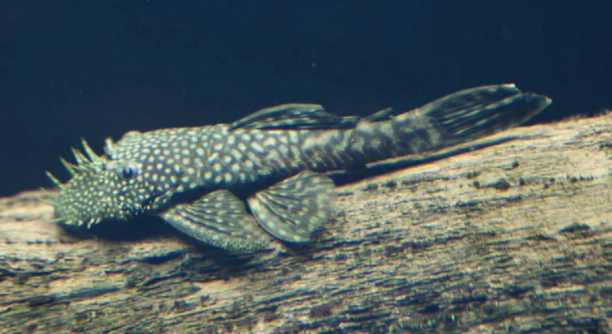
Many aquarium enthusiasts love plecos for their unique appearance and algae-eating habits. However, beginners often hold onto myths that can lead to misunderstandings about their care. These myths can make it harder to care for plecos properly.
Some of the most common pleco myths include the belief that they are easy to care for, grow to only a small size, and don’t need much space. These misconceptions can lead to improper tank setups, poor care, and unhappy plecos.
Understanding the truth about plecos will ensure they thrive in your aquarium. Correcting these myths will help you provide them with the best care possible. Keep reading to find out what every beginner should know.
Plecos Are Low-Maintenance Fish
One of the biggest misconceptions about plecos is that they are low-maintenance fish. Many beginners assume that since they help with algae control, they don’t require much care. However, plecos are not entirely self-sufficient. They need a well-maintained tank with the right water conditions, proper filtration, and a balanced diet. While plecos do eat algae, they can’t survive on algae alone. You’ll need to supplement their diet with special pellets, vegetables, and sometimes meaty foods. They also need plenty of space to swim and hide, especially as they grow. If not properly cared for, plecos can develop health issues.
Although they may seem like easy-care fish at first glance, they need a proper setup to live a healthy life. A clean tank with good filtration is key, along with regular water changes. You should also make sure that they have access to hiding spots, as plecos enjoy having places to retreat to. A well-fed pleco will thrive, but neglecting their needs can cause stress, disease, and early death.
Plecos Stay Small Forever
Another myth is that plecos stay small, especially when they’re sold in pet stores as tiny fish. While they may look small in the beginning, they can grow quite large. Many common species of plecos can grow up to 12 to 24 inches long when fully grown. This is a huge consideration when planning their tank setup. A pleco’s size requires more space, and they need larger tanks as they grow.
For example, a pleco that starts as a few inches long can quickly outgrow a small tank. As they grow, they need more swimming space and more filtration to handle the waste they produce. You’ll need to upgrade your aquarium as your pleco matures to ensure it remains healthy and comfortable. If you don’t have a large enough tank, the pleco may become stunted or stressed.
Ultimately, a proper-sized tank is essential for your pleco’s long-term health. Providing the right environment is the best way to support its growth.
Plecos Don’t Need Tank Mates
Plecos are often considered solitary creatures that don’t need tank mates, but this isn’t always true. While some plecos may be fine on their own, others can benefit from having companions in the tank. The species of pleco you have will determine how social they are. Many plecos are peaceful and can live with other fish, but there are also species that are more territorial and might prefer being alone. It’s important to research the specific species of pleco you have to determine whether they can coexist with others.
If you do choose to add other fish, make sure they are compatible. A pleco can become stressed if its tank mates are aggressive or too large. Tank mates should also be peaceful, with similar water condition needs. Additionally, always make sure your pleco’s tank has enough hiding spaces to give it the option to retreat if it feels threatened. When adding companions, consider the pleco’s size, temperament, and the tank size.
Plecos Only Eat Algae
Many beginners believe that plecos can live entirely off algae. While it’s true that plecos help control algae in tanks, this doesn’t mean they can survive on algae alone. Plecos are omnivores, meaning they eat both plant and animal matter. While they will graze on algae, you need to provide them with a variety of foods. This can include algae wafers, fresh vegetables like zucchini or cucumber, and sometimes proteins such as shrimp or fish. Algae will not provide all the nutrients they need.
If plecos don’t get a balanced diet, they can suffer from malnutrition, which may lead to health problems. A healthy pleco needs a variety of foods to keep it strong and active. In addition to algae, you should offer different kinds of pellets or wafers designed for plecos. The key to keeping your pleco healthy is providing a diet that includes both plant and animal-based foods. Remember that a healthy, well-fed pleco will thrive, whereas one that only eats algae may struggle to live a long life.
Plecos Are Clean-Up Crew
Many believe that plecos will completely clean an aquarium on their own, but this isn’t the case. While plecos can help reduce algae and clean up some leftover food, they’re not a substitute for regular tank maintenance. You still need to clean the tank, change the water, and remove debris.
Though plecos do eat algae and leftover food, they can’t handle all the waste produced in an aquarium. They may leave food behind or only graze certain spots. Algae growth also depends on your tank conditions, and a pleco won’t eat all types of algae. Cleaning your aquarium regularly is still necessary to maintain a healthy environment for your fish and pleco.
Ignoring basic tank cleaning can lead to water quality issues, which will affect both your pleco and other fish. You can rely on plecos for some cleaning, but don’t depend on them entirely. Regular maintenance is crucial for a thriving tank.
Plecos Are Hardy and Resistant to Illness
Another misconception is that plecos are indestructible and rarely get sick. While plecos are generally resilient, they are not immune to diseases and health problems. In fact, they can suffer from common fish diseases like any other species if they are kept in poor water conditions or with inappropriate tank mates.
Keeping your pleco healthy requires regular water changes, maintaining a stable temperature, and ensuring the water is properly filtered. Overcrowding the tank or sudden changes in water parameters can lead to stress, which makes them more susceptible to illness. A pleco stressed by a poor environment might develop skin problems or internal infections.
Plecos, like all fish, require careful attention to their water conditions and diet. Neglecting to meet these basic needs can lead to long-term health problems. Keeping a stable, clean environment is key to their well-being.
Plecos Can Live in Small Tanks
A common myth is that plecos can thrive in small tanks. In reality, plecos need a lot of space to grow and swim freely. A small tank can quickly become overcrowded with waste, causing water quality issues that affect their health.
Even a juvenile pleco, though small at first, will need more space as it matures. A 20-gallon tank is the minimum for most species, with larger tanks needed as they grow. The more room they have, the happier and healthier they’ll be. A cramped environment can stress plecos and lead to health problems.
Plecos Are All the Same
Not all plecos are the same. Different species have different needs when it comes to size, water conditions, and behavior. Some plecos are peaceful, while others can be more territorial or aggressive. Understanding the species you have is essential for proper care.
For example, the common pleco (Hypostomus plecostomus) can grow quite large, requiring a much bigger tank than the smaller bristlenose pleco. Some plecos prefer cooler water, while others are more adaptable to warmer temperatures. Researching the specific species of pleco in your tank will help you provide the right care.
Plecos Are Nocturnal
Many believe that plecos are entirely nocturnal, but they do not stay active only at night. While plecos tend to be more active in low light conditions, they are also active during the day, especially if they feel safe in their environment.
FAQ
Do plecos need special water conditions?
Yes, plecos do need specific water conditions to thrive. Most plecos prefer water that is slightly acidic to neutral, with a pH level between 6.5 and 7.5. They also need well-filtered water with low to moderate current. It’s essential to maintain a stable temperature, usually between 74°F and 80°F (23°C – 27°C). Sudden fluctuations in water conditions can cause stress, which can lead to illness. Regular water changes and maintaining proper filtration will ensure your pleco stays healthy and happy.
How often should I feed my pleco?
Plecos should be fed once a day, but you can adjust based on their size and activity level. Juvenile plecos may require more frequent feeding. A healthy diet includes algae wafers, fresh vegetables like zucchini and cucumber, and occasional protein sources like shrimp or fish. Make sure the food sinks to the bottom, as plecos are bottom feeders. Overfeeding can cause water quality issues, so it’s important to only feed them what they can eat in a few hours.
Can plecos live with other fish?
Yes, plecos can live with other fish, but it depends on their species and the tank mates. Some plecos are peaceful and get along well with most community fish, while others are more territorial and may not do well with aggressive or larger fish. For a peaceful tank, you should choose tank mates that are similarly calm and won’t compete for food or space. Always make sure to provide enough hiding spots for the pleco, as they often like to retreat to dark areas.
What size tank do plecos need?
The minimum tank size for plecos depends on the species. Generally, a 20-gallon tank is suitable for smaller pleco species, like the bristlenose pleco. However, larger species, like the common pleco, can grow up to 24 inches long and will need a tank of at least 75 gallons. As plecos grow, you may need to upgrade their tank size to give them enough space to swim and remain healthy. A larger tank will also help with water quality, as larger volumes of water are easier to maintain.
Do plecos need a heater?
Yes, plecos need a heater if you live in an area with fluctuating temperatures. Plecos are tropical fish and prefer a stable water temperature between 74°F and 80°F (23°C – 27°C). If the temperature drops below this range, it can cause stress and even health problems for your pleco. A reliable aquarium heater will help maintain the correct temperature and keep your pleco comfortable. Be sure to monitor the temperature regularly with a thermometer to avoid overheating or underheating.
Are plecos aggressive?
Most plecos are peaceful, but some species can be territorial or aggressive, especially if they feel crowded. The common pleco, for example, can be more aggressive in smaller spaces, while species like the bristlenose pleco tend to be calmer and more sociable. If you have a pleco in a tank with other fish, make sure to provide enough space for everyone to avoid territorial disputes. It’s also important to offer plenty of hiding spots, as plecos like to retreat to dark corners or caves.
How long do plecos live?
The lifespan of a pleco varies depending on the species and its living conditions. On average, plecos can live anywhere from 10 to 15 years. However, some species, like the common pleco, can live for up to 25 years if properly cared for. To ensure a long and healthy life, it’s essential to provide your pleco with a stable tank environment, a balanced diet, and regular water changes.
Why is my pleco not eating?
If your pleco is not eating, it could be due to a variety of factors. Stress from poor water quality, temperature fluctuations, or incompatible tank mates can cause a lack of appetite. Ensure the water conditions are optimal and check if the pleco has any injuries or signs of illness. Sometimes, plecos may also refuse to eat if they are overfed or if the food offered doesn’t appeal to them. Try offering different types of food, like algae wafers or fresh vegetables, to see if they are more interested.
Do plecos need to be cleaned?
Plecos do not require direct cleaning, but their environment does. While plecos are natural algae eaters, they won’t clean the tank to the extent that it needs to be. Regular water changes, substrate vacuuming, and cleaning the tank walls are necessary to maintain a healthy environment. Plecos do help by eating some algae and leftover food, but they can’t remove all the debris or waste. Regular tank maintenance will keep your pleco and other tank inhabitants healthy.
Can plecos live without a filter?
While plecos are hardy fish, they cannot live without a filter. Filters help maintain water quality by removing waste, debris, and toxins from the tank. Without a filter, waste would quickly build up, leading to poor water quality that could harm your pleco and other fish. It’s crucial to have a reliable filtration system in place to ensure your pleco thrives. Be sure to clean the filter regularly to keep it functioning properly.
Final Thoughts
Caring for plecos can be a rewarding experience, but it requires understanding their specific needs. While they may seem easy to maintain because of their algae-eating habits, it’s important to remember that they need more than just a clean tank. Plecos require a proper diet, appropriate tank size, and clean water to stay healthy. By providing them with a balanced environment, you’ll ensure that they thrive for years to come. Neglecting their needs can lead to health problems, so it’s essential to stay informed and keep an eye on their overall well-being.
Many myths about plecos can lead to confusion, especially for beginners. They are not low-maintenance fish, and they don’t stay small forever. A pleco’s size and care needs should be considered before bringing one home. Understanding that each species has its own requirements will help you create the right environment for your fish. Knowing what to expect in terms of their size, feeding habits, and social behavior will help you avoid common mistakes. Proper research is key to making sure your pleco leads a happy, healthy life in your aquarium.
In conclusion, plecos can be great additions to your tank if their needs are met. They offer the benefit of algae control but still require a lot of attention. If you’re prepared to provide a proper tank setup and give them the care they deserve, plecos can live for many years and contribute to the beauty of your aquarium. Always be mindful of their growth, behavior, and diet, and don’t let myths cloud your understanding of how to care for them. With the right knowledge, you can create a thriving, healthy environment for your pleco.

Hello,
If you enjoy the content that we create, please consider saying a "Thank You!" by leaving a tip.
Every little bit helps us continue crafting quality advice that supports the health, happiness, and well-being of pets around the world, for pets of all shapes, sizes, and species.
We really appreciate the kindness and support that you show us!