
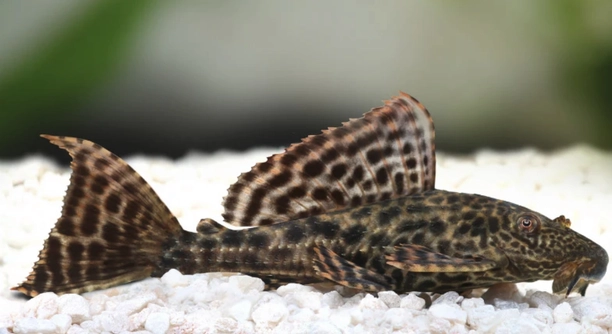
Plecos are popular aquarium fish known for their algae-eating habits, but their diet can benefit from more variety. While algae wafers are common, exploring other food options can promote their overall health and well-being.
Plecos require a balanced diet that goes beyond algae wafers. Offering a variety of foods, such as vegetables, protein-rich options, and sinking pellets, can ensure they receive the necessary nutrients for proper growth and long-term health.
Understanding these alternative food choices will help you provide a more diverse and nutritious diet for your pleco, ensuring they stay healthy and thrive in their aquatic environment.
1. Fresh Vegetables: A Pleco’s Natural Delight
Plecos are herbivores, which means they thrive on a variety of plant-based foods. Fresh vegetables such as zucchini, cucumber, and spinach can be an excellent addition to their diet. These veggies provide essential nutrients like fiber, vitamins, and minerals. It’s important to feed them vegetables that are soft enough for them to eat easily. Before feeding, make sure to wash them thoroughly to remove any pesticides. You can either slice them or blanch them slightly to soften them up, making them easier for your pleco to consume.
Introduce vegetables gradually, starting with small portions to avoid overfeeding. Plecos tend to nibble on vegetables slowly, so be sure to remove any uneaten food after a few hours to prevent water contamination. In addition to keeping your pleco healthy, these vegetables will encourage their natural foraging behavior. Just be sure to avoid overfeeding, as this can lead to an imbalance in their diet.
Including fresh vegetables in your pleco’s diet is a great way to support their digestive system and overall health. These vegetables mimic their natural diet in the wild, where they consume a variety of plant material.
2. Protein-Rich Foods for Extra Nutrition
Protein is another essential part of your pleco’s diet. While they are primarily herbivores, plecos also need some animal-based protein for proper growth and health. You can offer foods like bloodworms, brine shrimp, or other frozen aquatic insects. These protein-packed foods provide important amino acids and help your pleco maintain a strong immune system.
Feeding protein occasionally, about once or twice a week, can help keep your pleco in peak condition. Too much protein can cause health issues, so it’s important to maintain a balanced approach. Many plecos enjoy protein-rich foods, and they will help complement their primarily vegetarian diet. Make sure to thaw frozen foods before offering them to avoid causing digestive distress.
3. Sinking Pellets: Easy and Convenient
Sinking pellets are a simple and convenient option for plecos. They’re designed to sink to the bottom, allowing plecos to easily feed. Many sinking pellets are specially formulated to meet the nutritional needs of plecos, containing a balance of vitamins, minerals, and protein.
These pellets are a great way to ensure your pleco gets a consistent source of food without the risk of overfeeding or water contamination. They also provide variety and convenience, especially if you’re unable to feed your pleco fresh food daily. Always choose pellets specifically made for plecos, as they have the right nutrients for your fish.
When feeding sinking pellets, be sure to follow the recommended serving sizes. Overfeeding can cause uneaten pellets to break down in the tank, which leads to water quality issues. Monitor your pleco’s eating habits and adjust accordingly. Sinking pellets are an excellent staple in your pleco’s diet but should be supplemented with other food options for optimal health.
4. Fruits for a Sweet Treat
Occasionally adding fruit to your pleco’s diet can give them a natural, sweet treat. Fruits like apples, pears, or melons can be a great addition, providing a change in texture and flavor. However, fruits should only be given sparingly, as they contain sugars that can upset the balance of their diet.
It’s important to remove the seeds and cut the fruit into small, manageable pieces. You can also blanch the fruit slightly to soften it. Monitor how much fruit your pleco eats and remove any leftovers after a few hours to avoid water contamination. Fruits provide essential vitamins like vitamin C, which can boost your pleco’s immune system.
Including fruits in moderation can add variety and extra nutrients to your pleco’s meals. But remember that fruits are not meant to replace their main food source, such as algae or vegetables. Keep fruits as an occasional treat to balance out their diet and ensure they’re getting the right nutrients.
5. Algae and Biofilm: Nature’s Free Food
In addition to algae wafers, plecos can graze on natural algae and biofilm that grow in their tank. Providing a well-maintained aquarium can ensure your pleco has access to these sources. They are a great, natural food option.
Letting algae and biofilm grow naturally in the tank is a healthy way for plecos to feed. This also reduces the need for extra food, helping to mimic their wild diet. Just make sure to regularly clean the tank and remove any excess growth to maintain water quality.
A balanced aquarium with natural algae growth gives your pleco a chance to feed as it would in the wild. You don’t have to worry about overfeeding, and it can improve their health in the long run.
6. Freeze-Dried Options for Convenience
Freeze-dried foods are an excellent choice for busy fish owners. They’re easy to store, and they retain many of their nutritional values. Freeze-dried bloodworms, brine shrimp, or daphnia are great protein-packed options that plecos enjoy.
While convenient, freeze-dried foods should be soaked before feeding. They can absorb water and soften up, making them easier for plecos to consume. It’s important to offer freeze-dried foods occasionally as a treat, not as a primary diet, to avoid causing digestive issues. Keep in mind that these foods can be high in protein and should be given in moderation.
7. Live Foods for Extra Excitement
Live foods like blackworms or small insects can provide your pleco with excitement and stimulation. These foods offer a chance for plecos to exercise their natural hunting instincts. The movement of live foods encourages their predatory behavior, offering mental stimulation and variety in their diet.
Live foods are a great option but should be given in moderation. You can find live food at many pet stores, and it can be a nice treat for your pleco to enjoy.
FAQ
What should I feed my pleco besides algae wafers?
In addition to algae wafers, you can feed your pleco a variety of foods, including fresh vegetables like zucchini, cucumber, and spinach. Protein-rich foods like bloodworms and brine shrimp are also beneficial. Sinking pellets specifically designed for plecos and occasional fruits like apples or melons can provide variety and nutrition.
How often should I feed my pleco vegetables?
You can feed your pleco vegetables 2 to 3 times a week. Offer a small portion, and be sure to remove any uneaten food after a few hours to prevent water quality issues. Vegetables like zucchini, cucumber, and spinach are great choices, and they help promote healthy digestion.
Can I feed my pleco fruit regularly?
Fruits should be offered occasionally, about once a week. While fruits like apples, pears, or melons provide essential vitamins, they also contain sugars that can affect your pleco’s digestive balance. It’s important to remove seeds and cut the fruit into small pieces to prevent choking or digestive issues.
How can I make sure my pleco is getting enough protein?
Plecos are primarily herbivores, but they do need some animal-based protein. Offering protein-rich foods like freeze-dried bloodworms or brine shrimp once or twice a week will help ensure they get the necessary nutrients. Be careful not to overfeed protein, as too much can lead to health issues.
Is it safe to feed my pleco live food?
Yes, live food can be a great treat for plecos. Offering live blackworms, daphnia, or small insects can provide mental stimulation and encourage natural hunting behavior. However, live food should be fed in moderation and only occasionally to prevent digestive issues from overfeeding.
How do I properly feed my pleco sinking pellets?
Sinking pellets are a convenient and nutritious option for plecos. Offer a small amount of sinking pellets once a day. These pellets are designed to sink to the bottom of the tank, making them easier for plecos to access. Be sure to remove any uneaten pellets after a few hours to prevent water contamination.
Can plecos eat algae from the tank?
Yes, plecos can graze on natural algae and biofilm that grow in the tank. This is a great, natural food source for them. However, if the algae growth gets out of control, you may need to clean the tank to maintain water quality. Plecos enjoy feeding on this natural food when available.
What vegetables are best for plecos?
Some of the best vegetables for plecos include zucchini, cucumber, spinach, and lettuce. These veggies provide essential nutrients and are easy for plecos to consume. Make sure to wash them thoroughly before feeding and, if necessary, blanch them slightly to soften them up for easier eating.
Can I feed my pleco cooked vegetables?
Yes, you can feed your pleco cooked vegetables. Lightly blanching vegetables such as zucchini or spinach can soften them, making it easier for your pleco to eat. However, avoid using any seasoning or oil, as these can be harmful to your fish. Keep the vegetables simple and natural for the best results.
How do I prevent overfeeding my pleco?
To prevent overfeeding, start by offering small amounts of food and monitor how much your pleco eats. Remove any uneaten food after a few hours. It’s important to provide variety, but don’t overfeed any one type of food. Keeping a balanced diet is key to ensuring your pleco remains healthy.
Are there any foods I should avoid feeding my pleco?
Avoid feeding your pleco processed foods that are high in salt, fat, or sugar. These can cause health problems and disrupt their diet. Also, steer clear of feeding them any foods that could pollute the water, such as those high in oils. Stick to fresh, natural foods for the best results.
How can I tell if my pleco is getting enough nutrition?
A healthy pleco will be active and show a healthy appearance. If your pleco seems lethargic or has a thin body, it may not be getting enough nutrition. Check their diet and make sure they are getting a variety of vegetables, protein, and the right amount of fiber. If unsure, consult a vet who specializes in fish for advice.
How long can plecos go without food?
Plecos can go for several days without food, especially if they have access to algae or biofilm in their tank. However, it’s not recommended to leave them without food for extended periods, as it can affect their health. Make sure to feed them regularly, especially if natural food sources are limited.
Final Thoughts
Plecos are relatively easy to care for, but their diet plays a crucial role in keeping them healthy. While algae wafers are a popular choice, it’s important to mix things up and offer a variety of foods. Vegetables, protein-rich options, and even occasional fruits help provide the nutrients they need. Offering sinking pellets or natural algae and biofilm also adds variety, ensuring your pleco gets a balanced diet.
It’s essential to remember that each pleco has its own preferences and feeding habits. Some may enjoy vegetables more than others, while some might prefer protein-based foods like bloodworms. Observing your pleco and adjusting its diet accordingly can help you find the best routine for your fish. Regularly rotating food options ensures that your pleco gets a good balance of vitamins, minerals, and protein, which are all key to their long-term health.
In the end, providing a variety of food choices will keep your pleco happy and healthy. A healthy pleco is not only a more vibrant fish but also one that will thrive in your aquarium for years to come. By focusing on a well-rounded diet, you’ll help maintain your pleco’s overall well-being and make sure they continue to live a long, healthy life in your tank. Just be mindful of portion sizes and avoid overfeeding, as excess food can lead to water quality issues.

Hello,
If you enjoy the content that we create, please consider saying a "Thank You!" by leaving a tip.
Every little bit helps us continue crafting quality advice that supports the health, happiness, and well-being of pets around the world, for pets of all shapes, sizes, and species.
We really appreciate the kindness and support that you show us!