
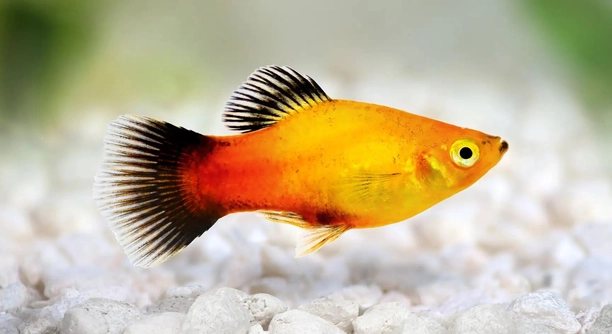
Platies are popular fish for many new aquarium owners because of their bright colors and easy care. Many beginners find them enjoyable and fun to watch as they swim around. However, some common beliefs about platies are not quite true.
New platy owners often believe myths about their care, behavior, and environment that can lead to misunderstandings. These misconceptions include false ideas about their diet, tank size, social needs, and breeding habits. Recognizing and correcting these myths ensures healthier fish and a better aquarium experience.
Learning the facts about platies will help you provide the best care possible. The following points clear up some of the most common misunderstandings new owners often have.
Myth 1: Platies Only Need Small Tanks
Many new platy owners believe these fish can live comfortably in very small tanks because they are small in size. While platies are indeed small, they are active swimmers and need space to thrive. A tank smaller than 10 gallons often leads to poor water quality and stress. Stress weakens their immune system, making them more prone to disease. A larger tank also allows for more stable water conditions, which is important for any fish’s health. Keeping platies in a well-sized tank encourages natural behavior and reduces aggression. It’s better to invest in a 20-gallon or bigger tank when starting out. This provides enough room for a group of platies to swim freely and interact. Remember, a bigger tank also means easier maintenance and better water parameters over time. Small tanks may seem convenient but are not ideal for platies in the long run.
Keeping platies in tanks of at least 20 gallons improves their well-being and lifespan significantly.
Providing adequate space helps prevent health issues and supports their social nature, making your aquarium more lively and balanced.
Myth 2: Platies Don’t Need a Varied Diet
Some new owners think platies will be fine eating only one type of food, like flakes. This is not true. Platies need a varied diet to stay healthy and colorful. Feeding only flakes can cause nutritional gaps, leading to dull colors or poor growth. They enjoy a mix of high-quality flakes, frozen or live foods like brine shrimp, and fresh vegetables such as blanched spinach or peas. Offering a range of foods mimics their natural diet and provides essential vitamins and minerals. Variety also keeps platies interested in their food, reducing the chance of overeating or boredom. Remember to feed small amounts twice daily to avoid water pollution from leftover food. A balanced diet supports their immune system and helps them breed successfully.
Feeding a mix of protein and plant-based foods ensures platies grow strong and show vibrant colors. Including fresh veggies and occasional live foods boosts their health and energy. This balance helps prevent common diet-related problems and keeps your platies active and happy.
Myth 3: Platies Can Live with Any Fish
Platies are generally peaceful, but not all fish are suitable tank mates. Choosing incompatible companions can cause stress and fights. Avoid aggressive or very large fish that may bully or eat platies.
Compatibility depends on fish temperament, size, and water needs. Ideal tank mates include other peaceful livebearers like guppies, mollies, and swordtails. Small tetras and rasboras also work well. Avoid fin-nippers or overly aggressive species like cichlids. Mixing species with similar water parameters reduces stress. Proper stocking density is key—crowding can lead to aggression even in peaceful fish. Observe interactions regularly and separate any aggressive individuals promptly. Creating a calm community tank improves platies’ health and happiness.
If you want a peaceful aquarium, avoid mixing platies with fish that have very different behavior or water preferences. When carefully chosen, tank mates help maintain balance without causing stress. Remember, each fish has unique needs, so research before adding new species. This ensures a peaceful environment where all fish can thrive.
Myth 4: Platies Don’t Breed Easily in Captivity
Platies are livebearers and breed frequently when conditions are right. Many new owners underestimate how quickly they can reproduce. Female platies can store sperm and produce multiple batches of fry from one mating. Fry appear free-swimming in about four weeks and need hiding places to survive.
Good water quality, proper diet, and stable temperature encourage breeding. If you want to control population, separate males and females or keep only one gender. Unplanned breeding can overwhelm a small tank quickly. Providing plenty of plants and decorations offers safe spaces for fry. Also, avoid overcrowding adults to reduce stress and aggressive behavior that might harm fry. Regular monitoring helps keep population under control.
Platies’ fast reproduction can be surprising, but with proper management, you can enjoy watching the process without problems. Knowing how to handle breeding keeps your aquarium healthy and prevents overpopulation issues. Proper care and planning go a long way in raising healthy fry and maintaining a balanced tank.
Myth 5: Platies Don’t Need Heater
Platies can tolerate a range of temperatures, but they do best in stable, warm water around 72–78°F. Some new owners think they don’t need a heater at all, which can stress the fish if the room temperature drops too low.
Using a heater helps maintain a steady temperature, reducing stress and preventing illness. Sudden temperature changes weaken their immune system and may cause lethargy or disease. Even if your home stays warm, a heater ensures consistent conditions.
Myth 6: Platies Can Live Without Regular Water Changes
Skipping water changes leads to toxin buildup, harming platies quickly. Regular partial water changes keep the tank clean and fish healthy.
Myth 7: Platies Are Always Easy to Care For
Platies are hardy but still need attention. Poor diet, water quality, or tank conditions can cause illness. Monitoring their environment regularly is important for their health.
FAQ
How often should I feed my platies?
Feeding platies twice a day with small amounts is best. Overfeeding can pollute the water and harm their health. Give only what they can eat in about two minutes to avoid leftover food. Include flakes, frozen foods, and vegetables for a balanced diet.
Can platies live with goldfish?
Platies and goldfish are not ideal tank mates. Goldfish prefer cooler water and produce more waste, which affects water quality. Platies need warmer temperatures, so their needs don’t match well. It’s better to keep them separate for healthy fish.
What is the best water temperature for platies?
Platies thrive between 72°F and 78°F. Keeping water within this range supports their metabolism and immune system. Sudden temperature changes can stress them. Using a heater and thermometer helps maintain stable temperatures.
How do I tell if my platy is sick?
Signs of illness include lethargy, loss of appetite, clamped fins, or unusual spots. Rapid breathing or floating near the surface may also indicate trouble. Early detection and proper care, like water changes or medication, can save your fish.
Do platies need a filter?
Yes, a filter is essential for maintaining clean water. It removes toxins and helps oxygenate the tank. A good filter supports healthy bacteria that break down waste. Make sure to clean it regularly without disturbing beneficial bacteria too much.
How many platies should I keep in one tank?
A 20-gallon tank can comfortably house 4 to 6 platies. They enjoy social groups but overcrowding leads to stress and poor water quality. Consider tank size and filtration before adding more fish. Balanced stocking keeps everyone healthy.
Can platies live without live plants?
Platies do well with live plants because they provide hiding spots and improve water quality. However, they can survive without them if the tank is well-maintained. Live plants also help reduce stress and offer natural food sources like algae.
How often should I change the water?
Changing 20–30% of the water every week is ideal. This removes harmful chemicals and keeps nitrate levels low. Regular water changes prevent diseases and support the overall health of your fish and plants.
Can platies tolerate hard water?
Platies are quite adaptable and can live in moderately hard water. They prefer a pH between 7.0 and 8.2. Testing water parameters regularly helps ensure they stay within safe limits. Sudden changes in hardness or pH should be avoided.
What should I do if my platy gives birth?
Separate the female or prepare a breeding tank if possible, as adults may eat the fry. Provide plenty of plants or hiding places for the young. Feed the fry finely crushed flakes or specialized fry food to help them grow. Regular monitoring ensures survival.
Platies are wonderful fish to keep, especially for those new to aquarium keeping. They are colorful, active, and fairly easy to care for when given the right conditions. Understanding their basic needs—like proper tank size, a balanced diet, and stable water conditions—makes a big difference in keeping them healthy and happy. Avoiding common myths helps you provide better care and prevents problems that could stress or harm your fish. It’s important to remember that while platies are hardy, they still need attention and care like any other pet.
Many new owners find themselves surprised by how quickly platies can breed and how important it is to manage their environment carefully. Knowing about their social needs, tank mates, and feeding habits will help you avoid common mistakes. Taking the time to research and set up the right tank conditions ensures that your platies live longer and show off their beautiful colors. Regular maintenance, including water changes and monitoring tank health, keeps the aquarium a safe and comfortable place for your fish.
Caring for platies can be a rewarding experience when you understand what they need to thrive. Learning about their habits and requirements helps you build confidence as a fish keeper. With proper care and attention, platies can be a lively addition to your home aquarium for years to come. Keeping them happy means watching them swim energetically and interact naturally, which brings enjoyment and satisfaction. Simple steps like providing enough space, a varied diet, and clean water create a strong foundation for success in platy care.

Hello,
If you enjoy the content that we create, please consider saying a "Thank You!" by leaving a tip.
Every little bit helps us continue crafting quality advice that supports the health, happiness, and well-being of pets around the world, for pets of all shapes, sizes, and species.
We really appreciate the kindness and support that you show us!