
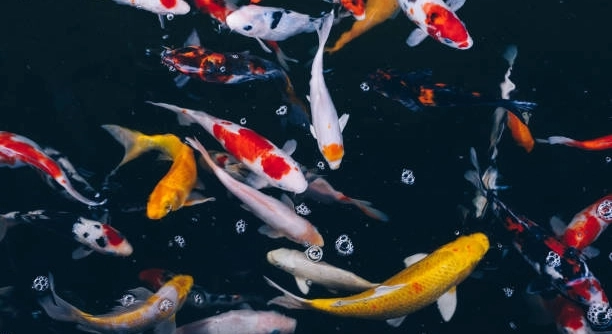
Koi ponds create a peaceful and beautiful space in any garden. Adding plants enhances the environment, offering shade, oxygen, and natural filtration. Choosing the right plants can help maintain the pond’s health and improve its appearance.
Plants suited for koi ponds must tolerate water conditions and koi activity. Suitable species provide shelter and food for aquatic life, improve water quality, and resist damage from fish nibbling or uprooting. These seven plants balance aesthetics with functionality.
Including the right plants improves pond balance and supports koi well-being. This guide highlights options that combine beauty and practicality for your water garden.
Water Lilies
Water lilies are a classic choice for koi ponds. Their broad leaves provide shade that helps keep the water temperature cooler, which benefits koi during hot weather. The floating leaves also reduce sunlight penetration, limiting algae growth. These plants have strong roots anchored in the pond bed, preventing them from being easily disturbed by koi. Their flowers add visual interest with colors ranging from white to pink and yellow, enhancing the pond’s aesthetic appeal. Regular pruning is necessary to keep the plants healthy and prevent overcrowding. Water lilies also create shelter for smaller aquatic creatures, contributing to a balanced pond ecosystem.
Water lilies adapt well to various pond sizes, making them versatile for most koi pond setups. They require a minimum water depth of about 18 inches to thrive.
Choosing water lilies supports a healthy pond environment. Their combination of shade, beauty, and root stability helps maintain clean water and adds peaceful charm to any koi pond.
Lotus Plants
Lotus plants are another attractive option for koi ponds, offering large, round leaves and impressive blooms. These plants need more space and deeper water, typically around 2 to 3 feet, to grow well. Their extensive root systems help anchor them firmly in the pond substrate, reducing the chance of uprooting by koi. Lotus flowers open during the day, providing a vibrant display of pink, white, or yellow petals. In addition to their beauty, lotus leaves shade the water, helping to control algae growth. Proper care includes removing dead leaves and flowers regularly to promote healthy growth and prevent decay in the pond. While lotus plants require some maintenance, their striking appearance and functional benefits make them a valuable addition to koi ponds. They also support beneficial insects, which can contribute to a balanced aquatic environment.
Cattails
Cattails are hardy plants that grow well along the edges of koi ponds. They provide shelter and natural filtration by absorbing excess nutrients from the water. Their tall, slender leaves add vertical interest and help reduce erosion along pond banks.
Cattails tolerate a wide range of water conditions, thriving in shallow, muddy areas. Their dense root systems stabilize the pond edges, which helps prevent soil from washing into the water. These plants grow quickly and can spread if not managed properly. Regular trimming is necessary to keep cattails from overtaking the pond perimeter. Additionally, their tall stalks can offer shade, benefiting koi by reducing water temperature fluctuations. While koi may nibble on the softer parts, cattails are generally resilient enough to withstand moderate fish activity.
Besides their functional benefits, cattails attract wildlife such as birds and insects, which can help maintain a natural balance in the pond ecosystem. Their presence supports biodiversity, enhancing the overall health of the koi pond environment.
Hornwort
Hornwort is a floating aquatic plant that oxygenates the water and limits algae growth. It does not root in the soil, which makes it easy to move and control within the pond. Hornwort grows rapidly and provides shelter for koi fry.
This plant’s dense foliage offers hiding spots for small aquatic creatures and reduces sunlight penetration, slowing algae development. Hornwort absorbs excess nutrients, helping to maintain clearer water. Its fast growth means it needs regular thinning to prevent overcrowding. Because it floats freely, it does not compete with rooted plants for space or nutrients. Hornwort tolerates a range of water temperatures and conditions, making it reliable year-round in koi ponds. By providing natural filtration and shelter, it supports koi health while keeping the pond visually appealing. Its presence also encourages a balanced aquatic environment by offering habitat for beneficial microorganisms and small fish.
Water Hyacinth
Water hyacinth floats on the surface and provides excellent shade for koi ponds. Its roots hang below the water, helping filter nutrients and reduce algae growth. It grows quickly and requires regular thinning to keep the pond balanced.
This plant’s attractive purple flowers add color to the pond. Water hyacinth prefers warm conditions and plenty of sunlight. It does not survive cold winters well, so removal may be necessary in cooler climates.
Pickerelweed
Pickerelweed grows well in shallow pond edges, producing spikes of violet-blue flowers. It helps absorb excess nutrients, reducing algae. Its broad leaves offer shelter to fish and aquatic life, making it a valuable pond addition.
Duckweed
Duckweed is a tiny floating plant that quickly covers pond surfaces. It reduces sunlight and helps control algae growth. It also provides food for koi but needs management to prevent overgrowth.
What plants are best for koi ponds?
Plants that thrive in koi ponds are those that can tolerate fluctuating water levels and resist damage from fish. Water lilies, lotus, cattails, hornwort, water hyacinth, pickerelweed, and duckweed are common choices. These plants provide shade, improve water quality, and offer shelter for koi and other aquatic life.
How do plants help koi ponds?
Plants contribute to koi ponds by absorbing excess nutrients, which limits algae growth and keeps the water clearer. They offer shade that helps regulate water temperature, reducing stress on koi. Additionally, plants create hiding spots that protect fish from predators and provide habitat for beneficial microorganisms that maintain pond balance.
Can koi eat pond plants?
Koi often nibble on soft plant leaves and stems, especially when young or if they are hungry. Hardy plants with thick or fibrous stems like cattails and lotus are less likely to be damaged. Floating plants like hornwort and water hyacinth are generally more resistant to koi nibbling but require regular care to manage their growth.
How do I maintain plants in a koi pond?
Regular pruning is important to prevent overcrowding and decay. Remove dead or yellowing leaves promptly to maintain water quality. Some plants, like water hyacinth and hornwort, grow quickly and need thinning to avoid blocking sunlight. Checking plant roots and ensuring they remain anchored helps prevent them from being uprooted by koi activity.
Are floating plants better than rooted plants?
Both floating and rooted plants have distinct benefits. Floating plants such as duckweed and hornwort shade the water and filter nutrients without disturbing the pond bed. Rooted plants like water lilies and lotus provide structure and shelter while stabilizing the substrate. A balanced mix enhances pond health and appearance.
Will pond plants reduce algae?
Yes. Pond plants absorb nutrients like nitrogen and phosphorus, which algae need to grow. By reducing these nutrients, plants limit algae blooms. Shade from floating and tall plants also reduces sunlight penetration, further controlling algae growth. However, plants alone cannot eliminate algae, so proper pond maintenance is also necessary.
How deep should plants be planted in koi ponds?
Planting depth varies by species. Water lilies require at least 18 inches of water above their roots, while lotus plants need deeper water, around 2 to 3 feet. Marginal plants like cattails and pickerelweed grow well in shallow edges. Floating plants do not need planting depth but thrive best with room to spread on the surface.
Can koi ponds survive winter with plants?
Many pond plants go dormant in winter but can survive cold temperatures if the pond is deep enough to avoid freezing solid. Floating plants may need to be removed in colder climates, while hardy rooted plants remain below the freeze line. Proper winter care includes removing debris and maintaining adequate oxygen levels to support fish and plants.
Selecting the right plants for a koi pond plays a key role in maintaining a healthy and attractive environment. The plants discussed, such as water lilies, lotus, cattails, hornwort, water hyacinth, pickerelweed, and duckweed, all offer unique benefits. Each plant contributes in different ways—some provide shade and shelter, others improve water quality by absorbing excess nutrients. Incorporating a mix of these plants can help create a balanced pond ecosystem, where both koi and aquatic life can thrive. Proper care and regular maintenance, like pruning and managing plant growth, ensure the pond remains clean and visually pleasing throughout the year.
Maintaining plants in a koi pond requires attention and effort, but the results are worthwhile. Healthy plants reduce algae growth, regulate water temperature, and provide hiding spots for koi, which helps reduce stress on the fish. While some plants may need trimming or thinning to prevent overcrowding, this also keeps the pond functioning well. Understanding how different plants interact with koi behavior and the pond environment will help in making better choices. For instance, selecting hardy plants that can withstand koi nibbling will reduce damage and loss. Floating plants add flexibility and easy control, while rooted plants offer stability and structure.
In summary, plants are not just decorative elements but essential parts of koi pond health. They support water clarity, fish welfare, and ecosystem balance. Choosing the right combination and maintaining the plants properly will improve the overall pond experience. Keeping the pond well-planted also enhances its natural beauty, creating a relaxing outdoor space. These simple steps contribute to a thriving koi pond that remains both functional and attractive throughout the seasons.

Hello,
If you enjoy the content that we create, please consider saying a "Thank You!" by leaving a tip.
Every little bit helps us continue crafting quality advice that supports the health, happiness, and well-being of pets around the world, for pets of all shapes, sizes, and species.
We really appreciate the kindness and support that you show us!