
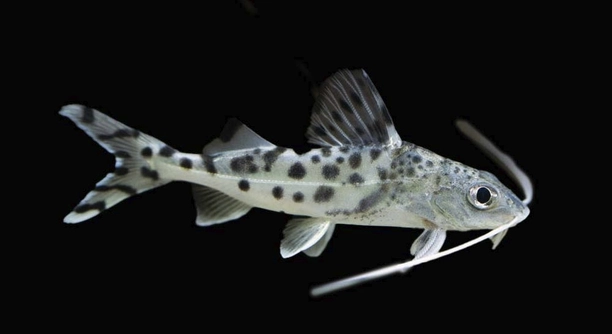
Keeping a Pictus tank well-decorated is important for both the fish and the overall look of the aquarium. Decorations provide hiding spots and help mimic the natural environment of the fish. Proper placement can improve the tank’s health and visual appeal.
The key to decorating a Pictus tank lies in balancing open swimming space with sufficient hiding places, while ensuring decorations do not block filtration or lighting. Strategic placement supports fish behavior and tank maintenance.
This guide will help you create a comfortable and attractive home for your Pictus catfish through effective decoration placement.
Choosing Safe Decorations for Your Pictus Tank
It’s important to select decorations that won’t harm your Pictus catfish. Avoid sharp or rough objects that can injure their delicate barbels and fins. Natural materials like smooth river stones, driftwood, and aquarium-safe plants work well. Plastic decorations should be free of toxic dyes or coatings. Always rinse new decorations thoroughly before placing them in the tank to remove dust or chemicals. Smooth surfaces help prevent scratches and reduce the chance of infections. When in doubt, opt for items labeled safe for freshwater tanks. This ensures the environment stays healthy and stress-free for your fish. Proper decoration choice also supports beneficial bacteria growth, which contributes to better water quality. Keeping these points in mind leads to a tank that’s both safe and attractive, enhancing the natural behavior and comfort of your Pictus.
Decorations should complement the tank’s layout while providing safe hiding spaces. Avoid overcrowding to maintain open swimming areas.
In a Pictus tank, fish rely on secure spaces to hide and explore. Smooth rocks and gentle plants create natural barriers that reduce stress. Driftwood not only looks nice but also provides shelter and surface for algae growth, which Pictus catfish enjoy. Be mindful to leave enough open water for active swimming. Too many decorations can make the tank feel cramped and limit fish movement. Clean decorations regularly to avoid buildup of algae or debris. Safe, natural decorations encourage natural behaviors, promoting healthier and happier fish.
Positioning Decorations to Maximize Swimming Space
Proper placement of decorations allows Pictus catfish to swim freely and stay active. Position larger decorations along the tank’s edges and corners, leaving the center open. This arrangement helps fish navigate without obstacles and reduces stress. Avoid blocking filtration outlets or heater locations to maintain even water flow and temperature. Using tall plants or driftwood in the background creates depth without crowding the swimming area. Balance is key; too many decorations in one spot can make the tank look cluttered and limit fish movement. When setting up, imagine how the fish will move and rest. Open areas promote exercise, which is essential for their health. This setup also makes tank cleaning easier and prevents debris buildup in tight spots. By thinking about space and flow, you create a comfortable environment for your Pictus catfish.
Open swimming space is vital for Pictus catfish to thrive and stay healthy in their tank.
When decorations are thoughtfully placed, your Pictus can enjoy both shelter and freedom. Placing taller plants or driftwood toward the back keeps sightlines clear and creates natural swim paths. Low decorations near the front encourage exploration without crowding. Avoid placing heavy decorations on the substrate that could trap waste. Layering decorations by height adds visual interest while maintaining function. Regularly assess the layout to ensure fish have enough room as they grow. Proper positioning promotes natural behavior, reduces stress, and keeps the tank visually appealing. This balance supports your fish’s well-being and helps maintain a healthy tank environment.
Creating Hiding Spots That Feel Natural
Hiding spots help Pictus catfish feel safe and reduce stress. Use caves, hollow logs, or dense plants to offer shelter. Position these in quieter parts of the tank where fish can retreat without feeling exposed. Make sure hiding places are easy to enter and exit.
Natural hiding spots mimic the fish’s environment in the wild. Smooth caves and driftwood provide cozy shelters where they can rest or escape bright light. Dense plants also offer cover while adding oxygen to the tank. Avoid overcrowding the tank with too many hiding places, as this can limit swimming space. Creating a balance helps your fish feel secure while allowing freedom to swim. Change hiding spot locations occasionally to keep the environment stimulating and comfortable.
Hiding spots should blend with the tank’s design without overwhelming the space. Choose decorations that look natural and don’t disturb water flow. Place them so they don’t block filter intake or heater output. Properly sized hiding spots encourage natural behavior and improve fish health. Regularly clean these areas to prevent buildup of debris or algae. Maintaining clean, accessible shelters supports a stress-free habitat for your Pictus catfish.
Considering Lighting and Decoration Placement
Lighting affects how decorations look and how comfortable your fish feel. Avoid placing bright lights directly over hiding spots, which can make fish avoid them. Use softer, diffused light near shaded areas to create natural contrasts. Position plants and decorations to cast gentle shadows that simulate the fish’s natural habitat.
Strong lighting can stress Pictus catfish since they prefer dimmer environments. Position decorations to block some light and create shaded zones. Floating plants or taller decorations help soften lighting and reduce glare. This setup encourages fish to explore and rest as they would in nature. Make sure light reaches plants for photosynthesis but not so much that algae growth accelerates. Adjust lighting schedules to mimic natural day and night cycles, helping fish maintain healthy rhythms. Thoughtful light and decoration placement promote a balanced, comfortable aquarium.
Balancing Decorations and Open Space
Open swimming areas are just as important as decorations. Leave enough clear space so your Pictus catfish can swim freely without bumping into objects. A cluttered tank can stress the fish and limit their natural movement.
Avoid placing too many decorations in the center of the tank. Keep the middle mostly open while arranging decorations along the edges and corners. This layout creates a comfortable environment where fish can swim and hide as needed.
Using Plants to Enhance Decoration
Live or artificial plants add beauty and function to your tank. Plants provide shelter, improve water quality, and create natural hiding spots. Choose plants that thrive in your tank’s conditions and don’t overcrowd the space.
Keeping Decorations Clean
Regular cleaning prevents algae buildup and maintains water quality. Remove decorations during tank cleaning and gently scrub them with warm water. Avoid harsh chemicals that can harm fish or disrupt the tank’s balance.
FAQ
How often should I rearrange decorations in my Pictus tank?
It’s a good idea to rearrange decorations every few months to keep the environment interesting for your fish. However, avoid frequent or drastic changes that could stress them. Small adjustments like moving a plant or rock slightly can encourage exploration without causing discomfort.
Can I use sharp or rough decorations?
Sharp or rough decorations can injure your Pictus catfish’s barbels and fins, which are sensitive. Always choose smooth, rounded items to prevent cuts or abrasions. Natural materials like driftwood and smooth stones are safer choices.
What types of plants work best in a Pictus tank?
Pictus catfish do well with hardy plants like Java fern, Anubias, and Amazon sword. These plants don’t require high light or CO2 and can tolerate the fish’s activity. Floating plants can also provide shaded areas and help reduce stress.
Is it necessary to create hiding spots in the tank?
Yes, hiding spots are essential. Pictus catfish feel safer with places to retreat when stressed or resting. Caves, dense plants, and hollow logs work well. Proper hiding spots reduce aggression and help your fish feel more secure.
How do decorations affect water quality?
Certain decorations can affect water parameters. For example, driftwood can lower pH slightly, which some fish prefer. However, poor-quality or unclean decorations may introduce toxins or promote algae growth. Always clean decorations before adding them and monitor water quality regularly.
Should decorations block the filter or heater?
No, decorations should never block filtration outlets or heaters. Proper water flow and temperature regulation are critical for your fish’s health. Place decorations in a way that maintains good circulation and even heating throughout the tank.
How can I prevent algae on decorations?
Algae growth is normal but can be controlled by limiting light exposure, avoiding overfeeding, and maintaining good water quality. Regularly clean decorations using warm water and a soft brush. Introducing algae-eating fish or snails can also help keep algae in check.
Can I use artificial plants instead of live ones?
Yes, artificial plants are a good option if you don’t want to manage live plants. Choose soft, smooth artificial plants to avoid injuring your fish. They don’t contribute to water quality but still offer hiding spots and decoration.
How much space should I leave open for swimming?
Aim to keep the center and middle sections of the tank mostly open. A good rule is to leave at least 50% of the tank’s floor space free of decorations. This allows your Pictus catfish plenty of room to swim and reduces stress.
What’s the best way to clean decorations?
Remove decorations during water changes and scrub them gently with warm water and a soft brush. Avoid soap or chemicals that can harm your fish. For stubborn algae, soaking decorations in diluted vinegar for a few minutes, then rinsing thoroughly, works well.
Can lighting affect how decorations should be placed?
Yes, lighting plays a big role. Bright light can stress Pictus catfish, so position decorations to create shaded areas. Floating plants or tall decorations help soften light and provide darker spots where fish can rest comfortably.
How do I balance aesthetics with fish comfort?
Focus first on your fish’s needs: safe hiding spots, open swimming areas, and clean environment. Then arrange decorations to look natural and pleasing. Using a mix of plants, driftwood, and rocks creates depth without crowding the tank. Regularly observe your fish’s behavior and adjust if needed.
Are there any decorations I should avoid completely?
Avoid anything sharp, rough, or toxic. Some stones can leach harmful minerals, so stick with aquarium-safe rocks. Painted or dyed decorations may release chemicals. Avoid metal or non-aquarium-grade plastics. When in doubt, choose natural, tested aquarium decorations.
How does decoration placement impact fish behavior?
Well-placed decorations reduce stress by offering hiding spots and visual barriers. Open areas encourage swimming and exercise. Crowded tanks may cause territorial disputes or hiding due to stress. Balanced layouts support natural behaviors, making your Pictus catfish more active and healthy.
Can I use substrate as part of the decoration?
Yes, substrate is part of the tank’s design. Smooth gravel or sand is best for Pictus catfish since they like to forage at the bottom. Avoid sharp or coarse substrates that can hurt their barbels. Layering substrate with small stones or plants can create natural-looking zones.
How do I know if my decorations are stressing the fish?
Signs include hiding too much, reduced activity, or damaged fins and barbels. If your fish avoid certain areas or show aggressive behavior, decorations might be blocking sightlines or causing discomfort. Try rearranging or removing problematic decorations to improve their environment.
Final Thoughts
Decorating a Pictus tank is more than just making it look nice. The way you place decorations affects how comfortable and healthy your fish will be. A well-decorated tank balances open swimming space with safe hiding spots, allowing the Pictus catfish to feel secure while still being able to move freely. Decorations should be chosen carefully, avoiding sharp edges or harmful materials, so the fish don’t get hurt. Smooth stones, driftwood, and aquarium-safe plants are good choices that also help create a natural environment. Taking time to plan your tank layout will make a big difference in how your fish behave and thrive.
Keeping decorations clean is another important part of maintaining a healthy tank. Over time, algae and debris can build up on surfaces, which might affect water quality and fish health. It’s important to regularly remove decorations during water changes and clean them gently with warm water. Avoid using soaps or harsh chemicals that could harm the fish. By keeping decorations clean, you prevent unwanted algae growth and maintain clear water, which is better for the fish and improves the overall look of the tank. Clean decorations also help reduce stress on your Pictus catfish, since they live in a healthier environment.
Lighting and decoration placement work together to create a comfortable space for your fish. Pictus catfish prefer softer, dimmer light and hiding places where they can rest away from bright areas. Using plants and decorations to cast natural shadows helps replicate their natural habitat and reduces stress. It’s also important not to block filters or heaters with decorations, so water flow and temperature remain steady. Balancing decoration and open space ensures your fish can swim freely, rest safely, and stay healthy. By considering these simple tips, you create a tank that looks good and feels right for your Pictus catfish.

Hello,
If you enjoy the content that we create, please consider saying a "Thank You!" by leaving a tip.
Every little bit helps us continue crafting quality advice that supports the health, happiness, and well-being of pets around the world, for pets of all shapes, sizes, and species.
We really appreciate the kindness and support that you show us!