
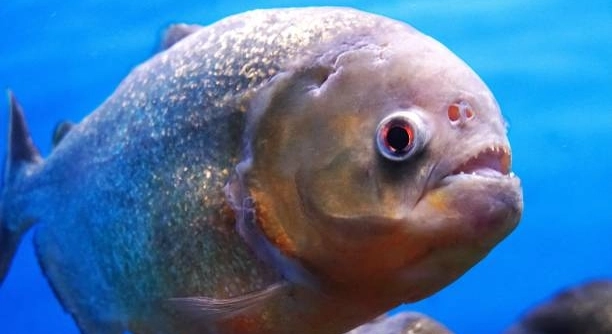
Piranhas are often seen swimming together in large groups. They usually follow the same path and act as one unit in their watery homes. But sometimes, some piranhas choose to go against the flow and stand apart from the crowd.
These seven piranhas display unique behavior by refusing to follow their group. Their individual choices challenge the common understanding of piranha social patterns, offering insight into variation within species behavior and group dynamics in aquatic life.
Learning about these unusual piranhas helps us see how nature can surprise us. Their stories show different ways animals can adapt and interact beyond what we expect.
Lone Hunters in the School
Some piranhas prefer to hunt alone rather than in large groups. These solitary hunters often find food on their own, relying on stealth and speed. They avoid competition with others and can surprise prey more easily. This behavior helps them survive when food is scarce or when group hunting becomes less effective. Their independence is unusual since piranhas are known for their pack hunting tactics.
These lone piranhas show that survival does not always depend on numbers. Their strategy offers a different way to thrive in their environment.
Being alone can sometimes be risky, but it also means these piranhas avoid fights and share less food. They adapt by staying hidden and striking quickly. Their sharp teeth and quick reflexes make them excellent solo hunters. This approach works well in certain areas where food is spread out, showing how flexible piranhas can be in changing conditions.
Rebels Against the Flow
Not all piranhas swim with the current of the group. Some choose to swim in the opposite direction or explore areas others avoid. This behavior is rare but important because it helps them find new food sources and avoid danger.
These piranhas challenge the usual idea that sticking together is the best way to stay safe. By breaking the pattern, they sometimes find fresh spots with less competition. This willingness to take risks may increase their chances of survival in changing environments. It also helps the whole species by spreading out and avoiding overcrowding. These rebels contribute to the balance of their habitat by exploring new areas and showing different survival techniques. Their choices remind us that not following the crowd can be a smart move in nature.
The Curious Case of the Silent Piranhas
Some piranhas break away from the noisy, aggressive group behavior. They tend to stay quiet and calm, avoiding the usual chaotic feeding frenzy. This silence helps them stay unnoticed by both prey and predators.
These silent piranhas use a stealth approach to survive. Instead of rushing with the group, they move slowly and carefully. Their quiet nature reduces energy use and lowers risk during hunts. This calm behavior also keeps them safe from larger predators that watch for noise and movement in the water. By not joining the noisy pack, these piranhas maintain a low profile. This way, they can live longer and find food without too much competition or danger.
Their calmness may look like weakness, but it is actually a smart way to survive. Silence helps them avoid conflict and stay hidden. This strategy shows that sometimes patience and quiet can be better than aggression in the piranha world.
The Outlier in Reproduction
Some piranhas do not follow the common breeding habits of the group. Instead of spawning in large numbers together, they reproduce alone or in very small groups. This behavior limits competition for space and resources for their offspring.
This reproductive choice affects how their young develop and survive. By separating from the crowd, these piranhas reduce risks like overcrowding and food shortages for their babies. It also lowers the chance of eggs being eaten by others in the group. This method may seem risky, but it helps maintain healthy populations in different areas. These outliers contribute to the species’ diversity by spreading out breeding locations. Their approach shows that changing reproductive habits can be a useful survival tool, helping piranhas adapt to different environments.
The Piranha That Roams Upstream
Some piranhas swim upstream against the current instead of following the group downstream. This behavior helps them explore new feeding grounds and avoid crowded areas.
Swimming upstream requires more effort, but these piranhas gain access to fresh resources and fewer competitors. This choice highlights their adaptability and willingness to take risks for survival.
The Independent Juvenile
Young piranhas often stay close to their group for protection. However, some juveniles break away early and explore on their own. This independence helps them learn survival skills quickly and become stronger.
The Shadow Swimmer
Certain piranhas avoid bright, open water and prefer to stay near shadows or under plants. This behavior keeps them hidden from predators and gives them an advantage when hunting prey.
The Slow Mover
Some piranhas move slower than the rest of the group. Their calm pace helps conserve energy and avoid unnecessary fights.
Why do some piranhas refuse to follow the group?
Some piranhas choose to separate from their group to find food more easily or avoid competition. Being alone or in a smaller group can reduce fights over food and space. These piranhas may also avoid predators by staying quiet or hidden, which is harder to do in large, noisy groups.
Is it dangerous for piranhas to act alone?
Yes, it can be risky. Groups offer safety in numbers, making it harder for predators to target one fish. Lone piranhas don’t have that protection, so they need to be extra careful. However, their speed, sharp teeth, and stealth help them survive despite the risks.
How do lone piranhas find food without help?
Lone piranhas rely on their senses and patience. They watch for injured or slow prey and strike quickly. They often hunt at night or in quiet waters to avoid being seen. Their sharp teeth and quick reflexes give them an advantage when hunting alone.
Do all piranhas hunt in packs?
No, not all. While many piranhas hunt in groups to overwhelm prey, some prefer hunting solo. This depends on their environment and food availability. When food is scarce or spread out, hunting alone can be more effective.
Why do some piranhas swim against the current?
Swimming upstream helps some piranhas explore new territories with less competition. It may also lead them to safer breeding spots or richer feeding grounds. This behavior shows how flexible they are in adjusting to their environment.
How do silent piranhas survive without the usual aggressive behavior?
Silent piranhas avoid noise and sudden movements, which helps them stay hidden. Instead of chasing prey, they wait patiently and use stealth to catch food. This calm behavior reduces energy use and keeps them safe from predators.
What is special about piranhas that reproduce alone?
Piranhas that reproduce alone reduce competition for their offspring. By spawning away from large groups, their eggs have a better chance of survival. It also prevents overcrowding, which can cause food shortages or increase disease risk.
Are young piranhas ever independent?
Yes, some young piranhas leave the group early to explore on their own. This independence helps them develop survival skills like hunting and avoiding danger. It also prepares them for adult life where they might live apart from large groups.
Why do some piranhas prefer shadowy areas?
Staying near shadows or plants helps piranhas hide from predators and sneak up on prey. These spots offer protection and better chances of catching food. It’s a quiet, safe way to live compared to open, bright waters.
Do slower piranhas get left behind?
Sometimes, but moving slower can be smart. Slow piranhas save energy and avoid fights. They also stay calm and wait for the right moment to act. This careful pace helps them survive without risking too much.
Can these unusual behaviors help piranhas adapt to changes?
Absolutely. Behaviors like hunting alone, swimming upstream, or staying silent give piranhas options when conditions change. This flexibility makes their species stronger and able to survive in different environments.
Are these individual behaviors common in other fish species?
Yes, many fish show variations in behavior within their groups. Some choose to lead, follow, or break away depending on what suits them best. This diversity helps species adapt and thrive over time.
The behaviors of these seven piranhas show that not all members of a species follow the same patterns. While piranhas are often seen as group animals, some choose different paths. Whether it is hunting alone, swimming upstream, or staying silent, these actions show a range of survival strategies. This variety helps piranhas adapt to different environments and challenges. It also shows that nature is not always about following the crowd. Sometimes, standing apart can be just as important for survival.
Seeing these unique behaviors helps us understand more about piranhas beyond their fierce reputation. They are not just aggressive fish that attack in packs. Some are careful, quiet, and independent. These traits allow them to avoid dangers and find food in different ways. Each piranha’s choice to act differently adds to the balance of their habitat. It also reminds us that animals, like people, can be very different even within the same group. This diversity is key to how life continues and grows in nature.
Overall, the seven piranhas that refused to follow the group teach us an important lesson about flexibility and survival. By adapting their actions, these fish can live longer and thrive in various situations. Their unique behavior shows that success does not always come from sticking with the majority. Sometimes, taking a different path can be the smartest way to meet life’s challenges. These piranhas prove that nature values both teamwork and individuality, each playing a role in keeping the species strong.

Hello,
If you enjoy the content that we create, please consider saying a "Thank You!" by leaving a tip.
Every little bit helps us continue crafting quality advice that supports the health, happiness, and well-being of pets around the world, for pets of all shapes, sizes, and species.
We really appreciate the kindness and support that you show us!