
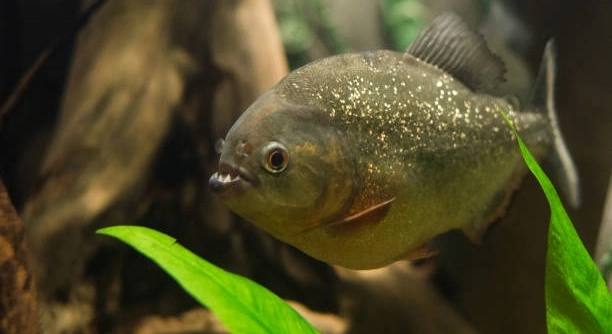
Have you ever been fascinated by animals that refuse to follow the rules, even in the wild? Some piranhas are more than just sharp teeth and aggression—they think differently and behave in unexpected ways.
Certain piranha species have adapted unique strategies that challenge common beliefs about their behavior. From dietary preferences to social habits, these fish exhibit traits that set them apart, showing that not all piranhas conform to the same rules.
These cases highlight how nature always finds a way to surprise us, even with creatures we think we know well.
The Red-Bellied Rebel
The red-bellied piranha is often labeled as the most aggressive, but it doesn’t always behave the way people expect. While many assume it’s a constant threat, this species spends most of its time avoiding conflict. In larger groups, red-bellied piranhas communicate through sounds to maintain order and reduce tension. They also show restraint when hunting, often targeting weak or injured prey rather than attacking anything nearby. This behavior helps conserve energy and avoid unnecessary risk. By working together, they increase their chances of survival. This shows that even a species known for aggression can act with intention and control.
Despite their fearsome reputation, red-bellied piranhas are surprisingly cautious in most situations. They rely on group coordination more than brute force when navigating their environment or feeding.
Their social nature plays a bigger role in their behavior than many assume. These piranhas aren’t just reacting—they’re constantly evaluating their surroundings and adjusting accordingly.
The Shy Solo Hunter
The wimple piranha doesn’t follow the group-hunting habits often linked with its relatives. Instead, it prefers a quiet, solitary approach to feeding that keeps it away from the chaos of the pack.
Wimple piranhas have evolved with a unique feeding strategy that sets them apart from other piranhas. Rather than tearing into flesh, they specialize in scale-eating. This method involves using their specially shaped mouths to scrape off scales from other fish without killing them. It’s a precise, almost surgical technique that reduces injury risk and saves energy. Because they don’t rely on overwhelming force, wimple piranhas tend to be more selective about when and how they feed. They often remain still, watching closely for the right opportunity. Their behavior is driven by strategy, not aggression. Even their body shape, more streamlined than bulky, supports this agile hunting style. This quiet, efficient behavior challenges the violent image many associate with piranhas.
The Vegetarian Rule-Breaker
The black spot piranha doesn’t rely on meat as its primary food source. Instead of hunting, it prefers a mostly plant-based diet made up of fruits, seeds, and aquatic vegetation, especially during the rainy season.
This piranha lives in flooded forests where fruits regularly fall into the water. Taking advantage of this, the black spot piranha has adapted its jaw strength and teeth shape to handle tough, fibrous food. It still eats small animals when necessary, but this is secondary to plant matter. Choosing a more passive food source means less competition and less danger. While other piranhas chase after fish or scavenge scraps, the black spot takes its time near overhanging trees and floating plants. This peaceful method of feeding gives it an advantage in certain environments, allowing it to thrive where meat-eating species might struggle. Its diet choices show flexibility and a break from traditional piranha behavior.
This species proves that being a piranha doesn’t mean being aggressive. By relying on fruits and plants, the black spot piranha avoids unnecessary risks. It shows how diet can influence behavior, and how environmental conditions shape feeding patterns. What many consider unusual is simply a smart adaptation to local resources and seasonal changes in the habitat.
The Tiny Territory Enforcer
The ruby red piranha may be small, but it has a strong need for personal space. Unlike larger species that live in schools, it defends its own small area, especially during mating season.
It’s not always about size or aggression—sometimes it’s about strategy. The ruby red piranha defends a limited area of calm water that offers shelter and feeding opportunities. This territorial behavior increases its chances of survival and reproduction. During breeding season, the male often guards a nesting site and keeps other fish away. Even outside of that time, it shows signs of spacing itself from others. This reduces conflict and ensures steady access to food without group interference. The ruby red’s sharp awareness of its surroundings and willingness to defend its space challenge the belief that all piranhas operate best in groups. Its independent behavior adds another layer of complexity to piranha behavior that is often overlooked.
The Quiet Schooler
The silver piranha prefers calm, slow-moving waters and tends to avoid conflict when possible. It forms loose schools but doesn’t show the tight group behavior seen in other species, especially when resources are limited.
Its behavior is shaped by its need for peace and space. Rather than chasing prey or fighting for dominance, the silver piranha drifts quietly in areas with thick vegetation. This gives it cover and reduces competition, helping it stay unnoticed by predators and other piranhas.
The Open-Water Roamer
Unlike many of its relatives that stay near shelter or dense cover, the white piranha has adapted to live in more open waters. It shows less reliance on hiding and instead uses speed and sharp awareness to navigate open rivers. This lifestyle requires it to be constantly alert and responsive, especially when food is scarce. It may travel longer distances than other species in search of meals, often preferring twilight hours to avoid larger predators. While it’s not as commonly seen, its roaming nature gives it access to different food sources, reducing its need for group support. This independent movement breaks the idea that all piranhas are tied to cluttered, shadowy habitats.
The Opportunistic Feeder
The yellow piranha doesn’t wait for the perfect moment. It adapts to whatever is available, feeding on insects, worms, seeds, and smaller fish. This flexibility helps it survive in changing environments and unpredictable food conditions.
What makes these piranhas different from typical ones?
These piranhas challenge the common image of piranhas as aggressive and dangerous. Instead of following the usual pack-hunting and constant aggression behavior, they show unique adaptations like peaceful feeding habits, territorial defense, or plant-based diets. Their differences come from how they have adapted to specific environments and resources. Some rely on stealth or speed, while others focus on solo hunting or eating plants. This shows that piranhas are more diverse in their habits and strategies than most people think.
Are all piranhas aggressive?
No, not all piranhas are aggressive. While some species can be aggressive during feeding or mating, others are calm and avoid conflict whenever possible. Many piranhas use social behaviors, communication, or environmental awareness to reduce fights. For example, some piranhas feed mostly on plants or only attack weak prey, showing restraint. This helps them save energy and avoid injury. Understanding this makes it clear that aggression varies widely among piranha species.
How do piranhas communicate within groups?
Piranhas use different methods to communicate, including sounds like grunts or clicks. These noises help them signal danger, coordinate movements, or establish social order. In species like the red-bellied piranha, these sounds reduce conflict and keep the group organized. Visual cues, like body posture or fin displays, can also signal intentions to other fish. Communication helps maintain peace and improves hunting success in group settings.
Why do some piranhas eat plants instead of meat?
Some piranhas have adapted to eat plants because it is a safer and more reliable food source in their environment. During rainy seasons or in flooded forests, fruits and seeds fall into the water and become abundant. Feeding on these reduces competition with other meat-eating fish and avoids the risks of hunting. This diet requires changes in teeth and jaw strength to handle tougher, fibrous material. Eating plants allows these piranhas to survive in habitats where meat is scarce or hard to catch.
Do solitary piranhas survive better than those in groups?
Survival depends on the species and environment. Some piranhas thrive alone because they avoid competition and can be more careful hunters. Solitary species often specialize in specific feeding habits, like scale-eating or picking insects. Others live in groups for protection and to improve hunting efficiency. Each strategy has advantages and disadvantages, so survival depends on how well a species adapts its behavior to local conditions.
How do territorial piranhas defend their space?
Territorial piranhas use displays like fin flaring, chasing, or bumping intruders to defend their area. During breeding seasons, males are more aggressive in guarding nesting sites. Defending territory helps ensure access to food and mates. Some species claim small patches of calm water or shelter, avoiding larger group conflicts. This behavior helps reduce stress and improves reproductive success.
Are piranhas dangerous to humans?
Most piranhas are not dangerous to humans unless provoked or threatened. Attacks are rare and usually happen when fish are stressed by food scarcity or during breeding. Many piranhas avoid humans and prefer to stay hidden in vegetation or murky water. Understanding their behavior helps reduce unnecessary fear. Respecting their space and avoiding sudden movements lowers the chance of negative encounters.
Can piranhas live in different water types?
Yes, piranhas live in various freshwater environments, including rivers, lakes, flooded forests, and slow-moving streams. Some prefer calm, vegetated waters, while others roam open rivers. Their adaptations to these habitats influence their behavior, diet, and social structure. Changes in water conditions can affect their feeding habits and group dynamics, showing how flexible they are.
How do piranhas impact their ecosystems?
Piranhas play important roles as both predators and scavengers. They help control fish populations by targeting weak or injured prey, which keeps ecosystems balanced. Some species also contribute to seed dispersal through their plant-based diets. Their presence affects how other species behave and interact in the same habitats. By filling different ecological niches, piranhas maintain healthy freshwater environments.
What can we learn from these unique piranhas?
These piranhas teach us about the diversity of animal behavior and adaptation. Not all members of a species follow the same rules, and flexibility can be key to survival. Recognizing this helps us appreciate the complexity of nature beyond stereotypes. It also encourages better understanding and respect for these misunderstood fish. Their varied behaviors show how species evolve in response to challenges and opportunities in their habitats.
The variety of piranhas that create their own rules shows how adaptable these fish really are. Not every piranha fits the common image of being aggressive and dangerous. Some choose to live quietly, others roam alone, and some even eat plants instead of meat. These differences come from their need to survive in changing environments. By adjusting their behavior, diet, and social habits, these piranhas find ways to thrive where other fish might struggle. It is clear that their survival depends on flexibility rather than just aggression or group hunting.
This diversity also highlights how important it is to look beyond simple ideas about animals. Piranhas are often misunderstood because of stories that focus only on their teeth and hunting habits. However, many species show calm and peaceful behaviors, especially when food is easy to find or when danger is near. Some piranhas defend small territories to protect food or breeding areas, while others travel alone to avoid competition. These strategies help maintain balance in their ecosystems and keep their populations healthy. Understanding these behaviors is key to appreciating piranhas as complex creatures rather than just fearsome predators.
Overall, the piranhas that follow their own rules remind us that nature is full of surprises. Each species finds a way to fit into its environment, using different skills and behaviors to survive. This variety makes freshwater habitats richer and more balanced. Learning about these unique piranhas encourages a better respect for all wildlife and the subtle ways animals adapt. Their stories show that survival is not about being the strongest but about knowing when to change and how to make the most of available resources.

Hello,
If you enjoy the content that we create, please consider saying a "Thank You!" by leaving a tip.
Every little bit helps us continue crafting quality advice that supports the health, happiness, and well-being of pets around the world, for pets of all shapes, sizes, and species.
We really appreciate the kindness and support that you show us!