
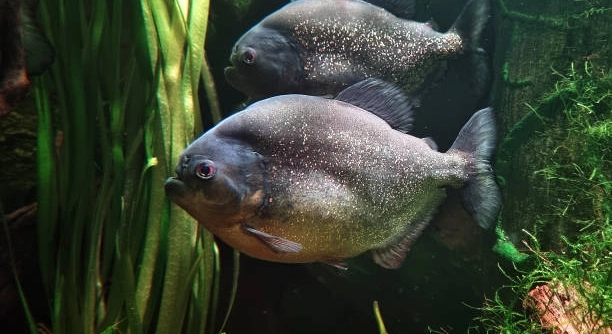
Groups often change when new members bring fresh energy or unique traits. Some individuals stand out by influencing how others interact and work together. This article highlights seven piranhas who reshaped their group dynamics significantly.
Seven piranhas altered group dynamics by introducing new behaviors, challenging existing roles, and shifting leadership patterns. These changes impacted communication, cooperation, and overall group effectiveness, demonstrating how individual differences can transform collective interactions.
Learning about these shifts reveals how small changes create bigger impacts within groups, affecting relationships and group success over time.
The Leader Who Changed the Flow
In many groups, leadership can make or break the way members interact. One piranha took charge differently by listening more and pushing less. This shift made others feel valued and encouraged open communication. Instead of commanding, she guided quietly, allowing the group to find its own balance. The group grew more connected because each member felt their voice mattered. This change also made decision-making smoother, reducing conflicts that often arise when only one person dominates. Her approach showed that leadership is not just about control but about fostering trust and respect. Over time, the group’s dynamic became less tense and more cooperative. People began to support one another better, and productivity improved as well. This example highlights how a single person’s change in style can influence the whole group positively.
Her leadership style was softer but effective, reshaping the group’s overall energy and cohesion.
Understanding this shift helps recognize the value of different leadership approaches within group settings.
The Disruptor’s Unexpected Role
A different piranha brought unexpected changes by questioning the usual ways of doing things. At first, this created some tension, but soon it led to new ideas and improvements. Her challenges encouraged others to think differently and adapt. This disruption was not about causing trouble but about pushing the group to grow beyond comfort zones. It showed that sometimes, shaking up routines can lead to better results. The group eventually appreciated her input, even if it was uncomfortable at times. Her role demonstrated that change agents are necessary to prevent stagnation and inspire progress. She helped the group move from simply maintaining the status quo to actively seeking improvement. This dynamic shows how a strong personality can influence group development, even if it takes time for others to accept the changes.
When managed well, disruption can be a catalyst for growth and innovation.
The Silent Influencer
Some piranhas don’t need to speak loudly to make a difference. Their quiet presence helps calm the group and steady tensions. They observe more than they talk, which gives them insight into group moods and needs.
This piranha often stayed in the background but played a key role by offering support when others needed it most. Instead of leading with words, she led with actions like helping solve small problems and encouraging cooperation. Her calm approach helped ease conflicts and reminded everyone of shared goals. The group often looked to her for subtle guidance, and her steady behavior became a glue holding everyone together. Though not always noticed, her influence kept the group balanced and focused, making her essential in changing how the team worked together.
Over time, her quiet strength taught the group the value of patience and understanding. Her role showed that not all change needs to be loud to be powerful.
The Motivator Who Boosted Morale
A piranha who always stayed positive made a big difference in the group’s energy. Her enthusiasm was contagious and kept spirits high even when challenges appeared.
She took time to recognize small wins and encouraged others to keep pushing forward. Her upbeat attitude made it easier for the group to face setbacks without losing hope. By celebrating progress, she built a sense of unity and motivated everyone to work harder. The group began to rely on her for emotional support, which improved trust and cooperation. Her influence helped the team stay resilient, showing how a positive outlook can change group dynamics for the better.
Her role proved that motivation is just as important as strategy when working with others. The group learned to appreciate the power of encouragement alongside practical efforts.
The Problem Solver
This piranha was quick to find solutions when conflicts arose. She stayed calm and focused, helping the group move past disagreements smoothly.
Her ability to see problems clearly made her a go-to member. She helped keep the group on track by breaking down issues and suggesting practical fixes.
The Connector
A piranha who built bridges between group members changed how people worked together. She made sure everyone felt included and understood. Her efforts reduced misunderstandings and strengthened bonds. By connecting different personalities, she created a more united and cooperative group.
The Observer
Quiet but sharp, this piranha noticed small details others missed. Her insights helped the group adjust and improve without causing disruption.
What makes a piranha stand out in a group?
A piranha stands out because of their strong personality or unique behavior that influences how the group works together. They may lead by example, challenge existing rules, or bring new energy that changes the group’s balance. Their actions often affect communication, decision-making, or cooperation within the group, making them noticeable and important to group dynamics.
How can one piranha change the whole group?
One piranha can shift the group dynamic by introducing new ideas or changing how members relate to each other. For example, a leader who listens more or a disruptor who questions habits can push the group to adapt. These changes affect how people cooperate, share tasks, or resolve conflicts. Over time, these small shifts can change the group’s overall behavior and success.
Is it always good when a piranha changes the group?
Not always. Some changes can create tension or confusion before things improve. A new attitude or challenge might upset the group’s comfort zone, causing temporary conflict. However, if managed well, these changes usually lead to growth, better teamwork, and stronger relationships. The key is how the group adapts and balances new ideas with old habits.
What role does quiet influence play in groups?
Quiet members can have a big impact without being loud. Their calm presence helps others feel stable and supported. By observing and acting thoughtfully, they often guide the group subtly. This steady influence can reduce conflicts and encourage patience, making the group more balanced and focused.
Can positive energy really affect group performance?
Yes, positive energy from one member can lift the whole group’s spirit. When someone encourages others and celebrates small successes, it builds motivation and trust. This keeps the group moving forward, especially during tough times. Positive attitudes make people more willing to cooperate and work toward shared goals.
How do problem solvers help group dynamics?
Problem solvers keep groups on track by finding clear, practical answers to conflicts or challenges. Their calm thinking helps avoid escalation and moves the group past obstacles. This ability reduces stress and helps members focus on tasks, improving overall teamwork and productivity.
Why is connection important in group settings?
Connection builds trust and understanding among members. A connector brings people together by helping them see each other’s perspectives. This reduces misunderstandings and strengthens bonds. When people feel included and valued, they communicate better and cooperate more easily.
What can observers contribute to a group?
Observers notice details others might miss, such as moods or small conflicts. Their insights help the group adjust without causing disruption. By sharing observations thoughtfully, they support better decisions and smoother group interactions.
How do groups balance strong personalities?
Groups balance strong personalities by recognizing each person’s role and value. Leaders, motivators, problem solvers, and quiet influencers all add something unique. When members respect differences and communicate openly, they can blend their strengths. This balance leads to better teamwork and fewer conflicts.
What should groups do when a new piranha joins?
Groups should welcome new members with openness and patience. It’s normal for dynamics to shift when someone new arrives. Allowing time to adjust and encouraging clear communication helps the group find a new balance. This creates space for fresh ideas and smoother cooperation.
How can groups maintain positive dynamics over time?
Maintaining positive dynamics requires ongoing effort from everyone. Members should keep listening, supporting, and adapting. Celebrating progress and handling conflicts calmly also helps. Regular check-ins or simple conversations about how things are going can keep the group healthy and focused on shared goals.
Is change in group dynamics always visible right away?
No, change can be slow and subtle. Sometimes it happens quietly through small shifts in behavior or attitude. Other times, it may take weeks or months for the full impact to show. Patience and awareness help group members recognize and appreciate these changes as they develop.
What is the main takeaway about piranhas in groups?
Piranhas can shape how a group functions in many ways, whether by leading, motivating, connecting, or challenging. Their influence often improves teamwork and growth, even if the process includes bumps. Understanding their roles helps groups work better together and appreciate each member’s contribution.
Groups are always changing, and the way members act can shape how well the group works. The seven piranhas we talked about show different ways people can affect the group dynamic. Some lead with quiet strength, while others push for change or keep the mood positive. Each role matters because it helps the group grow and find balance. Understanding these roles makes it easier to see why some groups work well while others struggle.
It’s important to remember that no single person controls a group alone. Instead, group dynamics come from many small actions and reactions between members. When one person changes how they behave, it can cause a chain reaction. This can improve communication, reduce conflicts, or inspire new ideas. But change can also be difficult. Groups may feel uncomfortable or unsure at first. Over time, though, these shifts usually help the group become stronger and more effective.
Working well with others takes patience and openness. Groups that welcome different personalities and styles can find new strengths. Supporting each other, listening, and adapting are key to keeping things moving forward. Even small changes in how someone acts can make a big difference. By learning from these seven piranhas, groups can better understand how to work together and create a positive, balanced environment for everyone involved.

Hello,
If you enjoy the content that we create, please consider saying a "Thank You!" by leaving a tip.
Every little bit helps us continue crafting quality advice that supports the health, happiness, and well-being of pets around the world, for pets of all shapes, sizes, and species.
We really appreciate the kindness and support that you show us!