
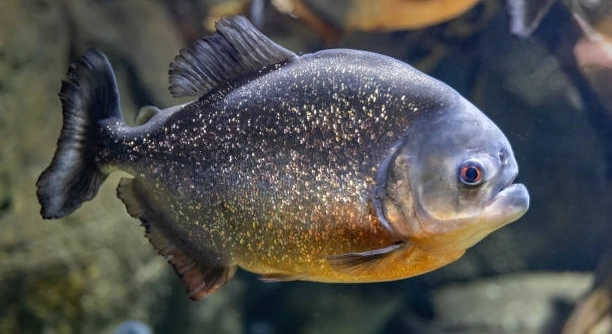
Piranhas are often seen as fierce fish, but their role in science goes beyond their sharp teeth. Certain species have changed how researchers understand behavior, ecology, and evolution in freshwater environments. These discoveries reveal surprising facts about these creatures.
Seven species of piranhas have significantly influenced scientific thinking by challenging previous assumptions. Their unique behaviors, social structures, and ecological roles have led to new insights in biology and environmental science, expanding knowledge about aquatic ecosystems and species interactions.
These examples highlight how small changes in understanding piranhas can impact broader scientific ideas. Exploring these species provides valuable lessons about nature’s complexity and ongoing research progress.
Red-Bellied Piranha and Social Behavior
The red-bellied piranha is the most well-known species and has often been misunderstood as solely aggressive. However, scientific studies show these fish display complex social behaviors. They form groups called shoals, which offer protection from predators and increase feeding efficiency. Shoaling also helps them communicate through body language and coordinated movements. These behaviors challenge the stereotype of piranhas as mindless killers. Instead, they demonstrate a level of social organization that is important for survival. Understanding these patterns has changed how researchers approach studies on fish behavior and group dynamics in aquatic animals. The red-bellied piranha’s ability to adapt its social habits depending on environmental conditions shows the flexibility and intelligence within this species.
This species plays a key role in shaping modern views on piranha behavior. It highlights how assumptions based on appearance can be misleading in scientific research.
The discovery of social structures in red-bellied piranhas has implications for ecosystem management. It informs conservation strategies by emphasizing the importance of group interactions. This knowledge helps preserve not only the species but also the balance of their habitats. As scientists continue to observe these fish, the understanding of sociality in aquatic environments grows, offering broader insights into animal behavior beyond piranhas alone.
Black Spot Piranha’s Role in Ecosystems
The black spot piranha affects freshwater ecosystems in unexpected ways.
Black spot piranhas control populations of smaller fish and insects, maintaining ecological balance. Their feeding habits help recycle nutrients, supporting the health of their environments. This species’ role shows how predators contribute to ecosystem stability. Without them, prey species might overpopulate, causing damage to plants and water quality.
Scientists now see the black spot piranha as a vital part of freshwater habitats rather than just a predator. This shift in perspective influences conservation efforts and ecological studies. Understanding its ecological function helps protect these delicate systems and supports biodiversity in freshwater areas where they live.
Pygocentrus nattereri’s Feeding Adaptations
The Pygocentrus nattereri, commonly called the red-bellied piranha, has developed specialized teeth and jaw muscles that enable efficient feeding on a variety of prey.
This species’ teeth are razor-sharp and interlock perfectly to slice through flesh with ease. Its jaw muscles are powerful, allowing it to exert significant bite force relative to its size. These adaptations make it a highly effective predator in its habitat. Feeding is not random but strategic, often involving quick, coordinated strikes to capture prey or scavenge. The combination of strong jaws and sharp teeth ensures this piranha can exploit multiple food sources, contributing to its survival in diverse environments.
Researchers have studied these features to better understand evolutionary pressures on predatory fish. The adaptations of Pygocentrus nattereri provide insights into how feeding strategies influence species success. These findings also help in understanding predator-prey relationships and energy flow within aquatic ecosystems.
Serrasalmus rhombeus and Aggression Patterns
Serrasalmus rhombeus, known as the black piranha, exhibits notable aggressive behavior, but this aggression is context-dependent rather than constant.
Aggression in this species varies with environmental factors such as resource availability and population density. During scarce food supplies, black piranhas become more territorial and aggressive to secure meals. Conversely, in abundant conditions, they show reduced aggression and increased social tolerance. This behavioral flexibility indicates that aggression is a tool used to balance survival and social interaction. The black piranha’s aggression patterns have reshaped how scientists view piranha behavior, shifting from an image of constant hostility to one of situational adaptability.
Understanding these aggression mechanisms offers broader implications for animal behavior studies. It highlights the importance of context in interpreting actions that might otherwise seem purely violent. This perspective aids in designing more effective conservation and management strategies.
Serrasalmus manueli’s Unique Habitat
Serrasalmus manueli inhabits deep, fast-flowing rivers where few other piranha species thrive. Its preference for such environments distinguishes it from many of its relatives.
This habitat choice has influenced its physical and behavioral adaptations, allowing it to survive and hunt effectively under challenging conditions.
Catoprion mento and Scale-Eating Behavior
Catoprion mento is known for its specialized feeding on the scales of other fish. This unique diet requires precise biting techniques and selective targeting. Scale-eating is rare among fish, making this species an important subject in studies of feeding specialization and evolutionary adaptation. Its behavior sheds light on niche differentiation and resource use in aquatic ecosystems.
Serrasalmus elongatus’ Social Structure
Serrasalmus elongatus displays complex social behaviors, often forming small groups. This social organization helps with hunting efficiency and predator defense. Group living in this species contrasts with the solitary nature commonly attributed to piranhas, revealing diverse social strategies within the family.
FAQ
What makes piranhas important in scientific research?
Piranhas have unique behaviors, feeding habits, and social structures that challenge common assumptions. Studying them helps scientists understand predator-prey relationships, social dynamics in fish, and evolutionary adaptations. Their roles in ecosystems provide insight into maintaining environmental balance and biodiversity. These factors make piranhas valuable for research beyond their fearsome reputation.
Are all piranha species aggressive?
Not all piranhas are aggressive all the time. Aggression varies by species, environment, and conditions like food availability. Some piranhas show territorial behavior only when resources are scarce. Others live peacefully in groups and rely on social interaction for survival. Understanding this variability is key to accurate views on piranha behavior.
How do piranhas communicate within their groups?
Piranhas communicate through body movements, changes in swimming patterns, and physical displays such as fin erection or jaw snapping. These signals help coordinate hunting, warn of danger, and establish social order. Communication supports group cohesion and survival, especially in species that form shoals.
Why do some piranhas eat scales instead of whole prey?
Certain species, like Catoprion mento, have specialized to feed on fish scales, which provide nutrients without killing the prey. This niche feeding reduces competition for food and allows them to exploit a unique resource. It also highlights the diversity of feeding strategies among piranhas.
How do piranha teeth differ from other fish?
Piranha teeth are sharp, triangular, and interlock like scissors. This design allows them to slice through flesh efficiently. Their strong jaw muscles add force to their bite. This combination is rare among fish and has evolved to support their feeding habits on various prey.
What role do piranhas play in freshwater ecosystems?
Piranhas help control populations of smaller fish and insects, preventing overpopulation. They recycle nutrients by scavenging and feeding on dead animals, which supports overall ecosystem health. Their presence maintains a balance that benefits plants and other aquatic life.
Can piranhas adapt to different environments?
Yes, many piranha species show adaptability to different water conditions, food availability, and social settings. For example, Serrasalmus manueli thrives in deep, fast-flowing rivers, while others prefer slow-moving waters. This adaptability helps them survive in diverse habitats across South America.
Are piranhas dangerous to humans?
Piranhas rarely attack humans unless provoked or if food is scarce. Most incidents occur when water is disturbed, attracting their attention. Their aggression is often exaggerated in popular media. In reality, they tend to avoid large animals and focus on smaller prey.
How do piranhas influence scientific views on animal behavior?
Piranhas illustrate that behavior in animals can be flexible and context-dependent. Their social structures and feeding habits challenge the idea that aggression is constant or simple. Studying them expands understanding of how animals interact with each other and their environment, influencing broader ecological and evolutionary theories.
What recent discoveries about piranhas have changed scientific thinking?
Recent research has revealed social behaviors, feeding specializations like scale-eating, and complex aggression patterns that differ from old stereotypes. These findings show that piranhas are not just aggressive predators but have diverse roles and adaptations that impact ecological systems. This evolving knowledge reshapes both scientific and public perceptions.
Final Thoughts
Piranhas are often seen as simple predators, but their diversity reveals a more complex picture. Different species show a wide range of behaviors, feeding strategies, and social interactions. These variations highlight the adaptability and ecological roles of piranhas beyond just being fierce hunters. Recognizing this complexity is important for a better understanding of their place in aquatic ecosystems.
Scientific studies have changed how piranhas are viewed. Research on feeding adaptations, such as scale-eating and powerful jaws, shows how these fish have evolved to survive in various environments. Their social behaviors, including group living and conditional aggression, demonstrate flexibility rather than constant hostility. These discoveries challenge earlier ideas that painted all piranhas as uniformly aggressive and dangerous.
Understanding piranhas in detail helps improve conservation and management efforts. Protecting their habitats and ensuring balanced ecosystems benefits other species as well. The information gained from studying piranhas contributes to broader knowledge about evolution, animal behavior, and environmental health. Their story encourages a more careful and informed approach to how humans interact with and preserve aquatic life.

Hello,
If you enjoy the content that we create, please consider saying a "Thank You!" by leaving a tip.
Every little bit helps us continue crafting quality advice that supports the health, happiness, and well-being of pets around the world, for pets of all shapes, sizes, and species.
We really appreciate the kindness and support that you show us!