
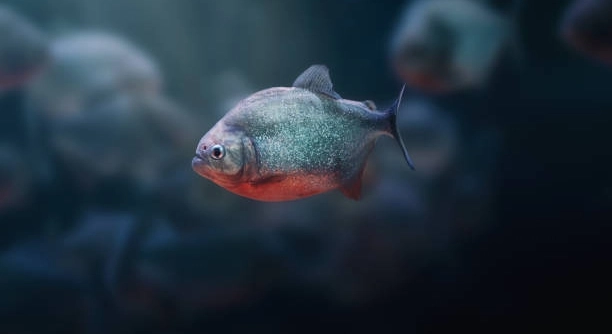
Have you ever thought piranhas were always aggressive, bloodthirsty fish with a reputation for chaos in the water?
Several piranha species are surprisingly peaceful, showing little to no aggression toward others in their natural environments. These types often rely on avoidance, passive behaviors, and social cues to stay out of unnecessary conflict.
These piranhas behave in ways that might surprise you, and understanding their nature can help shift how we think about them.
Red-Bellied Piranha: Not Always What You Think
Red-bellied piranhas are often labeled as the most dangerous, but that’s not the full story. In their natural habitats, they prefer to stay quiet and avoid fights. They live in groups called shoals, which helps keep them safe and calm. This behavior is often misunderstood as aggression, but it’s actually a method of staying protected. They only become defensive when they feel trapped or threatened. Outside of those moments, red-bellied piranhas spend much of their time avoiding conflict. Their sharp teeth and strong jaws may seem threatening, but they’re mainly used to scare predators, not to attack without reason. These piranhas also rely on signals from other fish in their group to know when it’s safe or when they need to be careful. It’s a social, cautious way of living that works well in the rivers and lakes where they are found.
They are much more reactive than aggressive, despite what people often believe.
While they can bite if provoked, their everyday behavior leans more toward defense and quiet cooperation. Watching them in calm waters shows a different side. Most of their time is spent swimming slowly, keeping a distance from threats, and staying in sync with their group.
Black Spot Piranha: Calm by Nature
Black spot piranhas tend to live alone, which might seem like it would make them more aggressive. But instead, they avoid conflict by staying away from other fish altogether. This quiet behavior helps keep them safe.
These fish are rarely seen in fast-moving groups or during feeding frenzies. They prefer murky, slow waters where they can glide without being noticed. Their quiet nature and preference for being alone help them avoid trouble. When something gets too close, they usually swim away rather than fight. Their smaller size and slower movements are not weaknesses; they are ways of staying out of conflict. Researchers have noted that black spot piranhas often ignore other animals unless absolutely necessary. In tanks or rivers, they keep their space and rarely start trouble. People assume all piranhas are the same, but species like this prove otherwise. They live calm, separate lives that are much different from the myths.
Wimple Piranha: The Gentle Surface Feeder
The wimple piranha has a unique way of feeding that avoids most conflict. Instead of biting or tearing, it scrapes tiny organisms off the surface of plants or fish scales, leaving the host mostly unharmed.
This feeding behavior keeps the wimple piranha out of fights, since it doesn’t compete for large prey. It swims near the surface, carefully collecting its food without making a scene. Its small teeth are suited for scraping, not tearing flesh. Because of this, other fish don’t often see it as a threat. This peaceful nature makes it one of the least aggressive piranhas. It can live in shared tanks without trouble when cared for properly. Even in the wild, it prefers staying near calm areas and away from aggressive fish. Instead of joining frenzies, it keeps its own slow pace and picks food quietly from safe spots.
Unlike other species, the wimple piranha rarely shows any territorial behavior. It doesn’t chase away other fish or defend patches of space. Instead, it simply avoids them. Even when in the same space as more active fish, it quietly sticks to its part of the water. It doesn’t need much to stay healthy or fed, which helps it avoid fights. Its calm habits make it well suited to stable environments, and its nature helps reduce risk. Over time, this low-stress behavior has made the species known for being one of the most peaceful in its group.
White Piranha: Shy and Slow
White piranhas are often quiet and prefer hiding to fighting. They spend much of their time near thick plants or tucked into shadows. If approached, they typically back away rather than defend. This makes them less likely to engage in conflict with other animals.
They rely more on their instincts than their teeth. White piranhas tend to avoid areas where they hear splashing or movement. They aren’t built for speed, and their slow swimming makes them easier to overlook. This gives them time to stay away from busy or dangerous parts of the water. When kept in aquariums, they need plenty of places to hide and calm surroundings. If left alone, they stay relaxed and don’t show aggression. It’s rare to see one lash out unless it’s extremely stressed or cornered. Their quiet habits and steady pace allow them to move through the water with little trouble or need to assert dominance.
Ruby-Red Piranha: Calm but Watchful
Ruby-red piranhas are slow-moving and stay out of busy areas. They prefer deep, quiet water and often hide under plants or near logs. Their alert behavior helps them avoid stress and conflict with other fish.
They are sensitive to changes in their environment and tend to withdraw when things get noisy. Rather than react with aggression, they simply move away and wait for calm.
Gold Piranha: Quiet and Passive
Gold piranhas are known for being slow and reserved. They often avoid group interactions and stick to themselves. When they eat, they do it cautiously and away from others. This helps them stay out of conflict. They aren’t known to chase or bite unless directly threatened.
Violet Piranha: Peaceful and Private
Violet piranhas enjoy having their own space and rarely bother others. Their calm nature makes them easy to overlook, especially when kept in quiet, stable environments.
FAQ
What makes some piranhas avoid conflict?
Some piranhas avoid conflict because of their natural behavior and environment. They rely on camouflage, slow movements, and staying in quiet areas to keep away from trouble. These piranhas are not built for constant fighting. Instead, they choose to swim away or hide when threats appear. Their teeth and jaws are often less sharp or suited for scraping rather than biting hard. These peaceful habits help them survive without needing to attack often.
Are all piranhas aggressive?
No, not all piranhas are aggressive. Many species are quite calm and avoid fights. Only a few piranhas show aggressive behaviors, mostly when defending themselves or during feeding frenzies. Most piranhas prefer to stay in groups or alone and avoid unnecessary conflict. Their behavior depends on the species and environment they live in. Knowing this helps clear up some common misunderstandings about these fish.
Can peaceful piranhas live with other fish?
Yes, some peaceful piranhas can live with other fish, but it depends on the species and tank setup. Species like the wimple or gold piranha are less likely to attack tank mates if given enough space and hiding places. However, it’s important to monitor interactions closely. Stress or overcrowding can make even calm piranhas more defensive. Keeping a balanced, peaceful environment is key to reducing conflicts.
Do peaceful piranhas still need hiding spots?
Absolutely. Even the calmest piranhas feel safer with places to hide. Plants, rocks, and shaded areas help reduce stress and give these fish a chance to retreat when needed. Without hiding spots, peaceful piranhas may become anxious or defensive. A well-decorated tank or natural habitat encourages their natural avoidance behavior and helps maintain harmony.
How do piranhas communicate to avoid fights?
Piranhas use body language and movements to signal their mood. They may flare fins, change swimming speed, or shift colors to warn others to stay away. These signals help prevent fights by showing when a fish feels threatened. Many peaceful species rely heavily on these non-aggressive cues instead of biting or chasing. This communication is important for maintaining order within groups or between different species.
What should I do if a peaceful piranha becomes aggressive?
If a usually calm piranha shows aggression, it could be stressed, hungry, or cramped. Check water quality, feeding schedules, and tank size first. Providing more space or hiding spots often helps calm the fish down. Avoid sudden changes in the environment and watch for signs of illness or injury. If aggression continues, separating the fish may be necessary to keep everyone safe.
Do peaceful piranhas require special diets?
Peaceful piranhas generally eat smaller prey or plant matter, depending on the species. Some scrape algae or nibble on scales without harming other fish. It’s important to provide a varied diet that fits their natural habits, including flakes, pellets, and occasional live food. Proper nutrition helps keep them calm and healthy, reducing the chance of aggression caused by hunger.
Can peaceful piranhas live in the wild with aggressive species?
Yes, peaceful piranhas often coexist with more aggressive fish by avoiding them or staying hidden. Their calm behavior and use of quiet areas help reduce conflict. They swim slowly and keep their distance, which allows them to survive even near stronger or more active fish. This balance shows how diverse piranha behavior can be depending on the environment.
Are peaceful piranhas easier to care for in captivity?
Generally, peaceful piranhas can be easier to care for because they don’t require constant monitoring for aggressive outbreaks. However, they still need proper water conditions, space, and diet. Their shy nature means they might hide more, so tank decoration is important. While less aggressive, they still need careful attention to avoid stress or illness.
How can I tell if my piranha is peaceful or aggressive?
Watch how your piranha behaves around other fish. Peaceful types swim calmly, avoid chasing, and hide often. Aggressive piranhas may bite, chase, or guard areas. Physical features like smaller teeth or a less muscular body can also be signs of a more peaceful species. Learning about your fish’s specific species helps you understand its behavior better and care for it accordingly.
Some piranhas are often seen as fierce and dangerous, but many species are quite different. These peaceful piranhas prefer to avoid fights and stay calm in their natural homes. Their behavior shows that not all piranhas are the same. Some rely on hiding, slow movements, and gentle feeding habits to keep away from conflict. Understanding this helps give a clearer picture of how these fish live and interact with their environment. It also shows that aggression is not the only way to survive in the water.
It is interesting to see how these peaceful piranhas manage to live alongside other fish without causing problems. Their careful habits help reduce stress and danger for themselves and others around them. By avoiding competition and conflict, they make life safer and more balanced under the water. These piranhas often use signals and quiet behaviors to keep peace. They stay in calm areas or in small groups, which helps them feel secure. This calm nature makes them easier to keep in tanks or aquariums as well, especially when their space and needs are respected.
Knowing more about peaceful piranhas encourages respect for their quiet ways. They may not be the wild, aggressive fish people expect, but their survival depends on avoiding fights rather than starting them. This reminds us that nature includes many different types of behaviors, even within one group like piranhas. Whether in the wild or in captivity, these gentle piranhas need care, good environments, and understanding. Learning about their calm side helps us appreciate their unique place in aquatic life and how they contribute to the balance of their ecosystems.

Hello,
If you enjoy the content that we create, please consider saying a "Thank You!" by leaving a tip.
Every little bit helps us continue crafting quality advice that supports the health, happiness, and well-being of pets around the world, for pets of all shapes, sizes, and species.
We really appreciate the kindness and support that you show us!