
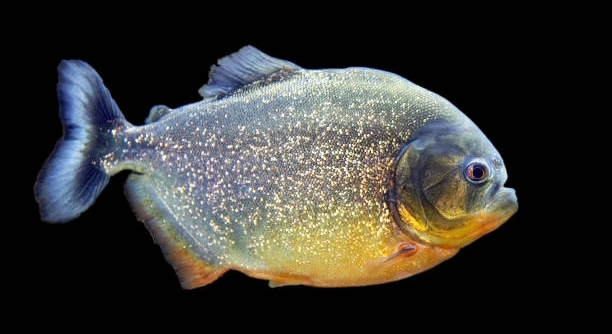
Piranhas have a fierce reputation as dangerous predators in rivers and lakes. Many people think these fish always hunt in aggressive packs. However, not all piranhas live up to this fearsome image.
Research shows that while some piranhas behave like predators, others often do not hunt aggressively or rely on different feeding habits. Their behavior varies greatly depending on the species and environment, challenging common assumptions about these fish.
Understanding the true nature of piranhas reveals surprising facts about their habits and roles in the ecosystem. This insight helps paint a clearer picture beyond the usual scary stories.
The Red-Bellied Piranha’s Mixed Reputation
The red-bellied piranha is often seen as the classic example of a fierce predator. It has sharp teeth and strong jaws, perfect for tearing flesh. Yet, in reality, these fish don’t always act aggressively. They tend to feed on insects, plants, and dead animals more often than actively hunting live prey. While they can form groups, this behavior is more about protection than hunting together. In many cases, red-bellied piranhas prefer to avoid confrontation and only attack when threatened or starving. Their attacks on larger animals or humans are rare and usually exaggerated by stories. The fish’s reputation comes from its sharp appearance and a few documented aggressive encounters, but this does not represent their usual behavior.
Despite their sharp teeth, red-bellied piranhas spend much of their time scavenging or eating plants. They are not constant hunters.
Knowing this helps reduce unnecessary fear and highlights their role in keeping waterways clean by eating dead matter.
The Black Piranha’s Hunting Style
Black piranhas tend to be more solitary hunters. They usually rely on stealth and quick strikes to catch small fish.
Unlike the red-bellied piranha, black piranhas don’t form large groups and often stay hidden near rocks or plants. Their hunting strategy is precise rather than aggressive. They wait patiently before making a sudden move to capture prey. This allows them to conserve energy and avoid unnecessary fights. Their teeth are strong, and their bite is powerful, but they rarely attack unless food is close by. This behavior means black piranhas are less likely to cause harm to larger animals or humans, staying focused on smaller prey in their environment. Their calm nature contrasts with their fearsome image, showing that not all piranhas fit the “aggressive predator” label.
The Wimple Piranha’s Gentle Side
The wimple piranha looks fierce but often avoids conflict. It mostly feeds on plants and insects.
While it has sharp teeth, the wimple piranha rarely hunts aggressively. It prefers nibbling on softer food sources like fruits and seeds that fall into the water. This piranha is more interested in a steady, less risky food supply than chasing prey. Its behavior reflects a peaceful approach compared to other piranha species. Even when threatened, it tends to swim away rather than attack.
The wimple piranha’s diet helps keep its ecosystem balanced by controlling plant growth and insect populations. Its calm nature surprises many who expect constant aggression from all piranhas.
The Silver Piranha’s Quiet Lifestyle
Silver piranhas usually stay hidden and avoid big groups.
This species focuses on small prey such as insects and tiny fish, relying on quick, precise strikes rather than group attacks. Silver piranhas tend to live in quieter waters where food is less abundant, so they have adapted to being less aggressive. Their sharp teeth are useful but rarely used in large attacks, making their role more about maintaining balance in their environment than causing fear. They contribute quietly to the health of their habitats by controlling insect numbers and removing weak fish, proving that being a piranha doesn’t always mean being dangerous.
The Redhook Silver Dollar Piranha
The redhook silver dollar piranha is mostly peaceful and prefers plants over meat. Its sharp teeth are mainly for chewing tough vegetation.
This species often grazes on algae and leaves, playing an important role in keeping water plants under control. It rarely hunts or shows aggressive behavior.
The San Francisco Piranha
San Francisco piranhas are more solitary and cautious. They avoid confrontation and mostly feed on insects and small aquatic animals.
Their quiet behavior helps maintain balance in their ecosystem without causing much disturbance. They rarely engage in aggressive hunting like some of their relatives.
The Pygocentrus Nattereri
This species is one of the more well-known piranhas but still does not always act like a fierce predator.
Despite its reputation, Pygocentrus nattereri often scavenges rather than hunts actively, showing a less aggressive side.
Are all piranhas dangerous to humans?
Not all piranhas are dangerous to humans. While some species have sharp teeth and strong bites, many piranhas avoid humans and prefer smaller prey or plant matter. Most attacks on humans are rare and often happen only when the fish feel threatened or when food is scarce. Many piranhas are more scavengers than hunters, feeding on dead animals rather than chasing live prey. Their aggressive reputation is often exaggerated by movies and stories, but in nature, they usually try to avoid trouble.
Why do some piranhas form groups while others stay alone?
Group behavior in piranhas varies by species and environment. Some species, like the red-bellied piranha, form schools primarily for protection from predators rather than to hunt together. Grouping helps them feel safer and can confuse potential threats. Other species, like the black piranha, tend to live and hunt alone, relying on stealth and surprise rather than numbers. The choice to be solitary or social depends on food availability, habitat, and the need for defense.
What do piranhas eat if they are not always hunting?
Many piranhas eat a variety of foods beyond just live prey. Their diets often include insects, plants, fruits, seeds, and dead animals. Some species prefer scavenging, feeding on carcasses or leftover food in the water. This diet helps keep their environment clean and balanced by removing decaying matter. Plant-eating piranhas nibble on leaves and algae, which controls plant growth. The idea that piranhas constantly hunt live prey is not always true.
How strong is a piranha’s bite?
A piranha’s bite is very strong relative to its size. Some species have teeth that can slice through flesh and even small bones. However, they use this strength mainly to feed efficiently rather than to attack large animals. Their bite force helps them tear apart food quickly but is not always used aggressively. The strong bite also helps when chewing tough plant material. It’s important to remember that strong bite power doesn’t mean they are always dangerous or aggressive.
Can piranhas live in captivity without being aggressive?
Yes, piranhas can live in captivity with proper care and conditions that reduce stress and aggression. Providing enough space, hiding spots, and a balanced diet helps keep them calm. Avoid overcrowding and sudden changes in water quality to prevent aggressive behavior. Many aquarium owners successfully keep piranhas with peaceful tank mates by understanding their specific needs. Proper care can show the less aggressive side of piranhas that many don’t expect.
Do piranhas ever attack other fish of their own species?
Yes, piranhas sometimes attack each other, especially when food is scarce or during breeding season. Competition for territory or mates can cause fights. However, this aggression is not constant and often limited to specific situations. In general, piranhas try to avoid injuring their own kind to maintain group safety. Aggressive displays and warnings usually stop serious attacks before they happen.
How do piranhas contribute to their ecosystem?
Piranhas play important roles in their ecosystems by controlling populations of insects, fish, and plants. Their scavenging behavior helps clean the water by eating dead animals. Plant-eating species keep aquatic vegetation in check, preventing overgrowth. By maintaining this balance, piranhas support healthy river and lake environments. Despite their fearsome image, they are vital for ecosystem health and biodiversity.
Are piranhas more active during certain times of the day?
Many piranha species are more active during dawn and dusk when feeding conditions are best. They tend to hide or rest during the hottest parts of the day. This pattern helps them avoid predators and conserve energy. Some species adjust their activity based on water temperature, light, and food availability. Understanding their natural rhythms helps explain why piranhas don’t always appear aggressive or active.
Can piranhas survive in different water conditions?
Piranhas are quite adaptable and can live in a variety of freshwater habitats, including rivers, lakes, and flooded forests. They tolerate changes in water temperature and oxygen levels better than some other fish. However, they prefer warm, slow-moving waters with plenty of hiding places. Their ability to adapt helps them survive in diverse environments but also means they need specific care when kept in captivity.
How do piranhas communicate or show warning signs?
Piranhas use body language, sounds, and movements to communicate, especially to warn others. They may flare their fins, show their teeth, or swim aggressively to warn off threats or competitors. Some produce clicking or popping sounds during confrontations. These signals help avoid unnecessary fights by establishing dominance or boundaries. Communication is key to their survival and social behavior.
Piranhas often get a bad reputation for being fierce and dangerous predators, but the truth is much more balanced. While some species have strong teeth and can be aggressive when needed, many piranhas spend most of their time feeding on plants, insects, and scavenging dead animals. Their behavior depends on their species, environment, and food availability. Not all piranhas hunt in groups or actively chase prey. Many prefer to avoid conflicts and only show aggression when they feel threatened or hungry. Understanding this helps us see piranhas as important parts of their ecosystems rather than just scary fish.
It is important to remember that piranhas have different lifestyles and habits. Some, like the red-bellied and black piranhas, can show hunting behavior, but even they have quiet moments where they feed on less threatening food. Others, like the wimple and redhook silver dollar piranhas, are more peaceful and focus on plant material or small insects. Their teeth are tools for eating, not just weapons for attack. These fish help control insect populations and clean up dead matter in their habitats. This balance is important for the health of rivers and lakes where they live.
Knowing more about piranhas changes how we think about them. Instead of fearing them as dangerous hunters, we can appreciate their role in nature. They are more complex than their scary image suggests. By learning about their behaviors, diets, and social patterns, we gain a better understanding of how they live and survive. This knowledge can help reduce unnecessary fear and improve how we interact with the natural environment. Piranhas remind us that animals often have many sides, and it’s worth looking deeper before judging.

Hello,
If you enjoy the content that we create, please consider saying a "Thank You!" by leaving a tip.
Every little bit helps us continue crafting quality advice that supports the health, happiness, and well-being of pets around the world, for pets of all shapes, sizes, and species.
We really appreciate the kindness and support that you show us!