
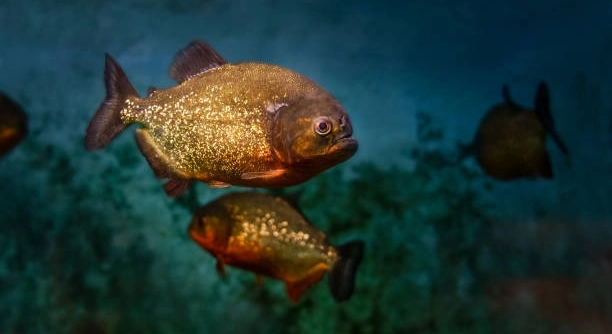
Are your piranhas acting strangely, leaving you unsure if their behavior is normal or something to worry about? You’re not alone—many aquarium owners notice odd habits and aren’t sure what they mean.
Unusual behaviors in piranhas, such as glass surfing, hiding excessively, or sudden aggression, often indicate environmental stress, improper tank conditions, or health concerns. These changes in behavior are warning signs that require timely attention and adjustments.
Understanding what causes these behaviors can help you provide better care and avoid serious issues before they arise. Each odd action has a reason—and a solution that can make a real difference.
Glass Surfing at All Hours
Glass surfing is when a piranha repeatedly swims up and down against the tank wall. It may look harmless at first, but it’s usually a sign of stress. This behavior often happens when the tank is too small or there’s something off in the water quality. Piranhas need plenty of space to feel secure. If they’re in a cramped tank or exposed to loud noises, they can become anxious. Ammonia spikes, sudden temperature changes, or even harsh lighting can also make them uncomfortable. Keep an eye out for signs like rapid breathing or loss of color—these often show up along with glass surfing. It’s important to test your water parameters regularly and maintain a calm environment around the tank. A stressed fish can become aggressive or withdrawn. Addressing the cause quickly helps the fish return to normal behavior and prevents long-term harm to its health.
A quiet, stable space and proper tank size can often stop the pacing behavior.
If your piranha continues to glass surf after you’ve corrected these issues, consider rearranging the tank. Adding plants or hiding spots may reduce the stress. Giving the fish a sense of safety and privacy can change how it reacts to the space around it.
Hiding All Day and Refusing Food
When a piranha spends most of its time hiding and skipping meals, something is likely wrong.
Piranhas are shy by nature, but extreme hiding paired with a loss of appetite could mean poor water conditions or illness. First, check the tank’s temperature, pH, and nitrate levels. If any numbers are off, adjust them slowly to avoid further stress. Sometimes, the lighting is too bright or the tank lacks places to hide, which can leave your fish feeling unsafe. Offering a more natural setting with driftwood or plants can make a big difference. Illness is another possibility—internal parasites or bacterial infections can cause both hiding and not eating. You might notice other signs like bloating or cloudy eyes. In such cases, isolate the fish and consult a vet or aquarium specialist. Always feed high-quality food, and remove any uneaten leftovers quickly. Staying consistent with care routines will help your fish feel secure and stay healthy over time.
Sudden Aggression Toward Tank Mates
Piranhas can get aggressive out of nowhere, especially when something in the tank changes. New decorations, shifting light patterns, or rearranged territories can all set them off. Sometimes, it’s just because the tank feels too small or too crowded.
If you notice your piranha chasing or biting others, it might be reacting to stress or feeling territorial. Aggression can also spike when food is scarce or feeding schedules change. Make sure all fish get enough to eat and space to move. Adding more hiding spots or dividing the tank with plants can help reduce tension. If one fish is constantly bullied, consider separating it temporarily. Avoid overstocking and keep a close eye on tank dynamics. Aggression is natural, but repeated attacks may lead to serious injury. Calm environments and a stable routine usually prevent this behavior from becoming dangerous or constant.
Even minor changes in tank setup or routine can cause this shift. Piranhas rely on consistent surroundings to feel safe. Introducing tank mates without a gradual process can disrupt that balance. Always monitor group behavior when making adjustments. A stressed or scared fish will often lash out before it tries to hide. Catching the problem early saves your other fish from harm.
Jumping Out of the Tank
Jumping isn’t always random—it’s usually triggered by fear or sudden loud sounds. If your piranha is leaping from the water, the tank lid might not be secure enough. These fish can react strongly to unexpected movements or vibrations nearby.
To prevent jumping, make sure the tank has a well-fitting cover and keep it closed at all times. Loud TVs, slamming doors, or people tapping the glass may all trigger flight responses. Fish may also jump if water quality becomes poor or oxygen levels drop. Ensuring strong filtration and stable temperature helps a lot. If your piranha is new to the tank, it might jump more often while adjusting. Reduce noise near the tank, and consider using a background or cover to block outside distractions. Nighttime jumping is common too, so check lighting schedules. Adding floating plants may create a sense of cover and ease their stress over time.
Constantly Chasing Their Reflection
When a piranha chases its reflection, it may think it’s seeing another fish. This often happens in tanks with clear glass and bright lighting. It can cause stress and even physical harm if it becomes a constant behavior.
You can reduce reflection by adjusting the lighting or placing a background on the tank. Turning off nearby lights or covering part of the glass can also help. The goal is to make the environment feel secure and reduce confusion that leads to this kind of behavior.
Floating at an Angle
Floating at an odd angle is usually a sign of swim bladder issues. This can be caused by overeating, constipation, or bacterial infections. It affects the fish’s ability to stay upright in the water. Feed smaller portions, check the water quality, and consider using a specialized treatment if the issue doesn’t go away.
Gasping at the Surface
This often means the water doesn’t have enough oxygen. Check your filter and make sure there’s enough surface movement. Poor water conditions or high temperatures can also cause this behavior, so test your tank and adjust as needed.
Why is my piranha swimming in circles?
Swimming in circles is often a sign of stress or a health problem. It may happen if the water conditions aren’t right, such as improper pH, temperature, or high ammonia levels. Sometimes, infections or parasites affect the fish’s balance and cause this behavior. Check water quality first and adjust it if needed. Also, observe if other symptoms like loss of appetite or discoloration appear. If the behavior continues despite good water conditions, it could be a sign of internal issues. In that case, consulting a vet or fish specialist is recommended.
What does it mean when my piranha ignores food?
Ignoring food usually means your piranha is stressed or unwell. Poor water quality, sudden changes in temperature, or illness can reduce appetite. Make sure the tank environment is stable and clean. Offering fresh, high-quality food can help stimulate eating. Sometimes, piranhas refuse food when they feel unsafe or threatened. Check for signs of injury or illness, like spots, swelling, or lethargy. If your fish consistently refuses to eat for more than a day or two, medical attention might be necessary.
Can piranhas live peacefully together?
Yes, but it depends on the tank size and number of fish. Piranhas are territorial, so overcrowding can lead to aggression. A larger tank with enough hiding spaces reduces fights. Keeping piranhas of similar size helps avoid bullying. Avoid mixing species that don’t get along well. Proper feeding and maintaining a calm environment also promote peace. Watch for aggressive behavior and be ready to separate fish if needed. Peaceful living requires careful planning and regular monitoring.
Why does my piranha have torn fins?
Torn fins are often caused by fights or sharp objects in the tank. Overcrowding can increase aggression and fin damage. Sometimes, poor water quality weakens fins and makes them prone to tearing. Check for rough decorations or sharp edges that might injure your fish. Improving water quality and reducing stress helps fins heal faster. If tears look infected (red or swollen), consider antibacterial treatments. Keeping the tank clean and avoiding aggressive tank mates are important for preventing fin damage.
How often should I clean my piranha tank?
Cleaning depends on tank size and number of fish but usually every 1-2 weeks. Remove uneaten food, waste, and perform partial water changes. Regular testing of water parameters helps decide cleaning frequency. Avoid cleaning the entire tank at once to keep beneficial bacteria alive. Maintaining a stable environment is key to healthy fish. More frequent cleaning might be needed if water quality drops or if the tank is small. Consistent maintenance prevents stress and disease in your piranhas.
What is the ideal tank size for a piranha?
A minimum of 20 gallons per piranha is recommended to provide enough space and reduce aggression. Larger tanks allow better territory separation and more stable water conditions. Overcrowding increases stress and fighting. Include hiding spots like plants and decorations to help them feel secure. Regularly monitor water quality, as bigger tanks can handle waste better but still require maintenance. Proper tank size is essential for both the fish’s physical health and behavior.
Can stress cause illness in piranhas?
Yes, stress weakens the immune system, making piranhas more vulnerable to infections. Stress factors include poor water quality, overcrowding, sudden changes in environment, and bullying. Signs of stress include erratic swimming, loss of appetite, and hiding. Reducing stress by improving tank conditions and maintaining a consistent routine helps prevent illness. Early intervention is important to avoid serious health problems. Healthy, calm fish are less likely to develop disease.
What should I do if my piranha shows signs of illness?
Start by testing the water and improving any poor conditions. Isolate the sick fish if possible to prevent spreading disease. Observe symptoms like spots, swelling, or unusual behavior. Use appropriate medications after identifying the issue, such as antibacterial or antifungal treatments. Consult a vet or aquarium specialist for proper diagnosis and care. Keep feeding high-quality food and maintain a clean tank. Prompt action increases the chance of recovery and protects other fish.
Are piranhas noisy or disruptive in home aquariums?
Piranhas are mostly quiet but may produce clicking or grunting sounds when stressed or during feeding. These noises are usually not loud or disturbing. However, their activity, like chasing or jumping, can cause splashing. Proper tank setup with a secure lid minimizes disruptions. Understanding their behavior helps manage any noise or movement. Overall, piranhas can be kept in a calm home environment without much disturbance if their needs are met.
Taking care of piranhas can sometimes be challenging because they show their feelings through behaviors that seem odd or worrying. It is important to watch closely for any changes in how they act, like swimming oddly, hiding too much, or becoming aggressive. These behaviors often tell you something about their health or tank environment. By understanding what each behavior means, you can take the right steps to help your fish feel better. Small changes in water quality, tank setup, or feeding can make a big difference in their comfort and health. Being patient and careful with these adjustments helps your piranhas stay happy and strong.
Keeping a clean and stable tank is one of the most important parts of caring for piranhas. They need enough space, clean water, and a calm environment to thrive. Testing the water regularly and making sure the temperature and pH are just right prevents many common problems. Providing places to hide and making sure the tank is not overcrowded also lowers stress. When piranhas feel safe, they behave normally and are less likely to get sick or act out. It is good to learn about their natural behavior so you can spot when something is off early. Early action can save your fish from bigger problems later.
Finally, knowing when to get help is just as important as daily care. If you notice your piranha acting very strangely or showing signs of illness that don’t improve with better tank care, it is best to consult a professional. A vet or experienced aquarium expert can give advice on treatment and help you understand what might be wrong. Sometimes, problems like infections or parasites need special care beyond what you can do at home. Taking care of piranhas requires attention and sometimes patience, but with the right knowledge and actions, you can keep your fish healthy and enjoy watching them thrive.

Hello,
If you enjoy the content that we create, please consider saying a "Thank You!" by leaving a tip.
Every little bit helps us continue crafting quality advice that supports the health, happiness, and well-being of pets around the world, for pets of all shapes, sizes, and species.
We really appreciate the kindness and support that you show us!