
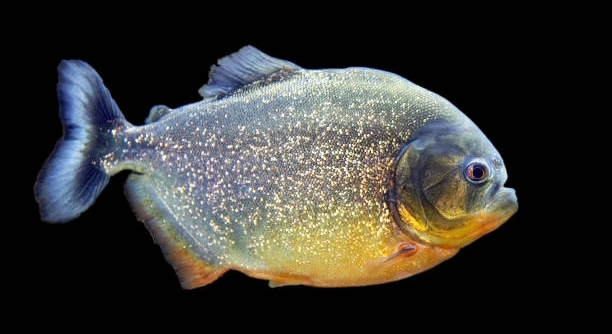
Piranhas are fascinating fish known for their sharp teeth and powerful jaws. Observing their swimming patterns can reveal important information about their health and behavior. Monitoring these patterns helps ensure their well-being in captivity or the wild.
Seven distinct swimming patterns indicate different states in piranhas, such as feeding, aggression, or stress. Recognizing these behaviors allows caretakers and researchers to assess environmental conditions and piranha welfare accurately and respond accordingly.
Knowing what each swimming pattern means can improve how you care for piranhas and better understand their natural behavior. This knowledge is useful for both hobbyists and professionals alike.
Understanding Normal Swimming Patterns
Piranhas typically swim in calm, deliberate ways when they feel safe and comfortable. Their movement is steady, and they tend to explore their environment slowly. You might notice them gliding near plants or hiding spots, which is a natural behavior for resting or observing. In groups, piranhas often swim together in loose formations, which helps protect them from threats. This coordinated swimming is not aggressive but rather a sign of social behavior and safety. When water conditions are stable, such as proper temperature and clean water, their swimming remains consistent and smooth. Changes in this pattern can indicate stress or illness. Watching for these baseline movements can give early clues about their well-being. It also helps prevent unnecessary worry if their behavior is typical for their species and environment. Understanding these normal swimming patterns is essential before identifying any unusual activity.
Normal swimming indicates comfort and good health in piranhas, showing steady, smooth movements without sudden bursts or erratic turns.
Monitoring these normal behaviors helps maintain ideal care, allowing timely adjustments to tank conditions and avoiding potential health problems before they escalate.
Aggressive Swimming Behavior
Aggressive swimming in piranhas is marked by sudden bursts of speed, rapid darting, and direct chasing of other fish. This behavior often occurs during feeding or territorial disputes. When food is introduced, piranhas may swarm quickly, creating chaotic movements that look aggressive. Territorial aggression happens when piranhas defend their preferred space, swimming fast and often bumping into tank mates. Such actions indicate stress or competition. It is important to ensure that tank size is adequate and that there are enough hiding spots to reduce tension. Aggressive swimming can lead to injuries if left unchecked. Providing proper nutrition and minimizing overcrowding helps control this behavior. Keeping a close eye on these movements allows for adjustments in the tank environment to keep all fish safe and calm. Recognizing aggression early prevents prolonged stress and damage.
Aggressive swimming reflects piranhas’ reaction to stress, food competition, or territory defense, requiring careful management of their environment.
Addressing aggressive behavior involves managing feeding routines, tank space, and social groupings to maintain harmony and reduce risks of harm. Proper environmental enrichment and stress reduction are key.
Erratic Swimming Patterns
Erratic swimming involves sudden, sharp turns, rapid changes in direction, or frantic darting without clear purpose. This behavior can signal discomfort or distress in piranhas. It often appears when water quality declines or when piranhas experience illness or injury. Monitoring these signs early helps prevent serious problems.
Erratic swimming is frequently caused by poor water conditions, such as high ammonia or nitrite levels. Sudden changes in temperature or pH can also provoke this response. Illnesses like parasites or bacterial infections may lead to irregular movements. It is important to test water regularly and maintain stable parameters. Observing erratic swimming early allows prompt treatment or water adjustments, improving fish survival chances.
Stress from overcrowding or aggressive tank mates can worsen erratic behavior. Providing enough space and hiding spots reduces anxiety and encourages calmer swimming. Addressing these factors creates a safer environment, leading to healthier piranhas and more predictable swimming patterns.
Resting and Hovering Behavior
Resting or hovering occurs when piranhas remain nearly motionless in the water, often near the tank bottom or plants. This can be a sign of relaxation or recovery from activity. It also helps conserve energy between movements and feeding times.
Sometimes, excessive resting may indicate health issues or poor water quality. When piranhas hover for long periods, it could signal oxygen deficiency or illness. Monitoring water oxygen levels and cleanliness supports proper resting behavior. Ensuring good filtration and aeration prevents these problems. Resting behavior is normal when balanced with regular activity, but unusual lethargy requires attention.
Providing shaded areas and hiding spots encourages natural resting habits. A comfortable environment helps piranhas feel secure and supports their normal swimming cycles. Proper balance between rest and activity improves overall fish health and reduces stress.
Schooling Swimming Behavior
Schooling occurs when piranhas swim closely together in coordinated groups. This behavior provides safety and helps reduce stress. It is a natural social pattern.
When schooling, piranhas move smoothly in the same direction. This coordinated swimming reduces the risk of predators attacking any single fish.
Exploring and Investigative Swimming
Exploratory swimming shows curiosity and active engagement with the environment. Piranhas move slowly around new objects or tank features, sometimes pausing to observe. This behavior indicates comfort and interest. It helps them learn about their surroundings, find food sources, or identify hiding spots. Providing enrichment encourages this natural activity. It also signals that the fish feel secure enough to explore rather than hide or act defensively.
Surface Swimming
Surface swimming is when piranhas stay near the water’s top. This often happens when oxygen levels are low or during feeding times. Regular surface swimming may indicate the need to improve aeration or water quality.
What does it mean when my piranha swims erratically?
Erratic swimming usually points to stress or discomfort. This behavior can result from poor water quality, sudden changes in temperature, or illness. When a piranha swims in quick, sharp movements without direction, it may be trying to escape irritants or reacting to parasites. It is important to check water parameters like ammonia, nitrites, and pH. If these are within safe limits, look for signs of disease such as visible spots or lethargy. Acting quickly to improve the tank environment or provide treatment can help your piranha recover and return to normal swimming.
Why do piranhas sometimes swim in groups?
Swimming in groups, or schooling, is natural for piranhas. It provides safety by confusing predators and helps reduce individual stress. Schooling also helps piranhas coordinate movements, making feeding more efficient. When they swim tightly together, it shows comfort and normal social behavior. If your piranhas are isolated or swimming alone often, it could indicate stress or illness. Ensuring proper tank size and keeping multiple piranhas together supports this important behavior.
Is aggressive swimming normal for piranhas?
Yes, aggressive swimming is a common behavior, especially during feeding or territorial disputes. Piranhas can be competitive and protective of their space, which causes sudden bursts of fast swimming or chasing other fish. This behavior is usually short-lived and linked to resource competition. To reduce aggression, provide enough room, hideouts, and multiple feeding spots. Overcrowding or lack of enrichment can increase tension and risk injury. Monitoring aggression helps maintain a safer environment for all tank inhabitants.
What should I do if my piranha spends too much time resting?
Resting or hovering is normal but excessive inactivity might indicate health problems or poor water quality. If a piranha remains motionless for long periods, test oxygen levels and check for illness symptoms. Improving filtration and aeration often helps. Also, review feeding routines and tank temperature. Healthy piranhas balance rest with active swimming. If inactivity continues, consult an aquatic specialist to rule out disease or stress factors.
Why does my piranha swim near the surface?
Piranhas often swim near the surface when oxygen levels are low or during feeding times. Surface swimming can signal the need for better aeration or water circulation. Regularly observe your tank for this behavior. Increasing oxygen through air stones or filters improves fish comfort. If surface swimming happens only during feeding, it’s a normal response. Persistent surface activity needs attention to avoid long-term health issues.
How can I encourage natural swimming behaviors?
Providing a suitable environment with adequate space, hiding places, and varied tank decor encourages natural swimming. Consistent water quality and temperature reduce stress. Feeding varied and appropriate diets keeps piranhas active and healthy. Observing their swimming patterns helps identify comfort levels. Stimulating exploration through tank enrichment supports curiosity and reduces aggression. Keeping a stable, clean habitat is the foundation for normal piranha behavior.
Can sudden changes in swimming patterns mean illness?
Yes, sudden shifts in swimming behavior often signal health problems. Erratic swimming, lethargy, or constant surface activity may indicate infections, parasites, or poor water conditions. Early detection is crucial for effective treatment. Regular water testing and observing behavior trends help catch problems before they worsen. Prompt action can save lives and restore normal activity.
What is the difference between schooling and aggressive swimming?
Schooling is calm, coordinated group movement that promotes safety and social interaction. Aggressive swimming is fast, erratic, and involves chasing or bumping tank mates, usually linked to competition or stress. Schooling shows comfort and natural behavior, while aggression signals a need for environmental or social adjustments.
How often should I monitor my piranha’s swimming patterns?
Daily observation is best for detecting changes early. Brief checks during feeding or cleaning routines help identify unusual behavior quickly. Consistent monitoring supports prompt responses to water quality or health issues. Keeping a log of behaviors over time can reveal trends and help improve care strategies.
Can tank size affect swimming behavior?
Yes, inadequate tank size restricts movement and increases stress, often causing aggressive or erratic swimming. Piranhas need enough room to swim freely and establish territories. A cramped environment leads to conflict and health problems. Choosing a tank that suits the number and size of your piranhas supports healthier behavior and reduces stress-related swimming patterns.
Monitoring your piranha’s swimming patterns is an important part of keeping them healthy. Each type of swimming behavior can tell you something about their current state. Whether they are swimming in groups, resting, or moving erratically, these patterns provide valuable clues. Paying attention to these details helps you catch potential problems early and ensures your fish remain comfortable in their environment.
Maintaining good water quality and providing a proper tank setup are essential to supporting natural swimming behaviors. Stable temperature, clean water, and enough space reduce stress and encourage your piranhas to swim normally. When the environment is balanced, piranhas are more likely to display calm schooling or exploratory swimming. On the other hand, poor water conditions or overcrowding often lead to signs of distress, such as erratic movements or excessive surface swimming.
Regular observation combined with timely action creates a healthier tank for your piranhas. Noticing small changes in their swimming behavior allows you to adjust water parameters, address illnesses, or improve tank conditions before serious issues develop. Taking these steps supports the long-term well-being of your fish. Ultimately, understanding and monitoring swimming patterns strengthens your ability to provide proper care and maintain a thriving aquarium.

Hello,
If you enjoy the content that we create, please consider saying a "Thank You!" by leaving a tip.
Every little bit helps us continue crafting quality advice that supports the health, happiness, and well-being of pets around the world, for pets of all shapes, sizes, and species.
We really appreciate the kindness and support that you show us!