
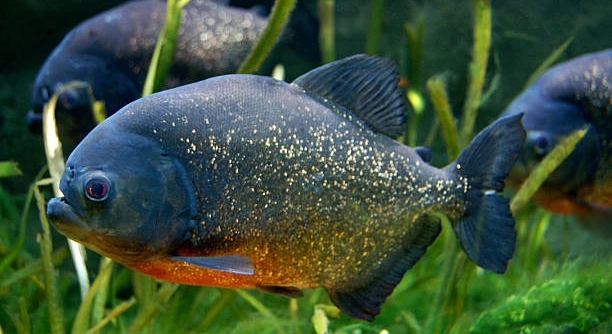
Piranhas are well-known for their quick and sharp reactions to their environment. Vibrations in the water often trigger specific behaviors in these fish. Understanding how piranhas respond helps reveal more about their nature and survival tactics.
Piranhas respond to vibrations primarily through heightened alertness and coordinated movement. These responses include freezing, schooling tightly, showing aggression, or fleeing, depending on the intensity and source of the vibrations. Such behaviors help them protect themselves and find food efficiently.
Exploring these responses sheds light on the fascinating ways piranhas interact with their surroundings. This knowledge can improve how we observe and care for them in natural and controlled environments.
Freezing Response to Vibrations
When piranhas detect sudden vibrations in the water, one common reaction is to freeze completely. This stillness helps them avoid drawing attention from predators or prey. Freezing allows the piranha to assess the source of the disturbance without making itself vulnerable. By remaining motionless, it can better judge if the vibration signals danger or an opportunity for food. This behavior is especially useful in murky waters where visibility is low, so vibrations become a key sensory input. Freezing also conserves energy, which is important for their survival when food might not be immediately available. Observing piranhas freeze in response to vibrations gives a clear sign of their cautious nature and instinctive survival strategies.
Freezing is a simple yet effective way for piranhas to protect themselves while deciding their next move. It balances safety and alertness in uncertain situations.
This behavior shows how piranhas rely on vibrations as an early warning system. It is a quiet, low-energy way to stay safe in a complex environment. Understanding this helps explain why piranhas sometimes appear still and watchful rather than always aggressive. The freezing response keeps them ready to react quickly once they know more about their surroundings.
Schooling and Group Movement
Piranhas often respond to vibrations by grouping together tightly. This schooling behavior increases their chances of safety. When they move as a unit, predators find it harder to single out one fish. The vibrations signal possible threats, causing the group to swim closely and move in synchronized patterns. Schooling also boosts their ability to hunt effectively, as a coordinated group can surround prey more easily. This response shows how piranhas depend on teamwork when faced with uncertainty in their environment. It is an instinctive way to increase protection and improve feeding chances. Watching piranhas school after detecting vibrations highlights their social nature and collective survival tactics.
Aggressive Response to Vibrations
Piranhas often react aggressively to sudden vibrations, especially when they feel threatened. This quick display of aggression can serve as a warning or a defense mechanism. It helps them protect their territory and scare off potential threats before they get too close.
When vibrations signal danger or an intruder, piranhas may flare their sharp teeth and swim toward the source with increased speed. This behavior intimidates rivals or predators, showing they are ready to defend themselves. Aggression in response to vibrations also plays a role in feeding, as piranhas can rush to catch injured or struggling prey that caused the disturbance. This sharp and sudden reaction is part of their survival instinct and hunting efficiency.
Such aggressive responses help piranhas maintain control over their environment. It keeps other animals cautious and ensures piranhas have better access to resources. Their readiness to act fast when sensing vibrations reflects their alert and sometimes fierce nature underwater.
Flight Response to Vibrations
Piranhas sometimes flee from strong or unfamiliar vibrations. This rapid retreat helps them avoid danger and regroup in safer areas. Fleeing can be a temporary reaction while they assess the threat level nearby.
This escape behavior shows that piranhas balance aggression with caution. When the disturbance is too intense or unclear, they choose to swim away quickly rather than confront the source. Flight responses also allow them to avoid larger predators or human interference. After escaping, piranhas often seek shelter among rocks or plants until the vibrations stop. This pattern of fleeing and hiding is a key part of how they survive in dynamic aquatic environments. It highlights their ability to adapt by knowing when to fight and when to retreat.
Increased Alertness
Piranhas become highly alert when they detect vibrations. Their senses sharpen to better understand the source and nature of the disturbance.
This heightened state helps them prepare for quick decisions, whether to attack, flee, or stay still. Alertness is key to their survival and interaction with the environment.
Investigative Behavior
Piranhas often move closer to investigate vibrations. This cautious approach helps them gather more information before deciding how to respond.
By swimming slowly toward the source, they can detect if the vibration signals food, danger, or something else. This behavior reflects their curiosity and careful nature underwater.
Sheltering
Piranhas may retreat to sheltered areas after sensing vibrations. They use plants, rocks, or debris for protection.
Sheltering helps them avoid threats while staying hidden until the disturbance passes. This behavior adds to their survival strategy.
FAQ
How do piranhas sense vibrations in the water?
Piranhas use special sensory organs called the lateral line system. This system runs along the sides of their bodies and detects changes in water pressure and movement. It allows them to sense even small vibrations caused by nearby animals or objects, helping them respond quickly to their environment.
Why do piranhas react differently to various vibrations?
The type of vibration matters a lot to piranhas. Gentle or familiar vibrations might not trigger a strong reaction, while sudden or unfamiliar ones often cause freezing, aggression, or fleeing. Their response depends on how threatening or interesting the vibration appears to be, helping them stay safe and find food.
Can piranhas tell the difference between predator and prey vibrations?
Yes, piranhas can often distinguish between vibrations caused by potential threats and those from prey. Predatory vibrations usually cause defensive behavior, like schooling or fleeing. Prey vibrations, such as struggling fish, can trigger aggressive hunting responses.
Do all piranha species respond to vibrations the same way?
Different species of piranhas may show variations in their responses, but most share similar basic behaviors like freezing, schooling, and aggression. Environmental factors and the specific habitat can also influence how strongly they react to vibrations.
How do vibrations affect piranha feeding behavior?
Vibrations often signal struggling prey, which piranhas detect and respond to aggressively. This helps them locate food quickly. When they sense prey through vibrations, piranhas may gather in groups to hunt more effectively.
Are piranhas more sensitive to vibrations at certain times?
Piranhas tend to be more alert and responsive to vibrations during feeding times or when their territory feels threatened. Their sensitivity may also increase at night or in low-visibility conditions when relying on vibrations becomes more important than sight.
Can vibrations stress piranhas?
Constant or very strong vibrations can cause stress in piranhas. Stress might lead to changes in behavior like hiding more often or reduced feeding. It’s important for their environment to have periods of calm to avoid negative effects on their health.
Do vibrations help piranhas communicate?
Indirectly, yes. Vibrations caused by movement or activity can inform other piranhas about danger or food. While they don’t use vibrations to “talk” like some animals, these signals still play a role in group coordination.
How can humans avoid disturbing piranhas with vibrations?
Moving slowly and carefully near piranha habitats reduces vibrations that might alarm them. Avoiding sudden splashes or heavy footsteps in the water helps keep them calm and reduces aggressive reactions.
What happens if piranhas ignore vibrations?
Ignoring vibrations could be risky. Vibrations often warn about predators or signal food availability. Not responding may result in missed feeding opportunities or increased vulnerability to threats. Their survival depends on paying attention to these cues.
Piranhas are fascinating creatures that rely heavily on their ability to detect vibrations in the water. These vibrations serve as important signals that tell them what is happening around them. Whether it is a sign of food, danger, or simply movement, piranhas react in different ways to stay safe and survive. Their responses to vibrations include freezing, schooling, aggression, flight, increased alertness, investigating, and sheltering. Each of these behaviors plays a role in helping piranhas navigate their environment effectively. By paying attention to vibrations, they can quickly decide how to act, which increases their chances of survival in often challenging conditions.
Understanding how piranhas respond to vibrations gives insight into their natural behavior and instincts. It shows that they are not just aggressive fish but are careful and cautious when faced with unknown situations. These reactions are part of their built-in survival tools, balancing caution with action. For example, freezing or sheltering keeps them safe when there is uncertainty, while aggression or schooling helps them defend themselves or hunt successfully. Their ability to sense and respond to vibrations also highlights the importance of their sensory systems, such as the lateral line, which plays a crucial role in detecting changes around them.
Overall, the way piranhas respond to vibrations is a clear example of how animals adapt to their environment to protect themselves and find food. Observing these behaviors can help people who study or care for piranhas better understand their needs and how to create safe spaces for them. It also reminds us that even fish known for their fierceness have complex behaviors that allow them to live and thrive. Recognizing these responses encourages respect for their natural instincts and the delicate balance they maintain in their aquatic habitats.

Hello,
If you enjoy the content that we create, please consider saying a "Thank You!" by leaving a tip.
Every little bit helps us continue crafting quality advice that supports the health, happiness, and well-being of pets around the world, for pets of all shapes, sizes, and species.
We really appreciate the kindness and support that you show us!