
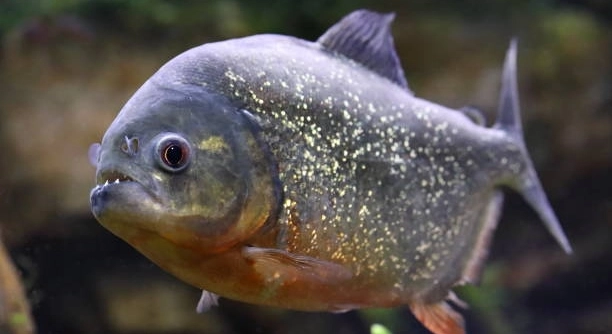
Piranhas are often known for their sharp teeth and fast bites. These fish live in freshwater rivers and have surprising reactions that help them survive. Their quick reflexes are more complex than most people expect.
Piranhas exhibit rapid reflexes that enable them to react swiftly to threats and prey. These reflexes include sudden bursts of speed, precise jaw movements, and coordinated group attacks, which contribute to their efficiency as predators in their natural habitat.
Learning about these reflexes gives insight into how piranhas interact with their environment. Their behavior reveals much about survival in fast-changing river ecosystems. Understanding these details helps appreciate their role beyond just being fierce fish.
Lightning-Fast Attack Responses
Piranhas have incredibly fast attack reflexes that help them catch prey or defend themselves. When they sense movement or vibrations in the water, their muscles react immediately, allowing them to launch sudden bites. These attacks often happen in less than a second, making it almost impossible for prey to escape. The quick jaw snap is powered by a strong muscle system designed for speed rather than just strength. Their sharp teeth fit together perfectly to tear through flesh quickly. This rapid response helps piranhas catch smaller fish or insects swimming nearby. It also helps them avoid danger by striking first. In a school, these reflexes synchronize, making their group attacks more effective. Such speed comes from specialized nerve cells that send signals to muscles instantly. This makes piranhas one of the fastest biting fish in their habitat.
The reflexes of piranhas are built for speed and precision, which play a critical role in their survival.
Understanding how these reflexes work explains why piranhas are such efficient predators, even though they are relatively small fish. Their quick attack mechanism lets them grab food quickly, reducing the chance of losing prey. It also helps protect them from larger predators. When piranhas hunt together, their lightning-fast responses combine, overwhelming prey in moments. This cooperation shows how their reflexes support both individual and group survival strategies. The natural design of their muscles and nerves allows for near-instant reaction to stimuli. This unique combination of speed and sharp teeth makes their bites effective for breaking through tough skin or scales. Knowing about these reflexes sheds light on how piranhas thrive in their often crowded, competitive river environments.
Coordinated School Movement
Piranhas move in schools, which improves their reflex efficiency and protection. Their quick reactions are timed together to make group movements smooth and fast.
Moving as a group helps piranhas react faster to threats and find food more easily. When one fish senses danger, others follow quickly, making their escape or attack almost simultaneous. This tight coordination is made possible by their reflexes and ability to sense water vibrations from each other. Swimming together creates confusion for predators, as it’s hard to target one fish out of many. It also allows them to surround prey in a way that individual fish cannot. This school behavior relies heavily on reflex timing, as each fish adjusts its speed and direction instantly. Such teamwork increases their chances of survival and hunting success. It’s a natural example of how reflexes support both defense and offense in piranha groups.
Sudden Escape Reflexes
Piranhas can quickly dart away when threatened. This fast escape reflex helps them avoid predators or danger in the water.
The escape reflex activates when piranhas detect sudden movements or changes in water pressure. Their bodies bend sharply, allowing a rapid burst of speed in any direction. This movement is powered by strong muscles along their sides, which contract quickly. Such reflexes are essential for survival, especially in crowded environments where threats come from many directions. The ability to change direction fast helps piranhas avoid attacks from larger fish or other predators. Their eyes and sensory organs work together to detect danger early, triggering this quick getaway.
These sudden movements not only help individual fish but also alert others in the group. When one piranha escapes rapidly, nearby fish react almost immediately. This chain reaction creates a wave of movement that can confuse predators and make it harder for them to catch any single fish. The combination of speed, sharp turns, and group awareness makes their escape reflex a vital part of how they live safely in rivers and lakes.
Jaw Snap Precision
Piranhas use their jaw snap to bite with amazing accuracy. This reflex ensures they hit the right spot to catch or defend quickly.
The precision of their jaw snap comes from a finely tuned muscle and nerve system. When a piranha closes its mouth, the movement is both fast and exact, targeting prey with little wasted effort. This precision helps piranhas avoid wasting energy or damaging their teeth on the wrong parts of prey. It also allows them to deliver effective bites even during fast chases or when attacking groups of fish. The reflex is automatic and extremely fast, occurring in just milliseconds after detecting prey. This speed and accuracy improve their hunting success rate significantly.
Beyond catching prey, jaw snap precision helps piranhas defend themselves in tight situations. When threatened, a quick, accurate bite can discourage predators or rivals. This reflex, combined with their sharp teeth, is a powerful tool for survival. In social groups, precise biting also helps establish dominance without causing serious injury. The piranha’s jaw reflex shows how evolution shaped a simple action into a highly effective survival skill, balancing speed, power, and control.
Group Feeding Reflexes
Piranhas often feed in groups to increase their chances of success. Their reflexes allow them to react quickly and move together during feeding.
This group feeding behavior relies on fast communication through water vibrations. When one piranha bites, others instantly join in, coordinating their movements to tear food apart efficiently.
Sensory Trigger Reactions
Piranhas have sensitive lateral lines that detect changes in water pressure. These lines help trigger reflexes when nearby movements happen, allowing immediate response to prey or threats.
The sensory system works like an early warning network. It picks up tiny vibrations from struggling prey or approaching predators, activating quick reflex actions that prepare piranhas to strike or flee.
Instant Direction Changes
Piranhas can change swimming direction instantly. This reflex helps them stay unpredictable to predators and maneuver quickly during hunts.
Quick turns rely on their flexible bodies and strong muscles, giving them an edge in tight spaces and crowded environments.
FAQ
How fast can a piranha bite?
Piranhas can bite incredibly fast, often in less than a second. Their jaw muscles contract quickly, snapping their teeth shut with great speed and power. This rapid bite helps them catch prey before it can escape, making them very effective hunters in their environment.
Why do piranhas attack in groups?
Piranhas attack in groups to overwhelm their prey. When they feed together, their reflexes sync up, allowing them to strike almost at the same time. This group behavior increases their chances of capturing food and helps protect each other from predators. It’s a survival strategy that makes their attacks more successful.
Can piranhas sense danger quickly?
Yes, piranhas have a highly developed sensory system that detects vibrations and movement in the water. Their lateral line system acts like an early warning sensor, triggering quick reflexes to either attack or escape when they sense danger nearby. This ability keeps them alert and ready to respond fast.
How do piranhas avoid predators?
Piranhas use their sudden escape reflexes to avoid predators. When threatened, they can dart away with sharp turns and fast bursts of speed. Moving in schools also helps confuse predators, making it harder to single out one fish. These reflexes and behaviors increase their chances of survival.
Are piranhas aggressive all the time?
Piranhas are not aggressive all the time. Their reflexes make them quick to respond when food or threats appear, but they generally avoid unnecessary fights. Most attacks happen when they feel threatened or are hunting for food. Their quick reactions are more about survival than constant aggression.
How important is the piranha’s jaw snap precision?
Jaw snap precision is crucial for piranhas. It ensures their bites hit the right spot on prey, allowing them to tear flesh efficiently without wasting energy. This accuracy also helps them defend themselves effectively and maintain control during group interactions, such as establishing dominance.
Do all piranhas have the same reflex speed?
Reflex speed can vary among different species of piranhas and depending on their age or health. Younger or healthier piranhas tend to have faster reflexes. Environmental factors, like water temperature, can also affect how quickly their muscles and nerves respond.
How do piranhas coordinate their movements in schools?
Piranhas coordinate through sensory signals and quick reflexes that detect water vibrations made by their neighbors. This communication helps them swim and react as one unit, allowing for synchronized escapes or attacks. The school acts like a single organism, with each fish adjusting instantly to others.
Can piranhas bite through anything?
Piranhas have very sharp teeth and strong jaws, but they cannot bite through everything. They are specialized for cutting flesh and can tear through fish scales and skin easily. Hard materials like thick bones or human tools are much tougher, but their bite remains powerful enough to cause serious damage.
What triggers a piranha’s feeding reflex?
Movement and vibrations in the water usually trigger a piranha’s feeding reflex. When they detect struggling prey or the scent of blood, their nerves send fast signals to muscles, causing them to attack immediately. This reflex helps piranhas react before prey can swim away or hide.
Final Thoughts
Piranhas have earned a reputation for being fierce fish, but their reflexes reveal a more complex side of their behavior. These reflexes, from fast bites to quick escapes, are key to how they survive in their natural habitats. Their sharp teeth and powerful jaws work together with speed and precision, allowing them to catch prey effectively and protect themselves. This balance of skill and quick reactions shows how well piranhas are adapted to their environment. They are not just aggressive creatures but also very skilled hunters and survivors.
Another important aspect of piranha reflexes is how they work in groups. Moving and feeding as a school helps piranhas improve their chances of finding food and staying safe from predators. Their ability to sense each other’s movements and react almost instantly creates a strong connection within the group. This teamwork is powered by their quick reflexes, which help them move as one unit. When they face danger or hunt together, this coordinated effort becomes a powerful advantage. It also helps explain why piranhas are often seen as a collective force rather than just individual fish acting alone.
Understanding these reflexes gives us a better view of piranhas beyond the usual scary stories. Their quick reactions and group behaviors show how they fit into their ecosystems and why they are successful in living where they do. Knowing about their reflexes also helps us appreciate how nature shapes animals in different ways to survive. Piranhas may be small, but their reflexes make them strong and effective in a tough environment. This knowledge can lead to greater respect for them as creatures that play an important role in their rivers and lakes.

Hello,
If you enjoy the content that we create, please consider saying a "Thank You!" by leaving a tip.
Every little bit helps us continue crafting quality advice that supports the health, happiness, and well-being of pets around the world, for pets of all shapes, sizes, and species.
We really appreciate the kindness and support that you show us!