
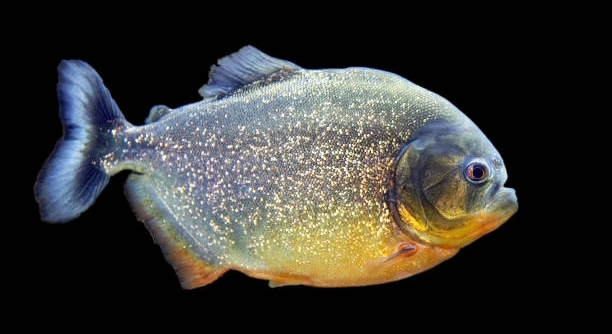
Piranhas are often misunderstood by beginners due to their unusual behaviors. These fish exhibit traits that can seem confusing or even alarming at first. Knowing their quirks helps in caring for them properly and appreciating their unique nature.
Piranhas display specific behaviors such as sudden bursts of activity, territorial aggression, and complex social interactions. These traits serve adaptive purposes in their natural habitats but may be misinterpreted by novices unfamiliar with their biology and environment.
Recognizing these seven piranha quirks will improve your understanding and ease your experience with these fascinating fish. The following explanations clarify common misconceptions and practical care tips.
Sudden Bursts of Activity
Piranhas can be calm one moment and then suddenly swim rapidly or dart around their tank. This quick movement often surprises beginners, who may think the fish are stressed or sick. In reality, piranhas use these bursts of speed to catch prey or show dominance. This behavior is natural and healthy for them. It can also happen during feeding time when they become more active and excited. Understanding this helps reduce unnecessary worry and helps in creating a better tank environment for the fish. Keeping the water clean and maintaining stable temperatures can prevent real stress, which is different from their normal bursts of activity.
These bursts are normal behavior and usually a sign of healthy piranhas. They are not indicators of illness unless paired with other symptoms.
Recognizing these rapid movements as typical behavior makes caring for piranhas less stressful. They are naturally energetic fish, and allowing for this in their habitat improves their well-being and your experience as a keeper.
Territorial Behavior
Piranhas often establish territories within their tanks, which can lead to aggressive interactions. This behavior is especially common in smaller or overcrowded tanks. They defend their space to protect resources such as food and hiding spots. Territorial disputes may include chasing or biting but usually don’t cause serious harm if the tank is large enough. Providing adequate space and visual barriers helps reduce aggression. Introducing piranhas to the tank together when they are young can also minimize territorial fights. Understanding their need for personal space improves their comfort and reduces stress, contributing to a healthier environment.
Territorial behavior is a natural part of piranha social structure and requires proper tank management.
Aggression among piranhas stems from their instinct to protect resources and space. In the wild, this ensures survival and dominance within groups. In captivity, careful tank setup can control this aggression. Avoid overcrowding by choosing an appropriately sized tank and limit decorations that may trigger disputes. Regular monitoring is necessary to prevent injury. Feeding routines also impact behavior, as hungry fish become more aggressive. Consistent feeding reduces competition. By managing these factors, the aggressive tendencies become manageable. Proper knowledge and preparation allow for a balanced tank where piranhas coexist peacefully, making their care more straightforward and rewarding.
Schooling Instincts
Piranhas often swim in groups, known as schools. This behavior helps protect them from predators and improves hunting success. Beginners may mistake schooling for fear or stress, but it is a natural and necessary social behavior.
Schooling offers safety in numbers. When piranhas swim closely, they confuse predators and reduce the risk of being singled out. This collective behavior also enhances their ability to find and catch food more efficiently. In captivity, maintaining a small group is essential to meet their social needs. Keeping only one piranha often leads to stress and unusual behavior, as they are naturally group-oriented. However, overcrowding can cause territorial fights. A balanced group size and sufficient tank space allow schooling to occur healthily.
Watching piranhas school is fascinating and reveals their social complexity. Their interactions include synchronized swimming and subtle communication through movement. These behaviors show they are more than just aggressive fish, and understanding this can deepen appreciation for their care requirements.
Feeding Frenzy
During feeding time, piranhas can become very aggressive and fast. This behavior is often surprising to beginners, but it is typical. The rush helps them grab food quickly and outcompete others.
The feeding frenzy is an instinct rooted in their wild environment, where food can be scarce. In captivity, this behavior remains strong, even when food is plentiful. Piranhas may bite or chase each other during feeding, which can look alarming. It is important to feed them adequately and evenly to reduce competition. Using feeding rings or spreading food in different areas helps. Feeding live or frozen food mimics their natural diet and keeps them healthy. Overfeeding can cause water quality issues, so balance is necessary.
Understanding feeding frenzy behavior aids in preparing the tank and managing fish safely. It also helps prevent injury and stress by controlling the environment and feeding routine. Adjustments to feeding methods improve harmony among piranhas and promote their well-being.
Sharp Teeth
Piranhas have very sharp teeth that look intimidating. These teeth are designed for quickly tearing food, not constant biting.
Their teeth are constantly replaced, which keeps them effective for hunting and feeding. Handling piranhas requires care because their bite can be painful, but they rarely attack unless provoked.
Sensitive to Water Changes
Piranhas are sensitive to changes in water quality and conditions. Sudden shifts can cause stress or illness.
Maintaining stable water parameters is crucial for their health. Frequent testing and gradual adjustments help prevent shocks. Clean water supports their immune system and reduces aggressive behavior, improving overall tank harmony.
Nocturnal Activity
Piranhas are more active at night. This natural behavior may surprise beginners who expect daytime activity.
In captivity, they often rest during the day and hunt or swim more actively after lights go off. Understanding their nocturnal nature helps set realistic expectations for observing their behavior.
FAQ
How aggressive are piranhas in a home aquarium?
Piranhas show natural aggression, especially during feeding or territorial disputes. However, in a properly sized tank with enough hiding spots and adequate group size, their aggression is usually manageable. They rarely cause serious injury if their environment meets their needs and overcrowding is avoided.
What is the ideal tank size for keeping piranhas?
A minimum of 40 gallons is recommended for a small group of piranhas. Larger tanks reduce territorial aggression and allow natural schooling behavior. Space is important because cramped conditions increase stress and fighting.
Can piranhas be kept alone?
Piranhas are social fish and do best in groups. Keeping a single piranha often leads to stress and abnormal behavior. A small school of at least four or five helps fulfill their social instincts and promotes healthier fish.
What do piranhas eat in captivity?
They primarily eat meat-based foods such as fish fillets, shrimp, and frozen or live feeder fish. Variety is important for nutrition. Avoid feeding exclusively live feeders to reduce disease risk. Occasional pellets designed for carnivorous fish can supplement their diet.
How often should piranhas be fed?
Feeding every other day is usually sufficient for adult piranhas. Overfeeding can lead to poor water quality and obesity. Juveniles may need feeding daily until they grow. Observing their behavior during feeding helps gauge the right amount.
Are piranhas dangerous to humans?
In captivity, piranhas are rarely dangerous if handled carefully. Their bite can be painful, so avoid direct contact when cleaning tanks or feeding. In the wild, attacks on humans are uncommon and often exaggerated.
How do piranhas behave during breeding?
Breeding piranhas become more territorial and aggressive. They clean a flat surface for eggs and guard the nest. Providing plenty of space and hiding spots helps reduce stress during this period. Breeding in captivity is challenging and not common among beginners.
What water conditions do piranhas need?
They prefer warm water between 75°F and 82°F with slightly acidic to neutral pH (6.5-7.5). Stable water parameters with low nitrate and ammonia levels are essential. Regular water changes keep the environment healthy and stress-free.
Why do piranhas sometimes refuse food?
Refusal to eat may indicate stress, illness, or poor water conditions. Changes in water quality or temperature often cause appetite loss. It can also happen if they are overfed or the food offered is not to their liking.
How can aggression be reduced among piranhas?
Providing enough space, multiple hiding spots, and consistent feeding routines reduces aggression. Avoid overcrowding and consider adding visual barriers. Maintaining a proper group size encourages natural social behavior and minimizes fights.
Is it normal for piranhas to hide a lot?
Yes, piranhas often hide to feel secure, especially when stressed or resting. Providing plants, caves, or decorations offers them shelter. Hiding is natural and should not be confused with illness unless accompanied by other symptoms.
Can piranhas live with other fish?
Generally, piranhas do not coexist well with other fish due to their aggressive nature. They may attack smaller or slower fish. It is best to keep them in species-only tanks or with very robust fish that can handle their behavior.
What are common health issues in piranhas?
Common problems include fin rot, parasitic infections, and stress-related illnesses. Poor water quality and overcrowding increase risks. Early detection and proper tank maintenance are key to preventing these issues.
How long do piranhas live?
With proper care, piranhas can live 10 to 15 years in captivity. Lifespan depends on diet, water quality, and tank conditions. Regular maintenance and attention to their needs support a long, healthy life.
Are piranhas suitable for beginner fish keepers?
Piranhas require more advanced care than typical beginner fish due to their aggressive behavior and sensitive water needs. Beginners should research thoroughly and prepare an appropriate tank setup before acquiring them.
What should be done if a piranha bites?
Clean the wound immediately with soap and water to prevent infection. Seek medical advice if the bite is deep or shows signs of infection. Avoid provoking piranhas to reduce the risk of bites. Use tools for tank maintenance rather than bare hands.
Final Thoughts
Piranhas are often misunderstood fish because of their reputation for aggression. While they do have sharp teeth and can be aggressive, especially during feeding or when stressed, they are also social creatures with complex behaviors. Keeping piranhas requires knowledge about their natural instincts, such as schooling and nocturnal activity, as well as careful attention to tank conditions and feeding habits. Understanding these quirks helps reduce confusion and improves the care you provide.
Maintaining a healthy environment is essential for piranhas to thrive. This includes providing enough space, stable water quality, and proper food. Because they are sensitive to sudden changes in water conditions, frequent testing and gradual adjustments are important. Their social nature means they should be kept in groups, but overcrowding should be avoided to prevent fights. Watching their schooling behavior and feeding routines gives insight into their needs and helps keep stress levels low.
Caring for piranhas can be rewarding when approached with patience and respect for their unique traits. They are not simply aggressive fish; they display interesting social behaviors and have specific care requirements. Learning about these quirks prevents misunderstandings and promotes a better relationship between keeper and fish. Taking the time to meet their needs ensures a healthier tank and a more enjoyable experience.

Hello,
If you enjoy the content that we create, please consider saying a "Thank You!" by leaving a tip.
Every little bit helps us continue crafting quality advice that supports the health, happiness, and well-being of pets around the world, for pets of all shapes, sizes, and species.
We really appreciate the kindness and support that you show us!