
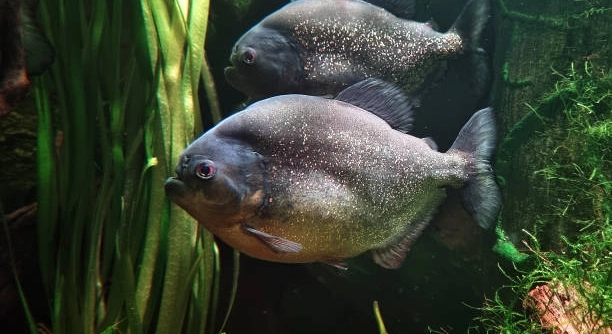
Are your thoughts about piranhas shaped by what you’ve seen in movies or heard from others over the years? These small but fierce fish often get a dramatic reputation that doesn’t always reflect reality.
Many common beliefs about piranhas are based on exaggerations and misunderstandings. Despite their sharp teeth and group behavior, most species are not aggressive toward humans. Scientific studies show that piranhas are generally shy, and attacks are rare and often provoked.
Separating fact from fiction helps create a clearer picture of how piranhas actually behave in their natural environment and how they interact with other animals.
Myth 1: Piranhas Can Strip a Cow to the Bone in Seconds
Movies have fueled the belief that piranhas can devour large animals in moments, leaving only bones behind. This idea spread after a staged 1913 event observed by President Theodore Roosevelt in Brazil, where local fishermen confined and starved the fish before releasing them. In reality, piranhas in the wild do not display such frenzied behavior. Most species are scavengers or opportunistic feeders, preferring smaller prey, insects, or dead animals. They are cautious and avoid attacking unless stressed, threatened, or provoked. Their feeding habits are more about survival than aggression.
This myth causes unnecessary fear and overshadows their ecological role in freshwater ecosystems.
While they have sharp teeth and strong jaws, piranhas rarely hunt large animals. Their real behavior is more about avoiding threats than acting like fast, aggressive predators.
Myth 2: All Piranhas Are Dangerous
Not every piranha species is aggressive or interested in attacking other animals.
Out of over 60 known species, only a few, such as the red-bellied piranha, show any aggressive behavior under specific conditions. Most species are shy, especially when left undisturbed in their natural habitat. They often feed on plant material, small fish, and dead organic matter. In some cases, they even act as scavengers, cleaning up debris in rivers and helping maintain a balanced ecosystem. Attacks on humans are rare and usually linked to food scarcity, disturbed environments, or breeding seasons. People who swim in rivers with piranhas often do so without incident. Misunderstandings come from sensationalized reports or isolated events that don’t reflect their typical behavior. Mislabeling all piranhas as dangerous has created a negative impression that doesn’t align with how they behave under normal conditions. Knowing the difference between species helps reduce unnecessary fear and promotes a more accurate understanding of their role in nature.
Myth 3: Piranhas Are Constantly Hungry and Always Ready to Attack
Piranhas are not constantly searching for their next meal. Like many fish, their feeding patterns depend on factors such as time of day, water temperature, and availability of food sources.
In their natural habitat, piranhas feed periodically rather than continuously. They often go hours or even days without eating, especially if food is scarce. Most of their diet includes insects, crustaceans, and plant matter. Only under extreme stress, like during droughts or breeding season, do they show signs of heightened aggression. Even then, attacks are rare and usually driven by defense or competition, not unprovoked hunger. Observations of wild piranhas reveal that they are cautious feeders and tend to scatter at disturbances, rather than confront larger animals. Their reputation as ravenous feeders doesn’t match what scientists see in natural settings.
Captive piranhas, like those in aquariums, also show controlled eating habits. They respond to feeding schedules and often ignore potential prey unless it’s time to eat.
Myth 4: Piranhas Can Live in Saltwater
Piranhas are freshwater fish and cannot survive in saltwater environments. Their bodies are not adapted to handle the salt levels found in oceans, and exposure would harm their internal systems.
Native to South American rivers, piranhas thrive in warm, low-salinity waters like those found in the Amazon and Orinoco river basins. These rivers maintain consistent freshwater conditions, which piranhas rely on for proper gill function and internal balance. Introducing them to saltwater would disrupt their osmoregulation, the process that controls the balance of fluids and salts in their bodies. This disruption leads to stress and eventually death. Occasionally, piranhas have been found in non-native waters due to illegal pet releases, but these environments still remain freshwater. There is no evidence of piranhas adapting to or surviving in saltwater habitats. Claims about piranhas invading beaches or coastal areas are unfounded and often stem from media exaggerations or misinformation.
Myth 5: Piranhas Hunt in Packs Like Wolves
Piranhas may swim in groups, but it’s not for coordinated hunting. This schooling behavior is mostly a defense tactic against predators, not a strategy to attack prey together.
When food is present, they may appear aggressive, but each fish acts on its own. There’s no leader or shared goal.
Myth 6: Piranhas Are Illegal to Own Everywhere
Laws about piranha ownership vary depending on the country or even the state. In places like California and Texas, owning piranhas is banned due to concerns about invasive species if released. However, in many other locations, it’s legal to own them with proper permits. These laws exist to protect local ecosystems. Piranhas can survive in warm freshwater if released, which could upset the natural balance in non-native environments. Before buying one, it’s important to check your local regulations. Not all regions treat them as a threat, and responsible ownership includes understanding how to care for them without risking the local habitat.
Myth 7: Piranhas Can Smell Blood from Miles Away
Piranhas do have a strong sense of smell, but they can’t detect blood from miles away. They respond to scents in their immediate surroundings, especially in still or slow-moving water.
FAQ
Are piranhas dangerous to humans?
Piranhas are not as dangerous to humans as often portrayed. In the wild, they are shy and tend to avoid human contact. Most bites occur when someone tries to handle or provoke them. Even then, the injuries are usually minor. In natural conditions, piranhas are far more likely to flee than attack. Only under unusual stress, such as extreme drought when food is scarce, might they become more aggressive. Fatal attacks are extremely rare and mostly exaggerated in popular media.
What do piranhas actually eat?
Piranhas are omnivores. Their diet includes insects, worms, smaller fish, plants, fruits, and crustaceans. They don’t rely solely on meat. In fact, many piranhas consume more plant matter than animal protein in the wild. Their teeth help them tear into a variety of food sources, not just flesh. They often scavenge rather than hunt, feeding on dead or injured fish. Their diet may change with seasons and availability of food, but most remain opportunistic feeders. This adaptability helps them survive in different parts of the Amazon Basin.
Can piranhas be kept as pets?
Yes, but they need the right setup. Piranhas require a large tank, strong filtration, warm water, and a secure lid. They also prefer a calm environment with hiding places and low light. Red-bellied piranhas are the most common species in home aquariums. They can be kept alone or in groups if the tank is large enough, but overcrowding can lead to stress and aggression. Owners should avoid hand-feeding and should always use caution during maintenance. It’s also important to follow local laws since piranhas are restricted in some areas.
How big do piranhas get?
Most piranhas grow to be about 12 to 14 inches long in captivity. In the wild, some may reach up to 16 inches, though this is less common. Their size depends on the species, diet, and environment. Piranhas kept in larger tanks with proper care tend to reach their full growth potential. Those in cramped or poorly maintained tanks may stay smaller. Growth rate also slows with age. Juveniles grow faster, while adults grow more slowly.
Do all piranhas have sharp teeth?
Yes, all piranhas have sharp, triangular teeth that are well-suited for cutting and tearing. Their teeth are tightly packed and interlocking, forming a strong bite. Some species use their teeth more for grazing on plants and fruits, while others use them to nip at prey or scavenged carcasses. Over time, their teeth may wear down, but they are naturally replaced in sets. This replacement ensures they can continue to feed effectively throughout their lives.
How long do piranhas live?
In captivity, piranhas can live up to 10 years or more with proper care. In the wild, their lifespan may be shorter due to predators, disease, or environmental changes. Consistent water conditions, a balanced diet, and a stress-free environment contribute to a longer life in aquariums. Like many fish, their health depends heavily on tank cleanliness and water quality. Poor care can shorten their lifespan significantly.
Are piranhas really illegal in the U.S.?
Not everywhere. Piranhas are banned in some U.S. states like California and Texas because of the risk they pose to local ecosystems if released. However, in other states, they are legal to own, often with restrictions. It’s best to check your state’s wildlife regulations before buying. These laws are in place to prevent environmental harm, especially in warmer areas where released piranhas could survive and breed.
Do piranhas make noise?
Yes, they can produce sounds by grinding their teeth or using muscles near their swim bladder. These sounds are often made during aggressive or defensive behavior. While they are not loud, these noises serve as a form of communication, especially when competing for food or territory. Most people don’t hear these sounds unless they’re listening closely or using equipment.
How do piranhas reproduce?
Piranhas breed during the rainy season when water levels rise. Males prepare nests by clearing out shallow areas in the riverbed. Females lay eggs in the nests, and males guard them until they hatch. This process is short but intense, with both fish showing protective behaviors. In captivity, breeding is rare without simulating natural conditions. Warmer water, plant cover, and seasonal changes can help encourage spawning.
Can piranhas live with other fish?
It depends on the species and setup. Red-bellied piranhas, for example, can be aggressive and may nip at or eat smaller tankmates. Some aquarists have success keeping them with larger, non-aggressive fish in very spacious tanks. However, it’s generally safer to keep piranhas alone or in species-only tanks to avoid injuries.
Final Thoughts
Piranhas are often misunderstood because of how they are shown in movies and television. They are labeled as dangerous predators that attack in groups, but this image doesn’t match their real behavior in the wild. Most piranhas are shy, avoid people, and only bite when they feel threatened or when food is very limited. While they do have strong jaws and sharp teeth, they use these for a wide range of foods, not just for hunting. Many species feed on plants, fruit, or dead animals, showing that they are not the aggressive hunters many assume them to be.
It’s important to look at piranhas with a more balanced view. They are a normal part of river ecosystems and play a role in keeping their environment clean by eating dead or weak fish. In fact, their feeding habits help prevent the spread of disease in water systems. While they can be aggressive under certain conditions, this behavior is usually linked to stress, crowding, or food shortages. When left alone in their natural habitat, most piranhas are peaceful and not interested in humans. They may be fast swimmers and efficient feeders, but they are not mindless attackers.
Learning the truth behind common piranha myths helps create better awareness about these fish. They are more than their reputation and deserve a fair look based on real facts. Keeping piranhas in home aquariums can be rewarding for those who understand their needs and behaviors. They require careful handling and the right tank setup, but they are not impossible to care for. Whether in the wild or in a tank, piranhas are complex creatures with habits that reflect their surroundings. By understanding their true nature, it becomes clear that these fish are not as fearsome as stories make them seem. Taking the time to separate myth from fact leads to better care, safer environments, and more respect for these interesting animals.

Hello,
If you enjoy the content that we create, please consider saying a "Thank You!" by leaving a tip.
Every little bit helps us continue crafting quality advice that supports the health, happiness, and well-being of pets around the world, for pets of all shapes, sizes, and species.
We really appreciate the kindness and support that you show us!