
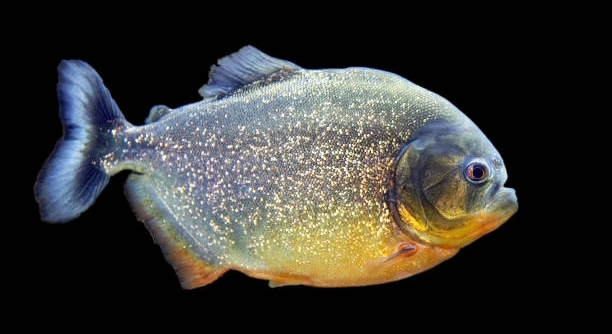
Are your assumptions about piranha behavior making it harder to understand these fascinating fish? Some habits may not mean what you think they do.
Many commonly held beliefs about piranha behavior are based on myths or misinterpretations. Misreading their habits can lead to poor care practices and unnecessary fear, especially when these behaviors are actually normal or harmless.
Understanding what your piranha is really doing can help improve its care and reduce confusion. Let’s clear up what’s fact and what’s fiction.
They Aren’t Always Hunting When They Move Fast
Piranhas are often seen darting quickly through the water, which many assume means they’re preparing to attack. This isn’t always the case. In reality, fast swimming is often just a way for piranhas to stay active or explore their space. Like many fish, they have bursts of energy, especially in a well-maintained tank. Sometimes, they’re simply startled by sudden movement or light changes. If you approach their tank quickly or make noise nearby, they may respond by zipping across the water. It’s important to avoid linking speed with aggression. When piranhas feel comfortable, they swim in a more relaxed way, but this doesn’t mean fast movement always signals stress or hunting mode. Observing their body language, such as flaring fins or changes in color, is more useful for understanding how they feel than just judging by speed. Not every quick move is a sign of danger or aggression.
Quick bursts of movement are often normal and are not always a sign of stress or aggression in piranhas.
Keeping your tank calm and consistent helps reduce confusion. Piranhas thrive when their surroundings feel secure, and this lowers unnecessary high-speed behavior caused by being startled.
Open Mouths Don’t Always Mean They’re About to Bite
An open mouth can seem like a threat, but it’s not always aggressive behavior. Piranhas open their mouths for reasons like adjusting jaw pressure, yawning, or responding to light changes.
Piranhas sometimes open their mouths while staying still, especially when they’re relaxed or responding to changes in water temperature. This habit may be mistaken as a warning, but in many cases, it’s similar to how humans stretch. In tanks with good water quality and stable temperatures, you’ll see this happen more often without any follow-up biting. Another reason for this behavior is simply being alert. Piranhas are sensitive to movement and vibrations, and they might react with an open mouth as a way of checking what’s going on. If they don’t follow it up with chasing or fin-flaring, it’s likely just a harmless habit. Avoid reacting too quickly to it. Instead, look at the whole behavior pattern and the setting. A calm tank, paired with gentle feeding routines and minimal sudden changes, keeps these habits from being misread.
Splashing at the Surface Isn’t Always a Sign of Aggression
Piranhas sometimes splash at the water’s surface, which can look aggressive or alarming. In most cases, it’s not a threat. It often means they’re hungry, curious, or reacting to reflections or shadows above the tank.
When piranhas splash at the top of the water, they’re usually responding to feeding time or environmental changes. This behavior often shows up when they associate surface activity with food. If you feed them at the same time every day, they’ll start to expect it and react more intensely. Sudden splashing could also mean they’ve seen a shadow or light movement. Reflections on the water’s surface can trigger quick reactions, especially in bright or changing lighting. If the tank is next to a window or under a shifting light, the flashing patterns can confuse them and cause splashes. This is a natural response and not necessarily tied to aggression or stress.
Sometimes, this surface behavior also happens during territory shifts. If you’ve added new plants, decorations, or even just cleaned the tank, piranhas may explore differently and become more active near the top. These changes can lead to splashing, especially if they’re checking for new smells or movements. Make adjustments slowly to help prevent sudden behavior spikes.
Hanging Still Doesn’t Always Mean They’re Sick
Piranhas staying still at the bottom or middle of the tank may look worrying, but it doesn’t always mean something’s wrong. This can be normal resting behavior, especially in low-light conditions or right after feeding.
Piranhas don’t move constantly. In quiet tanks, they’ll often rest or “hover” in place. This doesn’t mean they’re sick—it just means they’re relaxed. They use this stillness to conserve energy and observe their surroundings. You’ll notice it more during the day if they’ve had an active morning, or right after eating when they’re full. Their color and fin position will help you tell if they’re okay. Bright color and relaxed fins are good signs. If the tank temperature is stable and oxygen levels are normal, hanging still is just part of their routine. Only worry if they show signs like rapid breathing, faded color, or floating sideways. Otherwise, this calm behavior is normal and nothing to panic over.
Nipping at Each Other Isn’t Always Fighting
Light nipping between piranhas is often part of their normal social behavior. It can be a way to set boundaries or figure out rank, especially in small groups or shared spaces.
As long as there’s no injury or constant chasing, occasional nipping shouldn’t be a concern. It usually settles quickly.
Hiding in Plants Doesn’t Always Mean Fear
Piranhas often hide in plants or behind objects in their tank, especially during the day. This behavior is natural and helps them feel secure. In the wild, they use thick plants to rest and stay safe. If your tank has enough cover, hiding can be a sign they feel at ease. Overexposed tanks can cause stress, so it’s good to offer shaded areas or dense plants. If your piranha hides but still eats and explores sometimes, there’s likely no problem. Just avoid overcrowding or making frequent changes that could unsettle them. Stability in their environment supports this natural behavior without raising concern.
Chasing Food Aggressively Doesn’t Mean They’re Starving
Fast chasing during feeding is instinctive. Piranhas are wired to react quickly to movement, especially around food. It’s not always a hunger sign.
FAQ
Why do piranhas sometimes swim in groups but other times seem alone?
Piranhas are social fish but their grouping habits depend on factors like tank size, food availability, and stress levels. In larger tanks with plenty of space, they may spread out more. When food is scarce or they feel threatened, they tend to gather tightly. Grouping can offer safety and help during feeding, but too small a tank can cause tension. Observing their behavior over time helps you understand if they’re comfortable or stressed. Proper tank setup and feeding routines reduce aggression and encourage natural schooling behavior.
Is it normal for piranhas to ignore food sometimes?
Yes, piranhas can skip meals occasionally. Changes in water quality, temperature, or stress can cause this. If they refuse food for more than a day or two, check tank conditions. Piranhas may also stop eating if they’re about to shed skin or if their environment feels unsafe. Consistent feeding times and a varied diet help maintain interest in food. Watch for signs like sluggishness or weight loss, which require attention.
Can piranhas recognize their owners?
Piranhas don’t form bonds like pets such as dogs or cats, but they do notice regular movement and feeding patterns. They may swim closer during feeding times or when familiar people approach. This recognition is based on routine rather than affection. They respond to external stimuli, so gentle interaction helps reduce fear but doesn’t create emotional attachment.
What causes piranhas to change color?
Color changes in piranhas can result from mood, health, or environment. Stress, illness, or poor water quality often dull their color. Bright colors usually mean they’re healthy and comfortable. Some color shifts happen during breeding or when they’re establishing territory. Lighting and tank decorations can also affect how their color appears. Maintaining stable water parameters and reducing stressors helps keep their colors vibrant.
Are piranhas aggressive to other fish species?
Yes, piranhas are naturally aggressive toward smaller or slower fish. They are carnivorous and territorial, especially when feeding. However, with careful selection, some larger or fast-moving species can coexist in bigger tanks. Avoid mixing piranhas with delicate or slow species to prevent injuries. Providing enough space and hiding spots reduces conflict. Monitor interactions closely when introducing new fish.
How often should I feed my piranhas?
Feeding adult piranhas every other day is usually sufficient. Overfeeding can cause water problems and health issues. Young piranhas need more frequent meals but in small portions. Offer a mix of protein sources like fish, shrimp, and occasional vegetables. Feeding at the same time helps regulate their metabolism and behavior. Remove leftover food to maintain water quality.
Do piranhas need a specific tank setup?
Yes, piranhas require a spacious tank with good filtration and stable water conditions. They prefer dim lighting and plenty of hiding places using plants or decorations. The tank should be large enough to reduce aggression and allow swimming. Regular water changes and monitoring of temperature, pH, and ammonia levels are crucial. A well-maintained tank supports healthy behavior and reduces stress.
What signs indicate my piranha is sick?
Common sickness signs include loss of appetite, faded color, labored breathing, clamped fins, and unusual swimming patterns. White spots, sores, or ragged fins also signal health problems. Early detection and treatment are key. Quarantine new fish and keep water clean to prevent illness. Consult a vet or experienced keeper if symptoms persist.
Can piranhas live alone?
While piranhas can survive alone, they are naturally social and tend to do better in small groups. A solitary piranha may become stressed or bored, affecting its health. However, group tanks require enough space to prevent fighting. If you keep one, pay close attention to its behavior and environment to ensure it remains healthy.
How do piranhas breathe and what affects this?
Piranhas breathe through gills, extracting oxygen from the water. Poor water quality, low oxygen levels, or high temperatures make breathing harder and cause stress. Aeration, filtration, and regular water changes help keep oxygen levels safe. Watch for rapid gill movement or gasping at the surface as warning signs. Maintaining good tank conditions supports healthy respiration.
Piranhas have a reputation that often makes people think they are always aggressive and dangerous. In reality, many of their behaviors are misunderstood or exaggerated. By learning more about what these fish actually do and why, it becomes easier to care for them properly. Understanding that fast movements, open mouths, or surface splashing aren’t always signs of stress or attack helps reduce unnecessary worry. This knowledge also allows owners to create a better environment where piranhas feel safe and behave naturally. It’s important to watch for patterns rather than single actions, as many habits only become clear when seen over time.
Creating a comfortable home for piranhas involves providing enough space, proper water quality, and places to hide. These elements help reduce aggressive behavior and keep the fish healthy. Piranhas can be social animals, but overcrowding or sudden changes in their environment may lead to tension. Feeding routines also play a key role. Feeding them the right amount of food at regular times helps prevent overfeeding and keeps their behavior stable. When owners understand what normal piranha habits look like, they can avoid mistakes that might cause stress or illness. Patience and observation are the best tools for knowing when something needs attention.
Overall, caring for piranhas is about balancing their natural instincts with a well-managed environment. These fish are fascinating but need respect and good care. Misreading their habits can cause confusion or fear, but clear knowledge removes these problems. With the right setup and understanding, piranhas can live healthy, less stressful lives in captivity. Learning about their true behaviors improves the relationship between owner and fish, leading to better care and a more enjoyable experience. Taking time to watch and learn from your piranhas will help you meet their needs and appreciate their unique qualities.

Hello,
If you enjoy the content that we create, please consider saying a "Thank You!" by leaving a tip.
Every little bit helps us continue crafting quality advice that supports the health, happiness, and well-being of pets around the world, for pets of all shapes, sizes, and species.
We really appreciate the kindness and support that you show us!