
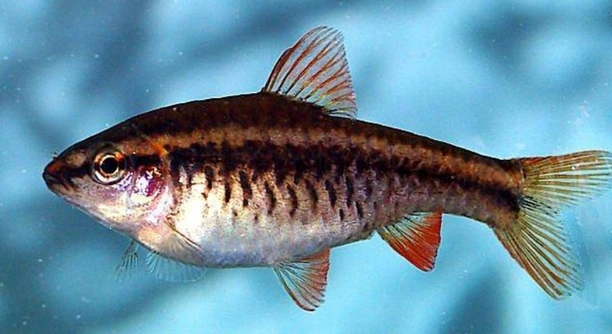
Cherry barbs are lovely fish, but keeping them healthy requires understanding the right environment. One of the key factors is the water’s pH level, which can often lead to confusion. Many myths surround pH and cherry barbs, and these misunderstandings can cause harm.
Incorrect pH levels or following myths about water conditions can harm cherry barbs by causing stress, poor health, and even death. It’s important to understand the true needs of these fish to provide them with a healthy and thriving environment.
In this article, we will clarify some of the most common pH myths. By doing so, you’ll be better equipped to care for your cherry barbs and create a safe environment for them to thrive.
Myth 1: Cherry Barbs Need a Strictly Neutral pH
Many aquarium owners believe cherry barbs need a perfectly neutral pH of 7. While a pH of 7 is safe, cherry barbs are quite adaptable. They can thrive in a range of pH levels, from 6.0 to 7.5, as long as other factors like temperature and water quality are also kept in check. In fact, having slightly acidic or slightly alkaline water can mimic their natural habitat, where pH levels are rarely exactly neutral. It’s important to focus on maintaining stable water parameters rather than obsessing over a perfect 7.
Water conditions are always more complex than a single pH number. Inconsistent changes in pH can stress out your cherry barbs, even if the number appears acceptable. Stable conditions matter much more than trying to hit a specific target.
A good way to manage your aquarium’s pH is to monitor it regularly and make gradual adjustments. Sudden changes, even to a neutral pH, can stress your fish. Avoid any drastic shifts and provide a stable, well-maintained environment. Stable water conditions help your cherry barbs stay happy and healthy in the long run.
Myth 2: Cherry Barbs Are Sensitive to Slight pH Fluctuations
It’s a common belief that cherry barbs are extremely sensitive to even the smallest shifts in pH. In truth, they are much more resilient than people often give them credit for. Slight fluctuations, as long as they don’t drop too far out of the ideal range, generally won’t harm them. What matters more is how stable the water conditions are over time.
Overreacting to small pH changes can lead to unnecessary adjustments, which might cause even more stress to your fish. Keeping the water clean and maintaining regular water changes is often more effective than constantly adjusting the pH level. Avoid chasing a perfect pH number and instead focus on consistency. Stable water quality will keep your fish healthy and happy.
Myth 3: Cherry Barbs Need High pH for Optimal Health
A common myth is that cherry barbs need high pH levels to stay healthy, with some suggesting a pH of 8. While cherry barbs are adaptable, they don’t need high pH levels to thrive. In fact, consistently high pH can lead to stress and health problems.
Keeping their environment within a slightly acidic to neutral range is ideal. A pH level of 7.0 to 7.5 works well for cherry barbs, but it’s more about consistency than the number. Dramatic shifts to higher pH levels can cause your fish to become stressed, which weakens their immune systems and leaves them vulnerable to illness.
As long as the water is stable and clean, cherry barbs will adapt to slightly higher or lower pH levels. It’s essential to test your water regularly and make small adjustments when necessary, but don’t worry about trying to reach a high pH to “boost” your fish’s health. Stick to a steady environment, and they’ll do just fine.
Myth 4: Tap Water pH Is Always Fine for Cherry Barbs
Many people assume that the pH of tap water is always acceptable for cherry barbs. While tap water is generally safe, it can vary widely depending on your location. Sometimes, tap water can be too alkaline or too acidic, requiring adjustment to make it suitable for your fish.
Test your tap water’s pH before introducing it to your aquarium. If your tap water has a high pH, you may need to soften it with natural methods like using driftwood or adding peat moss to your filter. On the other hand, if it’s too acidic, you can raise the pH by using buffering agents or adjusting the hardness of the water.
Paying attention to the source of your water is essential for keeping cherry barbs healthy. Consistently using untested or untreated tap water can lead to unhealthy conditions. Be proactive and test your water regularly to ensure your fish are getting the best care possible.
Myth 5: Cherry Barbs Only Live in Perfect pH Conditions
Some people believe that cherry barbs can only survive in perfect pH conditions. However, these fish are hardy and can tolerate a range of pH levels as long as other factors, like temperature and cleanliness, are also maintained.
In nature, pH levels fluctuate, and cherry barbs are used to adjusting. Their adaptability makes them less vulnerable to minor variations in pH. What’s more important is the overall water quality. Clean water, proper filtration, and regular water changes will do more to ensure your cherry barbs stay healthy.
Myth 6: Cherry Barbs Prefer Low pH Environments
Many assume that cherry barbs thrive best in low pH environments. While they can handle slightly acidic water, they do not need it to stay healthy. They can adapt to a wide pH range, as long as the levels remain stable.
Cherry barbs come from waters where the pH can range from 6.0 to 7.5, and they adjust naturally. Providing stable water quality is far more beneficial than attempting to maintain an overly low pH. This is where consistency and proper care come into play.
FAQ
What is the ideal pH range for cherry barbs?
The ideal pH range for cherry barbs is between 6.0 and 7.5. These fish are adaptable and can thrive in slightly acidic or slightly alkaline water. As long as the pH stays within this range, your cherry barbs will be healthy. However, it’s important to maintain stability rather than obsess over a specific number. Rapid shifts in pH can stress your fish, even if the pH is still within the acceptable range.
Can cherry barbs live in hard or soft water?
Yes, cherry barbs can live in both hard and soft water, but they tend to do best in moderately hard water. Water hardness is measured by the concentration of minerals like calcium and magnesium. Cherry barbs can adjust to varying hardness levels, but extremes in either direction should be avoided. Soft water with very low mineral content can lead to weakened fish, while very hard water can cause issues with their gills. Ideally, aim for moderately hard water, which provides the best balance of minerals.
Does the water temperature affect pH levels for cherry barbs?
Yes, water temperature can influence pH levels. As water temperature increases, the pH tends to drop, making the water more acidic. It’s important to maintain a stable temperature that doesn’t fluctuate too much, as this will also help keep the pH stable. Cherry barbs prefer temperatures between 72°F and 80°F (22°C to 27°C). Sudden temperature changes can stress your fish, and this might also lead to fluctuating pH levels. Keeping both the temperature and pH stable is key to their health.
How can I maintain stable pH for cherry barbs?
To maintain stable pH, make sure your aquarium has a good filtration system and regular water changes. Avoid adding chemicals to adjust pH unless absolutely necessary, as these can often lead to sudden shifts. Instead, focus on natural methods like adding driftwood or using a substrate that can buffer the pH gradually. Testing your water regularly with a reliable test kit will help you catch any shifts early, so you can make small adjustments instead of large, stressful changes.
Is it okay to use tap water for cherry barbs?
Tap water can be fine for cherry barbs, but it depends on the quality of your local water supply. Tap water often has a pH of 7 or higher, which might be slightly too high for cherry barbs. It’s important to test your tap water’s pH and hardness before using it in the aquarium. If the water is too alkaline, you may need to adjust the pH by adding natural elements like driftwood or using a water conditioner. Always test before assuming it’s safe.
Can cherry barbs live in a tank with fluctuating pH levels?
Cherry barbs are relatively tolerant, but pH fluctuations can cause stress. Sudden changes in pH, even within the acceptable range, can weaken their immune system and make them more prone to diseases. It’s important to avoid large fluctuations and keep the pH as stable as possible. Consistent water quality, temperature, and minor adjustments are much better than drastic shifts. Regular water testing will help you stay on top of any changes.
Should I adjust the pH to match the natural habitat of cherry barbs?
While cherry barbs come from areas where the pH can be slightly acidic to neutral, they don’t require exact conditions to survive. Matching their natural habitat can help them thrive, but they are adaptable and can adjust to a range of pH levels. As long as you maintain stable conditions, cherry barbs will be comfortable in your tank. Focus on overall water quality and consistency rather than trying to perfectly mimic their native environment.
What happens if the pH gets too high or too low for cherry barbs?
If the pH is too high (above 8.0), the water becomes too alkaline for cherry barbs. This can lead to stress, a weakened immune system, and difficulty absorbing nutrients. On the other hand, if the pH is too low (below 6.0), the water becomes too acidic, which can also cause health problems such as respiratory issues and weak bones. Both extremes are harmful, so it’s essential to keep the pH within the recommended range of 6.0 to 7.5 for cherry barbs.
Can cherry barbs survive in acidic water?
Yes, cherry barbs can survive in slightly acidic water. A pH of 6.0 to 6.5 is acceptable for them. In fact, they naturally come from areas with slightly acidic water, so they are adapted to handle it. However, if the pH drops too low, it can lead to health issues. If you notice the pH consistently dropping below 6.0, it’s important to investigate and adjust the water conditions. Stable, slightly acidic water is ideal for keeping cherry barbs healthy.
How often should I test the pH of my aquarium water?
It’s a good idea to test your aquarium’s pH at least once a week, especially if you’re just setting up the tank or dealing with pH fluctuations. Regular testing helps you catch any changes before they become problematic. If you notice issues like cloudy water or sick fish, test the pH immediately to see if it’s out of balance. Stable conditions are important for your cherry barbs’ well-being, so keep an eye on the pH regularly.
What pH level is harmful to cherry barbs?
A pH level below 6.0 or above 8.0 can be harmful to cherry barbs. These levels cause stress, weaken the immune system, and make it harder for the fish to absorb nutrients and oxygen. If your pH falls outside this range, it’s crucial to adjust it slowly and carefully. Sudden changes can be just as harmful as extreme pH levels. Always test before making adjustments, and aim for a stable pH within the 6.0 to 7.5 range for optimal health.
Final Thoughts
Taking care of cherry barbs involves understanding their environment, including the water’s pH. While pH levels are important, it’s not about hitting a specific number but maintaining stability. These fish are adaptable and can thrive in a range of pH levels, as long as the water conditions are consistent. Instead of stressing over getting a perfect pH, focus on providing a stable environment where the water quality stays steady. By regularly testing your water and making small adjustments as needed, you’ll ensure your cherry barbs remain healthy and happy.
It’s also essential to remember that pH is just one factor in creating the best habitat for cherry barbs. Temperature, water hardness, and overall water cleanliness play significant roles in their well-being. By balancing these elements, you’re setting up a space where your fish can thrive. Regular water changes, proper filtration, and monitoring the tank’s conditions will help avoid the stress caused by fluctuating or harmful pH levels. Cherry barbs are resilient, but they still need a stable, clean environment to stay healthy.
At the end of the day, the best approach is to remain calm and focus on the basics. Your cherry barbs will adapt to slightly different pH levels, but they rely on you to maintain a stable and clean tank. Test the water regularly, make gradual adjustments when necessary, and keep an eye on their overall health. If you follow these guidelines, your cherry barbs will thrive in their aquarium for years to come. By learning about their needs and correcting common myths, you’ll ensure a long, healthy life for your fish.

Hello,
If you enjoy the content that we create, please consider saying a "Thank You!" by leaving a tip.
Every little bit helps us continue crafting quality advice that supports the health, happiness, and well-being of pets around the world, for pets of all shapes, sizes, and species.
We really appreciate the kindness and support that you show us!