
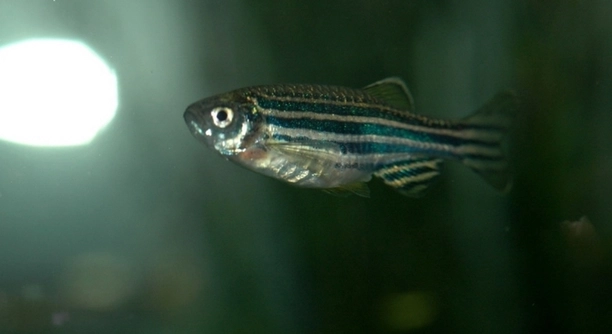
Have you ever watched a group of zebra danios swim together and noticed how some seem bold while others hang back? Their small size and fast movements often make their personalities easy to miss without close attention.
Zebra danio schools display seven distinct personality types, ranging from leaders and followers to explorers and observers. These traits emerge from differences in activity levels, boldness, sociability, and adaptability, shaping each fish’s role within the group dynamic.
Recognizing these personality types can help improve tank dynamics, enrich your danios’ environment, and support healthier, more engaging group interactions in your aquarium.
Bold Leaders and Confident Explorers
In every zebra danio school, a few individuals tend to take charge. These bold leaders swim at the front, set the pace, and aren’t afraid to explore new areas first. They are often the first to approach food and will interact with tankmates or decorations without hesitation. Confident explorers are similar but not quite as dominant. They enjoy roaming the tank but may not lead the entire group. These personalities are typically more active, displaying high energy levels and a willingness to interact with their surroundings. Bold fish can influence group behavior, encouraging shyer danios to move or explore. They play an important role in keeping the school moving and responsive to changes in the environment. Observing their confidence helps aquarists identify healthy behavior and recognize if something is off in their tank setup.
These danios are more noticeable during feeding times or when something new is introduced into the tank.
If you’re raising zebra danios, understanding these leaders and explorers can help you create a setup that supports their need for stimulation. Adding objects to investigate, like plants or structures, keeps them mentally and physically active. Maintaining steady lighting and routine changes will help regulate their natural curiosity without overwhelming the group.
Calm Followers and Shy Observers
Followers are the danios that stay near others for comfort. They avoid leading but are quick to follow when movement begins. These fish rely on social cues to feel safe and act more cautiously overall.
Observers, on the other hand, are noticeably reserved. They tend to hang near the bottom or edges of the group, watching before engaging. Shy observers prefer calm surroundings and predictable patterns. These individuals may not be the first to eat or explore but still play an important part in the social balance of the school. They can signal when something has changed in the tank, such as water quality or lighting. Both types of personalities need stable conditions and minimal disruption. Sudden tank changes can stress them out more than other types. If you notice a danio suddenly hiding more or not schooling properly, it could be one of these types reacting to environmental stress.
Independent Swimmers and Routine Keepers
Independent swimmers are often seen slightly away from the school. They don’t avoid others but seem comfortable swimming alone. This doesn’t mean they’re unhealthy—it just shows they enjoy space and don’t rely on the group for confidence.
These danios are active and alert but won’t always react immediately to group movement. They’re typically more balanced, not overly bold or shy. You might see them exploring tank edges, watching others from a distance, or taking a slightly delayed approach to food. Providing visual breaks in your tank layout helps them feel secure while still included. Plants or decor that allow short isolation without full separation support this behavior well. If an independent swimmer is consistently hiding or stops eating, though, it could be a sign of illness or stress rather than personality. Keep an eye on their routine and make sure they’re still engaging with their environment in their own way.
Routine keepers are consistent in behavior and prefer stable tank environments. They often follow the same paths, rest in familiar spots, and stick to predictable feeding responses. These fish dislike sudden change and do best in tanks with steady lighting, minimal rearrangement, and consistent care. If routines are disrupted, they may reduce activity or isolate temporarily. Changes should be introduced slowly to avoid stress. Observing their behavior helps detect any subtle shifts in health or tank comfort. Their predictable nature makes them reliable indicators of how the tank as a whole is functioning. While not the most outgoing, their need for order plays an important role in creating a peaceful environment for the entire group.
Social Floaters
Social floaters move easily between different roles within the school. They don’t lead, but they aren’t shy either. These danios interact with others, change swimming patterns often, and seem to respond to the group’s overall energy.
They are usually active but not aggressive, making them good at balancing the school dynamic. If bold fish are too pushy, floaters help ease tension by occupying middle positions and offering gentle interaction. When shyer danios need comfort, floaters can help guide them back into the group. They adapt quickly to change and are usually the first to adjust to new tank setups or group additions. Their behavior is flexible, making them a useful buffer in maintaining social harmony. Aquarists can look to these danios as signs of healthy group movement and overall mood. Their even temperament brings a calming rhythm that helps blend the personalities around them into a stable, active school.
Rest Seekers and Subtle Movers
Rest seekers are easy to spot during quieter times. They prefer to hover in calm areas of the tank and avoid high activity. These danios conserve energy and don’t compete much during feeding or social interaction.
Subtle movers swim with a slow, steady rhythm. They rarely dart or change direction suddenly. This behavior isn’t due to illness—it’s simply their calm nature. They bring a gentle pace to the group.
Mood Reflectors
Mood reflectors often show shifts in tank energy through their body language and behavior. When the group is calm, they glide smoothly. When stress levels rise—like after a water change or tank rearrangement—they may dart, freeze, or shift swimming depth. They act as a mirror of the group’s emotional balance. Watching these danios can help you catch signs of stress early, especially if others are more neutral. They tend to hover between bolder and shyer fish, adjusting their energy based on social cues. These individuals help you gauge how peaceful or tense your tank setup truly feels on a daily basis.
Why Personalities Matter
Knowing your zebra danios’ personalities helps create a balanced tank. Each type plays a role, and understanding that improves care and group stability.
FAQ
How can I tell if my zebra danio is stressed?
Zebra danios show signs of stress through erratic swimming, hiding more than usual, or a loss of appetite. If your fish begins to swim near the top or bottom of the tank without interacting with others, it may indicate discomfort. Stress can also cause color changes or unusual swimming patterns, such as circling or rapid movements. If multiple danios show these behaviors, it may signal a problem with water quality or tank conditions. Monitoring water parameters like pH, temperature, and ammonia levels regularly can help prevent stress.
What is the best tank setup for zebra danios?
Zebra danios do well in aquariums with stable water conditions and plenty of swimming space. A tank of at least 10 gallons is recommended for a small school of them. Add plants, rocks, and decorations that allow them to explore without too much clutter. A gentle filter is ideal to maintain good water quality, as they are sensitive to changes in their environment. Ensure that the water temperature remains between 65°F and 75°F and that the tank has a consistent light cycle. Avoid placing zebra danios in tanks with overly aggressive fish, as their peaceful nature can make them easy targets.
How many zebra danios should I keep together?
Zebra danios are schooling fish, which means they prefer to be in groups. Keeping them in schools of at least 5-6 fish helps reduce stress and allows them to exhibit natural behaviors. A larger group can help ensure that the fish feel more secure and active. In smaller groups, they may appear more hesitant and less likely to interact with the environment. The more danios you have, the more balanced and lively the group dynamic will be, leading to a healthier, happier school.
Can zebra danios live with other fish?
Yes, zebra danios are peaceful and get along well with other non-aggressive species. They tend to thrive in community tanks with fish of similar size and temperament. Some good tank mates include tetras, guppies, and other small, peaceful species. Avoid housing them with fin-nippers or larger, aggressive fish that could stress them out or harm them. It’s always best to research potential tank mates to ensure compatibility. Keep in mind that zebra danios are active and social, so they benefit from tank mates who are also active and not overly territorial.
What do zebra danios eat?
Zebra danios are omnivores, so they will eat a variety of foods, including flake food, live or frozen foods like brine shrimp and bloodworms, and vegetable matter. A balanced diet is essential to keep them healthy. You can offer a mix of dry and wet foods, as well as occasional live treats. They also enjoy algae and biofilm, which they graze on naturally. Make sure to provide small amounts of food throughout the day, as overfeeding can lead to water quality problems.
How can I tell if my zebra danio is sick?
Sick zebra danios may display various symptoms, such as faded colors, swollen body parts, clamped fins, or a lack of interest in food. If your fish appears lethargic or is rubbing its body against objects in the tank, it could have a skin parasite. White spots, lesions, or unusual growths are also signs of illness. It’s important to observe your fish closely and look for any changes in behavior. If you suspect illness, consider isolating the affected fish and researching the symptoms to identify the condition. Consulting a vet or aquatic specialist is always a good idea for proper treatment.
Can zebra danios breed in a home aquarium?
Yes, zebra danios can breed in a well-maintained aquarium. To encourage breeding, set up a breeding tank with fine-leaved plants or spawning mops where eggs can be laid. Males typically chase females around, and after fertilization, eggs will be left on plants or other surfaces. Once the eggs are laid, the adults should be removed to prevent them from eating the eggs. The eggs will hatch in a few days, and you can feed the fry with baby brine shrimp or finely crushed flake food. Keeping the breeding tank water slightly warmer and offering a stable, low-light environment can increase your chances of successful breeding.
Why do zebra danios sometimes swim in circles?
Swirling or circular swimming behavior can indicate that something is off in the tank, like poor water quality or environmental stress. It can also be a sign of a neurological issue, parasite infection, or injury. If only one or two fish are showing this behavior, it’s worth investigating water conditions and checking for any physical damage. If the entire school is swimming in circles, it may point to a tank-wide issue, like low oxygen levels or a problem with the filtration system. Monitoring and adjusting water parameters can help resolve this behavior.
How can I tell if a zebra danio is male or female?
Male zebra danios tend to be smaller and more colorful than females. During breeding season, males become especially vibrant, showing bright blue and gold stripes. They also tend to chase females around the tank. Females, on the other hand, are typically larger, with a fuller body shape due to the eggs they carry. In non-breeding conditions, it’s harder to differentiate the two, but the differences in size and color are usually noticeable when they are actively swimming or interacting.
Are zebra danios hardy fish?
Zebra danios are considered hardy fish, making them an excellent choice for beginner aquarists. They can tolerate a wide range of water conditions and temperatures. However, while they are resilient, they still need a stable environment. Sudden changes in water quality, temperature, or tank conditions can cause stress, so it’s important to monitor and maintain their habitat regularly. They are resistant to many common diseases but can still fall ill if exposed to poor conditions or stressed by other tank mates. Regular water changes and proper filtration will help keep them healthy.
Final Thoughts
Zebra danios are captivating fish, offering both beauty and personality within a home aquarium. Their lively nature and varying personalities make them an interesting species to observe and care for. With different types of personalities, from the energetic “extroverts” to the calmer, more reserved types, zebra danios bring variety to any tank. This makes them appealing to both experienced fishkeepers and beginners. The key to maintaining their health and happiness lies in understanding their behavior and meeting their basic needs.
These fish thrive best in stable environments with consistent water parameters. Maintaining clean water, proper filtration, and stable temperatures are essential for their well-being. They are relatively easy to care for, but even hardy fish like the zebra danio require attention to their environment. Regular tank maintenance, feeding a balanced diet, and observing their behavior for signs of stress or illness will help you ensure that your fish stay happy and healthy. By keeping an eye on their social interactions, you can also avoid potential issues with aggression or stress in a multi-species tank.
In conclusion, zebra danios are a great addition to most community tanks, offering a lively, colorful presence. Their wide range of personalities adds an extra layer of enjoyment for those who keep them. Whether you are new to fishkeeping or have years of experience, understanding their behavior and providing the right environment will make caring for zebra danios a rewarding experience. Their resilience and ease of care make them suitable for a wide range of aquarium setups. When given the proper attention, they will not only survive but thrive, providing beauty and activity to your aquarium.

Hello,
If you enjoy the content that we create, please consider saying a "Thank You!" by leaving a tip.
Every little bit helps us continue crafting quality advice that supports the health, happiness, and well-being of pets around the world, for pets of all shapes, sizes, and species.
We really appreciate the kindness and support that you show us!