
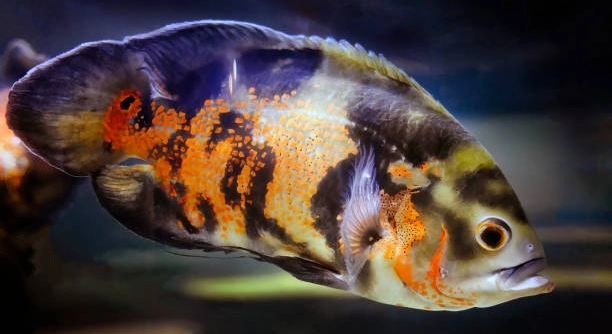
Have you ever noticed your cichlids behaving differently after laying eggs? Many aquarists find that their fish seem more protective, active, or even unpredictable following a spawning event in the tank.
After cichlids spawn, their personalities undergo noticeable changes. These shifts include increased aggression, territorial behavior, heightened vigilance, and more nurturing tendencies. Such transformations are rooted in instinctual responses to ensure offspring survival and maintain environmental control within the tank.
Observing these behaviors helps you understand your cichlids better and supports a healthier, more balanced aquarium environment.
Increased Aggression
After cichlids spawn, aggression becomes one of the most noticeable changes. Fish that were previously calm may start chasing others around the tank. They guard their territory more closely, especially near the nest or hiding spots where eggs or fry are located. This behavior can sometimes stress other fish in the aquarium. Both males and females display aggression, but males often patrol larger areas and confront intruders more boldly. The intensity of these behaviors can vary between species and even between individual fish. Observing the tank during this period shows frequent posturing, fin flaring, and rapid swimming toward perceived threats. This is not a sign of illness but a natural instinct aimed at protecting the offspring. Adjusting tank decorations, providing additional hiding spaces, and monitoring interactions carefully can help manage conflicts. Feeding more frequently during this time may also reduce tension. Recognizing these signs allows you to support their natural behavior while keeping the tank balanced.
Aggression in cichlids after spawning is a protective mechanism. It ensures eggs and fry remain safe from potential threats and maintains control over the immediate territory.
Watching this behavior closely gives insight into the social structure of your cichlids and helps prevent serious injuries among tank mates. Keeping notes on interactions can guide future tank arrangements and care strategies.
Heightened Territorial Behavior
Territorial instincts intensify after spawning.
Cichlids become very protective of certain areas, often around caves, plants, or substrate where eggs were laid. They may chase away other fish and patrol these zones constantly. This territoriality ensures the eggs or fry remain undisturbed, and both parents actively defend the space. Observing how they mark and guard these areas provides insight into their natural behavior and hierarchy. Providing multiple hiding spots can reduce stress for other fish while allowing the parents to maintain control. Over time, territorial boundaries may relax, but during the first few weeks, vigilance is high. Recognizing and respecting these zones prevents conflicts and supports healthy spawning cycles. Some species will shift areas if disturbed, so monitoring tank layout can make this process smoother.
Cichlids’ territorial behaviors after spawning are complex and adaptive. They may patrol, dig, or rearrange decorations to secure their eggs, which can alter the tank’s setup temporarily. Both male and female roles vary by species; in some cases, males focus on perimeter defense while females stay closer to eggs. The intensity of territorial displays often decreases gradually as fry grow, but constant monitoring is necessary to prevent excessive stress or injury to other fish. Adjusting tank arrangements, adding visual barriers, and ensuring sufficient space helps balance these behaviors with community tank needs. This period also offers insight into pair dynamics, social hierarchies, and communication patterns. Understanding these behaviors supports healthier fish interactions and can improve breeding success over time.
Increased Vigilance
Cichlids become extremely alert after spawning. They monitor the tank constantly, watching for any movement near their eggs or fry. Sudden changes in light or activity can trigger immediate responses, including chasing or defensive postures.
Heightened vigilance is a natural instinct to protect offspring. Both parents often coordinate, with one guarding while the other forages. This behavior includes swimming in tight patterns near the nest, flaring fins to appear larger, and quickly confronting any intruder, including other fish or even hands approaching the tank. Such alertness can seem intense, but it is temporary and directly linked to the safety of the young. Adjusting feeding schedules and minimizing disturbances during this period can reduce stress while supporting their natural protective instincts. Observing their focus on the fry provides insight into their nurturing behaviors, showing how much effort cichlids invest in ensuring offspring survival.
While vigilance can sometimes make them seem aggressive, it is primarily a protective measure. Providing clear spaces and minimizing unnecessary movement around the tank helps them maintain focus without unnecessary conflict. Their careful attention ensures eggs and fry have a higher chance of reaching maturity safely.
Nurturing Behavior
Parental care increases dramatically after eggs are laid.
Cichlids display nurturing behavior by tending to eggs, cleaning the nest, and fanning the fry with their fins. Both male and female roles vary by species; some remain close to eggs while others patrol territory. This behavior ensures healthy development of young.
Fanning helps oxygenate the eggs and prevent fungus, while frequent nudging encourages fry to move or stay in safe areas. Parents also guide the fry to food and protect them from perceived threats. This nurturing instinct is intense and can last several weeks, gradually decreasing as fry become more independent. Observing this process highlights the bond between parent and offspring, revealing instincts that are rarely seen outside of breeding periods. Adjustments to tank layout, including extra hiding spaces, can enhance the parents’ ability to care for their young while reducing stress on other fish. This period is one of the most rewarding to witness, showing the depth of cichlids’ protective and caring nature.
Changes in Social Interaction
After spawning, cichlids often reduce social interaction with other tank mates. They stay closer to the nest and may ignore previous companions, focusing on guarding eggs and fry.
Some fish may also temporarily isolate themselves in corners or behind decorations. This distance helps minimize conflict and stress for both parents and other fish.
Increased Activity
Spawning triggers bursts of activity in cichlids. They swim more frequently, patrol territories, and rearrange substrate or decorations near their nest. This behavior supports both protection of eggs and preparation for fry movement, ensuring safety and a suitable environment for development.
Temporary Shyness
Some cichlids become shy after spawning, hiding more often or avoiding open areas. This cautious behavior reduces exposure to potential threats and ensures eggs and fry remain undisturbed.
FAQ
Why do cichlids become aggressive after spawning?
Aggression is a natural instinct for protecting eggs and fry. Both male and female cichlids work to defend their territory from perceived threats. This includes chasing other fish, flaring fins, and patrolling the nest area. The intensity varies by species and individual temperament.
How long does increased aggression last?
Typically, aggressive behaviors peak during the first few days after spawning and gradually decrease over several weeks as fry grow. Some species maintain moderate aggression until fry are more independent. Providing adequate space and hiding spots can reduce stress during this period.
Why are cichlids more territorial after laying eggs?
Territorial behavior ensures the safety of eggs and fry. Parents guard specific areas around the nest, caves, or plants, actively defending these zones. This helps minimize disturbances and ensures fry have a controlled environment to grow in.
Do both parents participate in guarding the fry?
Yes, in most species, both male and female play a role. Often, one parent guards the immediate area near the eggs while the other patrols the broader territory. Roles can shift depending on species or environmental conditions.
Why do cichlids fan their eggs?
Fanning increases oxygen flow around the eggs and prevents fungus or debris buildup. It also encourages eggs to develop properly and helps maintain a clean nest. This behavior is essential for successful hatching.
Can increased vigilance harm other fish in the tank?
Yes, other tank mates can be stressed by constant chasing or displays of aggression. Providing visual barriers, additional hiding spots, and separating overly aggressive fish temporarily can help maintain balance.
Why do cichlids become more active after spawning?
Heightened activity is related to territory defense and nest preparation. Parents swim more, patrol boundaries, and rearrange substrate to ensure eggs or fry remain safe. This behavior is temporary and declines as offspring grow.
Do cichlids eat their own eggs or fry?
In some cases, if eggs are unhealthy or stressed conditions occur, parents may eat them. Generally, parents are highly protective. Ensuring proper water quality and minimal disturbances helps prevent this behavior.
Why do some cichlids seem shy or hide after spawning?
Shyness or hiding is another protective instinct. By staying out of sight, parents reduce exposure to threats, allowing eggs and fry to develop without interference. This behavior often occurs alongside increased vigilance.
How can I support cichlids during post-spawning changes?
Provide hiding spaces, maintain stable water conditions, and minimize disturbances near the nest. Feeding frequently supports energy needs, and monitoring interactions helps prevent injury. These measures allow natural behaviors without compromising the health of parents or fry.
When will cichlids return to normal behavior?
Behavior gradually normalizes as fry grow and become more independent. Aggression, vigilance, and territorial displays decrease over a few weeks, though minor protective behaviors may continue until fry reach maturity.
Can tank layout affect post-spawning behavior?
Yes, adding visual barriers, caves, and plants can reduce stress on both parents and other fish. Strategic layout allows cichlids to guard their nest effectively while giving others space to coexist peacefully.
Are personality shifts permanent?
No, changes in aggression, vigilance, and territoriality are temporary. Once the fry are independent, most cichlids return to their typical temperament. Some subtle behavior differences may remain depending on individual personality.
How do I know if aggression is too much?
If other fish are injured or constantly chased, it may be necessary to separate overly aggressive parents or provide additional hiding spots. Monitoring tank dynamics ensures a safe environment for all inhabitants.
Do environmental factors influence post-spawning behavior?
Yes, water quality, tank size, and available hiding spots affect aggression and vigilance. Stressful conditions can intensify behaviors, while a well-structured, stable environment supports healthy parental instincts and fry development.
Can cichlids recognize their own fry?
Many species show recognition of their offspring, responding specifically to their movements and protecting them from threats. This behavior is an instinctive survival strategy, ensuring the highest chance of fry reaching maturity.
Is it normal for cichlids to ignore other tank mates temporarily?
Yes, reduced social interaction is typical after spawning. Parents focus on eggs and fry, often isolating themselves to maintain control and reduce disturbances from other fish.
Should I move the fry to a separate tank?
It depends on the species and tank setup. Some cichlids care for fry successfully in the main tank, while others benefit from temporary separation to prevent accidental harm. Assess parental behavior and tank conditions before deciding.
How often should I feed cichlids after spawning?
Frequent, smaller meals support their energy needs during heightened activity and protective behavior. Proper nutrition helps maintain health while they guard and care for their eggs or fry.
Do all cichlids show the same personality shifts?
No, behavior varies by species and individual temperament. Some show intense aggression and vigilance, while others may be calmer. Observing your own fish helps tailor tank management and care strategies.
Can personality shifts indicate stress?
Some shifts, like extreme aggression or hiding, can signal stress. Ensuring proper tank conditions, adequate space, and minimal disturbances helps distinguish normal post-spawning behavior from stress-induced issues.
What is the best way to monitor changes?
Regular observation, keeping notes on interactions, and maintaining a consistent feeding and cleaning routine allows you to track behavior. This helps ensure both parents and fry remain healthy while reducing conflicts.
How long should I expect heightened care behaviors to last?
Intensive parental behaviors generally last several weeks until fry become mobile and less dependent. Vigilance and territorial behaviors decline gradually, with full normalization depending on species and environmental conditions.
Can stress affect fry survival?
Yes, disturbances, poor water quality, or overcrowding can impact fry survival. Supporting natural parental behaviors and minimizing stressors improves the likelihood of healthy offspring reaching independence.
Are personality shifts noticeable in community tanks?
Yes, even in community tanks, cichlids display changes like aggression, territoriality, and protective behaviors. Monitoring interactions and providing adequate space helps balance these behaviors with the needs of other fish.
What signs indicate successful spawning?
Signs include eggs in a nest, attentive parents, fanning behavior, and later fry movement. Parents guarding eggs or fry consistently is a strong indicator of successful reproduction and active care.
Do environmental changes reset personality shifts?
Significant changes, like moving the tank or altering decorations, can temporarily increase aggression or stress. Maintaining a stable environment helps parents focus on eggs and fry without unnecessary conflict.
Can I interact with my cichlids during this time?
Minimize handling or tank disturbances. Observing quietly is best. Excess interaction may trigger stress or aggression, interfering with protective behaviors and fry development.
How do I know when fry are independent?
Fry begin swimming freely, feeding on their own, and venturing beyond the nest area. At this stage, parental behaviors like guarding and fanning gradually decrease. Monitoring growth and activity helps identify independence.
Do water temperature and lighting affect behavior?
Yes, consistent temperature and stable lighting support normal parental behaviors. Sudden changes can trigger stress, increasing aggression or hiding tendencies, potentially impacting egg and fry development.
Is it normal for cichlids to rearrange tank decorations post-spawning?
Yes, moving substrate or decorations near the nest is part of preparing a safe environment for eggs and fry. This behavior is instinctive and temporary, gradually decreasing as fry grow.
Should I intervene if one parent becomes overly aggressive?
Yes, separating or providing barriers can prevent injuries. Careful observation ensures the safety of all tank inhabitants while allowing natural protective behaviors to continue safely.
How does species type affect personality shifts?
Different cichlid species display varying degrees of aggression, territoriality, and parental care. Understanding your species’ typical behaviors helps manage the tank environment and support post-spawning needs effectively.
Do cichlids show long-term personality changes after spawning?
Most shifts are temporary. While subtle behavior differences may remain, parents generally return to their baseline temperament once fry are independent. Observing multiple spawning cycles can reveal consistent patterns.
How can I reduce stress for other fish during this time?
Provide additional hiding spots, maintain stable water conditions, and monitor interactions. Minimizing disturbances near nests and allowing parents to control their territory helps balance the needs of all tank inhabitants.
Can tank size impact post-spawning behaviors?
Yes, larger tanks reduce conflict and allow parents to patrol territory without constantly encountering other fish. Smaller tanks may require extra hiding spaces or temporary separation to manage aggression effectively.
Are personality shifts the same for first-time spawners?
First-time parents may show less consistent aggression or protective behaviors compared to experienced spawners. Observing interactions helps understand individual differences and adjust tank management accordingly.
Do personality shifts occur immediately after spawning?
Shifts usually appear right after eggs are laid. Vigilance, territoriality, and aggression increase quickly as parents focus on ensuring the safety of their offspring, peaking in the first few days.
Can feeding habits change after spawning?
Yes, parents may become more focused on guarding and less interested in food initially. Offering frequent, small meals ensures they maintain energy for protective behaviors without reducing nutrition.
How can I tell if aggression is normal or excessive?
Normal post-spawning aggression includes chasing near the nest and fin displays. Excessive aggression causing injuries or constant stress signals a need for intervention, such as adding barriers or separating tank mates.
Do environmental enrichment items affect behavior?
Yes, caves, plants, and decorations can reduce stress and provide areas for parents to guard without constant confrontation. Strategic placement supports natural behaviors while minimizing tank-wide conflict.
Should I worry if fry numbers are low?
Not always. Some eggs may fail to hatch or fry may be eaten naturally. Ensuring good water quality and minimal disturbances increases survival rates, but low numbers can still be part of normal breeding outcomes.
Can multiple pairs in the same tank complicate behavior?
Yes, overlapping territories can lead to conflicts. Careful observation, additional hiding spaces, and sometimes separating pairs can reduce stress and prevent aggressive encounters.
Do personality shifts vary by time of day?
Yes, parents may be more active and vigilant during daylight hours, patrolling and fanning eggs. Nighttime often brings reduced activity and temporary resting periods while still maintaining some protective behavior.
How can I document behavioral changes effectively?
Keeping a log of aggression, territorial displays, fanning, and interactions helps track trends over time. This allows for better tank management and understanding of species-specific behaviors.
Can water flow affect post-spawning behavior?
Yes, strong currents can stress parents and fry. Gentle, consistent flow supports egg development and allows parents to perform protective behaviors without being overwhelmed.
Are personality shifts linked to breeding success?
Strong protective instincts and nurturing behaviors generally indicate a healthy, successful spawning. Observing these shifts helps gauge reproductive success and the likelihood of fry survival.
Do environmental disturbances reset protective behaviors?
Yes, sudden changes like tapping the glass or rearranging decorations can increase aggression and vigilance temporarily. Maintaining a stable, quiet environment allows parents to focus on caring for their young.
How can I balance the needs of multiple fish during this period?
Providing extra space, visual barriers, hiding spots, and monitoring interactions ensures that protective cichlids can guard offspring while other fish remain safe. Adjustments to tank layout reduce stress and maintain harmony.
Is it normal for one parent to take on more responsibility?
Yes, some species or individual pairs divide duties unevenly. One may guard while the other forages. Observing behavior helps ensure both parents remain healthy and capable of protecting fry.
What signs indicate fry are at risk?
Injuries, high stress, or disappearance of fry can signal risks. Ensuring water quality, minimal disturbances, and protective behavior from parents helps improve survival chances.
Do personality shifts affect feeding for other fish?
Yes, protective parents may chase other fish away from certain areas, impacting their access to food. Providing multiple feeding zones can help all fish eat safely.
How does age affect parental behavior?
Younger, first-time spawners may be less effective at guarding and feeding fry. Experienced parents often display more consistent aggression, vigilance, and nurturing behavior.
Can personality shifts provide insight into cichlid health?
Yes, normal protective behavior indicates healthy instincts. Excessive aggression, lethargy, or lack of care may signal stress or health issues, requiring attention to water conditions, diet, and environment.
Do cichlids ever abandon eggs or fry?
Occasionally, if stressed, injured, or in poor water conditions, parents may abandon or eat eggs. Maintaining a stable environment and minimizing disturbances reduces this risk significantly.
Is monitoring behavior necessary after fry become independent?
Yes, observing parents ensures they return to normal behavior and that no lingering aggression affects other fish. This period helps maintain a balanced and safe tank environment.
How do I prepare for the next spawning cycle?
Documenting behaviors, observing how parents responded, and adjusting tank layout or feeding strategies improves care for future spawns. Understanding personality shifts informs better management for successful breeding.
Do personality shifts differ in community versus species-specific tanks?
Yes, in community tanks, interactions with other species may amplify stress or aggression. In species-specific tanks, behaviors are more predictable, allowing easier management of post-spawning instincts.
Can these shifts affect long-term relationships between tank mates?
Yes, temporary aggression or territoriality can influence social hierarchy. Providing adequate space and observing interactions helps maintain harmony even after parental behaviors normalize.
Are there signs that spawning was unsuccessful?
Lack of protective behaviors, absence of eggs or fry, or disinterest in the nest can indicate unsuccessful spawning. Monitoring closely after spawning helps identify and address potential issues early.
Do environmental enrichments reduce aggression post-spawning?
Yes, visual barriers, caves, and plants allow parents to guard eggs without constant confrontation. Thoughtful placement reduces stress and supports natural behaviors.
How can I identify species-specific differences in behavior?
Researching your cichlid species and observing multiple spawns helps identify typical aggression, vigilance, and nurturing patterns. This knowledge allows tailored tank management for successful reproduction.
Should I worry if one parent is less active?
Not always. Sometimes one parent takes a less active role while the other guards. Monitoring ensures both parents remain healthy and capable of protecting eggs or fry.
Do personality shifts affect mating readiness for future spawns?
Temporary shifts are natural and do not prevent future mating. Parents typically return to baseline behavior, and successful fry care can support readiness for subsequent spawning events.
Is it normal for fry to hide with parents frequently?
Yes, fry often stay close to parents for protection. This is part of natural development and gradually decreases as they become more independent and confident.
Can overcrowding worsen post-spawning behaviors?
Yes, limited space increases aggression and stress. Providing ample room, hiding spots, and possibly separating fish helps maintain safety and reduces conflicts during the vulnerable post-spawning period.
Are there signs parents are too stressed to care for fry?
Excessive hiding, lethargy, or lack of attention to eggs indicates stress. Intervening by adjusting environment or temporarily separating parents may be necessary to ensure fry survival.
How can I tell if aggression is normal versus a health issue?
Normal aggression is focused around the nest and directed at intruders. Aggression accompanied by lethargy, loss of appetite, or abnormal swimming may indicate illness or environmental stress, requiring attention.
Do personality shifts vary by water chemistry?
Yes, pH, hardness, and temperature can influence aggression and parental care. Stable, species-appropriate water conditions support healthy behavior and successful fry development.
Can observing personality shifts improve tank management?
Yes, understanding aggression, vigilance, and nurturing helps design tank layouts, feeding schedules, and care routines that support both parents and community fish effectively.
Is it common for one parent to become dominant after spawning?
Yes, one may assert control over territory or fry. Dominance usually stabilizes as fry grow, and normal interactions resume between parents. Monitoring ensures the less dominant parent remains healthy.
Do personality shifts affect overall tank harmony?
Temporarily, yes. Aggression and territoriality can stress other fish. Providing space, barriers, and additional feeding zones helps maintain balance while supporting natural parental behaviors.
Are there ways to reduce aggression without interfering with parenting?
Yes, visual barriers, extra hiding spots, and multiple feeding areas allow parents to guard fry while minimizing conflict with other tank mates. This supports natural instincts without compromising safety.
Can fry behavior influence parent personality shifts?
Yes, active or restless fry may trigger increased vigilance or protective behaviors. Observing fry movement helps understand changes in parental intensity and adjust tank conditions accordingly.
Do personality shifts indicate good parenting?
Often, yes. Increased aggression, vigilance, and nurturing behaviors show parents are actively protecting and caring for their offspring. These instincts increase the likelihood of fry survival.
How can I prepare for multiple spawns in the same tank?
Providing sufficient space, visual barriers, hiding spots, and monitoring previous parental behaviors helps manage overlapping spawning cycles. Understanding personality shifts ensures safe and effective care for successive batches of fry.
Can sudden tank disturbances reverse calming of behavior?
Yes, loud noises, tapping glass, or rearranging decorations can temporarily increase aggression or vigilance, even after initial parental behaviors subside. Maintaining a stable environment prevents unnecessary stress.
Do personality shifts have long-term effects on adult cichlids?
Generally, no. Once fry are independent, most behaviors return to baseline. Some subtle personality traits may persist, but long-term changes are minimal. Observing multiple spawns provides insight into consistent patterns.
How do I track personality shifts effectively?
Keep logs of aggression, territorial displays, fanning, and interactions. Note timing, frequency, and intensity. This information helps manage tank layout, feeding, and interventions to support healthy behavior for both parents and fry.
Can tank lighting affect post-spawning behavior?
Yes, bright or fluctuating light can stress parents and fry. Consistent, moderate lighting supports normal protective behaviors and reduces unnecessary agitation during this sensitive period.
Do personality shifts differ in captivity versus wild environments?
Yes, tank size, space, and absence of natural predators can alter intensity. In captivity, behaviors may be exaggerated or minimized, but instincts like aggression, vigilance, and nurturing remain strong.
Can observing these shifts improve breeding success?
Yes, monitoring aggression, vigilance, and nurturing helps identify optimal conditions for fry survival. Adjusting tank layout, feeding, and disturbances based on behavior increases the likelihood of successful reproduction.
Are personality shifts influenced by diet?
Yes, proper nutrition supports energy for protective behaviors. Inadequate or inconsistent feeding may reduce vigilance or parental care, potentially impacting fry survival.
How can I safely separate overly aggressive parents?
Use temporary barriers or
Cichlids are fascinating fish, and their behavior after spawning is one of the clearest examples of instinct guiding their daily lives. The shifts in aggression, territoriality, vigilance, and nurturing all serve a single purpose: protecting their eggs and fry. While these changes can seem intense or surprising at first, they are completely normal and expected. Watching cichlids during this period gives insight into their natural instincts, showing how much effort they invest in raising their young. It also highlights how environmental conditions, tank layout, and interactions with other fish influence the intensity of these behaviors. Understanding these shifts can help aquarists provide the right support and prevent unnecessary stress for both parents and tank mates.
Managing a tank during this period requires careful observation and thoughtful adjustments. Providing sufficient space, visual barriers, and hiding spots allows parents to maintain control without causing harm to other fish. Feeding schedules may need to be increased slightly to meet the energy demands of protective behavior. At the same time, minimizing disturbances near the nest is important to reduce stress. Noticing signs of excessive aggression or stress helps prevent injuries and ensures fry have the best chance of survival. Over time, most behaviors gradually decrease as fry grow more independent, and parents return to their usual personality. Keeping track of these changes also prepares you for future spawning events, allowing better planning for tank conditions and fish care.
Cichlids’ post-spawning personality shifts remind us that fish are more than just decorations in a tank—they are active, instinct-driven creatures with social and protective behaviors. These shifts offer both challenges and opportunities for learning. By providing the right environment, understanding their behavior, and carefully monitoring interactions, it is possible to maintain a healthy, balanced aquarium where both parents and fry thrive. Observing these changes can be deeply rewarding, offering insight into cichlids’ natural instincts while also improving long-term care strategies. Patience, attention, and respect for their behaviors ensure a harmonious tank and a successful breeding experience.

Hello,
If you enjoy the content that we create, please consider saying a "Thank You!" by leaving a tip.
Every little bit helps us continue crafting quality advice that supports the health, happiness, and well-being of pets around the world, for pets of all shapes, sizes, and species.
We really appreciate the kindness and support that you show us!