
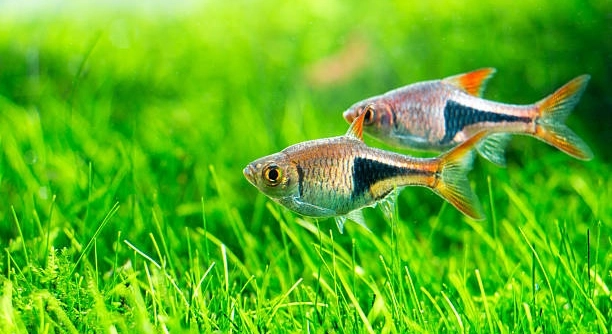
Do you enjoy keeping rasboras but want a peaceful community tank that works well together? Many aquarists struggle to choose compatible tankmates that won’t stress these delicate, schooling fish while keeping the aquarium balanced and lively.
Peaceful inverts that can coexist with rasboras include Amano shrimp, Cherry shrimp, Nerite snails, Malaysian trumpet snails, Ghost shrimp, Mystery snails, and Ramshorn snails. These species are non-aggressive, occupy different tank zones, and do not compete significantly for food, ensuring harmonious tank dynamics.
Choosing suitable tankmates is key to a stress-free environment for your rasboras. Properly selecting these inverts ensures a thriving, peaceful aquarium for everyone involved.
Amano Shrimp
Amano shrimp are a popular choice for a peaceful aquarium with rasboras. They are active cleaners, constantly grazing on algae and leftover food, which helps keep the tank tidy. These shrimp prefer to stay in groups, and they feel secure when hiding among plants, rocks, and decorations. Their calm nature ensures they don’t bother the rasboras, and the fish usually ignore them as long as the shrimp are not too large or aggressive. Amano shrimp are hardy in a variety of water conditions, but they thrive best in slightly alkaline water with stable temperatures. They molt regularly, which can be an interesting process to observe. Having Amano shrimp in the tank can add movement and color without creating conflict. Their subtle activity complements the active swimming patterns of rasboras, making the tank more dynamic without stress. Feeding should include algae wafers or blanched vegetables, as they may not always find enough natural algae.
They are excellent algae eaters and rarely interact aggressively with fish, making them low-maintenance companions for rasboras.
Including Amano shrimp provides both a cleaning benefit and a gentle addition that enhances the tank visually. Their presence can reduce algae buildup naturally, while their quiet nature ensures that the rasboras continue swimming without disruption. When introduced correctly, Amano shrimp adapt quickly, and watching them explore plants and decorations adds small but engaging activity to the aquarium. Pairing them with rasboras requires attention to hiding spots, as too few shelters can cause stress during molting periods. Overall, Amano shrimp balance the ecosystem, helping maintain water quality and adding subtle movement that blends well with the fish’s schooling behavior, creating a calm and healthy tank environment.
Cherry Shrimp
Cherry shrimp are small, peaceful inverts that mix well with rasboras.
These shrimp are bright, easy to care for, and thrive in planted tanks. Their grazing habits prevent excessive algae buildup while staying out of the way of swimming rasboras. Cherry shrimp prefer hiding among plants, especially when they molt, which adds security. They breed readily under good conditions, increasing their presence over time, but their population usually remains stable if fish occasionally eat juveniles. Their color variations bring visual contrast without disturbing the fish, and they are hardy in a range of water parameters. Feeding is simple, as they will consume algae, detritus, and small sinking foods, complementing the tank’s cleaning process. Pairing them with rasboras enhances both aesthetic appeal and ecological balance, as the shrimp focus on the substrate and plants while the fish swim freely in open water. Cherry shrimp’s unobtrusive behavior ensures a peaceful tank where both species can thrive together.
Nerite Snails
Nerite snails are excellent for controlling algae without harming rasboras. They stay on surfaces, leaving plants and fish alone, and are low-maintenance additions for a peaceful tank.
These snails are hardy and can tolerate a range of water conditions. They rarely reproduce in freshwater, so overpopulation is not an issue. Nerite snails actively graze on algae growing on tank walls, decorations, and substrate, reducing manual cleaning. Their shells add natural texture, and their slow, deliberate movement does not disturb schooling rasboras. They are peaceful by nature and do not compete for food aggressively, feeding mainly on biofilm and algae. Adding them can improve tank cleanliness and contribute to a balanced ecosystem while maintaining a calm environment.
Providing calcium-rich food or supplements is important for shell health. Avoid placing them in tanks with aggressive fish that may nip at their shells. Nerite snails thrive in planted tanks, and their consistent activity provides subtle, continuous movement that blends naturally with the fish. These snails are compatible with most peaceful inverts, making them an ideal addition for keeping algae under control while ensuring a serene aquarium environment.
Malaysian Trumpet Snails
Malaysian trumpet snails burrow in the substrate, aerating it and preventing harmful gas buildup. They are peaceful and rarely interact negatively with rasboras.
These snails reproduce slowly in well-maintained tanks, and their burrowing activity keeps the substrate healthy. They feed on leftover food and detritus, helping maintain water quality. Their small, conical shells make them less noticeable, and they stay mostly hidden during the day. Malaysian trumpet snails thrive in a variety of water conditions and do not disturb fish or plants. They complement the natural cleaning process by consuming decomposing organic matter, reducing the risk of ammonia spikes. Including them creates a balanced, low-stress environment for rasboras while improving substrate health.
Ghost Shrimp
Ghost shrimp are tiny, transparent inverts that move quietly through the tank. They focus on leftover food and detritus, leaving rasboras undisturbed.
They are active scavengers and rarely interact aggressively with other tank inhabitants. Ghost shrimp thrive in planted tanks and provide constant, subtle activity without causing stress.
Mystery Snails
Mystery snails are larger snails that glide over surfaces, cleaning algae and uneaten food. Their slow pace and calm nature make them compatible with rasboras. They add visual interest without disturbing schooling fish, and they rarely leave visible waste behind. Mystery snails need occasional calcium supplements to maintain shell health.
Ramshorn Snails
Ramshorn snails are small, peaceful, and graze on algae and detritus. They reproduce moderately and are easy to maintain in a community tank.
FAQ
What is the best tank size for rasboras and peaceful inverts?
A minimum of 10 gallons is recommended for a small group of rasboras with inverts. Larger tanks allow for more swimming space and hiding spots, which reduces stress and promotes healthy behavior. Dense planting and decorations give both fish and inverts areas to explore safely.
Can inverts coexist with all types of rasboras?
Most peaceful rasboras, such as Harlequin or Chili Rasboras, can coexist with inverts like shrimp and snails. Avoid pairing aggressive or large fish, as they may stress or eat the inverts. Maintaining calm, non-aggressive tankmates ensures harmony.
How often should I feed inverts in a community tank?
Feeding depends on species. Shrimp and snails graze naturally, but supplementing with algae wafers, blanched vegetables, or sinking pellets 2–3 times a week helps them stay healthy. Overfeeding can cause water quality issues. Observe their activity to adjust portions appropriately.
Are there any water parameters that are critical for inverts and rasboras?
Both rasboras and most peaceful inverts thrive in slightly acidic to neutral water, around pH 6.5–7.5, with a temperature between 72–78°F (22–26°C). Stable water parameters are essential, as sudden changes stress fish and inverts alike. Regular monitoring of ammonia, nitrite, and nitrate levels is recommended.
Do inverts require special care during molting or reproduction?
Molting shrimp need hiding spots to feel safe, and gentle tankmates reduce risk during this period. Some snails may reproduce rapidly, but most, like Nerite snails, reproduce slowly in freshwater. Providing a balanced diet and stable conditions supports healthy growth and reproduction.
Can overpopulation of inverts be an issue in a rasbora tank?
Yes, species like Ramshorn snails can multiply quickly if excess food is present. Regular feeding control and occasional removal of excess individuals help maintain a balanced ecosystem. Other species, such as Amano and Ghost shrimp, are less likely to overpopulate.
Do inverts help maintain water quality?
Inverts consume leftover food, algae, and detritus, which reduces waste accumulation and keeps the substrate cleaner. This natural cleaning lowers ammonia and nitrate spikes, complementing regular tank maintenance. However, they do not replace the need for water changes or filter upkeep.
Are there risks of disease when keeping inverts with rasboras?
Generally, peaceful inverts carry minimal disease risk for fish. However, introducing new inverts without quarantine may bring parasites or bacterial infections. Quarantine new additions for at least two weeks and inspect them for signs of illness before adding them to the main tank.
How can I ensure both rasboras and inverts thrive together?
Provide a balanced environment with plants, hiding spots, and proper feeding. Avoid overcrowding, monitor water parameters, and select compatible species. Observing behavior regularly helps identify stress or aggression early, ensuring both fish and inverts remain healthy and active.
Are there any maintenance tips specific to tanks with inverts?
Avoid using copper-based medications or chemicals, as they are toxic to inverts. Clean the substrate carefully to prevent damaging delicate shrimp or snail shells. Supplement calcium for snails and ensure adequate nutrition for all species. Regular observation and consistent care maintain a stable, peaceful tank.
This FAQ covers common concerns about keeping rasboras with peaceful inverts. By understanding tank size, feeding, water parameters, and species compatibility, you can create a balanced environment that supports both fish and inverts effectively. Regular care and attention help prevent stress, disease, and overpopulation, keeping your community tank healthy and vibrant.
Keeping rasboras with peaceful inverts can create a calm and visually appealing aquarium. When you choose compatible species, the tank becomes more balanced, and each inhabitant can thrive without stress. Shrimp, snails, and other gentle inverts occupy different areas of the tank, which prevents overcrowding and reduces conflicts. By understanding the natural behavior of both rasboras and inverts, you can plan the layout, decorations, and feeding schedule to suit all species. Providing hiding spots and dense plants is important, especially for shrimp during molting and for smaller snails. These small adjustments make a noticeable difference in how peaceful the tank remains and how active your fish and inverts feel.
Regular maintenance is essential for a harmonious community. Monitoring water parameters, performing water changes, and checking for leftover food help maintain a healthy environment. Inverts play a helpful role by cleaning algae and detritus, but they cannot replace proper care. Overfeeding or neglecting tank cleaning can stress both fish and inverts, which may lead to illness or reduced activity. Observing interactions is another key aspect. Most rasboras are naturally peaceful, but sudden changes in tankmates or water conditions can trigger stress. Keeping a close eye on behavior allows you to address problems early and maintain a stable environment for all inhabitants.
Choosing the right combination of rasboras and inverts also enhances the aesthetic appeal of the tank. Colorful shrimp, patterned snails, and active rasboras create movement and contrast that make the aquarium more engaging. However, careful planning is required to avoid overpopulation or competition for food. Supplementing the diet with algae wafers, vegetables, or sinking pellets ensures that all species receive proper nutrition. Simple steps, like ensuring hiding spots and avoiding aggressive tankmates, go a long way in promoting peace. Overall, a thoughtful approach to species selection, feeding, and maintenance leads to a thriving, low-stress aquarium that allows both rasboras and inverts to coexist happily, providing an enjoyable and visually calming setup.

Hello,
If you enjoy the content that we create, please consider saying a "Thank You!" by leaving a tip.
Every little bit helps us continue crafting quality advice that supports the health, happiness, and well-being of pets around the world, for pets of all shapes, sizes, and species.
We really appreciate the kindness and support that you show us!