
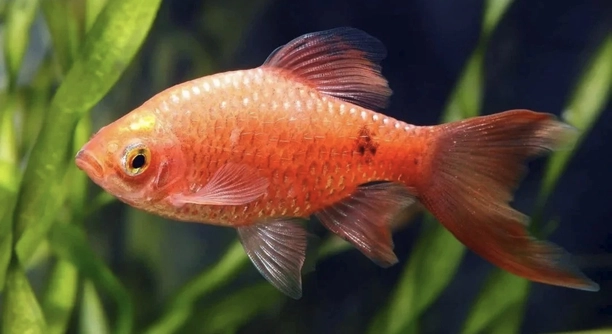
Rosy barbs are popular fish known for their peaceful nature and vibrant colors. They fit well in community tanks where calm behavior is valued. Choosing compatible tank mates helps maintain harmony and reduces stress for all fish involved.
Seven peaceful fish species can coexist successfully with rosy barbs, including danios, platies, guppies, corydoras, mollies, swordtails, and zebra loaches. These species share similar temperaments and environmental needs, promoting a stable and balanced aquarium community.
Knowing which fish can live peacefully with rosy barbs helps create a healthy, attractive tank environment. This guide will outline the best companions to keep your aquarium balanced and enjoyable.
Danios: Active and Peaceful Tankmates
Danios are small, energetic fish that thrive in similar water conditions as rosy barbs. They are hardy and adapt well to community tanks, making them reliable companions. Their peaceful nature means they rarely bother other fish. Danios prefer swimming in the upper and middle levels of the tank, which complements the rosy barbs’ activity patterns. Both species enjoy similar temperatures, ranging from 64 to 75°F, and they are comfortable in well-oxygenated water. Because danios are schooling fish, they should be kept in groups of at least five to reduce stress and encourage natural behavior. Their constant movement adds liveliness to the tank without causing aggression. Danios come in a variety of colors, which can add visual interest alongside the rosy barbs’ bright hues. Overall, their calm temperament and active swimming style make danios excellent tankmates.
Danios require minimal care and are compatible with many peaceful species. Their adaptability makes them a practical choice for mixed aquariums.
Adding danios can help maintain a balanced tank dynamic, keeping all fish active but calm. They contribute to the tank’s harmony by filling a different swimming niche than rosy barbs, preventing overcrowding in one area of the aquarium.
Corydoras Catfish: Bottom-Dwelling Companions
Corydoras catfish are peaceful bottom dwellers that help keep the tank clean by scavenging leftover food. Their calm behavior makes them excellent companions for rosy barbs, as they occupy different tank levels. They prefer soft, sandy substrates to protect their sensitive barbels and require well-maintained water to stay healthy. Corydoras are social fish, so keeping them in groups of four or more encourages natural interaction and reduces stress. They tolerate a wide range of temperatures, usually between 72 and 79°F, which overlaps well with rosy barb needs. Their quiet presence balances the tank’s activity without competing for space or food. Corydoras’ gentle nature means they are unlikely to provoke aggression, contributing to a peaceful aquarium environment. Their small size and constant bottom-level movement create visual interest and help maintain a clean, healthy tank.
Corydoras add variety by occupying the bottom area, enhancing tank balance and cleanliness.
These catfish not only improve tank aesthetics but also reduce waste buildup by eating food scraps. Their calm nature and ease of care complement rosy barbs perfectly, making them ideal tank companions. Keeping their social needs in mind ensures they thrive alongside more active, mid-level swimmers.
Platies: Colorful and Calm Community Fish
Platies are peaceful, hardy fish that get along well with rosy barbs. They are livebearers, which means they give birth to free-swimming young instead of laying eggs. Platies enjoy similar water conditions and tank setups as rosy barbs.
Platies have gentle temperaments, making them excellent tankmates for rosy barbs. They thrive in temperatures between 70 and 77°F and prefer slightly alkaline water, which matches the needs of rosy barbs. Their varied colors and patterns add beauty to the aquarium without causing tension. Platies are active swimmers but not aggressive, so they coexist well with the moderately active rosy barbs. They also eat similar diets, including flakes, pellets, and occasional live foods, which simplifies feeding. Their peaceful nature ensures that tank harmony remains intact even in a community setting.
Because platies are livebearers, they may reproduce in your tank, so keep an eye on population growth. Their adaptability and calm behavior make them suitable companions that enhance the tank’s diversity while maintaining a peaceful environment.
Guppies: Bright and Easygoing Tankmates
Guppies are small, lively fish that add sparkle to a community aquarium with rosy barbs. They prefer similar water conditions, including temperatures from 72 to 82°F, and are generally peaceful. Guppies swim mostly in the upper levels, avoiding competition with bottom dwellers.
Their vibrant colors and flowing fins make guppies visually appealing alongside rosy barbs. Guppies are easy to care for and adapt well to a variety of tank setups. Because they are livebearers like platies, guppy populations can increase quickly if both males and females are kept together. They feed on similar diets, including flakes and small live foods, which simplifies maintenance. Guppies’ peaceful behavior and active swimming style complement rosy barbs, creating a lively but calm aquarium atmosphere. Their small size means they won’t compete aggressively for space or food.
Guppies help maintain a balanced and colorful community tank. Their compatibility with rosy barbs and ease of care make them a popular choice for many aquarium keepers looking to create a friendly environment.
Mollies: Peaceful and Hardy Fish
Mollies are adaptable and get along well with rosy barbs. They prefer similar water conditions, including slightly alkaline pH and temperatures between 72 and 78°F.
Mollies are calm swimmers who do not disturb other fish. They add variety with different colors and shapes, fitting nicely into a peaceful community tank.
Swordtails: Active but Gentle Tankmates
Swordtails are peaceful fish known for their distinct tail shapes and vibrant colors. They enjoy water temperatures from 70 to 78°F and prefer a pH around 7.0 to 8.0, which matches the environment rosy barbs thrive in. Swordtails are active swimmers but generally do not show aggression, making them good companions. Their diet overlaps with rosy barbs, including flakes, pellets, and occasional live food. Swordtails appreciate planted tanks that offer hiding spots, helping reduce stress and promote natural behavior. They add energy and color without disrupting tank harmony, complementing the moderately active nature of rosy barbs. Maintaining similar water conditions supports both species’ health and well-being, encouraging a peaceful coexistence.
Zebra Loaches: Calm Bottom Dwellers
Zebra loaches are peaceful fish that prefer to stay near the bottom of the tank. Their gentle nature makes them good companions for rosy barbs.
What are the best water conditions for rosy barbs and their tankmates?
Rosy barbs and most peaceful companions thrive in water temperatures between 70°F and 78°F. The pH should be slightly alkaline, around 7.0 to 8.0. Moderate water hardness is ideal, with soft to medium-hard water preferred. Regular water changes and good filtration keep the environment healthy. Stable water parameters reduce stress and prevent disease, helping all fish coexist peacefully.
How many fish should be kept together in a community tank with rosy barbs?
Rosy barbs are schooling fish and do best in groups of six or more. Their peaceful tankmates, like danios or corydoras, also prefer groups to feel secure. Keeping fish in appropriate numbers reduces aggression and promotes natural behavior. Overcrowding, however, should be avoided to maintain water quality and prevent stress.
Can rosy barbs live with aggressive or large fish?
Rosy barbs are peaceful but active, so they can be stressed or outcompeted by aggressive or much larger fish. It’s best to avoid keeping them with cichlids or large predatory species. Sticking to similarly sized, calm fish prevents bullying and injury.
Do rosy barbs require a special diet?
Rosy barbs eat a varied diet including flakes, pellets, and live or frozen foods like brine shrimp and bloodworms. Their peaceful companions often share similar diets. Feeding a balanced diet supports vibrant colors and good health. Avoid overfeeding to prevent water quality issues.
How often should I clean the tank with rosy barbs and their companions?
A partial water change of about 20-30% every week or two helps maintain clean water. Cleaning the substrate and filter regularly prevents buildup of waste and toxins. Monitoring water parameters ensures a safe environment for all fish.
Are live plants necessary when keeping rosy barbs with peaceful fish?
Live plants are not required but highly recommended. They provide hiding spots, improve water quality, and create a natural setting. Many peaceful fish feel more secure with plants. Hardy species like java fern and anubias suit the needs of these fish well.
What tank size is recommended for rosy barbs and their tankmates?
A minimum of 30 gallons is recommended to house rosy barbs with peaceful companions comfortably. This provides enough swimming space and reduces territorial disputes. Larger tanks make it easier to maintain stable water conditions and accommodate groups of schooling fish.
Can rosy barbs breed easily in a community tank?
Rosy barbs can breed in community tanks if conditions are right, but the young may be eaten by other fish. To protect fry, a separate breeding tank or plenty of hiding spots are helpful. Breeding behavior does not typically cause aggression but may increase activity.
How do I introduce new fish to a tank with rosy barbs?
Introduce new fish slowly by acclimating them to tank water over 30 minutes to an hour. Quarantine new fish beforehand to prevent disease spread. Adding new fish in the evening can reduce stress and aggression. Monitor all fish closely after introduction.
What signs indicate stress or illness in rosy barbs and their companions?
Look for faded colors, clamped fins, lethargy, loss of appetite, or erratic swimming. White spots, redness, or visible wounds can signal disease. Early detection and treatment improve recovery chances. Maintaining clean water and a balanced diet help prevent many issues.
Rosy barbs are great fish for community tanks because of their peaceful nature and bright colors. When choosing tankmates for rosy barbs, it is important to select fish that share similar temperaments and water needs. Fish like danios, platies, guppies, corydoras, mollies, swordtails, and zebra loaches are all good options. These species tend to be calm and friendly, which helps keep the tank environment peaceful and enjoyable for everyone. Keeping the right companions not only reduces stress but also encourages natural behaviors, making the tank a healthy place for all fish.
Maintaining the proper tank conditions is just as important as choosing the right fish. Rosy barbs and their peaceful tankmates thrive in moderate temperatures, slightly alkaline water, and clean, well-filtered tanks. Regular water changes and proper feeding habits are essential to avoid illness and promote vibrant colors. It is also important to provide enough space for each fish to swim comfortably and to avoid overcrowding, which can lead to aggression and poor water quality. Adding live plants can offer hiding places and improve water conditions, contributing to a balanced and natural aquarium setting.
In summary, keeping rosy barbs with peaceful fish requires attention to species compatibility, water conditions, and tank care. When done right, this combination creates a lively yet calm aquarium that is visually appealing and healthy for the fish. Taking time to research and plan the community tank setup can prevent problems and help all the fish thrive together. With the right companions and environment, rosy barbs can live happily and show off their beautiful colors in a peaceful aquatic home.

Hello,
If you enjoy the content that we create, please consider saying a "Thank You!" by leaving a tip.
Every little bit helps us continue crafting quality advice that supports the health, happiness, and well-being of pets around the world, for pets of all shapes, sizes, and species.
We really appreciate the kindness and support that you show us!