
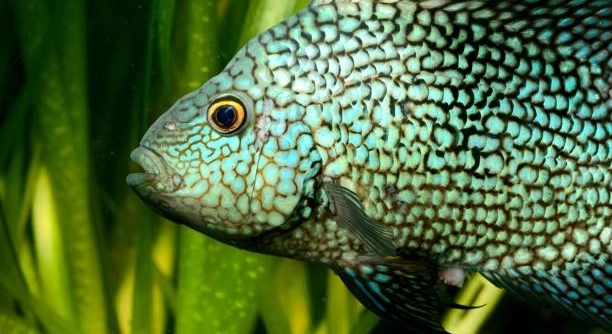
Raising fry can be both exciting and challenging. Observing their movements, feeding habits, and growth helps identify healthy development. Small changes in behavior often indicate important needs, making early attention crucial for their survival and growth.
Monitoring fry requires careful attention to patterns in swimming, feeding, coloration, and growth. Recognizing these trends allows aquarists to adjust care, improve survival rates, and maintain optimal tank conditions for consistent development and overall health of the young fish.
Understanding these behaviors supports better fry care and ensures stronger, healthier fish. Paying attention to patterns makes the raising process more predictable and successful.
Early Swimming Patterns
In the first few days after hatching, fry show noticeable swimming behavior that reflects their health. Healthy fry tend to explore the tank actively, staying mostly in midwater or near surfaces where they can access food. Weak or stressed fry may hover at the bottom or float erratically. Observing these differences helps determine if water conditions, temperature, or oxygen levels need adjusting. Consistency in swimming patterns often indicates that fry are feeding well and developing normally. Rapid changes in activity can signal stress or disease, making it important to monitor them daily. Small shifts, like swimming in tight circles or avoiding certain areas, often point to environmental issues or early illness. Providing gentle water flow and hiding spots encourages natural swimming without overwhelming them. This stage sets the foundation for proper growth and social interaction as they mature. Paying attention early reduces losses and ensures fry reach stronger developmental stages efficiently.
Healthy swimming reflects good tank conditions and proper feeding, making early observation critical for fry survival.
Observing fry daily helps identify issues before they become severe. Adjusting water flow, temperature, and feeding techniques based on these patterns improves survival rates. Consistent activity and exploration indicate proper growth, while irregular movement signals stress. Early swimming behavior also affects later development, including feeding efficiency and social interactions. Ensuring fry swim naturally promotes stronger, healthier fish as they mature, reduces mortality, and supports long-term well-being.
Feeding Response Patterns
Fry feeding response reveals their nutritional needs and overall vitality. Healthy fry eagerly approach food, pecking or chasing it actively. Weak or ill fry may ignore feedings or fail to compete for food, showing lethargy. Recognizing these differences allows immediate adjustments to feeding type or frequency.
Consistent feeding patterns indicate fry are receiving adequate nutrition and energy for growth.
Providing appropriate food size and frequency supports optimal growth. Start with finely crushed or liquid foods suitable for tiny mouths, gradually introducing larger particles as fry grow. Monitor how quickly they consume food and whether all fry get a share, adjusting quantities to avoid overfeeding and water quality issues. Observing feeding response helps detect early health problems, allowing timely intervention. Over time, patterns become predictable, letting caretakers anticipate needs and plan effective feeding schedules. A stable feeding environment reduces competition and stress, promoting uniform growth across the group. Tracking these responses also highlights individual fry that may require separate attention, ensuring that weak or slow-growing fry have the chance to thrive. Proper feeding management is essential for strong, healthy, and well-developed fry capable of long-term survival.
Coloration Changes
Fry coloration can signal their health and development. Bright, even colors usually indicate good nutrition and proper tank conditions. Pale, faded, or blotchy patterns may suggest stress, illness, or poor water quality, requiring quick adjustments.
Color changes often happen gradually but are noticeable with daily observation. Healthy fry develop consistent tones as they grow, reflecting proper feeding and water balance. Sudden fading or darkening can indicate ammonia spikes, inadequate oxygen, or disease. Monitoring these changes allows early intervention before serious health issues arise. Some species naturally alter colors as they age, but irregular shifts are always worth checking. Adjusting diet, light exposure, and water parameters helps maintain optimal coloration.
Tracking coloration patterns also helps distinguish normal development from potential problems. Subtle differences in hue, intensity, or patchiness reveal stress or nutritional deficiencies. Keeping a visual record over days or weeks allows comparisons, making it easier to identify when fry need attention. Regular water testing and consistent feeding reinforce healthy coloration, supporting growth and overall vitality. Observing how fry respond to changes in their environment also provides insight into their resilience and long-term survival prospects.
Growth Rate Patterns
Fry growth rates vary depending on genetics, feeding, and tank conditions. Uniform growth across a group usually indicates stable conditions, while uneven development may point to competition or illness.
Tracking growth helps identify fry that need extra care. Measuring size regularly and noting deviations ensures that weaker individuals receive additional feeding or support. Rapid growth can sometimes signal overfeeding, while stunted growth may indicate poor water quality or nutritional gaps. Ensuring consistent temperature, adequate space, and proper nutrition supports balanced growth for all fry.
Noting growth patterns also aids in planning tank transitions. Fry that develop steadily can be moved to larger tanks at appropriate times, minimizing stress and reducing aggression. Observing which individuals grow slower allows targeted interventions, such as separating them temporarily or providing supplemental feeding. Maintaining a consistent routine, monitoring water conditions, and recording measurements helps predict growth trends and prevents surprises. Over time, growth patterns reveal how well the tank environment supports healthy development, allowing adjustments that benefit all fry and improve survival rates.
Schooling Behavior
Fry often swim together in small groups as they develop. Tight schooling usually indicates comfort and good water conditions.
If fry scatter or isolate themselves, it may suggest stress, poor water quality, or illness. Consistent observation helps identify these issues early, allowing prompt corrective measures.
Response to Light
Fry react to light changes differently depending on species and tank conditions. Healthy fry usually follow gentle light movements and explore illuminated areas, showing active behavior. Too much brightness can stress them, while very low light may reduce feeding activity. Adjusting lighting gradually encourages natural activity.
Interaction with Tankmates
Fry interactions with other tank inhabitants reflect social dynamics and health. Aggressive behavior or excessive hiding signals stress or overcrowding.
FAQ
How often should I feed fry?
Fry need frequent, small feedings to support their rapid growth. Depending on the species, this can range from three to six times per day. Use finely crushed or liquid foods appropriate for their size. Overfeeding can pollute the water, so offer only what they can consume within a few minutes. Watching their feeding response helps adjust portion sizes. Gradually increase food quantity and particle size as they grow. Keeping a consistent schedule promotes steady growth and prevents competition among fry, ensuring all individuals receive adequate nutrition.
What water parameters are best for fry?
Stable water conditions are critical. Temperature, pH, and ammonia levels should match the species’ natural habitat. Regular testing ensures parameters remain within safe ranges. Sudden changes in temperature or chemistry can stress fry and stunt growth. Using gentle filtration and partial water changes maintains cleanliness without causing excessive water flow. Oxygen levels must be adequate, as fry are sensitive to low oxygen. Monitoring water regularly allows early detection of issues, giving time to correct imbalances. Proper water management supports swimming patterns, coloration, feeding efficiency, and overall survival.
How can I tell if fry are stressed?
Signs of stress include erratic swimming, loss of coloration, hiding constantly, or refusing food. Some fry may isolate themselves from the group. Stress often results from poor water quality, overcrowding, sudden temperature changes, or improper lighting. Identifying stress early allows for adjustments in tank conditions, feeding schedules, or environment. Providing calm, stable surroundings with hiding spaces reduces stress. Observing behavioral changes daily ensures timely interventions, protecting fry from illness and promoting uniform growth. Consistent attention to their responses improves long-term survival and well-being.
When should I separate fry from adults?
Fry should be separated as soon as they can be at risk from adult aggression or competition for food. Keeping them in a dedicated nursery tank or using a partition protects them from being eaten or outcompeted. Separation also helps control feeding schedules and water conditions suited to fry. Monitoring growth rates and behavior helps determine when fry are ready to join the main tank. Overcrowding or delayed separation can lead to stunted growth and higher mortality. Providing an isolated space ensures all fry develop safely and uniformly.
How do I handle sick fry?
Sick fry should be quarantined immediately to prevent spreading illness. Examine water quality, feeding practices, and tank hygiene. Use treatments appropriate for small fry and follow dosage instructions carefully. Avoid overmedicating, as fry are more sensitive than adults. Regular observation during treatment ensures recovery is progressing. Supporting water conditions and reducing stress are essential alongside medication. Weak fry may need supplemental feeding or gentle handling. Keeping detailed notes of symptoms and treatments helps track progress and prevent future outbreaks. Proper care and hygiene improve recovery chances and overall tank health.
Can fry survive in the same tank as other species?
Compatibility depends on species size, temperament, and dietary needs. Aggressive or larger species can harm fry, while peaceful species may coexist if tank space allows. Observing interactions closely is essential. Fry are vulnerable to predation, so small, timid fry often require a separate nursery. Introducing tankmates gradually and ensuring adequate hiding spaces reduces risk. Proper planning prevents stress, ensures access to food, and supports healthy growth. Understanding species-specific behavior and environmental needs helps maintain harmony and improves survival rates in a mixed-tank setup.
What are the most common mistakes when raising fry?
Common errors include overfeeding, overcrowding, ignoring water quality, and delayed separation from adults. Inconsistent feeding schedules, inadequate tank space, or poor lighting also affect growth. Monitoring behavior, swimming patterns, and coloration helps identify problems early. Adjusting care based on observed patterns improves survival and reduces stress. Documenting water parameters, feeding routines, and growth rates ensures consistency and prevents repeated mistakes. Regular attention, proper nutrition, and stable conditions create a reliable environment for fry to develop into healthy adult fish.
How can I encourage even growth among fry?
Even growth requires consistent feeding, adequate space, and monitoring water quality. Separate slower-growing fry temporarily for supplemental feeding if needed. Avoid overcrowding, as competition can cause uneven development. Observing feeding response ensures weaker fry receive sufficient nutrition. Maintaining stable temperature and proper oxygenation supports uniform growth. Gradual adjustments in food type and size help all fry reach developmental milestones together. Keeping detailed records of growth patterns allows timely interventions, improving overall health and survival. Consistency and attention to individual needs promote balanced development across the group.
Is it necessary to track fry development daily?
Yes, daily observation is essential. Monitoring swimming patterns, feeding behavior, coloration, and growth reveals subtle changes that indicate health or stress. Early detection allows quick interventions to prevent disease, malnutrition, or environmental issues. Consistent tracking also helps plan feeding schedules, water changes, and tank adjustments. Keeping a record provides insights into trends and individual differences, ensuring all fry receive proper care. Daily attention supports survival, reduces stress, and improves long-term growth outcomes, making the raising process more predictable and manageable.
How long does it take for fry to reach juvenile stage?
The timeline varies by species, but most fry develop into juveniles within a few weeks to a few months. Growth rate depends on feeding, water conditions, and genetics. Consistent care, proper nutrition, and stable tank conditions accelerate development. Observing size, coloration, and behavior helps determine readiness for transition. Uneven growth may require intervention to ensure all fry reach juvenile stage safely. Planning tank space, feeding schedules, and monitoring environmental factors supports a smooth development process and higher survival rates for the young fish.
Word count: 507
Raising fry requires patience, careful observation, and consistent care. Every small detail in their environment can affect their growth and survival. From water temperature to feeding schedules, each factor plays a role in shaping healthy fry. Observing swimming patterns, feeding responses, coloration, and growth rates allows caretakers to detect potential issues early. Even minor changes in behavior can signal stress or illness, giving an opportunity to act before problems become serious. Simple routines, like daily monitoring and gradual adjustments, create a stable environment that supports development. Consistency is key, as sudden changes in water conditions, light, or feeding can negatively affect fry. Maintaining clean water, proper oxygen levels, and suitable tank space helps minimize stress and allows fry to thrive naturally.
Understanding the needs of fry also involves knowing their species-specific requirements. Different species have varying tolerances for temperature, pH, and water hardness, as well as differences in diet and growth rates. Researching these requirements ensures that care is tailored to the species being raised. Providing appropriate food at the right intervals supports steady growth and helps prevent malnutrition or competition among fry. Watching how fry interact with each other and respond to environmental factors gives insight into their overall health. Careful observation allows adjustments to feeding techniques, water quality, and tank arrangement, ensuring that all individuals develop evenly. Even small fry show patterns in behavior, coloration, and growth that reveal their well-being. Tracking these patterns systematically creates a reliable routine that supports long-term success.
The process of raising fry can be demanding, but the rewards are significant. Healthy fry that grow into strong juveniles reflect attentive care and careful management of their environment. By paying attention to early swimming, feeding responses, coloration changes, and growth patterns, caretakers can prevent many common problems. Separation from adults when necessary, maintaining appropriate water parameters, and providing sufficient hiding spaces all contribute to higher survival rates. Regular observation and timely intervention create a predictable environment that supports uniform growth. Over time, understanding these patterns becomes intuitive, making fry care smoother and more efficient. Consistency, patience, and careful monitoring are the foundation for success. By following these principles, fry can develop into healthy, thriving fish, and the effort invested in their care will result in a strong and resilient population.
Word count: 417

Hello,
If you enjoy the content that we create, please consider saying a "Thank You!" by leaving a tip.
Every little bit helps us continue crafting quality advice that supports the health, happiness, and well-being of pets around the world, for pets of all shapes, sizes, and species.
We really appreciate the kindness and support that you show us!