
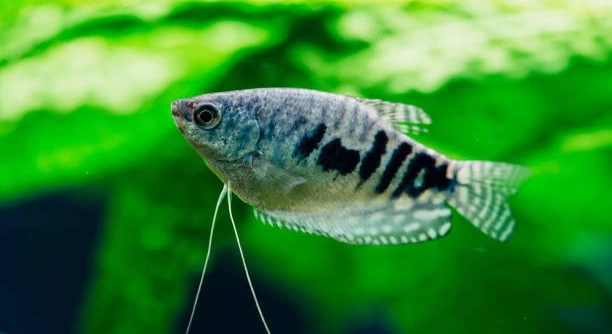
Gouramis are colorful and peaceful fish that often show interesting social behaviors. Watching how they interact can reveal a lot about their relationships. Understanding these patterns helps hobbyists care for them better and appreciate their nature.
Seven distinct behaviors indicate gouramis are bonding. These include mutual following, gentle fin touching, shared bubble nests, synchronized swimming, relaxed body posture, close resting proximity, and non-aggressive interactions. Each pattern reflects growing trust and connection.
Recognizing these signs can improve your experience with gouramis. Knowing how they bond helps create a healthier and happier environment for your fish.
Mutual Following and Gentle Fin Touching
Gouramis often swim closely behind each other, a behavior known as mutual following. This shows interest and trust between the fish. It is common to see one gourami gently brushing its fins against another. This fin touching is a soft, non-aggressive way to communicate comfort and connection. These behaviors happen mostly when gouramis feel safe in their environment. Watching them swim side by side or circle each other while lightly touching fins can be a clear sign of bonding. It also helps reduce stress among the fish. When gouramis do this regularly, it suggests a healthy social bond that benefits their wellbeing.
This following and fin touching are gentle signs that gouramis are forming a connection. They show trust without any signs of fear or aggression.
Noticing these subtle movements is rewarding for anyone caring for gouramis. It means your fish are comfortable and building relationships. This behavior can encourage peaceful tank dynamics and promote their overall happiness. These small gestures are simple but important in gourami social life.
Shared Bubble Nests and Synchronized Swimming
Bubble nest building is a special bonding activity in gouramis. Males create floating nests from bubbles at the water’s surface, often with the help or approval of a partner. When gouramis build nests together or near each other, it signals a strong pair bond. Along with this, they may swim in sync, matching each other’s movements closely. Synchronized swimming shows coordination and mutual trust. This pattern helps strengthen their social ties and improves communication. It also prepares them for breeding behavior.
Bubble nests and synchronized swimming are clear signs of a close relationship developing between gouramis.
These activities require a calm, stable environment. To encourage this, maintain clean water and provide plenty of plants or hiding spots. Bubble nests will be more frequent if gouramis feel safe and secure. Watching synchronized swimming and nest building can deepen your understanding of gourami behavior and highlight their natural bonding instincts. These patterns reveal how gouramis interact beyond simple coexistence, showing care and cooperation.
Relaxed Body Posture
A relaxed gourami holds its fins gently and moves smoothly. It does not flare its gills or stiffen its body. This calm posture shows comfort and trust toward nearby fish.
When gouramis feel secure, their body language is loose and natural. They swim slowly without sudden jerks or rapid movements. Their fins stay spread but not rigid. This behavior is especially clear when they rest close to one another. A relaxed posture indicates there is no threat in the tank, which supports bonding. When gouramis display this often, it means they have accepted each other and their environment. It also helps reduce stress, making them healthier overall.
Relaxed posture is a quiet but important sign of social peace. It can be noticed after the initial introduction period in a new tank. Observing your gouramis adopt this calm state together confirms they are forming positive connections. This body language contrasts strongly with defensive or aggressive behaviors.
Close Resting Proximity
Gouramis resting near each other is a sign of trust and bonding. They do not feel the need to keep distance.
Resting close means gouramis are comfortable sharing their space without fear. This behavior shows they recognize each other as safe companions. It can happen during quiet times when the fish settle down for rest. Close proximity also allows them to keep an eye on one another, which can be reassuring. This pattern is less common in aggressive or stressed fish, so it stands out as a positive social cue. Maintaining a calm tank environment encourages gouramis to rest together and deepen their bond.
Non-Aggressive Interactions
Gouramis that bond rarely show aggression toward each other. They avoid chasing, biting, or fin nipping.
Instead, they coexist peacefully, sharing space without tension. This calm behavior is a key sign of strong social bonds and mutual acceptance in the tank.
Gentle Cleaning and Body Care
Sometimes gouramis help clean each other by nibbling gently on fins or scales. This behavior shows trust and care. It reduces parasites and keeps their skin healthy. Mutual grooming strengthens bonds and supports social harmony in the group.
Feeding Together
Gouramis that bond often eat near each other without signs of competition or stress. They share feeding times calmly, showing comfort and respect for one another’s space. This peaceful feeding habit reflects their trust and positive relationship.
How can I tell if my gouramis are bonding or just tolerating each other?
Bonding gouramis show clear signs of trust and comfort. They swim closely without stress, share resting spots, and engage in gentle fin touching. If they avoid chasing or aggressive behavior and display relaxed body language, it means they are more than just tolerating each other—they are forming social bonds.
What should I do to encourage bonding in my gourami tank?
Create a calm and stable environment. Keep the water clean and at the right temperature. Provide plenty of hiding spots and plants so gouramis feel safe. Avoid overcrowding and sudden changes. Feeding them regularly and gently can also reduce competition, helping them bond naturally over time.
Is bubble nest building always a sign of bonding between gouramis?
Bubble nests usually show strong pair bonds, especially in males preparing for breeding. When gouramis build nests near each other or cooperate, it’s a positive sign. However, bubble nests alone don’t guarantee bonding unless paired with other peaceful behaviors like synchronized swimming and close resting.
Can two male gouramis bond, or is it only possible between males and females?
While male gouramis often show territorial behavior, in some peaceful setups they can form bonds if the tank is large enough and there are plenty of hiding places. Still, male-to-male bonding is less common and requires careful monitoring to prevent aggression. Bonding is more frequent between a male and a female or among similarly sized, non-aggressive gouramis.
How long does it take for gouramis to bond?
The bonding process varies but usually takes several weeks. At first, gouramis may be cautious and keep distance. Gradually, with a stable environment and no threats, they begin to show peaceful behaviors like mutual following and resting together. Patience is key during this period.
Can stress or poor tank conditions break the bond between gouramis?
Yes, stress from poor water quality, overcrowding, or sudden changes can disrupt bonding. Gouramis may become aggressive or avoid each other if stressed. Maintaining good tank conditions helps preserve social bonds and keeps gouramis healthy and happy.
Is it normal for bonded gouramis to sometimes show aggression?
Occasional mild aggression can happen, especially during feeding or territorial displays, but it should not be constant. Bonded gouramis mostly avoid fighting and quickly settle any disputes. Persistent aggression means the bond is weak or the environment is causing stress.
What role does synchronized swimming play in gourami bonding?
Synchronized swimming is a strong signal of trust and coordination. When gouramis swim together in unison, it shows they are comfortable and aware of each other’s movements. This behavior helps reinforce their social connection and reduces misunderstandings that could lead to aggression.
Can bonding gouramis live well with other fish species?
Bonded gouramis generally do well with peaceful tank mates that don’t disturb their space. Aggressive or very active fish can stress gouramis and harm their bond. Choosing compatible species and providing enough space allows gouramis to maintain their social ties safely.
What should I do if my gouramis are not bonding after weeks?
If bonding signs don’t appear after several weeks, review tank conditions and social dynamics. Check water quality, tank size, and the number of fish. Sometimes, certain gouramis may never bond due to personality or species differences. Separating aggressive individuals or adding more hiding places can help reduce tension.
Gouramis are interesting fish with many ways of showing how they connect with each other. Watching their behavior closely can help you understand when they are bonding. They often show this through small but clear actions like following each other, touching fins gently, or resting close together. These signs mean the fish feel safe and comfortable with one another. It is important to recognize these behaviors because they tell you a lot about the health of your aquarium’s social environment. When gouramis bond, they are less likely to fight, and they can live more peacefully in the same tank.
Creating a good environment for your gouramis helps these bonds grow stronger. Keeping the water clean, providing enough space, and adding plants or hiding spots are simple ways to support their wellbeing. Feeding the fish regularly and avoiding overcrowding also reduces stress. When gouramis feel secure, they naturally show more bonding behaviors. It may take time for these signs to appear, especially if the fish are new to the tank or still adjusting to each other. Patience is key, and observing their peaceful interactions is rewarding for anyone who cares for them.
Remember that not all gouramis will bond easily. Some fish might remain cautious or show some aggression, especially if the tank is crowded or conditions are not ideal. If problems arise, it is helpful to check the tank setup and make changes if needed. Sometimes, separating more aggressive fish can improve the overall mood in the aquarium. Understanding and recognizing bonding patterns helps you create a better home for your gouramis and allows you to enjoy their natural behaviors. With care and attention, gouramis can build strong social connections that contribute to their happiness and health.

Hello,
If you enjoy the content that we create, please consider saying a "Thank You!" by leaving a tip.
Every little bit helps us continue crafting quality advice that supports the health, happiness, and well-being of pets around the world, for pets of all shapes, sizes, and species.
We really appreciate the kindness and support that you show us!